Home Visit
 Upload






Preventive Healthcare
A Complete Guide to the Contraceptive Implant
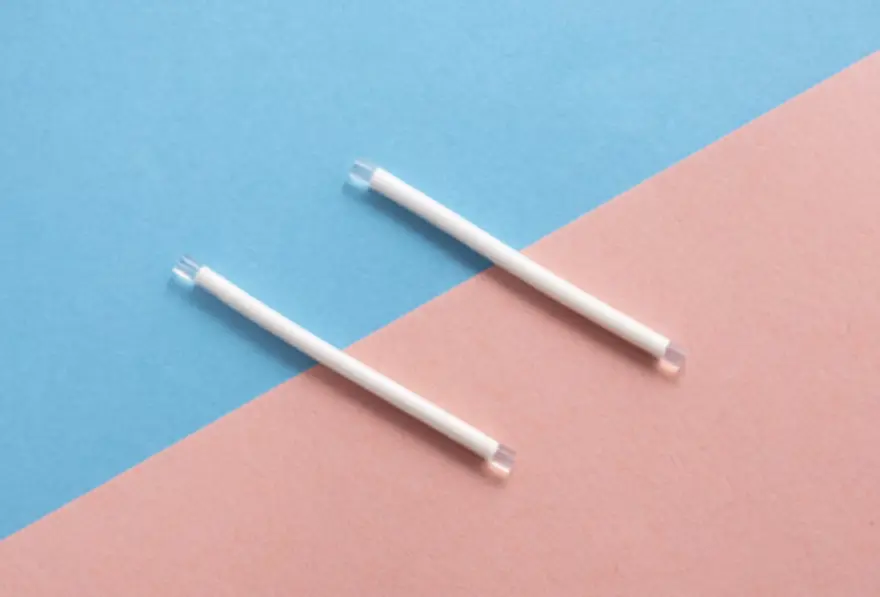
Table of Contents
- What is a Contraceptive Implant?
- How Does a Contraceptive Implant Work?
- Why Choose a Contraceptive Implant?
- Who Can Use a Contraceptive Implant?
- Procedure: How It's Inserted
- Effectiveness of Contraceptive Implant
- Benefits of Contraceptive Implant
- Possible Side Effects
- Risks and Complications
- Comparison: Contraceptive Implant vs. Other Birth Control Methods
- Removal of Contraceptive Implant
- When to See a Doctor
- Cost of Contraceptive Implant in India
- Conclusion
- FAQs
- References:
What is a Contraceptive Implant?
The contraceptive implant, also known as the birth control implant, is a small, flexible rod about the size of a matchstick that is inserted just under the skin of the upper arm by a healthcare provider. A long-acting reversible contraception (LARC), the implant continuously releases a low dose of the progestin hormone etonogestrel over a period of three years to provide long-term, reversible contraception. It is more than 99% effective at preventing pregnancy and works discreetly, requiring no daily action from the user.
How Does a Contraceptive Implant Work?
- Inhibits ovulation, which means it prevents the release of an egg from the ovary
- Thickens the cervical mucus, making it harder for sperm to reach the egg
- Alters the lining of the uterus (endometrium) to make it less receptive for implantation
Hormone Release
The implant releases a steady, low dose of progestin (usually etonogestrel) into the bloodstream. This hormone mainly works by suppressing ovulation and thickening cervical mucus, making it difficult for sperm to travel and fertilise an egg. The hormone levels become effective within hours, typically achieving contraceptive protection within 7 days of insertion.
Why Choose a Contraceptive Implant?
- Highly effective, with a failure rate of less than 1%
- Long-lasting contraception for 3 to 5 years
- Convenient—no daily or monthly attention required
- Reversible—fertility returns quickly after removal
- Suitable for women who cannot use oestrogen-containing contraceptives
- Discreet and not easily visible
- Can improve symptoms for women with endometriosis
Who Can Use a Contraceptive Implant?
Most healthy women can safely use a contraceptive implant, making it a suitable option for those seeking long-term, reversible birth control. It is especially beneficial for women who cannot use oestrogen-based contraception—such as those with migraines, high blood pressure, or a history of blood clots—as the implant is progestin-only. Additionally, it is safe for breastfeeding mothers and does not affect breast milk production.
Here’s who can particularly benefit from using a birth control implant:
- Women of reproductive age who want reliable, long-term contraception
- Those who prefer a low-maintenance birth control method without daily reminders
- Women with medical conditions that prevent them from using oestrogen
- Adolescents and younger women seeking discreet, effective protection
- Individuals who often forget to take birth control pills or struggle with other contraceptive methods
When It May Not Be Suitable
The contraceptive implant may not be recommended for women with:
- Known or suspected pregnancy
- Unexplained vaginal bleeding
- Active liver disease or liver tumours
- Current or past breast cancer
- Allergy to any component of the implant
Procedure: How It's Inserted
Step-by-Step Process
- A healthcare provider reviews your health history and explains the procedure to you.
- The skin of the upper arm is cleaned and numbed with a local anaesthetic.
- Using a special applicator, the implant is inserted just under the skin.
- The provider checks that the implant is correctly placed and covers the site with a dressing.
- You remain in the clinic briefly to ensure there are no immediate reactions.
Aftercare Tips
- Keep the bandage on for 24–48 hours.
- Avoid heavy lifting or strenuous arm activity for 48 hours.
- Check for redness, swelling, or pain; contact your provider if these occur.
- The implant can be felt under the skin, but should not be painful.
- If the implant seems to have moved or cannot be felt, seek medical advice.
Effectiveness of Contraceptive Implant
This means that fewer than 1 in 100 women using the implant for a year are likely to become pregnant. Its high success rate is due to the fact that it works continuously once inserted, releasing a steady dose of hormones to prevent ovulation. Unlike daily pills or user-dependent methods, the implant eliminates the risk of missed doses or incorrect use, providing consistent, long-term protection against unintended pregnancy.
Benefits of Contraceptive Implant
The contraceptive implant offers several advantages that make it a preferred option for women seeking a convenient and dependable ways to prevent pregnancy. Its effectiveness, long duration of action, and minimal maintenance needs contribute to its growing popularity among women of different age groups and lifestyles.
Here are some key advantages of the contraceptive implant:
- Provides very high contraceptive effectiveness (over 99%)
- Offers long-lasting protection for up to 3 years (some studies suggest limited extended use up to 5 years, but the WHO and manufacturers officially recommend replacement at 3 years)
- Allows rapid return to fertility once removed
- Suitable for women who wish to avoid oestrogen-based contraception
- Discreet, convenient, and requires little to no daily attention
- Safe to use while breastfeeding, with no impact on milk production
- May help reduce menstrual pain and symptoms associated with endometriosis
Possible Side Effects
While generally well-tolerated, there are a few side effects of contraceptive implants, which include:
- Irregular bleeding or changes in periods (lighter, heavier, or no periods)
- Mood changes or mood swings
- Acne or skin changes
- Breast tenderness or enlargement
- Headaches
- Weight gain (less common)
- Local irritation at the insertion site
Risks and Complications
Serious complications with the birth control implant are rare, but may include:
- Infection at the insertion site
- Bruising or scarring at the insertion/removal site
- Movement or bending of the implant under the skin
- Rare risk of nerve or blood vessel injury during insertion/removal
- Allergic reaction to the device (rare)
Comparison: Contraceptive Implant vs. Other Birth Control Methods
|
Method |
Effectiveness |
Duration |
User Effort |
Return to Fertility |
Side Effects |
|
Implant |
>99% |
3-5 years |
Low (once-inserted) |
Rapid |
Irregular periods, mood |
|
Oral Contraceptive Pill |
91–99% |
1 day (daily) |
High (daily) |
Rapid |
Nausea, mood, weight gain |
|
Copper IUD |
>99% |
5–10 years |
Low |
Rapid |
Heavier periods, cramps |
|
Hormonal IUD |
>99% |
3–7 years |
Low |
Rapid |
Irregular bleeding |
|
Injectable (Depo-Provera) |
94–99% |
3 months |
Moderate (quarterly) |
Delayed (months) |
Weight gain, bone loss |
|
Male Condom |
82–98% |
1 use |
High (every use) |
Immediate |
No hormonal side effects |
Removal of Contraceptive Implant
The implant must be removed by a trained healthcare provider, typically after three years, or earlier if you wish to stop or change methods. Fertility returns quickly after removal, usually within days to weeks.
Here are the steps involved in removing the birth control implant:
- The provider numbs the skin over the implant site.
- A small incision is made to access the implant.
- The implant is gently pulled out with forceps.
- The area is bandaged; stitches are rarely necessary.
- The procedure usually takes just a few minutes.
When to See a Doctor
Contact your healthcare provider if you experience any of the following after getting the contraceptive implant:
- If you cannot feel the implant under the skin
- If you experience persistent pain, redness, or swelling at the site
- If you notice unusual or heavy bleeding
- If you think you may be pregnant
- If you want the implant removed or replaced
Cost of Contraceptive Implant in India
The cost of a contraceptive implant in India can vary depending on the brand, healthcare provider, and region. In most private hospitals and clinics, the price typically ranges between ₹10,000 and ₹15,000, excluding insertion or removal fees. There may be additional charges for consultation and follow-up visits.
While financial assistance or insurance coverage for contraceptive implants is not always available, access is gradually improving. The Government of India has recently included single-rod subdermal contraceptive implants in its national family planning programme, helping make these options more affordable and widely accessible. For updated information on availability and pricing in your area, it’s best to contact your nearest primary healthcare centre.
Conclusion
The contraceptive implant is a highly effective, long-acting, and reversible form of birth control that offers numerous advantages. If you're considering the birth control implant, discuss your medical history, lifestyle, and family planning goals with your healthcare provider to determine if it's the right choice for you.
At Metropolis Healthcare, we believe that informed decisions are the foundation of good reproductive health. Whether you need blood tests or hormone monitoring, our services are designed to give you clarity and confidence at every step. With 220 NABL & CAP-accredited labs and a network of 4,600+ service centres across India, Metropolis ensures unmatched diagnostic excellence. Enjoy the convenience of home sample collection and secure online results, all backed by our commitment to providing accurate, timely, and reliable testing—so you can take charge of your contraceptive health with ease and peace of mind.
FAQs
Can you get pregnant with an implant?
The chance of becoming pregnant with an implant in place is extremely low (less than 1 in 100 women per year), but no method is 100% effective. If you suspect you may be pregnant while using the birth control implant, take a pregnancy test and consult your healthcare provider.
How soon does the implant work?
If inserted during the first 5 days of your period, the contraceptive implant is effective immediately. If inserted at any other time, use additional contraception (like condoms) for the first 7 days to ensure full protection against pregnancy.
Does it stop periods completely?
The effect on periods varies from woman to woman. About 1 in 5 women on the implant stop having periods altogether. Others may have irregular, lighter, or heavier periods, especially in the first few months after insertion. Discuss any concerns about bleeding patterns with your doctor.
Is getting an implant painful?
Insertion involves a small injection of local anaesthetic, so the procedure itself is not usually painful, but you may feel some pressure or discomfort. Soreness or bruising at the site can occur after. Over-the-counter pain relievers can help manage any discomfort.
Can the implant be felt under the skin?
Yes, you or your provider can usually feel the implant with gentle pressure under the skin, but it should not be uncomfortable or visible. If you cannot feel the implant or it seems to have moved, contact your healthcare provider to ensure it is still properly placed.
References:
- https://www.who.int/health-topics/contraception#tab=tab_3
- https://www.meitra.com/blog-details/what-are-contraceptive-methods-available-to-you-in-india-and-all-you-should-know-about-them
- https://www.populationfoundation.in/wp-content/uploads/2024/07/Final-position-paper_-Implants_PFI-14-June.pdf
- https://my.clevelandclinic.org/health/articles/24564-contraceptive-implant
- https://www.mayoclinic.org/tests-procedures/contraceptive-implant/about/pac-20393619
- https://www.nhs.uk/contraception/methods-of-contraception/contraceptive-implant/what-is-it/