Home Visit
 Upload






Preventive Healthcare
Chilblains: Causes, Symptoms & Home Remedies
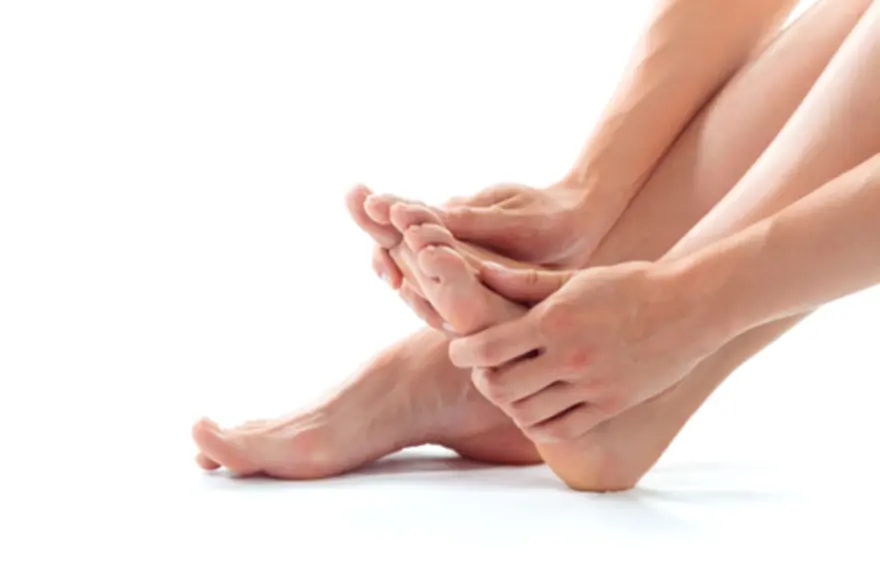
Table of Contents
What are Chilblains?
Chilblains, or pernio, are small, painful, red or purple swellings that appear on the skin after exposure to cold and damp, but not freezing, weather. Chilblains cause inflammation of tiny blood vessels in response to repeated or prolonged exposure to cold air, leading to symptoms such as itching, tenderness, burning, or, in severe cases, blisters and ulcers. It most commonly affects the toes, fingers, ears, and nose and typically resolves within a few weeks if the skin is kept warm and dry.
Causes of Chilblains
- Exposure to cold, damp (but not freezing) weather
- Abnormal inflammatory response of small blood vessels to temperature changes
- Rapid rewarming of cold skin, causing blood vessels to expand quickly
- Constriction of blood vessels reduces blood flow and oxygen to the skin, leading to inflammation upon rewarming
Abnormal Blood Vessel Reaction
Chilblains causes occur due to an abnormal reaction of the small blood vessels in the skin to cold temperatures. When the skin is exposed to the cold, these vessels constrict, reducing blood supply. Upon rewarming, the vessels may expand too rapidly, leading to leakage of blood into surrounding tissues and resulting in swelling, inflammation, and discomfort characteristic of chilblains.
Contributing Factors
- Wearing tight or ill-fitting clothing or shoes
- Poor circulation
- Low body mass index (BMI)
- Smoking (nicotine constricts blood vessels)
- Living in damp, cold climates or homes without central heating
- Inactivity or immobility in cold conditions
- Certain underlying medical conditions (e.g., lupus, Raynaud's phenomenon, peripheral arterial disease)
- Young or middle-aged women (possibly related to clothing choices)
Risk Factors for Chilblains
- Female gender
- History of chilblains
- Family history of chilblains
- Low BMI or poor nutrition
- Smoking
- Poor peripheral circulation
- Presence of autoimmune or connective tissue diseases (e.g., lupus)
- Raynaud's phenomenon
- Living in cold areas, like Ladakh, as cited in a National Institutes of Health study
- Age (children and young and middle-aged adults more commonly affected)
Symptoms of Chilblains
Chilblains often cause noticeable changes in the skin. Common symptoms of chilblains or pernio include:
- Small, red or purple patches or swellings
- Itching, burning, or tingling sensation
- Pain or tenderness
- Swelling, sometimes shiny, inflamed skin
- Possible blistering or ulceration in severe cases
- Dry or cracked skin over affected areas
- Development of sores if lesions become severe or infected
Commonly Affected Areas
- Toes
- Fingers
- Heels
- Ears
- Nose
- Thighs or buttocks (rarely)
Possible Complications
- Skin ulcers or open sores
- Secondary bacterial infection of affected areas
- Scarring or permanent skin color changes
- Recurrence with repeated cold exposure
- Rarely, association with underlying connective tissue or autoimmune disorders
How Chilblains Are Diagnosed
Chilblains are usually diagnosed by a healthcare provider based on a physical examination and a history of recent exposure to cold and damp conditions. The appearance of characteristic red or purple patches and the presence of chilblains symptoms make diagnosis straightforward. In some cases, especially if the condition is severe, persistent, or atypical, your doctor may order blood tests or a skin biopsy to rule out other causes or to check for related medical conditions like lupus or vasculitis.
Home Remedies for Chilblains
Several simple home remedies for chilblains can help relieve discomfort and promote healing.
Keep Affected Areas Warm
- Wear insulated gloves and socks in cold weather.
- Layer clothing to trap body heat and protect extremities.
- Use blankets or heating pads on a low setting to gently warm affected areas.
- Avoid direct heat sources (hot water, fires, heating pads on high), which can worsen symptoms.
Gentle Massage
Gently massaging the affected areas can help improve circulation and relieve mild discomfort. However, massage should be done with care and avoided if the skin is broken, blistered, or very tender, to prevent further injury or infection.
Moisturise Regularly
Applying moisturising creams or ointments to the affected areas can help soothe itching and dryness, prevent skin cracking, and promote healing. Choose gentle, fragrance-free moisturisers to minimise skin irritation.
Avoid Scratching
It is important not to scratch chilblains, even though they may be very itchy. Scratching can break the skin, increasing the risk of infection and potentially leading to ulceration or scarring.
Natural Soothing Agents
- Natural soothing agents such as aloe vera gel
- Calendula cream or colloidal oatmeal soaks may help relieve itching and irritation
- Use only on intact skin, and discontinue if irritation occurs
- Coconut oil or plain petroleum jelly can provide gentle hydration
Medical Treatments for Severe Cases
Chilblains treatment for severe or persistent cases may go beyond home remedies and require medical care. Depending on the situation, healthcare providers may recommend:
- Prescription corticosteroid creams to reduce inflammation and itching
- Oral medications to improve blood flow (e.g., nifedipine)
- Treatment of underlying conditions (e.g., lupus, Raynaud's phenomenon)
- Antibiotics for secondary skin infection
- Pain relievers if prescribed by a healthcare provider
Prevention Tips for Chilblains
- Dress warmly in layers, especially on extremities
- Keep hands, feet, ears, and nose covered when outdoors in cold weather
- Avoid rapid warming of cold skin
- Stay active to promote circulation in cold weather
- Use central heating or portable heaters to keep living spaces warm
- Avoid tight or restrictive clothing and shoes
- Stop smoking to improve circulation
- Moisturise skin to prevent dryness and cracking
When to See a Doctor
- Symptoms last more than 2-3 weeks
- Sores, blisters, or ulcers develop on the skin
- Signs of infection (increased redness, pus, fever)
- Chilblains occur frequently or recur every winter
- Severe pain, swelling, or color changes
- Concern about underlying health conditions (autoimmune disease, poor circulation)
- Unusual symptoms or uncertain diagnosis
Conclusion
Chilblains, or pernio, can be a painful and uncomfortable condition, but with the right knowledge and care, you can effectively manage and prevent this common skin problem. If blood tests or monitoring are needed, Metropolis Healthcare provides NABL- & CAP-accredited labs, expert pathologists, and 4,600+ service centres across the country. Offering home sample collection and secure online results, we ensure accurate, timely, and convenient diagnostic services to support your recovery and safeguard your family’s health.
FAQs
Are chilblains serious?
Chilblains are generally not considered serious and often resolve on their own within a few weeks if further cold exposure is avoided. However, persistent, recurrent, or severe chilblains may require medical evaluation to rule out underlying health problems or complications such as infection.
How long do chilblains last?
Typical chilblains last one to three weeks, depending on the severity of exposure and the effectiveness of home care. Lingering symptoms may indicate complications or underlying health issues and should be evaluated by a doctor.
Can chilblains occur in summer?
Chilblains, or pernio, are most common in cold, damp weather but can occasionally develop in cool, humid environments or following exposure to cold air conditioning, even during summer. The primary risk factor is exposure to cold and moisture rather than the season itself.
What is the difference between chilblains and frostbite?
Chilblains, or pernio, occur after exposure to cold, damp (but not freezing) conditions and involve inflammation of small blood vessels, while frostbite results from exposure to freezing temperatures, causing ice crystals to form in body tissues and potentially leading to permanent tissue damage. Chilblains do not cause tissue death or loss, as frostbite can.
Do chilblains come back every winter?
Chilblains can recur every winter, especially if preventive measures are not taken and cold exposure continues. People with a history of chilblains should take extra precautions to keep their skin warm and dry during the colder months to reduce the risk of recurrence.
References:
- https://pmc.ncbi.nlm.nih.gov/articles/PMC4534529/
- https://www.webmd.com/skin-problems-and-treatments/chilblains-causes-symptoms-diagnosis-treatment-and-preventio
- https://my.clevelandclinic.org/health/diseases/21817-chilblains-pernio