Home Visit
 Upload






Preventive Healthcare
Chromosome: Structure, Types, and Genetic Role
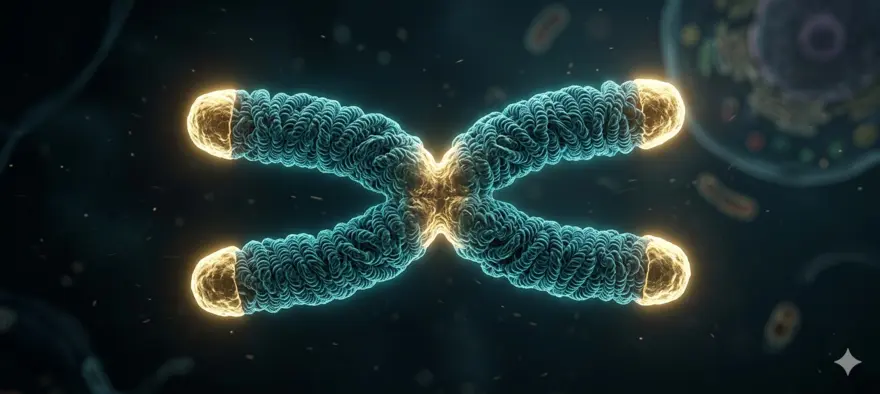
Table of Contents
- What Is a Chromosome?
- Structure of a Chromosome
- How Chromosomes Are Organised in Cells
- Types of Chromosomes
- Number of Chromosomes in Humans
- Role of Chromosomes in Genetics and Inheritance
- How Chromosomes Determine Biological Sex
- Chromosomal Abnormalities and Disorders
- How Chromosomal Conditions Are Diagnosed
- Importance of Chromosomes in Cell Division
- Advances in Genetic Testing and Chromosome Analysis
- Key Takeaways
- Taking the Next Step in Your Health Journey
- FAQs About Chromosomes
- References
Every cell in your body carries a detailed blueprint of who you are. This blueprint is packaged into tiny structures called chromosomes. Understanding chromosomes helps you make sense of how traits pass from parents to children, why certain health conditions run in families, and how modern medicine can detect genetic changes early.
This guide walks you through what chromosomes are, how they are built, and the role they play in your health.
What Is a Chromosome?
A chromosome is a thread-like structure found inside the nucleus of your cells. It is made of DNA (deoxyribonucleic acid) tightly wound around proteins called histones. Think of each chromosome as a neatly organised book that stores the instructions your body needs to grow, function, and repair itself.
Every cell in your body, except mature red blood cells and platelets, contains a full set of chromosomes. These structures are too small to see with the naked eye, but under a high-powered microscope, they appear as dense, rod-like shapes, especially during cell division.
The word "chromosome" comes from two Greek words: "chroma" meaning colour and "soma" meaning body. Scientists coined the term because these structures absorb certain dyes strongly and become visible under a microscope.
Structure of a Chromosome
Each chromosome has a highly organised structure that allows a long DNA molecule to fit inside a tiny cell nucleus. This remarkable DNA packaging is essential for keeping your genetic material safe and accessible.
Here are the main parts of a chromosome.
DNA and Histones
Your DNA is a long, double-stranded molecule. It wraps around clusters of histone proteins to form bead-like units called nucleosomes. These nucleosomes coil further to form chromatin, which then folds into the compact shape of a chromosome.
If you stretched out the DNA from a single human cell, it would measure about 2 metres. Chromosomes make it possible to fit all of this into a space smaller than the tip of a pin.
Centromere
The centromere is the pinched region near the middle of a chromosome. It holds two identical copies of the chromosome, called sister chromatids, together. During cell division, the centromere acts as an anchor point for the fibres that pull chromosomes apart.
Sister Chromatids
Before a cell divides, each chromosome makes an exact copy of itself. The two identical copies, joined at the centromere, are called sister chromatids. This pairing ensures that when the cell splits, each new cell receives a complete set of genetic information.
Telomeres
Telomeres are protective caps at the ends of each chromosome. They work like the plastic tips on shoelaces, preventing the chromosome ends from fraying or sticking to other chromosomes. Telomeres gradually shorten with age and repeated cell division, which is one reason scientists study them in research on ageing.
P-Arm and Q-Arm
Every chromosome has a short arm called the p-arm and a long arm called the q-arm. These arms meet at the centromere. Geneticists use these arms to locate specific genes on a chromosome.
How Chromosomes Are Organised in Cells
Your chromosomes do not float freely inside the nucleus. They occupy specific regions called chromosome territories. This organisation helps control which genes are switched on or off at any given time.
When a cell is not dividing, chromosomes exist in a loose, thread-like form called chromatin. Chromatin comes in two types. Euchromatin is loosely packed and contains active genes, while heterochromatin is tightly packed and usually keeps its genes silent. This balance helps your cells decide which proteins to produce and when.
Types of Chromosomes
Chromosomes are classified based on the position of their centromere. Each type has a distinct shape when viewed under a microscope.
- Metacentric: The centromere sits right in the middle, giving the chromosome two arms of equal length. It looks like the letter V during cell division.
- Submetacentric: The centromere is slightly off-centre, resulting in one arm being a little longer than the other.
- Acrocentric: The centromere lies close to one end, creating a very short p-arm and a long q-arm. Human chromosomes 13, 14, 15, 21, and 22 fall into this group.
- Telocentric: The centromere is at the very end of the chromosome. This type is not found in humans but is seen in some other species.
Number of Chromosomes in Humans
A typical human cell contains 46 chromosomes, arranged in 23 pairs. You inherit one chromosome of each pair from your biological mother and one from your biological father. This is a cornerstone of genetic inheritance.
Of these 23 pairs, 22 are autosomes, which carry most of your body's genetic instructions. The final pair is made up of sex chromosomes, which determine biological sex.
Reproductive cells, known as egg and sperm cells, are the only cells that carry just 23 chromosomes. When fertilisation occurs, these combine to form a new cell with the full set of 46.
Role of Chromosomes in Genetics and Inheritance
Chromosomes play a central role in how traits pass from one generation to the next. Each chromosome carries hundreds to thousands of genes, and each gene holds instructions for making a specific protein. This overall process reflects the chromosome function that keeps your body working smoothly.
Here is how chromosomes shape inheritance:
- Information Storage: Chromosomes carry the complete genetic code that defines your traits, from eye colour to blood group.
- Gene Expression: The way DNA is packed around histones decides whether a gene is active or silent. This is why identical twins, who share the same DNA, can still show small differences.
- Genetic Variation: During the formation of egg and sperm cells, chromosomes swap small sections with their pairs through a process called crossing over. This shuffles genetic material and creates unique combinations in every child.
- Equal Distribution: During cell division, chromosomes ensure that each new cell receives an accurate copy of your genetic blueprint.
How Chromosomes Determine Biological Sex
Your 23rd pair of chromosomes decides your biological sex. This pair is made up of two sex chromosomes: X and Y.
If you have two X chromosomes (XX), you are typically assigned female at birth. If you have one X and one Y (XY), you are typically assigned male at birth.
The X chromosome carries over 1,000 genes, many of which have nothing to do with sexual development and instead support other body functions. The Y chromosome is much smaller and carries fewer genes, most of which are linked to male reproductive development.
In people with two X chromosomes, a process called X-inactivation switches off one X chromosome in every cell. This ensures that both males and females produce similar amounts of proteins coded by X-linked genes. This is the heart of the autosomes vs sex chromosomes distinction: autosomes are present in matched pairs, while sex chromosomes can differ between individuals.
Chromosomal Abnormalities and Disorders
Sometimes, chromosomes change in number or structure. These changes, called chromosomal abnormalities, can affect growth, development, and health. While this may sound worrying, modern diagnostics can detect many of these changes early, helping you and your doctor plan the best possible care.
Common types of chromosomal abnormalities include:
- Aneuploidy: Having an extra or missing chromosome. Examples include Down syndrome (an extra copy of chromosome 21), Edwards syndrome (trisomy 18), and Patau syndrome (trisomy 13).
- Monosomy: Missing one chromosome from a pair. Turner syndrome, where a female has only one X chromosome, is one example.
- Polysomy of Sex Chromosomes: Having extra X or Y chromosomes. Klinefelter syndrome (XXY) and Triple X syndrome (XXX) fall into this group.
- Deletions: Missing a piece of a chromosome, as seen in Cri du chat syndrome and Wolf-Hirschhorn syndrome.
- Translocations: A piece of one chromosome breaks off and joins another. The Philadelphia chromosome, linked to certain types of cancer such as chronic myeloid leukaemia, is a well-known example.
- Duplications: A portion of a chromosome is copied, leading to extra genetic material.
How Chromosomal Conditions Are Diagnosed
If your doctor suspects a chromosomal condition, they may recommend specialised genetic testing. A karyotype test examines the number, shape, and arrangement of your chromosomes under a microscope. Other advanced tests, such as fluorescence in situ hybridisation (FISH) and chromosomal microarray analysis, can detect smaller changes that a standard karyotype may miss. These tests can be done before birth using samples from amniotic fluid or the placenta, or after birth using a small blood sample.
Importance of Chromosomes in Cell Division
Your body replaces billions of cells every day. Chromosomes make sure that each new cell receives a correct copy of your DNA. This happens through two main types of cell division.
Mitosis is used for growth and repair. The parent cell divides into two identical daughter cells, each with 46 chromosomes.
Meiosis is used to produce egg and sperm cells. The parent cell divides twice to create four cells, each with 23 chromosomes.
Errors in this process can lead to chromosomal abnormalities. Accurate chromosome division is therefore essential for healthy development and reproduction.
Advances in Genetic Testing and Chromosome Analysis
Genetic testing has grown rapidly over the past two decades. Techniques such as next-generation sequencing, chromosomal microarrays, and NIPT Test now allow doctors to study chromosomes in remarkable detail.
These tests can help with:
- Confirming a suspected genetic condition.
- Screening unborn babies for chromosomal disorders.
- Identifying inherited risk for certain cancers.
- Guiding personalised treatment plans.
- Supporting couples who are planning a family.
With more advanced tools available today, early and accurate diagnosis has become simpler than ever before.
Key Takeaways
- Chromosomes are thread-like structures made of DNA and histone proteins that store your genetic information.
- Each human cell has 46 chromosomes, arranged in 23 pairs, including 22 autosomes and 1 pair of sex chromosomes.
- Key parts of a chromosome include the centromere, telomeres, p-arm, and q-arm.
- Chromosomes are classified as metacentric, submetacentric, acrocentric, or telocentric based on the position of the centromere.
- Chromosomes play a vital role in inheritance, gene expression, and cell division.
- Chromosomal abnormalities can cause conditions such as Down syndrome, Turner syndrome, and certain cancers.
- Modern genetic tests can detect these changes early, supporting timely care and informed planning.
Taking the Next Step in Your Health Journey
Understanding your genetic makeup is a powerful step towards better health. Whether you are planning a family, investigating a suspected genetic condition, or simply want to stay ahead of your wellbeing, reliable diagnostics can make a real difference.
At Metropolis Healthcare, you can access a wide range of specialised genetic and pathology tests, including karyotyping and advanced chromosomal analysis, carried out in NABL and CAP-accredited laboratories. With expert pathologists, advanced technology, and a strong home sample collection network of 10,000 touchpoints across the country, you receive accurate results with the convenience you deserve. Booking is easy through the website, app, call, or WhatsApp, and reports are delivered with a quick turnaround you can rely on. Routine full body checkups and timely health screening can also help you stay informed about your overall health markers, giving you peace of mind every step of the way.
FAQs About Chromosomes
What Is a Chromosome Made Of?
A chromosome is made of DNA wrapped around proteins called histones. Together, DNA and histones form a material called chromatin, which folds into the compact shape of a chromosome. This structure protects your genetic information and helps it fit inside the nucleus of your cells.
What Is the Role of Chromosomes in Genetics?
Chromosomes carry genes, which are the basic units of heredity. They store the instructions your body needs to grow, function, and reproduce. During cell division, chromosomes pass this information from parent cells to daughter cells, and from parents to children.
How Do Chromosomes Determine Sex?
Your 23rd pair of chromosomes decides biological sex. Two X chromosomes (XX) usually result in female development. One X and one Y chromosome (XY) usually result in male development. The Y chromosome carries genes that trigger the development of male reproductive features.
What Are Chromosomal Abnormalities?
Chromosomal abnormalities are changes in the number or structure of chromosomes. They can involve extra chromosomes, missing chromosomes, or sections that are rearranged, deleted, or duplicated. These changes can affect growth, development, and overall health.
Can Chromosomal Disorders Be Detected Before Birth?
Yes. Tests such as non-invasive prenatal testing (NIPT), chorionic villus sampling (CVS), and amniocentesis can detect many chromosomal disorders before birth. Your doctor will recommend the most suitable test based on your age, medical history, and stage of pregnancy.
What Happens if a Person Has Extra Chromosomes?
Having extra chromosomes, known as trisomy or polysomy, can lead to various health conditions. The effects depend on which chromosome is involved. For example, an extra copy of chromosome 21 causes Down syndrome, while an extra X or Y chromosome can affect growth, development, or fertility.
How Are Chromosomes Studied in Laboratories?
Chromosomes are studied using techniques such as karyotyping, FISH, and chromosomal microarray analysis. These tests use blood, skin, or prenatal samples. Laboratory scientists examine the chromosomes under a microscope or with advanced software to detect changes in number or structure.
Why Are Chromosomes Important for Cell Division?
Chromosomes ensure that genetic material is accurately copied and shared during cell division. Without this precise distribution, new cells would not receive a complete set of instructions, which could lead to developmental issues or disease.
References
- National Human Genome Research Institute. Chromosomes Fact Sheet. National Institutes of Health; 2024.
- Alberts B, Johnson A, Lewis J, Morgan D, Raff M, Roberts K, Walter P. Molecular Biology of the Cell. 6th ed. New York: Garland Science; 2015.
- O'Connor C. Chromosome Structure. Nature Education. 2008;1(1):62.
- World Health Organization. Genes and Human Disease. WHO Genomic Resource Centre. Geneva; 2023.
- Miga KH. Centromere studies in the era of telomere-to-telomere genomics. Exp Cell Res. 2020;394(2):112127. PMID: 32504677.
- Shay JW, Wright WE. Telomeres and telomerase: three decades of progress. Nat Rev Genet. 2019;20(5):299-309. PMID: 30760854.
- Indian Council of Medical Research. Ethical Guidelines for Biomedical and Health Research Involving Human Participants. New Delhi: ICMR; 2017.
- Nussbaum RL, McInnes RR, Willard HF. Thompson and Thompson Genetics in Medicine. 8th ed. Philadelphia: Elsevier; 2016.