Home Visit
 Upload






Preventive Healthcare
Breast Cancer Awareness Month: Importance, Early Detection & Support
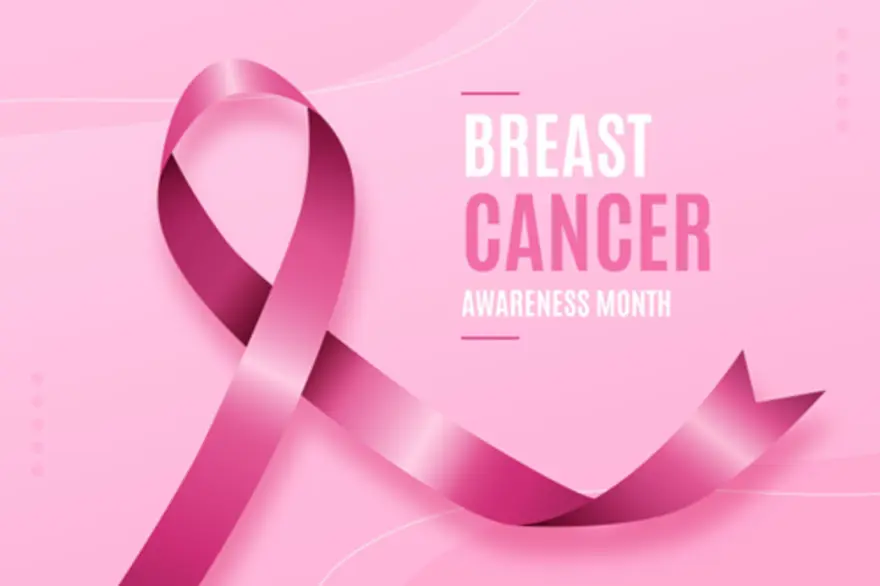
Table of Contents
- When Is Breast Cancer Awareness Month 2025?
- Why Breast Cancer Awareness Month Matters
- Theme for Breast Cancer Awareness Month 2025
- Understanding Breast Cancer
- Common Signs and Symptoms of Breast Cancer
- Risk Factors for Breast Cancer
- Importance of Early Detection
- Screening and Diagnostic Methods
- Support for Patients and Survivors
- Global Events and Campaigns for 2025
- How to Participate in Breast Cancer Awareness Month
- Nutrition and Lifestyle Tips for Breast Cancer Prevention
- Conclusion
- FAQs
When Is Breast Cancer Awareness Month 2025?
Breast Cancer Awareness Month is observed every year throughout October. In 2025, various organisations, healthcare providers, and communities will come together to host events, educational programmes, and fundraising activities to raise awareness about breast cancer. The campaign's signature colour, pink, will be prominently displayed to symbolise the collective effort in supporting those affected by the disease.
Why Breast Cancer Awareness Month Matters
October Breast Cancer Awareness Month plays a crucial role in educating the public about the importance of early detection and prevention. By increasing knowledge about risk factors, symptoms, and breast cancer screening, the campaign aims to empower women to take proactive steps in monitoring their breast health. Early detection significantly improves the chances of successful treatment and survival, making awareness a key factor in reducing breast cancer mortality rates.
Theme for Breast Cancer Awareness Month 2025
The Breast Cancer Awareness Month theme varies by organisation. Living Beyond Breast Cancer has chosen "My Why" as the Breast Cancer Awareness Month theme for 2025, encouraging individuals to reflect on their personal motivations for supporting the cause. The National University Cancer Institute of Singapore has selected "Celebrate Her Strengths" as their theme, emphasising the resilience and strength of those affected by breast cancer.
Understanding Breast Cancer
Breast cancer develops when cells in the breast grow uncontrollably, forming a tumour that can invade nearby tissues or spread to other parts of the body. The two main types of breast cancer are ductal carcinoma, which begins in the milk ducts, and lobular carcinoma, which starts in the milk-producing glands (lobules). While breast cancer predominantly affects women, men can also develop the disease, although it is rare.
Common Signs and Symptoms of Breast Cancer
- A lump or thickening in the breast or underarm area
- Changes in the size, shape, or appearance of the breast
- Dimpling, puckering, or redness of the breast skin
- Nipple discharge, especially if it is bloody or occurs without squeezing
- Nipple inversion or changes in its appearance
- Pain in any area of the breast
Risk Factors for Breast Cancer
- Increasing age (most breast cancers are diagnosed after age 50)
- Family history of breast cancer
- Personal history of breast cancer or certain non-cancerous breast conditions
- Inherited genetic mutations (BRCA1 and BRCA2)
- Early menstruation (before age 12) or late menopause (after age 55)
- Having dense breast tissue
- Long-term use of hormone replacement therapy
- Obesity and lack of physical activity
- Alcohol consumption
Importance of Early Detection
Early detection is crucial in the fight against breast cancer. When caught in its early stages, breast cancer is more treatable and has a higher survival rate. Advances in early detection and treatment have significantly reduced breast cancer mortality over recent decades. Regular screening through mammograms, clinical breast exams, and self-exams can help detect breast cancer before symptoms appear, allowing for prompt treatment and better outcomes.
Screening and Diagnostic Methods
- Mammography: A low-dose X-ray that can detect tumours and abnormalities in the breast.
- Clinical breast exam: A physical examination performed by a doctor to check for lumps or changes in the breast.
- Breast self-exam: Becoming familiar with the normal look and feel of one’s breasts and promptly reporting any changes to a doctor.
- Breast ultrasound: An imaging test that uses sound waves to create pictures of the breast tissue.
- Breast MRI: A detailed imaging test that uses magnetic fields and radio waves to create images of the breast.
How to Perform a Breast Self-Exam
- Stand in front of a mirror with your hands on your hips and examine your breasts for any changes in size, shape, or symmetry.
- Raise your arms above your head and look for any dimpling, puckering, or changes in the skin.
- Lie down and use your fingertips to gently feel your breasts in a circular motion, covering the entire breast and armpit area.
- Gently squeeze each nipple to check for any discharge.
- Report any changes or concerns to your doctor.
Support for Patients and Survivors
Breast Cancer Awareness Month also focuses on providing support for patients and survivors. Many organisations offer resources, such as emotional support groups, financial assistance programmes, and educational materials, to help those affected by breast cancer navigate their journey. Connecting with others who have experienced similar challenges can provide a sense of community and empowerment.
Global Events and Campaigns for 2025
- South Africa's CANSA will run the 'Dry & Detect Towel' campaign, teaching breast self-examination through everyday items.
- Malaysia will feature the "Pink Warriors", a team of breast cancer survivors participating in international sporting events to demonstrate their strength and resilience.
- In Europe, the "Cancer Currency" campaign will use art-inspired currency designs featuring women with metastatic breast cancer to raise awareness about advanced-stage disease.
- Lebanon will promote a creative bread recipe that teaches self-exam techniques in a fun and engaging way.
- In Singapore, the National University Cancer Institute will partner with local cafes to offer pink-themed drinks and desserts to raise funds for breast cancer research.
How to Participate in Breast Cancer Awareness Month
- Educate yourself and others about breast cancer, risk factors, and early detection methods.
- Schedule a mammogram or encourage loved ones to get screened.
- Participate in local fundraising events, such as walks, runs, or charity auctions.
- Wear pink or display the pink ribbon to show your support.
- Donate to reputable breast cancer organisations that fund research, provide support services, or offer education.
- Share your story or the stories of others affected by breast cancer to raise awareness and inspire others.
- Volunteer your time or skills to support local breast cancer organisations or events.
Nutrition and Lifestyle Tips for Breast Cancer Prevention
- Maintain a healthy weight through a balanced diet and regular exercise.
- Choose a diet rich in fruits, vegetables, and whole grains.
- Limit consumption of red meat and processed meats.
- Engage in regular physical activity, aiming for at least 150 minutes of moderate exercise per week.
- Avoid or limit the use of hormone replacement therapy.
- Breastfeed your children, if possible, as it may lower your risk of breast cancer.
Conclusion
Breast Cancer Awareness Month is a powerful reminder of the importance of early detection, education, and support in the fight against breast cancer. By raising awareness, encouraging regular screening, and standing together as a community, we can make a significant impact on the lives of those affected by this disease. Remember, knowledge is power, and taking proactive steps to prioritise your breast health can make all the difference.
At Metropolis Healthcare, you get accurate and reliable diagnostic services to help in the early detection and management of breast cancer. Our comprehensive test list of 4,000+ diagnostics includes advanced screenings for cancer, special test packages for cancer, infectious diseases and genetic conditions, backed by a CAP proficiency score exceeding 98%, placing us among the top 1% of labs globally. This Breast Cancer Awareness Month, take a proactive step toward your well-being with Metropolis Healthcare.
FAQs
When is Breast Cancer Awareness Month celebrated?
Breast Cancer Awareness Month is celebrated every year during the month of October. Throughout the month, various events, educational programs, and fundraising activities take place to raise awareness about breast cancer and support those affected by the disease.
What is the theme for Breast Cancer Awareness Month 2025?
The theme for Breast Cancer Awareness Month 2025 varies by organisation. Living Beyond Breast Cancer has chosen "My Why", while the National University Cancer Institute of Singapore has selected "Celebrate Her Strengths".
Why is the pink ribbon a symbol for breast cancer?
The pink ribbon has become an international symbol of breast cancer awareness. It represents the collective fight against the disease, honours those affected, and serves as a reminder of the importance of early detection and support. The colour pink is associated with femininity, compassion, and hope.
How often should women get a mammogram?
The frequency of mammograms depends on age and health status. Women aged 40 to 44 may choose to start screening. Women aged 45 to 54 should have yearly mammograms. From age 55, screening can continue annually or every two years, or as suggested by your doctor.
Can men get breast cancer?
Yes, while breast cancer is much more common in women, men can also develop the disease. Approximately 0.5-1% of breast cancers occur in men. Men should be aware of any changes in their breast tissue and report any concerns to their doctor.