Home Visit
 Upload






Preventive Healthcare
Birth Control Pills: Types, Benefits, And Side Effects
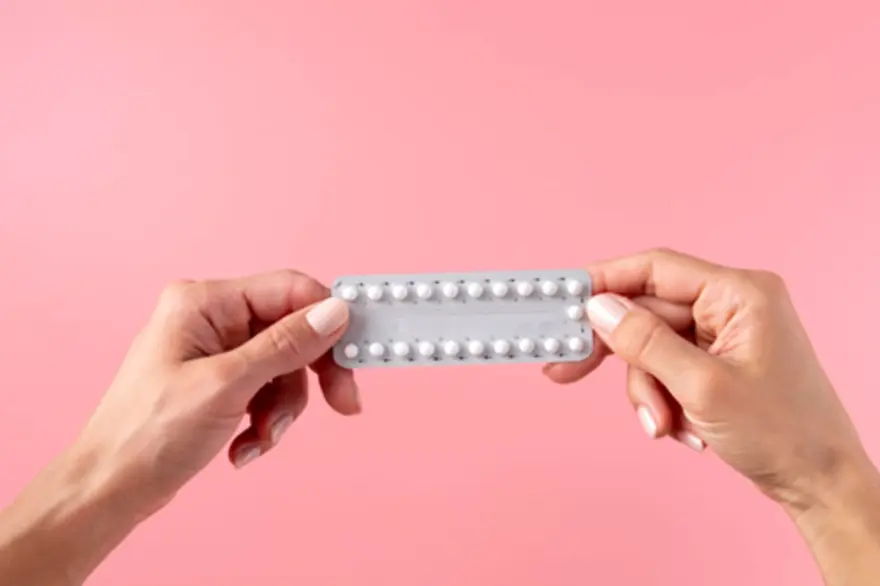
Table of Contents
What Are Birth Control Pills?
Birth control pills are medications containing synthetic versions of the female hormones oestrogen and progesterone (in the form of progestin). These hormones play a key role in regulating ovulation, menstrual cycles, and fertility.
When taken daily, the pill helps prevent pregnancy by controlling the hormonal fluctuations that trigger ovulation. Most packs contain 21 active hormone pills and 7 placebo or non-hormonal pills, allowing a withdrawal bleed similar to a natural period.
Doctors may recommend oral contraceptives not only for contraception but also for conditions like polycystic ovary syndrome (PCOS), endometriosis, irregular periods, or severe premenstrual symptoms (PMS).
Birth control pills are available only through prescription and should always be taken under medical guidance after evaluating one’s health profile and risk factors.
How Birth Control Pills Work
According to the National Institutes of Health (NIH), approximately 25% of women aged 15 to 44 who use contraception report the pill as their method of choice. The mechanism of action of oral contraceptives is based on a precise hormonal balance that prevents pregnancy in three ways:
1. Inhibiting Ovulation
The primary function of birth control pills is to stop ovulation, which is the monthly release of an egg from the ovary. In a normal menstrual cycle, the brain releases two key hormones, follicle-stimulating hormone (FSH) and luteinising hormone (LH), that prompt the ovaries to mature and release an egg.
The synthetic hormones in oral contraceptives mimic the natural oestrogen and progesterone levels in the bloodstream, sending feedback to the brain that signals “enough hormone is already present.” This suppresses the release of FSH and LH from the pituitary gland, effectively preventing the egg from maturing or being released.
Without ovulation, there is no egg available for fertilisation, making pregnancy impossible even if sperm enter the reproductive tract.
2. Thickening Cervical Mucus
Birth control pills also act locally at the cervix, the narrow passage connecting the vagina and uterus. Under normal conditions, cervical mucus is thin and slippery during ovulation, allowing sperm to swim easily toward the egg.
When on the pill, the progestin component causes the cervical mucus to become thicker and stickier, forming a semi-solid barrier. This change makes it extremely difficult for sperm to move through the cervix and reach any egg that might have been released.
This mechanism provides an additional layer of protection, reducing the chances of sperm survival and fertilisation even in cases where ovulation might not be fully suppressed.
3. Thinning the Uterine Lining
The third mechanism focuses on the uterus itself. In a natural menstrual cycle, the endometrium (uterine lining) thickens under the influence of hormones to prepare for the potential implantation of a fertilised egg.
Birth control pills alter this process; the progestin hormone keeps the lining thin and less receptive. A thinner endometrium means that even if fertilisation were to occur, the uterus is not suitable for implantation, preventing a pregnancy from developing. This change also contributes to lighter menstrual bleeding and reduced period pain — one of the key benefits of birth control pills beyond contraception.
When taken consistently at the same time every day, birth control pills are more than 99% effective in preventing pregnancy. However, if doses are missed or taken inconsistently, the effectiveness can drop to around 91%, which makes discipline in usage essential.
Types of Birth Control Pills
Birth control pills are broadly divided into two main categories depending on their hormone composition and method of action.
1. Combined Pills
Combined oral contraceptives contain both oestrogen and progestin. These are the most popular and commonly prescribed types. They are available in several formulations:
- Monophasic Pills: Each active pill contains the same dose of hormones. These are easy to use and predictable.
- Multiphasic Pills: Hormone levels change throughout the cycle to closely mimic the natural menstrual rhythm.
- Extended-Cycle Pills: Designed to reduce the frequency of periods, leading to only four cycles a year.
Common brands include Yasmin, Loette, Marvelon, and Alesse
These pills not only prevent pregnancy but also help regulate cycles, reduce period pain, and improve acne.
2. Progestin-Only Pills (Mini Pills)
Progestin-only pills (POPs), also known as the mini pill, contain only progestin and no oestrogen. They are especially recommended for:
- Breastfeeding women
- Those who are sensitive to oestrogen-based medications
- Women with a history of blood clots, migraines, or cardiovascular issues
They work mainly by thickening cervical mucus and thinning the uterine lining. To maintain effectiveness, POPs must be taken at the same time every day, with delays of more than 3 hours potentially reducing protection.
Benefits of Birth Control Pills
While their primary purpose is to prevent pregnancy, oral contraceptives offer numerous additional health and lifestyle benefits.
- Highly Effective: When taken consistently and correctly, birth control pills provide over 99% protection against unwanted pregnancy. This means that fewer than 1 in 100 women will become pregnant each year while on the pill. This reliability makes oral contraceptives one of the most trusted and convenient forms of reversible contraception available today.
- Menstrual Regulation: One of the most notable birth control pill benefits is their ability to regulate menstrual cycles. The pill provides predictable bleeding patterns, helping women with irregular or unpredictable periods establish a steady monthly rhythm. It also shortens the duration of bleeding and reduces the overall flow, which can be particularly beneficial for those who experience heavy or prolonged periods.
- Reduced Menstrual Cramps and PMS: Hormonal fluctuations before and during menstruation often cause cramps, bloating, breast tenderness, and mood swings. Birth control pills stabilise these hormonal shifts by maintaining consistent hormone levels throughout the month. As a result, many women experience fewer and less intense symptoms of premenstrual syndrome (PMS) and dysmenorrhoea (painful periods).
- Clearer Skin: Many combined oral contraceptives contain anti-androgenic progestins that help reduce acne and control excessive oil production. By lowering testosterone levels in the bloodstream, these pills decrease the activity of sebaceous glands and the formation of acne lesions. Dermatologists often prescribe specific formulations to women struggling with hormonal acne or oily skin, especially in cases linked to polycystic ovary syndrome (PCOS).
- Protection Against Certain Cancers: Research shows that long-term use of oral contraceptives is associated with a reduced risk of ovarian and endometrial (uterine) cancers. By preventing ovulation and stabilising hormonal levels, the pill lowers the frequency of cell turnover in these organs, reducing the chance of abnormal growth. Some studies also suggest a possible protective effect against colorectal cancer, though findings are still being studied.
- Management of PCOS and Endometriosis: For women with polycystic ovary syndrome (PCOS), birth control pills help regulate hormone levels, reduce excess androgen (male hormone) production, and control symptoms such as irregular periods, acne, and unwanted hair growth.
In cases of endometriosis, oral contraceptives help suppress ovulation and reduce menstrual bleeding, easing pain and slowing the progression of tissue growth outside the uterus. Both conditions benefit from the hormone-balancing effects of oral contraceptives, which make them an essential part of treatment plans.
- Prevention of Anaemia: By reducing menstrual flow, birth control pills lower the risk of iron-deficiency anaemia, a common condition among women with heavy periods. Less blood loss means the body retains more iron, helping maintain healthy haemoglobin levels, energy, and vitality.
- Improved Fertility Planning: Another significant advantage of oral contraceptives is their role in fertility control and planning. The pill gives women the freedom to delay pregnancy until they are physically, emotionally, and financially ready.
It also allows couples to plan the spacing between children effectively, contributing to responsible family planning and maternal health. Importantly, fertility usually returns quickly after discontinuing the pill, offering flexibility for future conception.
Side Effects of Birth Control Pills
While most women tolerate birth control pills well, some may experience mild side effects during the first few months as the body adjusts.
Common side effects include:
- Mild nausea or vomiting
- Breast tenderness or enlargement
- Mood changes or emotional fluctuations
- Headaches or migraines
- Spotting or light bleeding between periods
- Bloating or water retention
- Decreased libido
Most of these symptoms tend to settle within a few cycles. However, in rare cases, serious side effects can occur, such as:
- Blood clots, such as deep vein thrombosis (DVT) or pulmonary embolism (PE)
- Stroke or heart attack, particularly in women over 35 who smoke
- Increased blood pressure
- Liver complications
If you notice chest pain, shortness of breath, severe headaches, or leg swelling, seek immediate medical attention.
Who Should Avoid Birth Control Pills
Certain women are advised against using hormonal contraceptives due to underlying health conditions. You should avoid birth control pills if you:
- Are over 35 years old and smoke
- Have a history of heart disease, stroke, or blood clots
- Suffer from uncontrolled hypertension or diabetes
- Have breast or liver cancer
- Experience migraine with aura
- Are pregnant or have recently given birth without medical approval
Always undergo a detailed medical evaluation before starting oral contraceptives. A doctor may suggest alternative birth control methods such as intrauterine devices (IUDs) or contraceptive implants, depending on your health status.
How to Choose the Right Birth Control Pill
Choosing the right pill depends on your health needs, hormonal tolerance, and lifestyle. Here’s a step-by-step guide:
- Consult a Gynaecologist: Discuss your medical history, family health background, and lifestyle habits.
- Understand Your Hormonal Profile: Determine whether you can safely take oestrogen or should opt for a progestin-only pill.
- Identify Your Menstrual Concerns: Pills can be customised for irregular periods, heavy flow, or acne control.
- Consider Non-Contraceptive Benefits: Some formulations target PCOS, PMS, or skin health.
- Monitor and Adjust: Your doctor may modify your prescription after observing your body’s response over a few cycles.
A personalised approach ensures that you receive the full benefits while minimising side effects.
Tips for Taking Pills Effectively
For birth control pills to remain effective, consistency is key.
- Take the pill at the same time every day.
- Do not skip or delay doses; use reminders or apps if needed.
- Start a new pack immediately after finishing the previous one.
- If you miss a pill, follow the instructions provided with your medication or consult your doctor.
- Avoid smoking, as it significantly increases the risk of blood clots, stroke, and other cardiovascular complications when using hormonal contraceptives.
- Use condoms alongside the pill to protect against sexually transmitted diseases (STDs).
- Maintain regular follow-ups to monitor blood pressure and side effects.
Following these habits ensures maximum protection and reduces the chances of contraceptive failure.
Conclusion
Birth control pills have revolutionised women’s reproductive health by providing a safe, effective, and reversible form of contraception. When used under medical guidance, they offer a range of benefits — from reliable contraception and menstrual regulation to clearer skin and better hormonal balance.
However, as with any medication, it’s important to understand the types, benefits, and potential side effects before starting oral contraceptives. Consult your gynaecologist to find the best-suited pill for your health profile.
For hormonal testing, fertility screening, or comprehensive reproductive health checkups, Metropolis Healthcare offers over 4,000 diagnostic tests with accurate results, home sample collection, and nationwide service coverage. Take control of your reproductive health today, with care, precision, and confidence.
FAQs
How effective are birth control pills?
When taken correctly, birth control pills are over 99% effective. However, missing doses or inconsistent intake can reduce their effectiveness to about 91%.
Can birth control pills cause weight gain?
There is no conclusive evidence linking oral contraceptives directly to weight gain. Some women may experience temporary bloating or water retention, which usually subsides after a few months.
Are birth control pills safe for long-term use?
Yes. Under regular medical supervision, oral contraceptives can be used safely for years. Periodic health check-ups and blood pressure monitoring are recommended.
Can I get pregnant after stopping birth control pills?
Yes, fertility typically returns quickly after stopping the pill, often within one or two menstrual cycles. Some women conceive immediately after resuming ovulation.
Do birth control pills protect against STIs?
No. Oral contraceptives do not protect against sexually transmitted infections. Using condoms alongside the pill provides dual protection against both pregnancy and STIs.
References
- https://www.ncbi.nlm.nih.gov/books/NBK430882/
- https://my.clevelandclinic.org/health/treatments/3977-birth-control-the-pill
- https://www.webmd.com/sex/birth-control/birth-control-pills
- https://www.mayoclinic.org/tests-procedures/combination-birth-control-pills/in-depth/best-birth-control-pill/art-20044807