Home Visit
 Upload






Preventive Healthcare
Biopsy: Types, Purpose, Risks & Results
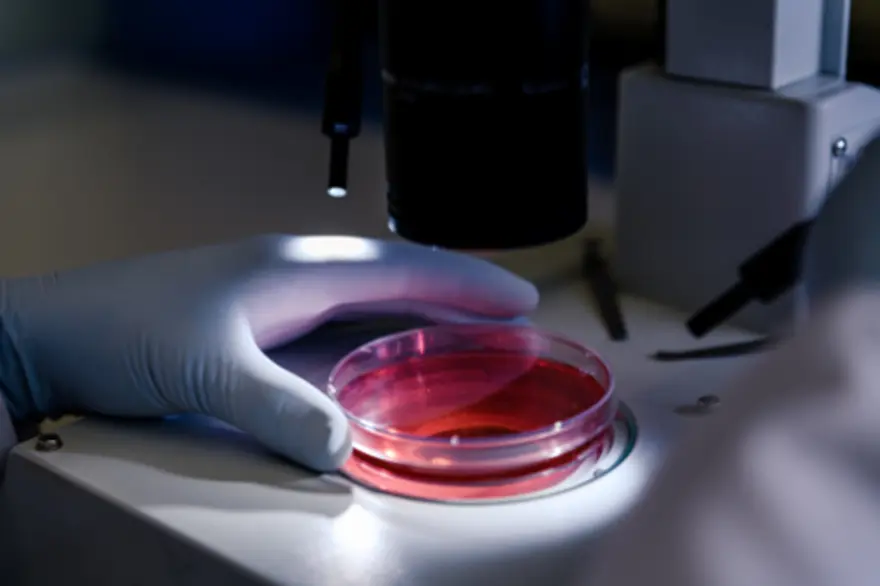
Table of Contents
What is a Biopsy?
A biopsy is a medical procedure that involves removing a small sample of tissue from the body for examination under a microscope. This diagnostic tool plays a crucial role in identifying various diseases, including cancer. By analysing the collected tissue, pathologists can determine the presence, type, and extent of an abnormality, helping healthcare providers make accurate diagnoses and develop appropriate treatment plans.
Why is a Biopsy Done (Purpose)?
- To diagnose or rule out cancer
- To determine the type and stage of cancer
- To assess the effectiveness of cancer treatment
- To investigate abnormal growths or suspicious areas
- To diagnose other diseases or conditions
- To guide treatment decisions based on the biopsy findings
Types of Biopsies
There are various types of biopsy procedures, each with its own purpose, technique, and level of invasiveness. Some common types include:
Needle Biopsy
- Fine-needle aspiration (FNA) uses a thin, hollow needle to extract cells from a suspicious area.
- Core needle biopsy employs a larger needle to remove a small cylinder of tissue.
- Often used for breast, thyroid, and lymph node biopsies
- Can be performed under local anaesthesia in an outpatient setting
Surgical Biopsy
- Incisional biopsy removes a portion of the abnormal tissue for examination.
- An excisional biopsy removes the entire suspicious area along with some surrounding healthy tissue.
- May be performed under local, regional, or general anaesthesia depending on the site and extent of tissue removal; often done in an operating room if larger samples are needed.
- It may be recommended when a larger tissue sample is needed or the area is difficult to access.
Skin Biopsy
- Shave biopsy involves the removal of a thin layer of skin using a sharp blade
- Punch biopsy uses a circular tool to remove a small cylinder of skin
- Excisional biopsy removes the entire suspicious area with a scalpel
- Commonly used to diagnose skin conditions and skin cancers
Endoscopic Biopsy
This procedure involves using a flexible tube with a light and camera (endoscope) to visualise internal organs and collect tissue samples. The endoscope is inserted through a natural opening, such as the mouth or rectum, or through a small incision. Special tools attached to the endoscope allow the doctor to remove small pieces of tissue for examination. Endoscopic biopsies are commonly used to evaluate the digestive tract, lungs, and urinary system.
Bone Marrow Biopsy
This procedure is used to evaluate the health and function of the bone marrow, which is the spongy tissue inside bones that produces blood cells. During the procedure, a needle is inserted into the hip bone to extract a small sample of bone marrow liquid (aspiration) and a small piece of bone tissue (core biopsy). This type of biopsy is essential for diagnosing blood disorders, such as leukaemia and lymphoma, and assessing the effectiveness of cancer treatments.
Image-Guided Biopsy
- Uses imaging techniques, such as ultrasound, CT, or MRI, to guide the biopsy needle
- Allows for precise targeting of suspicious areas, especially in deep or hard-to-reach locations
- Minimises the risk of complications and improves the accuracy of the biopsy
- Commonly used for liver, lung, and prostate biopsies
Liquid Biopsy
Liquid biopsy is an emerging technique that analyses cancer cells or DNA fragments circulating in the blood or other body fluids. According to a study published in ScienceDirect, this non-invasive or minimally invasive approach has the potential to provide valuable information about a patient's cancer without the need for a traditional tissue biopsy. Liquid biopsy is increasingly used in some cancers (e.g., lung, colorectal) for detecting genetic mutations, monitoring treatment response, and tracking recurrence. It is increasingly used in some cancers (e.g., lung, colorectal) to detect genetic mutations, guide targeted treatment, and monitor disease progression or recurrence. However, it cannot fully replace tissue biopsy in most cases and availability is still limited.
How to Prepare for a Biopsy?
- Inform your doctor about any medications, supplements, or herbal remedies you are taking.
- Follow any specific fasting instructions provided by your healthcare team
- Arrange for someone to drive you home if sedation or general anaesthesia will be used.
- Wear loose, comfortable clothing to the appointment
- Remove any jewellery or metal objects that may interfere with imaging tests
What to Expect During the Biopsy?
Step 1: Anaesthesia or Numbing
Before the biopsy procedure begins, the area to be biopsied will be numbed using local anaesthesia. This involves injecting a numbing medication into the skin and surrounding tissue to minimise discomfort during the procedure. In some cases, sedation or general anaesthesia may be used, depending on the type of biopsy and the patient's individual needs.
Step 2: Sample Collection
Once the area is numb, the doctor will use the appropriate technique to collect the tissue sample. This may involve inserting a needle, making a small incision, or using specialised tools through an endoscope. You may feel some pressure or discomfort during this step, but it should not be painful.
Step 3: Sending to Lab
After the tissue sample is collected, it is placed in a preservative solution and sent to our pathology laboratory for analysis. A pathologist then examines the tissue under a microscope to determine the presence, type, and extent of any abnormalities. This process usually takes a few days to a week, depending on the complexity of the case.
Understanding Biopsy Results
Biopsy results provide crucial information about the nature of the tissue sampled and help guide further treatment decisions. The pathologist's report will include details about the tissue's appearance, cellular structure, and any abnormalities found. If cancer is detected, the report may also include information about the cancer type, grade (how aggressive it appears), and stage (how far it has spread).
Benign vs Malignant Results
|
Benign Tumour Results |
Malignant Tumour Results |
|
Indicates that the tissue is non-cancerous |
Confirms the presence of cancer cells |
|
Does not have the potential to spread and grow |
Have the potential to grow and spread |
|
Usually smooth, regular, and often movable |
May appear irregular or uneven and are typically fixed in place |
|
May not require treatment, but monitoring or removal can be recommended depending on the type and location of the benign lesion. |
Require medical treatment such as surgery, chemotherapy, radiation, immunotherapy, or targeted therapy, along with ongoing monitoring. |
Risks and Complications of a Biopsy
While biopsies are generally safe procedures, there are some potential biopsy risks and complications to be aware of:
- Bleeding or bruising at the biopsy site
- Infection, particularly if proper sterile techniques are not followed
- Pain or discomfort during and after the procedure
- Rare damage to nearby tissues or organs, particularly with deep or image-guided biopsies
- Allergic reactions to anaesthesia or other medications used during the procedure
- False-negative results, where an abnormality is present but not detected due to sampling error or tumour heterogeneity
Recovery After a Biopsy
- Rest and avoid strenuous activities for 24-48 hours after the biopsy
- Keep the biopsy site clean and dry to prevent infection
- Apply ice packs, if advised by your healthcare provider, to reduce swelling or discomfort at the biopsy site
- Take over-the-counter pain relievers as needed
- Follow any specific post-biopsy instructions provided by your healthcare team
- Contact your doctor if you experience severe pain, fever, or signs of infection
When to See a Doctor
- Persistent or worsening pain at the biopsy site
- Excessive bleeding or drainage from the incision
- Redness, swelling, or warmth around the biopsy area
- Fever or chills, which may indicate an infection
- Any other concerning symptoms or complications
Conclusion
If you have been advised to undergo a biopsy, it is essential to work closely with your healthcare team and ask any questions you may have about the procedure and its implications.
At Metropolis Healthcare, our team of skilled pathologists and technicians is committed to providing accurate, timely biopsy results to help guide your treatment decisions. As India’s trusted diagnostics brand, we offer NABL- & CAP-accredited labs across 28 states, 7 union territories and over 750 towns across the country. With convenient options like home sample collection and online access to results, Metropolis makes diagnosis simple, accessible, and trustworthy.
FAQs
Is a biopsy painful?
Most biopsies are performed under local anaesthesia, which numbs the area and minimises discomfort. You may feel some pressure or a brief pinch during the procedure, but it should not be painful. If you experience significant pain, inform your doctor immediately.
How long does it take to get biopsy results?
The time it takes to receive biopsy results varies depending on the type of biopsy and the complexity of the case. In general, results are available within a few days to a week.
Does a biopsy mean I have cancer?
Not necessarily. While biopsies are often used for cancer diagnosis, they are also performed to investigate other conditions and abnormalities. A biopsy can help rule out cancer or confirm its presence, type, and extent.
Are there non-invasive alternatives to a biopsy?
In some cases, non-invasive imaging tests such as an ultrasound may provide enough information to make a diagnosis without a biopsy. However, these tests cannot always differentiate between benign and malignant growths, and a biopsy may still be necessary for a definitive diagnosis.
Can a biopsy cause cancer to spread?
There is a very slight risk that a biopsy procedure could cause cancer cells to spread, but this is extremely rare. The benefits of obtaining an accurate diagnosis through a biopsy far outweigh this minimal risk.
References
- https://pmc.ncbi.nlm.nih.gov/articles/PMC10285278/
- https://www.sciencedirect.com/science/article/pii/S193652332300102X?via%3Dihub
- https://my.clevelandclinic.org/health/diagnostics/15458-biopsy-overview
- https://www.mayoclinic.org/tests-procedures/skin-biopsy/about/pac-20384634
- https://www.radiologyinfo.org/en/info/biopgen
- https://www.cancercenter.com/community/blog/2023/01/whats-the-difference-benign-vs-malignant-tumors