Home Visit
 Upload






Preventive Healthcare
Autonomic Nervous System: What It Is & How It Works
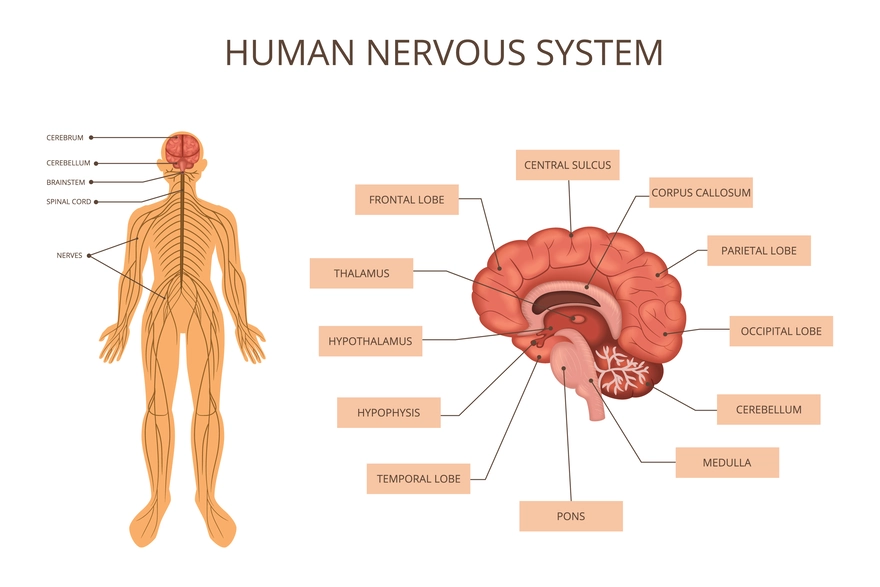
Table of Contents
- What Is the Autonomic Nervous System (ANS)?
- What Is the Autonomic Nervous System Made Of?
- How the Autonomic Nervous System Works
- Autonomic Nervous System Functions
- Divisions of the Autonomic Nervous System
- What Does the Autonomic Nervous System Do?
- Where Is the Autonomic Nervous System Located?
- What Are the Common Conditions and Disorders that Affect the Autonomic Nervous System?
- Common Signs That Something Could Be Wrong with the Autonomic Nervous System
- What Conditions Affect the Autonomic Nervous System?
- How Can You Keep Your Autonomic Nervous System Healthy?
- Diagnostic Tests for ANS Disorders
- Conclusion: The ANS – Your Body's Silent Regulator
- FAQs
What Is the Autonomic Nervous System (ANS)?
The autonomic nervous system is the part of your nervous system that runs life-sustaining processes automatically, without you having to think about them. It's a body-wide network of nerves that continuously adjusts the activity of your internal organs to maintain balance (homeostasis) and meet your body's changing needs.
The ANS operates largely outside your conscious control, rapidly sending signals to organs and glands. It regulates functions like heart rate, blood pressure, digestion, metabolism, body temperature, and pupil response to light. Breathing is primarily under voluntary control, but the ANS adjusts respiratory rate automatically when needed.
What Is the Autonomic Nervous System Made Of?
The autonomic nervous system anatomy consists of nerve pathways that begin in your brainstem and spinal cord, spreading across the body. These nerves are relayed in clusters called autonomic ganglia before connecting to your organs.
The ANS uses a two-neurone chain mainly:
- Preganglionic neurones that originate in the brainstem or spinal cord.
- Postganglionic neurones that start in the ganglia and reach the target organ.
Moreover, autonomic fibres run in certain cranial nerves (III, VII, IX, X) and in thoracic, lumbar, and sacral spinal nerves. They travel to the eyes, salivary and tear glands, heart, lungs, digestive tract, and other organs throughout your body.
How the Autonomic Nervous System Works
Your hypothalamus, which is located in the brain, plays a central role in coordinating the functions of the ANS. While not technically part of the autonomic nervous system itself, the hypothalamus is crucial for ANS control. It integrates signals from your body and brain and adjusts organ activity to maintain internal stability.
The ANS has two complementary branches that work together:
- Sympathetic division: Stimulates "fight-or-flight" responses when you're stressed.
- Parasympathetic division: Promotes "rest-and-digest" functions and recovery.
Autonomic signals travel automatically along the two-neurone pathways. Sympathetic ganglia lie alongside the spinal cord, while parasympathetic ganglia are located near or within the organs they control.
Autonomic Nervous System Functions
The major purpose of the ANS is to regulate body functions. These functions of the ANS include:
- Cardiovascular system: Adjusting heart rate and blood pressure to match your activity level
- Respiratory system: Controlling breathing rate and airway diameter
- Digestive system: Regulates stomach and intestinal movement, secretions, and absorption
- Eyes: Adjusting pupil size and lens focus
- Glands: Governing sweating, salivation, and mucus production
- Urinary and reproductive systems: Modulating urine production, bladder emptying, and sexual responses
- Body temperature: Controlling skin blood flow and sweating to cool you or conserve heat
Divisions of the Autonomic Nervous System
The ANS has two main divisions that work in balance: the sympathetic and parasympathetic nervous systems. A third component, the enteric nervous system, is sometimes considered part of the ANS as well.
Sympathetic Nervous System
The sympathetic nervous system prepares your body for stressful situations or emergencies - the "fight-or-flight" response. When activated, it increases heart rate and blood pressure, dilates airways and pupils, diverts blood to your muscles, and mobilises energy stores. Sympathetic ganglia are mainly located in chains along the outside of your spinal cord, with pathways originating from the thoracic and lumbar regions.
Parasympathetic Nervous System
The parasympathetic system counterbalances the sympathetic division. It promotes "rest-and-digest" functions, slowing your heart rate, stimulating digestion, and supporting recovery and energy conservation. Parasympathetic outflow comes from cranial nerves III, VII, IX, and X and sacral spinal nerves. Its ganglia lie close to or within the target organs.
Enteric Nervous System
The enteric nervous system is a semi-autonomous network of neurones within the walls of your gastrointestinal tract. It coordinates gut motility, secretion, and blood flow. While it can function independently, the enteric system communicates with the sympathetic and parasympathetic divisions to manage digestion.
What Does the Autonomic Nervous System Do?
The autonomic nervous system works continuously to keep your internal environment stable. It automatically adjusts organ function to match your body's state, whether you're resting, eating, standing, exercising, or facing a threat. The ANS makes rapid changes (within seconds to minutes) in your cardiovascular, respiratory, and metabolic functions to maintain homeostasis.
Where Is the Autonomic Nervous System Located?
The ANS extends throughout your body. It has two main divisions (sympathetic and parasympathetic), and its control centres and pathways are located in different regions:
- Central Structures: The hypothalamus in the brain is the main regulator of autonomic functions. The brainstem controls heart rate, blood pressure, breathing, and digestion. And the spinal cord houses autonomic nerve cell bodies and pathways.
- Peripheral Pathways: The Sympathetic Nervous System (SNS) and the Parasympathetic Nervous System (PNS) are the nerve cell bodies located in the thoracolumbar region of the spinal cord and the craniosacral regions, extending throughout your body.
- Target Organs & Ganglia: The ANS connects via autonomic ganglia (clusters of nerve cells outside the spinal cord) to regulate various organs, glands, and blood vessels.
What Are the Common Conditions and Disorders that Affect the Autonomic Nervous System?
Autonomic nervous disorders, collectively called dysautonomia, occur when ANS function is disrupted.
Some common conditions include:
- Orthostatic hypotension and postural orthostatic tachycardia syndrome (POTS): Abnormal blood pressure or heart rate changes upon standing
- Autonomic neuropathies: Often due to diabetes, autoimmune diseases, or toxins, they affect sweating, blood pressure, heart rate, and digestion.
- Neurodegenerative disorders: Disorders like Parkinson's and multiple system atrophy with autonomic failure
- Bladder and sexual dysfunction, abnormal sweating, and digestive problems
Common Signs That Something Could Be Wrong with the Autonomic Nervous System
If you experience any of these symptoms, it could indicate an autonomic nervous system issue:
- Dizziness, fainting, or rapid heartbeat when standing up
- Unexplained shortness of breath or chest discomfort during activity, unrelated to blocked arteries
- Heat intolerance or abnormal sweating
- Nausea, bloating, diarrhoea, constipation, or feeling full quickly
- Problems with urination or sexual function
- Very dilated or constricted pupils, dry eyes, or mouth
What Conditions Affect the Autonomic Nervous System?
Many factors can contribute to autonomic nervous disorders, including:
- Diabetes, autoimmune diseases, and infections
- Spinal cord injuries
- Certain medications, alcohol misuse
- Ageing and neurodegenerative diseases like Parkinson's
Often, autonomic issues are secondary to another condition. Treating the underlying cause may reverse the autonomic symptoms.
How Can You Keep Your Autonomic Nervous System Healthy?
To support your autonomic nervous system health, try these tips:
- Manage conditions like diabetes and high blood pressure.
- Stay hydrated and wear compression garments if you have orthostatic symptoms.
- Exercise regularly, manage stress, and maintain a balanced diet.
- Avoid excessive stimulants like caffeine, alcohol, and nicotine, which can overstimulate the system.
- Adequate restorative sleep is essential for resetting ANS balance.
- Work with your doctor to adjust medications that worsen autonomic symptoms.
- Get timely check-ups for dizziness, fainting, abnormal sweating, or digestive changes.
Diagnostic Tests for ANS Disorders
If you have signs of autonomic dysfunction, your doctor may recommend ANS diagnostic tests such as:
- Checking blood pressure and heart rate while lying, sitting, and standing (orthostatic vital signs)
- Tilt table testing to evaluate blood pressure and heart rate responses
- Breathing tests to assess heart rate variability
- Valsalva maneuver to check cardiovascular responses to breath holding.
- QSART to measure sweat output
- Gastric emptying studies, urodynamic testing, or nerve conduction studies based on your symptoms
- Blood tests for underlying conditions like diabetes
Conclusion: The ANS – Your Body's Silent Regulator
The autonomic nervous system is your body's unsung hero, fine-tuning your organ function every second to keep you alive and well. Recognising signs of ANS disorders and seeking timely care can help prevent complications and improve your quality of life. If you have symptoms of autonomic dysfunction, consider consulting with Metropolis Healthcare. With a network of advanced diagnostic labs across India, Metropolis offers comprehensive evaluations to identify ANS issues.
FAQs
What is another name for the autonomic nervous system?
The autonomic nervous system (ANS) is also called the involuntary nervous system because it controls functions that occur without conscious effort.
What is the main role of the autonomic nervous system?
The main role of the autonomic nervous system is to regulate vital body functions like heart rate, breathing, digestion, and temperature control.
What is the main function of the autonomic nervous system?
The ANS maintains homeostasis—a stable internal environment—by adjusting bodily processes automatically in response to internal and external changes.
What are the two types of autonomic nervous systems?
The ANS has two main divisions: the sympathetic system, which triggers the “fight or flight” response, and the parasympathetic system, which promotes “rest and digest” functions.
What causes autonomic nervous system dysfunction?
The causes of ANS dysfunction include diabetes, autoimmune diseases, nerve damage, infections, and certain medications. Sometimes, the cause even remains unknown.
Is autonomic dysfunction curable?
Some forms of autonomic nervous dysfunction are reversible if the underlying cause is treated, while others require long-term management to control symptoms.
How do I know if my autonomic nervous system is not working properly?
Symptoms may include dizziness, fainting, abnormal heart rate, digestive issues, or difficulty regulating temperature.
Can stress affect the autonomic nervous system?
Yes, chronic stress can overactivate the sympathetic system, leading to imbalances and health problems over time.
What’s the difference between the autonomic and somatic nervous systems?
The autonomic nervous system controls involuntary actions, while the somatic system manages voluntary muscle movements.
Are there any lifestyle changes to support ANS health?
Yes—regular exercise, a balanced diet, adequate sleep, stress management, and staying hydrated can promote a healthy ANS.