Home Visit
 Upload






Preventive Healthcare
Acid Peptic Disease: Causes, Symptoms, and Treatment
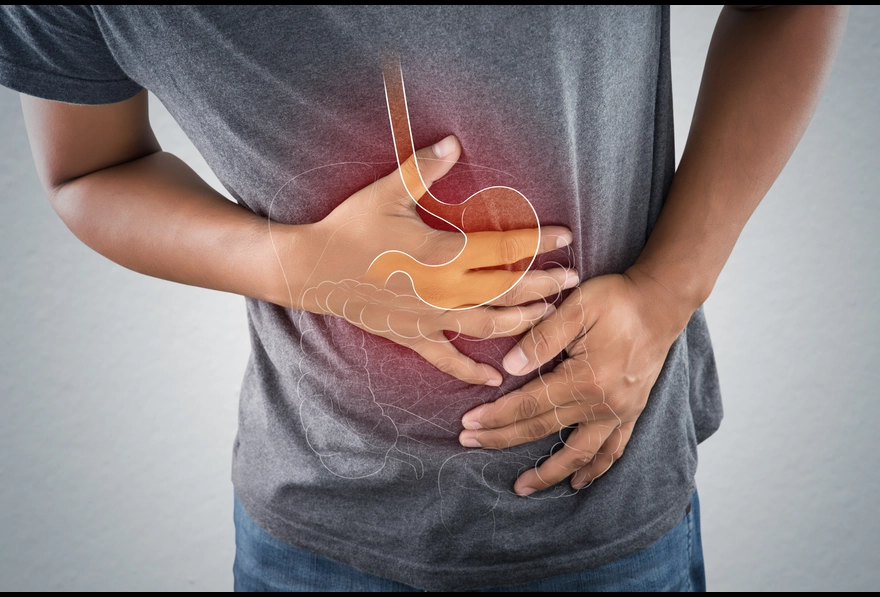
Table of Contents
- What is Acid Peptic Disease?
- Types of Peptic Ulcers
- Signs and Symptoms of Acid Peptic Disease
- Causes Of Peptic Acid Disease
- Treatment for Acid Peptic Disease
- How is Acid Peptic Disease Diagnosed?
- How Can I Lower my Risk of Acid Peptic Disease?
- What is the Prognosis after Treatment for Acid Peptic Disease?
- Conclusion
If you have been dealing with burning in your chest, stomach pain, or discomfort after meals, you might be experiencing symptoms of acid peptic disease. This condition affects many people and can be managed well with the right knowledge and care. By understanding what causes it and recognising the signs early, you can take steps to feel better and protect your digestive health.
This guide will help you learn about common symptoms, possible causes, and simple home remedies that may ease discomfort and support your recovery.
What is Acid Peptic Disease?
Acid peptic disease refers to a group of conditions where excessive acid in your stomach affects the lining of your digestive tract. It includes gastritis, gastric ulcers, duodenal ulcers, and gastroesophageal reflux disease (GERD). These conditions can lead to symptoms like discomfort after meals, bloating, or a burning sensation in your chest or stomach.
While it might sound worrying, most cases respond well to simple lifestyle changes, medicines, and timely care. Understanding what causes the condition and spotting symptoms early can help you manage it effectively.
Types of Peptic Ulcers
Peptic ulcers are open sores that develop inside your digestive tract due to acid erosion. There are several types, each affecting a different part of your system.
- Gastric Ulcers: These ulcers form in the lining of your stomach. They are often linked to the use of nonsteroidal anti-inflammatory drugs (NSAIDs) or Helicobacter pylori infection. Gastric ulcers can cause discomfort, especially during or after meals.
- Duodenal Ulcers: These are found in the upper part of the small intestine (duodenum). Pain from these ulcers may feel worse on an empty stomach and can improve after eating. They’re more common than gastric ulcers.
- Oesophageal Ulcers: These develop in your food pipe, usually due to long-term acid reflux. You might feel pain when swallowing, and in some cases, it can lead to irritation or bleeding.
- Stress Ulcers: These are less common and usually seen in people with serious illnesses. They tend to appear in the stomach or duodenum as a result of physical stress or injury.
How Common is Acid Peptic Disease?
Acid peptic disease is a fairly common condition and can affect anyone regardless of age or gender. You might be surprised to know that millions of people worldwide experience symptoms at some point in their lives. It’s often triggered by a mix of lifestyle factors, stress, infections, or medications.
The good news is that it’s highly manageable when addressed early. If you’re noticing frequent indigestion or discomfort, it’s worth exploring further. Many people find relief through simple changes and support from healthcare professionals.
Signs and Symptoms of Acid Peptic Disease
The signs of acid peptic disease can vary from person to person. Some people may experience mild discomfort, while others may have more noticeable symptoms. Recognising these signs early can help in effective management and treatment.
- Burning Sensation in the Chest or Stomach: This is often described as heartburn. It may worsen after eating or when lying down and is a key indicator of excessive acid.
- Upper Abdominal Pain: A dull or sharp pain in the upper abdomen, often after meals, is common and may suggest irritation or ulcers.
- Nausea or Vomiting: You may feel sick after eating, and in some cases, vomit if the stomach lining is irritated.
- Bloating and Fullness: A feeling of heaviness or fullness, especially after small meals, can occur due to delayed digestion.
- Loss of Appetite: Persistent discomfort or nausea may lead to reduced interest in eating.
- Unexplained Weight Loss: If you’re eating less due to pain or discomfort, weight loss may follow over time.
- Sour Taste in the Mouth: Reflux of stomach acid can leave a bitter or sour aftertaste, especially when you lie down.
- Dark or Bloody Stools: This could be a sign of bleeding ulcers and should be checked by a doctor promptly.
These acid peptic disease symptoms may come and go. If you notice any of them repeatedly, don’t ignore them. Seeking help early can prevent complications.
Causes Of Peptic Acid Disease
Understanding the acid peptic disease causes can help you avoid potential triggers and manage your health better. Several factors contribute to this condition, often working together to affect your digestive system.
- Helicobacter pylori (H. pylori) Infection: This bacterium is a common cause of ulcers. It weakens the stomach’s protective lining, allowing acid to cause damage.
- Use of NSAIDs: Medications like aspirin or ibuprofen can irritate the stomach lining if used regularly, leading to ulcers or gastritis.
- Smoking: Tobacco affects stomach acid production and weakens the lining, making you more prone to ulcers.
- Stress: While stress alone doesn’t cause ulcers, it can worsen symptoms and slow down healing by affecting digestion.
- Excessive Alcohol Use: Alcohol irritates and erodes the stomach lining, increasing the risk of inflammation and ulcers.
- Spicy or Acidic Foods: While not a direct cause, these can irritate existing ulcers or worsen your discomfort.
- Family History: If ulcers or digestive conditions run in your family, you may be at higher risk.
- Other Medical Conditions: Certain illnesses like liver disease or Crohn’s disease may contribute to acid peptic disease causes as well.
Treatment for Acid Peptic Disease
When it comes to acid peptic disease treatment, there are several effective options that can help you feel better and promote healing. Your doctor may recommend a combination of medicines and lifestyle changes tailored to your needs.
- Proton Pump Inhibitors (PPIs): These reduce the amount of acid your stomach makes, giving your body time to heal. Common examples include omeprazole and lansoprazole.
- H2 Receptor Blockers: Medicines like famotidine help decrease acid production, especially helpful if taken before meals or bedtime.
- Antacids: These provide quick relief by neutralising stomach acid. They’re often used for occasional symptoms but may not address the root cause.
- Antibiotics for H. pylori: If your condition is linked to a bacterial infection, a course of antibiotics may be needed to eliminate it.
- Avoiding NSAIDs: Switching to safer pain relief options can prevent further irritation to your stomach lining.
- Dietary Changes: Eating smaller meals, avoiding spicy or acidic foods, and eating slowly can ease your symptoms.
- Stress Management: Techniques like yoga, mindfulness, or gentle walks can support your overall wellbeing and reduce flare-ups.
- Quitting Smoking and Reducing Alcohol: Both can interfere with healing and should be avoided for better outcomes.
With the right approach, most people respond well to acid peptic disease treatment and see significant improvement in a few weeks.
How is Acid Peptic Disease Diagnosed?
Diagnosing acid peptic disease involves a few simple tests. Your doctor will start by asking about your symptoms and medical history, followed by physical checks. If needed, tests can confirm the diagnosis and rule out other conditions.
- Upper GI Endoscopy: A thin tube with a camera is inserted through your mouth to examine your stomach and upper intestine. This helps detect ulcers or inflammation.
- H. pylori Testing: This includes breath, stool, or blood tests to check for the infection commonly linked to ulcers.
- Barium Swallow X-ray: You’ll drink a contrast liquid, and X-rays will highlight any abnormalities in your digestive tract.
- Stool Test: Can help detect hidden blood, which may suggest bleeding ulcers or inflammation.
- Blood Tests: Used to assess anaemia or other signs of long-term irritation or bleeding.
These tests are usually straightforward and safe. Identifying the cause early makes managing your condition much easier and more effective.
How Can I Lower my Risk of Acid Peptic Disease?
Preventing acid peptic disease is possible by adopting small but meaningful changes in your daily life. These habits can help protect your stomach lining and reduce the likelihood of future issues.
- Eat Balanced Meals: Avoid skipping meals and try to eat slowly and mindfully.
- Limit NSAID Use: Only take painkillers when needed and as advised by your doctor.
- Avoid Smoking and Excess Alcohol: Both can increase stomach acid and slow healing.
- Manage Stress: Gentle exercise, hobbies, or breathing exercises can help reduce digestive flare-ups.
- Watch Trigger Foods: Reduce intake of spicy, fried, or acidic foods that may worsen your symptoms.
These steps not only reduce your risk but also support long-term digestive comfort and wellbeing.
What is the Prognosis after Treatment for Acid Peptic Disease?
The outlook after treatment for acid peptic disease is generally very positive. With early diagnosis and a tailored treatment plan, most people see significant improvement in a few weeks. Healing depends on the cause, how early it was addressed, and how well you follow your care plan.
- Healing Rates are High: Most ulcers heal within 4–8 weeks with proper medication.
- Long-Term Management is Key: Sticking to lifestyle changes helps prevent the condition from returning.
- H. pylori Eradication is Effective: Once the infection is treated, the risk of recurrence drops significantly.
- Monitoring Helps: Regular check-ups ensure your treatment stays on track and symptoms don’t return.
- Quality of Life Improves: With symptoms under control, many people return to normal routines with ease.
By following medical advice and being mindful of your habits, you can look forward to a healthy and comfortable recovery.
Conclusion
Understanding acid peptic disease helps you take the right steps toward relief and long-term comfort. Recognising symptoms early and managing triggers can make a big difference. Whether it’s through lifestyle changes or treatment, your health can improve with the right care.
To confirm a diagnosis or monitor your progress, accurate testing is important. You can trust Metropolis Healthcare, known for its reliable diagnostic services and home sample collection, to support your journey toward better digestive health.