Home Visit
 Upload






Preventive Healthcare
Small Intestine Cancer: Causes, Symptoms, And Treatment
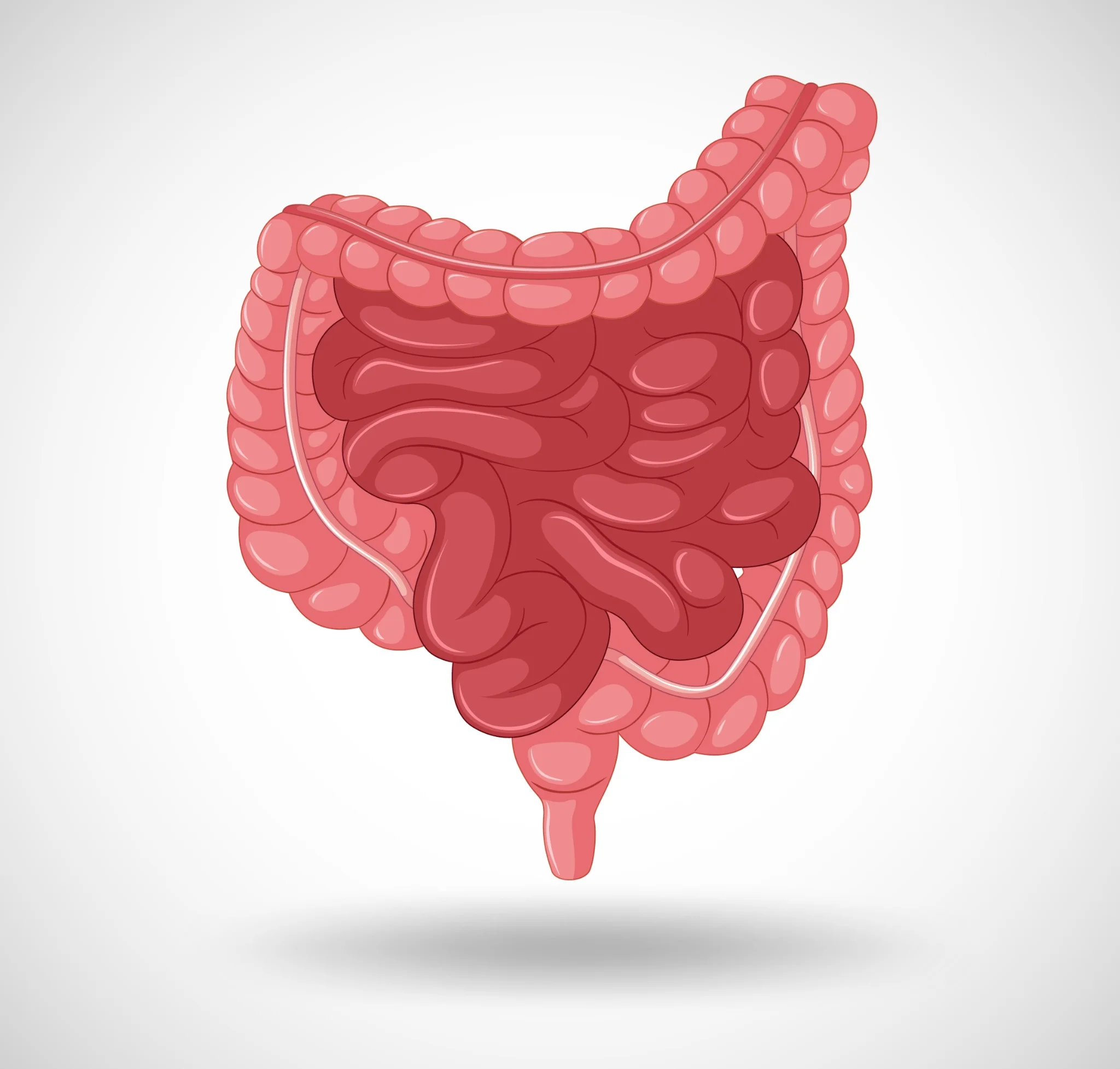
Table of Contents
- What Is Small Intestine Cancer?
- Types of Small Intestine Cancer
- What Causes Small Intestine Cancer?
- Symptoms of Small Intestine Cancer
- How Is Small Intestine Cancer Diagnosed?
- Diagnostic and Imaging Tests for Small Intestine Cancer
- Treatment Options for Small Intestine Cancer
- Living with Small Intestine Cancer
- Prognosis and Survival Outlook for Small Intestine Cancer
- Can Small Intestine Cancer Be Prevented?
- Conclusion
- FAQ
- References
What Is Small Intestine Cancer?
Small intestine cancer, also known as small bowel cancer, is a rare condition that begins in the tissues of the small intestine — a long, coiled tube responsible for digesting food and absorbing nutrients.
Small intestine cancer refers to the uncontrolled growth of abnormal cells in the small bowel. These cancerous cells can form tumours that interfere with digestion, block food passage, or spread to other organs. Although it is much rarer than colon or rectal cancer, recognising its early warning signs is equally important. When detected early, treatment outcomes are often better, making awareness crucial.
According to a study published by the National Institutes of Health (NIH), although the small intestine makes up most of the digestive tract, small intestine cancer is extremely rare worldwide. It has a global incidence of less than 1 case per 100,000 people, accounting for approximately 0.4% of all cancers worldwide.
Types of Small Intestine Cancer
Small intestine cancer can develop in several forms, depending on the type of cells involved:
- Adenocarcinoma: This is the most common type and starts in the glandular cells lining the small intestine. It usually develops in the duodenum and is often linked to long-standing inflammation or underlying bowel conditions.
- Sarcoma: Sarcomas arise from the connective tissues — such as muscle, fat, or blood vessels — within the intestinal wall. Gastrointestinal stromal tumours (GISTs) are the most common form and may cause bleeding or obstruction.
- Neuroendocrine Tumours (NETs): These tumours form in hormone-producing cells of the intestine and tend to grow slowly. Symptoms may appear late, and many NETs are detected incidentally during imaging.
- Lymphoma: Lymphomas begin in the immune cells present in the intestinal lining, often affecting the jejunum or ileum. They are more common in people with weakened immunity or chronic inflammatory conditions.
Each type behaves differently and may require a unique treatment approach.
What Causes Small Intestine Cancer?
The exact cause of small intestine cancer is still not fully understood, but certain factors are known to increase risk. Cancer develops when normal cells undergo changes in their DNA, causing them to grow uncontrollably. Chronic inflammation, certain digestive disorders, and inherited genetic syndromes can contribute to these cellular changes.
People with long-standing inflammatory bowel disease (such as Crohn’s disease) have a higher risk because constant inflammation can damage the intestinal lining over time. Exposure to harmful chemicals, ageing, and diets low in fibre may also contribute to tumour formation.
Symptoms of Small Intestine Cancer
Symptoms may appear gradually and are often mistaken for common digestive issues. However, persistent or worsening symptoms deserve medical attention. Common signs to watch for:
1. Abdominal Pain or Cramps: Recurring pain or cramping in the abdomen is one of the earliest signs. It may worsen after meals or as the tumour grows.
2. Unexplained Weight Loss: Many people lose weight without trying because the body cannot absorb nutrients properly. Reduced appetite or tumour-related metabolic changes also contribute.
3. Nausea and Vomiting: Blockage or narrowing of the intestine can cause persistent nausea. Vomiting may occur, especially after eating or if the tumour obstructs the food passage.
4. Persistent Fatigue: You may feel unusually tired due to poor nutrient absorption or chronic blood loss. Fatigue often worsens if anaemia develops.
5. Blood or Dark Colour in Stools: Tumours can bleed slowly into the intestine, leading to tarry, dark stools. In some cases, visible bleeding may also appear.
6. Changes in Bowel Habits: Diarrhoea, constipation, or alternating patterns can occur as the tumour disrupts normal digestion. These symptoms often persist for weeks.
7. Feeling Full Quickly: Even small meals can make you feel bloated or full when a tumour narrows the intestine. This can also contribute to reduced food intake and weight loss.
8. Jaundice: Yellowing of the skin or eyes may occur if the tumour blocks the bile ducts. It is more common when cancer develops in the duodenum.
If these symptoms continue for several weeks, you should consider speaking with a doctor.
How Is Small Intestine Cancer Diagnosed?
Diagnosing small intestine cancer often begins with a detailed evaluation of your symptoms, medical history, and physical examination. Since the condition is rare and symptoms resemble other digestive problems, doctors use a combination of laboratory tests and imaging techniques to confirm the diagnosis. Early detection can significantly improve treatment outcomes.
Diagnostic and Imaging Tests for Small Intestine Cancer
Doctors may recommend one or more of the following tests:
- CT Scan: A CT scan provides detailed cross-sectional images of the abdomen to detect tumours, blockages, or spread of cancer. It is usually one of the first imaging tests recommended.
- MRI (Magnetic Resonance Imaging): MRI provides high-resolution soft tissue images, helping assess tumour size and local invasion. It is especially useful when CT findings need further clarity.
- Endoscopy: A flexible tube with a camera is inserted through the mouth to visualise the upper part of the small intestine. It helps identify abnormal growths and allows biopsy collection.
- Capsule Endoscopy: You swallow a pill-sized camera that captures thousands of images throughout the small intestine. It is particularly helpful for detecting small or hard-to-reach tumours.
- Biopsy: A small tissue sample is taken during endoscopy or imaging-guided procedures. This is the only definitive way to confirm the presence and type of cancer cells.
- PET Scan (Positron Emission Tomography): A PET scan detects areas of high metabolic activity, helping determine if cancer has spread. It is often used in staging and treatment planning.
These tests help determine the type, stage, and extent of cancer.
Treatment Options for Small Intestine Cancer
Treatment depends on the type of cancer, its location, its stage, and your overall health. Here are the most common options:
Surgery for Small Intestine Cancer
- Surgery is the primary treatment for early-stage small intestine cancer, removing the tumour along with a margin of healthy tissue.
- Nearby lymph nodes are often removed to check for cancer spread and help reduce the risk of recurrence.
- In cases where the tumour causes a blockage, surgery can help restore normal food passage and relieve symptoms.
Chemotherapy and Radiation Therapy
- Chemotherapy uses potent drugs to kill or inhibit the growth of cancer cells and may be given before surgery to shrink tumours or after surgery to prevent recurrence.
- Radiation therapy uses high-energy beams to target cancer cells, especially when surgery is not possible or to relieve pain in advanced cases.
- In some treatment plans, chemotherapy and radiation are combined to increase effectiveness, particularly for aggressive or advanced tumours.
Targeted Therapy for Small Intestine Cancer
- Targeted therapy acts on specific genes or proteins that promote cancer growth, offering a more focused approach with potentially fewer side effects.
- This therapy is particularly effective for certain tumour types, such as GISTs and neuroendocrine tumours with identifiable molecular targets.
- Doctors may use targeted therapy when cancer does not respond to standard chemotherapy or when precision treatment is required for advanced disease.
Living with Small Intestine Cancer
Living with small intestine cancer can be challenging, but supportive care can play a big role in maintaining quality of life.
- Attend regular follow-ups to monitor recovery and manage symptoms early.
- Eat small, nutritious meals to support digestion and maintain energy.
- Stay gently active as advised to improve strength and well-being.
- Manage side effects with proper medical guidance and supportive care.
- Seek emotional support from family, counsellors, or support groups.
Prognosis and Survival Outlook for Small Intestine Cancer
Prognosis depends on the type of tumour, stage at diagnosis, and response to treatment. Early-stage cancers that are confined to the intestine typically have better outcomes compared to cancers that have spread to other organs. Neuroendocrine tumours generally grow more slowly and often have a better survival rate. Your doctor will provide personalised guidance based on your specific case.
Can Small Intestine Cancer Be Prevented?
While it may not be fully preventable, you can reduce risk by adopting healthy lifestyle practices. Eating a fibre-rich diet, avoiding smoking, limiting alcohol, and maintaining a healthy body weight support digestive health. Managing chronic conditions like inflammatory bowel disease and staying aware of genetic conditions that run in the family can also help with early detection and prevention.
Conclusion
Small intestine cancer may be uncommon, but early awareness, timely screening, and accurate diagnosis can make a meaningful difference in outcomes. If you notice persistent digestive symptoms, getting the right tests at the right time is an important step toward safeguarding your health.
Metropolis Healthcare supports you with 4,000+ advanced tests, full-body checkups, and speciality diagnostics, all backed by highly accurate results and quick turnaround times. With 10,000+ touchpoints, a trusted team of phlebotomists, and easy booking through our website, app, WhatsApp, or a simple call, you can access quality diagnostic care exactly when you need it, right from the comfort of your home.
FAQ
What are the first signs of small intestine cancer?
Early signs may include abdominal pain, nausea, weight loss, fatigue, or unexplained changes in bowel habits. Because these symptoms overlap with other digestive issues, it is important to monitor how long they persist.
How is small intestine cancer treated?
Treatment may include surgery, chemotherapy, radiation therapy, or targeted drugs. Your doctor will recommend a personalised plan based on the cancer type and stage.
Can small intestine cancer spread?
Yes. Like many cancers, small intestine cancer can spread to nearby lymph nodes, the liver, or other organs if not detected early.
Is small intestine cancer curable?
Small intestine cancer is curable in many cases, especially when detected early and treated promptly. Outcomes depend on tumour type, stage, and overall health.
References
- https://pmc.ncbi.nlm.nih.gov/articles/PMC3069308/
- https://my.clevelandclinic.org/health/diseases/6225-small-intestine-cancer
- https://www.mayoclinic.org/diseases-conditions/small-bowel-cancer/symptoms-causes/syc-20352497