Home Visit
 Upload






Preventive Healthcare
Urge Incontinence: Bladder Control Tips & Treatment Options
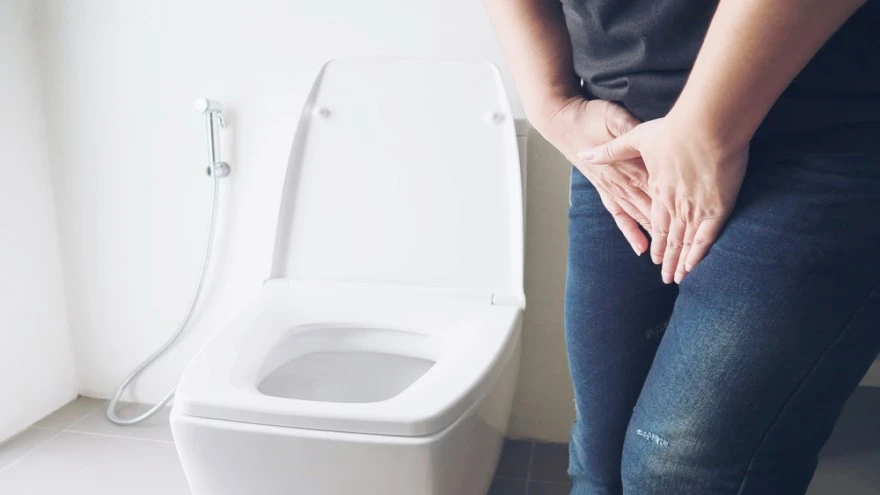
Table of Contents
- What is Urge Incontinence?
- Causes of Urge Incontinence
- Urge Incontinence Symptoms and Warning Signs
- Diagnosis of Urge Incontinence
- Diagnostic and Imaging Tests for Urge Incontinence
- Treatment Options for Urge Incontinence
- Lifestyle Changes for Better Bladder Control
- Medications for Urge Incontinence
- Prevention of Urge Incontinence
- Living with Urge Incontinence
- FAQs
What is Urge Incontinence?
Urge incontinence is a form of urinary incontinence characterised by a sudden, compelling urge to urinate that is difficult to defer, often followed by involuntary leakage of urine. When you have urge incontinence, the bladder muscles contract abnormally, sometimes even when the bladder contains only a small amount of urine. This makes it difficult to hold in urine long enough to reach the toilet.
Urge incontinence can significantly impact daily activities and quality of life, especially if the episodes are frequent or severe. However, with the right treatment and management strategies, it is possible to regain bladder control and improve your overall well-being.
Types of Urinary Incontinence
- Urge incontinence: Sudden, strong urge to urinate with involuntary leakage
- Stress incontinence: Leakage that occurs during activities that increase abdominal pressure, such as coughing, sneezing, or lifting
- Overflow incontinence: Bladder does not empty properly, causing frequent or constant dribbling of urine
- Mixed incontinence: Combination of symptoms of both urge and stress incontinence
- Functional incontinence: Inability to get to the toilet in time due to physical or cognitive impairments
Urge Incontinence vs Overactive Bladder
Urge incontinence and overactive bladder (OAB) are closely related but not identical conditions. Both involve a sudden, compelling need to urinate. However, urge incontinence specifically refers to episodes where this urge leads to involuntary leakage of urine.
In contrast, overactive bladder is a broader term describing urinary urgency, often with increased frequency and nocturia (nighttime urination), but it does not always include leakage. It's important to understand the distinction between these two conditions when discussing symptoms with your doctor.
Causes of Urge Incontinence
- Neurological disorders: Conditions such as stroke, multiple sclerosis, Parkinson's disease, and spinal cord injury can disrupt nerve signals between the brain and bladder.
- Bladder irritation: Infections, stones, inflammation, or tumours in the bladder can cause irritation and lead to urge incontinence.
- Bladder outlet obstruction: In men, an enlarged prostate (benign prostatic hyperplasia) can cause obstruction and urinary urgency; in women, pelvic organ prolapse may contribute to similar symptoms.
- Age-related changes: With ageing, the bladder wall may become overactive or less elastic, and pelvic floor muscles may weaken, contributing to urge symptoms.
- Medications: Certain medications, such as diuretics or sedatives, can increase urinary frequency and urgency.
- Bladder muscle overactivity: The detrusor muscle in the bladder wall may contract involuntarily, either due to an underlying condition or for unknown reasons.
- Pelvic surgery or radiation: Previous pelvic surgeries or radiation therapy can affect bladder function.
In many cases, no specific cause is found for urge incontinence. However, identifying any underlying factors can help guide treatment decisions.
Urge Incontinence Symptoms and Warning Signs
- Sudden, intense urge to urinate that is difficult to control
- Involuntary loss of urine immediately following the urge
- Frequent urination, often more than eight times per day
- Nocturia, or waking up more than once at night to urinate
- Leaking urine when hearing or touching running water
- Large volume of urine lost during leakage episodes
- Little or no warning before leakage occurs
Diagnosis of Urge Incontinence
Diagnosing urge incontinence involves a comprehensive evaluation of your medical history, physical examination, and assessment of symptoms. Your doctor will ask about your urinary habits, the onset and severity of symptoms, any associated conditions, medication use, and previous surgeries or neurological issues.
During the physical examination, your doctor will evaluate your abdomen, pelvic organs, and nervous system for any abnormalities. They may also ask you to keep a bladder diary. According to the Urology Care Foundation, the bladder diary includes recording your fluid intake, urination times, urine amounts, and any leakage episodes. This information can help identify patterns and triggers for your symptoms.
Diagnostic and Imaging Tests for Urge Incontinence
To further assess your condition and rule out underlying causes, your doctor may recommend the following tests:
- Urinalysis and urine culture, such as Urine Routine Test (Urine R/M Test), to check for urinary tract infection or blood in the urine
- Urine Culture and Sensitivity Test to identify urinary tract infections (UTIs) and the specific bacteria causing infection
- Post-void residual measurement to assess how well your bladder empties, often using ultrasound
- Urodynamic studies to measure bladder pressure and function during filling and emptying
- Cystoscopy, which involves inserting a thin, lighted tube into the urethra to directly visualise the bladder for any structural abnormalities
- Imaging tests such as renal and bladder ultrasound, and in select cases MRI, may be used to evaluate structural or neurological causes
Treatment Options for Urge Incontinence
- Behavioural therapies and bladder training: This involves scheduled voiding patterns to gradually increase the time between bathroom visits, helping retrain the bladder to hold urine longer. Bladder training teaches you to delay urination when you feel the urge, starting with small delays and progressively extending them.
- Pelvic floor muscle exercises (Kegel exercises): A decline in oestrogen levels after menopause can reduce pelvic floor muscle tone and urogenital tissue support, contributing to urinary symptoms such as urgency and leakage. Performing targeted exercises to strengthen these muscles can help enhance bladder control.
- Biofeedback and pelvic floor physical therapy: Working with specialised physical therapists who use biofeedback devices helps you identify and properly engage your pelvic floor muscles. This approach provides real-time feedback to ensure exercises are performed correctly.
- Pharmacological treatment: Antimuscarinic medications (also called anticholinergics) reduce involuntary bladder contractions by blocking acetylcholine at muscarinic receptors, helping the bladder hold more urine. Beta-3 agonists represent another medication class that helps the bladder hold more urine.
- Neuromodulation therapies: These include sacral nerve stimulation and percutaneous tibial nerve stimulation, which use electrical impulses to modify nerve signals between the bladder and brain, reducing urgency and frequency.
- Botulinum toxin (onabotulinumtoxinA) injections: Administered directly into the detrusor muscle, Botox reduces involuntary contractions and increases bladder capacity for several months.
- Surgical interventions: For severe cases unresponsive to other treatments, surgical options like bladder augmentation (enlarging the bladder) or urinary diversion procedures may be considered.
Lifestyle Changes for Better Bladder Control
- Maintain a healthy weight to reduce pressure on the bladder and pelvic floor.
- Implement timed voiding schedules, urinating every 2-4 hours rather than waiting for urgency.
- Practise double voiding, waiting a few moments after urinating to attempt emptying the bladder again.
- Manage fluid intake, avoiding large amounts at once and limiting fluids before bedtime.
- Avoid known bladder irritants like caffeine, alcohol, carbonated drinks, artificial sweeteners, and spicy or acidic foods.
- Quit smoking to reduce bladder irritation and chronic cough.
- Treat constipation promptly to avoid pressure on the bladder.
- Practise stress management techniques like deep breathing, meditation, or yoga.
Foods and Drinks That Trigger Urge Incontinence
What you eat and drink can directly impact bladder function. Certain foods and beverages are known to irritate the bladder lining, increasing urinary urgency and frequency.
Try eliminating or cutting back on these common culprits:
- Caffeinated drinks like coffee, tea, sodas, and energy drinks
- Alcoholic beverages, including beer, wine, and spirits
- Carbonated drinks, even if caffeine-free
- Citrus fruits and juices like oranges, grapefruits, lemons, and limes
- Tomato-based products, including sauces, soups, and ketchup
- Spicy foods containing hot peppers or curry
- Artificial sweeteners such as aspartame and saccharin
- Chocolate, which contains caffeine and other stimulants
- Acidic foods like vinegar, pickles, and citrus fruits
Instead, opt for bladder-friendly alternatives like water, herbal teas, milk, non-citrus fruits, whole grains, and lean proteins. Keeping a food diary can help you identify potential triggers to avoid.
Medications for Urge Incontinence
Anticholinergic medicines are the mainstay of pharmacological treatment for overactive bladder. They work by blocking acetylcholine, a neurotransmitter that causes the detrusor muscle to contract. This allows the bladder to relax and hold more urine, reducing episodes of urgency and frequency. Commonly prescribed anticholinergics include oxybutynin, tolterodine, darifenacin, and solifenacin.
While generally well-tolerated, anticholinergic side effects may include dry mouth, constipation, blurred vision, and drowsiness, especially in older adults. Extended-release formulations and transdermal patches often have fewer side effects than immediate-release pills.
Mirabegron, a beta-3 adrenergic agonist, relaxes the detrusor muscle via adrenergic stimulation, improving bladder storage with fewer cognitive or dry mouth side effects compared to antimuscarinics. It may be used alone or in combination with an anticholinergic.
Advanced Treatment Options
For individuals who don't respond to conservative measures or can't tolerate medications, several advanced therapies are available:
- Sacral neuromodulation (InterStim): A surgically implanted device sends electrical pulses to the sacral nerves, modulating signals between the bladder and brain.
- Percutaneous tibial nerve stimulation (PTNS): A minimally invasive procedure that stimulates the tibial nerve near the ankle to regulate bladder activity.
- Botox injections: Injecting botulinum toxin into the bladder muscle temporarily paralyses it, reducing contractions and increasing capacity for 6-12 months.
- Bladder augmentation surgery: Enlarging the bladder with a segment of intestine can increase capacity for those with severe symptoms.
- Urinary diversion: Creating an alternate pathway for urine storage and elimination may be a last resort for intractable cases.
Prevention of Urge Incontinence
While some urge incontinence risk factors like age and genetics are beyond your control, you can take proactive steps to prevent bladder control problems:
- Maintain a healthy body mass index (BMI) to minimise pressure on the pelvic floor.
- Perform pelvic floor exercises regularly to optimise muscle strength before issues arise.
- Avoid chronic constipation by consuming adequate fibre and water.
- Limit irritating foods and drinks to decrease bladder sensitivity over time.
- Properly manage chronic conditions like diabetes and neurological disorders.
- Don't smoke, as it contributes to urge incontinence in several ways.
- Avoid frequent ‘just-in-case’ urination, as it can train the bladder to signal urgency at lower volumes.
- Stay hydrated with water to avoid concentrated urine that irritates the bladder.
- Promptly treat UTIs to prevent bladder irritation and damage.
Living with Urge Incontinence
Living with urge incontinence requires adaptation and comprehensive management strategies, but many individuals successfully maintain active, fulfilling lives with appropriate urge incontinence treatment and support. The condition can significantly impact quality of life, leading to social isolation, anxiety about public outings, sleep disruption from nocturia, and intimate relationship challenges. However, by working closely with doctors, implementing lifestyle modifications, and adhering to individualised treatment plans, most people can effectively control their urge incontinence symptoms and minimise the impact on daily activities.
Seeking support from loved ones, counsellors, or support groups can provide valuable emotional resources and practical tips for navigating the challenges of living with urge incontinence. Remember, you are not alone in this journey, and with the right tools and mindset, it is possible to regain control and confidence.
Metropolis Healthcare offers a comprehensive portfolio of more than 4,000 tests and profiles, ranging from routine diagnostics to highly specialised tests for cancer, neurological disorders, infectious diseases, and genetic conditions. Our experienced phlebotomists offer convenient at-home sample collection, ensuring your comfort and privacy. Test reports are promptly delivered via email and the user-friendly Metropolis Healthcare App, empowering you to make informed health choices.
FAQs
Can urge incontinence be cured?
While there is no definitive cure for urge incontinence, many individuals experience significant improvement or complete symptom resolution with a combination of lifestyle modifications, behavioural therapies, medications, and advanced treatment options.
What is the success rate of urge incontinence treatment?
The success rate of urge incontinence treatment varies depending on the individual and the specific therapies employed. However, studies have shown that behavioural therapies and pelvic floor exercises can yield up to 80% improvement in symptoms, while medications can reduce urgency episodes by 50-70%.
How long does it take for urge incontinence treatment to work?
The timeline for seeing results from urge incontinence treatment depends on the specific therapies used. Behavioural modifications and pelvic floor exercises may show improvement within a few weeks to months, while medications typically require 4-12 weeks to reach full effectiveness. Advanced therapies such as neuromodulation or Botox injections may begin showing symptom relief within days to weeks, depending on individual response.
What foods should I avoid with urge incontinence?
To minimise bladder irritation and urgency, it's best to avoid or limit caffeine, alcohol, carbonated beverages, citrus fruits and juices, tomato-based products, spicy foods, artificial sweeteners, chocolate, and acidic foods.
Is urge incontinence worse at night?
Urge incontinence can be particularly bothersome at night, as the sudden need to urinate can disrupt sleep and lead to bedwetting. Nocturia, or frequent nighttime urination, is a common symptom of overactive bladder. Limiting fluid intake 2-3 hours before bedtime and using absorbent products can help manage nighttime symptoms.
Can stress cause urge incontinence to worsen?
Yes, stress and anxiety can exacerbate urge incontinence symptoms by increasing muscle tension and stimulating the bladder. Practising stress management techniques like deep breathing, meditation, or yoga can help reduce the impact of stress on bladder control.
References
1. https://my.clevelandclinic.org/health/diseases/22161-urge-incontinence
2. https://medlineplus.gov/ency/article/001270.htm
3. https://www.urologyhealth.org/urology-a-z/u/urinary-incontinence
4. https://www.ncbi.nlm.nih.gov/books/NBK563172/
5. https://www.nhs.uk/conditions/urinary-incontinence/surgery/