Home Visit
 Upload






Preventive Healthcare
10 Reasons Why Brown Rice Is a Must-Have in Your Healthy Diet
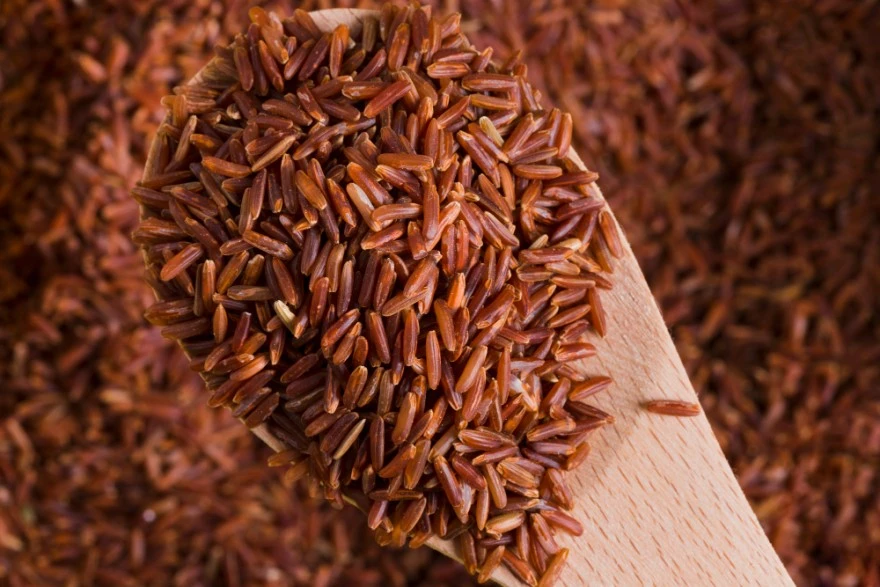
Table of Contents
- What is Brown Rice?
- Brown Rice Nutrient Values: What's Inside Each Grain?
- 10 Brown Rice Benefits You Can't Ignore
- Key Nutrients in Brown Rice That Drive Health Benefits
- Brown Rice Benefits for Heart Health
- Brown Rice Benefits for Blood Sugar and Diabetes Prevention
- Brown Rice Benefits for Weight Management
- Brown Rice Benefits for Digestion and Gut Health
- Brown Rice vs. White Rice: Which is Better for Nutrition?
- Brown Rice Benefits for Gluten-Free and Allergy-Sensitive Diets
- Brown Rice Benefits for Chronic Disease Prevention
- Brown Rice Benefits from Magnesium, Manganese & Selenium
- Brown Rice as a Versatile Staple for Global Cuisines
- Brown Rice as a Sustainable Choice in Whole-Grain Diets
- How to Prepare Brown Rice for Best Taste and Nutrients
- Possible Downsides of Brown Rice
- Conclusion
- FAQs
What is Brown Rice?
Brown rice is a whole grain that retains its bran and germ layers, which are removed during the polishing process that produces white rice. These layers provide fibre, vitamins, minerals, and antioxidants. This minimal processing preserves the natural brown rice nutrition, including essential vitamins, minerals, and dietary fibre that make it a superior choice for health-conscious individuals.
The distinctive nutty flavour and slightly chewy texture of brown rice result from these intact outer layers. When you compare brown rice vs. white rice, the difference becomes immediately apparent, brown rice maintains its natural colour and nutrient density, while white rice loses significant fibre, magnesium, and B-vitamins during polishing.
Brown Rice Nutrient Values: What's Inside Each Grain?
|
Nutrient |
Brown Rice (1 cup, cooked) |
|
Calories |
215–225 |
|
Carbohydrates |
45-52 g |
|
Protein |
4.5-5.5 g |
|
Fat |
1.6-2 g |
|
Fibre |
3.2-3.5 g |
|
Magnesium |
84 mg (about 20% of the daily value) |
|
Manganese |
1.8 mg |
|
Selenium |
19 mcg |
10 Brown Rice Benefits You Can't Ignore
- Superior Fibre Content: Brown rice is rich in dietary fibre, which supports smooth digestion, prevents constipation, and promotes a healthy gut environment.
- High Magnesium Levels: Its impressive magnesium content helps strengthen bones, support nerve activity, and improve muscle function.
- Excellent Manganese Source: Manganese in brown rice boosts metabolism, enhances antioxidant protection, and aids collagen formation.
- Heart-Healthy Properties: Regular consumption may help lower cholesterol levels and support healthier blood pressure, contributing to long-term heart wellness.
- Blood Sugar Regulation: The moderate glycaemic index (GI 50–55) of brown rice helps stabilise blood glucose levels and supports diabetes prevention.
- Weight Management Support: Fibre-rich whole grains like brown rice increase satiety, control appetite, and help prevent overeating.
- Selenium for Immunity: Brown rice contains selenium, a powerful mineral that supports immune strength and helps maintain thyroid balance.
- Naturally Gluten-Free: As a naturally gluten-free grain, it is ideal for individuals with celiac disease or gluten sensitivities.
- Chronic Disease Prevention: Its antioxidants and whole-grain nutrients may lower the risk of stroke, certain cancers, and other chronic illnesses.
- Wide Culinary Versatility: Brown rice adapts to countless recipes, from bowls and stir-fries to salads and soups, making healthy eating simple and enjoyable.
Key Nutrients in Brown Rice That Drive Health Benefits
The remarkable brown rice benefits stem from its concentrated nutrient profile:
- Dietary fibre: Promotes digestive health and blood sugar control
- Magnesium: Essential for bone health and energy production
- Manganese: Supports metabolism and antioxidant defence
- Selenium: Crucial for immune function and DNA repair
- B-vitamins: Including thiamine, niacin, and vitamin B6
- Phosphorus: Vital for bone formation and cellular energy
- Antioxidant compounds: Protect against cellular damage
Brown Rice Benefits for Heart Health
Brown rice nutrition provides substantial cardiovascular advantages through multiple mechanisms:
- Lowers LDL cholesterol: Soluble fibre binds cholesterol particles for elimination
- Reduces blood pressure: Magnesium and potassium support healthy circulation
- Prevents arterial plaque: Antioxidants protect blood vessel integrity
- Supports heart rhythm: Essential minerals maintain proper cardiac function
Brown Rice Benefits for Blood Sugar and Diabetes Prevention
The benefits of brown rice for diabetes are particularly noteworthy for those managing blood glucose levels. Studies show that Studies indicate replacing white rice with brown rice may reduce type 2 diabetes risk by up to 23%.
- Lower glycaemic index: Prevents rapid blood sugar spikes after meals
- Sustained energy release: Complex carbohydrates provide steady glucose
- Improved insulin sensitivity: Fibre enhances the body's glucose processing
- Reduced diabetes risk: Whole grain consumption correlates with lower type 2 diabetes incidence
Brown Rice Benefits for Weight Management
The ICMR recommends choosing brown rice and other whole grains over refined options like white rice to enhance overall diet quality and reduce the risk of diabetes as well as obesity.
Brown rice supports weight control due to its fibre and nutrient density, helping regulate appetite and improve energy balance:
- Enhanced satiety: High fibre content promotes feeling full longer
- Reduced cravings: Steady blood sugar prevents hunger spikes
- Metabolic support: B-vitamins aid efficient energy conversion
- Portion control: Nutrient density satisfies nutritional needs with smaller servings
Brown Rice Benefits for Digestion and Gut Health
The exceptional fibre content in brown rice transforms digestive wellness. This dietary fibre acts as a prebiotic, feeding beneficial gut bacteria and promoting a healthy microbiome. Regular consumption supports bowel regularity, reduces constipation risk, and is associated with lower colorectal cancer risk.
Additionally, brown rice benefits include:
- Improved nutrient absorption
- Reduced inflammatory markers in the digestive tract
- Enhanced gut barrier function
- Better overall digestive comfort
Brown Rice vs. White Rice: Which is Better for Nutrition?
|
Feature |
Brown Rice |
White Rice |
|
Processing |
Minimal (whole grain) |
Extensive (refined) |
|
Fibre content |
3.5g per cup |
0.6g per cup |
|
Magnesium |
84 mg |
19 mg |
|
Glycaemic index |
Lower (50-55) |
Higher (70-75) |
|
Satiety factor |
Higher |
Lower |
|
Chronic disease protection |
Significant |
Minimal |
This comparison clearly demonstrates why brown rice nutrition surpasses white rice in virtually every health metric.
Brown Rice Benefits for Gluten-Free and Allergy-Sensitive Diets
Brown rice is naturally gluten-free and safe for people with coeliac disease or non-coeliac gluten sensitivity. Unlike wheat-based grains, brown rice is naturally gluten-free while maintaining superior nutritional value. This makes it particularly valuable for those following restricted diets who still need adequate brown rice protein and essential nutrients.
Complementing brown rice with the benefits of black rice or the benefits of red rice adds an extra layer of antioxidant-rich nutrition, offering even more wholesome options for individuals with specific dietary needs.
Brown Rice Benefits for Chronic Disease Prevention
Regular consumption of brown rice may significantly reduce various health risks:
- Type 2 diabetes prevention: Meta-analyses show whole grain intake is associated with about 16% lower diabetes risk
- Cardiovascular disease reduction: Improved cholesterol profiles and blood pressure
- Cancer protection: Antioxidants and fibre may reduce colorectal cancer risk
- Stroke prevention: Enhanced circulation and reduced inflammation markers
Brown Rice Benefits from Magnesium, Manganese & Selenium
These three minerals make brown rice nutrition exceptionally valuable for overall health. Magnesium supports over 300 enzymatic reactions, including energy metabolism and bone formation. Manganese acts as a powerful antioxidant while supporting carbohydrate and amino acid metabolism. Selenium enhances immune function and may reduce cancer risk through its role in DNA repair mechanisms.
Brown Rice as a Versatile Staple for Global Cuisines
Brown rice adapts beautifully to Indian cooking styles, from fragrant biryanis to comforting dal-chawal combinations, and sweet treats like kheer and payasam. Its robust texture pairs effortlessly with spicy curries, and its nutty flavour elevates classic desert preparations.
Beyond Indian cuisine, brown rice also shines in global dishes — from Asian stir-fries and Thai rice bowls to Mexican burrito fillings, Mediterranean rice salads, and even hearty Buddha bowls. Its ability to blend seamlessly into traditional and international recipes makes it a wholesome, flavourful choice without compromising taste or cultural authenticity.
Brown Rice as a Sustainable Choice in Whole-Grain Diets
Choosing brown rice supports both personal health and environmental sustainability by reducing processing energy and promoting whole-grain diets. The minimal processing required preserves nutrients while reducing energy consumption. This whole grain approach aligns with sustainable eating patterns that benefit both individual wellness and planetary health.
How to Prepare Brown Rice for Best Taste and Nutrients
- Rinse thoroughly under cold water until water runs clear
- Soak for 30-60 minutes to improve digestibility and reduce cooking time
- Use proper water ratio - typically 2:1 water to rice
- Bring to boil, then simmer covered for 40-50 minutes
- Rest for 10 minutes before fluffing with a fork
- Add aromatics like bay leaves or whole spices during cooking
- Store cooked brown rice in the refrigerator for up to 4–5 days in an airtight container
Possible Downsides of Brown Rice
- Higher arsenic content: Brown rice may contain slightly higher levels of inorganic arsenic, especially when grown in certain regions. Consuming a variety of grains and cooking rice in excess water can help minimise exposure.
- Longer cooking time: It typically requires more soaking and a longer cooking duration than white rice, which may demand extra planning and preparation.
- Digestive adjustment: The higher fibre content may initially cause bloating or gas in individuals who are not used to fibre-rich foods, though this often improves over time.
- Phytic acid presence: Brown rice contains phytic acid, a natural antioxidant that can reduce mineral absorption slightly; soaking or fermenting rice before cooking helps minimise this effect.
- Storage considerations: Due to its natural oils, brown rice has a shorter shelf life and can turn rancid more quickly if not stored properly in a cool, airtight environment.
Conclusion
Brown rice stands as a nutritional powerhouse that transforms ordinary meals into health-promoting experiences. From managing blood sugar and supporting heart health to enhancing digestion and preventing chronic diseases, the benefits of incorporating brown rice into your daily diet are both immediate and long-lasting.
At Metropolis Healthcare, we support your health journey with comprehensive diagnostic services that help you monitor the positive impacts of dietary changes like adding brown rice to your meals. Our extensive network of over 4,000 tests—including diabetes panels, lipid profiles, and nutritional assessments—provides the insights you need to optimise your health. Backed by a CAP proficiency score exceeding 98%, placing it among the top 1% of labs globally, Metropolis ensures precise and reliable results.
FAQs
Is brown rice really healthier than white rice?
Absolutely. Brown rice benefits include significantly higher fibre, magnesium, and antioxidants compared to white rice. The whole grain structure provides sustained energy and better blood sugar control, making it nutritionally superior for most individuals.
What are the top brown rice benefits for weight loss?
Brown rice's calories work effectively for weight management through enhanced satiety, stable blood sugar levels, and improved metabolism. The high fibre content helps you feel full longer, naturally reducing overall calorie intake while providing essential nutrients.
Is brown rice suitable for people with diabetes?
Yes, brown rice for diabetes offers excellent benefits. The benefits of brown rice for diabetes include lower glycaemic index, better blood sugar control, and improved insulin sensitivity compared to refined grains. However, portion control remains important for optimal glucose management.
How much brown rice should I eat daily?
A half-cup serving of cooked brown rice provides optimal brown rice nutrition without excessive brown rice calories. This portion delivers approximately 108 calories and substantial nutrients whilst supporting healthy weight management and blood sugar control.
Is brown rice safe to eat daily?
Daily consumption of brown rice is generally safe and beneficial. However, vary your grain choices to minimise arsenic exposure and ensure dietary diversity. Include other whole grains like quinoa, millet, and oats alongside brown rice for optimal nutrition.
Does brown rice contain arsenic? How to reduce risk?
Brown rice does contain naturally occurring arsenic, though levels vary by growing region. Reduce exposure by rinsing rice thoroughly, cooking with excess water, and varying your grain choices. The health benefits typically outweigh risks with moderate consumption.
References
• https://www.inorder.in/public-education/a-look-at-the-new-icmr-dietary-guidelines-for-indians/
• https://pubmed.ncbi.nlm.nih.gov/35681238/
• https://www.heart.org/en/healthy-living/healthy-eating/eat-smart/nutrition-basics/whole-grains-refined-grains-and-dietary-fiber