Home Visit
 Upload






Preventive Healthcare
Health Benefits of Cranberry: 11 Things You Need to Know for Better Wellness
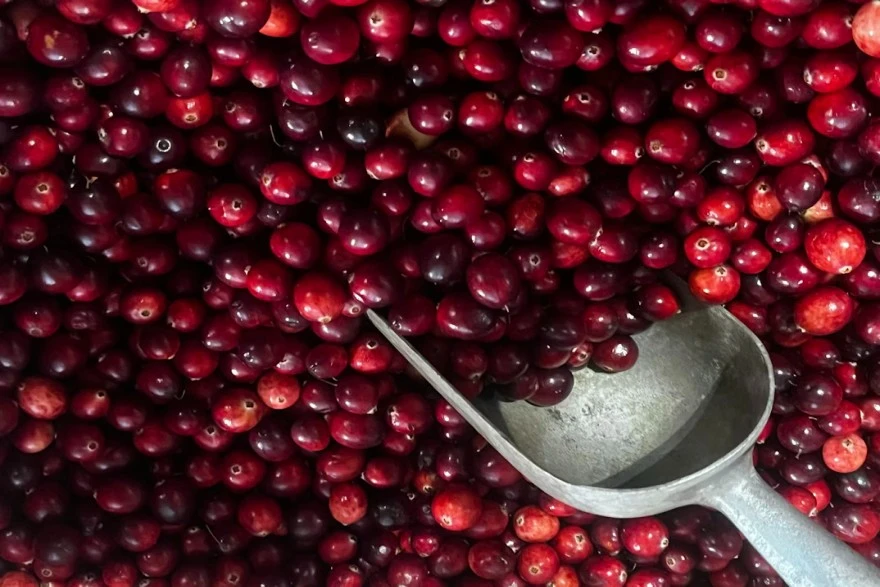
Table of Contents
What is Cranberry? A Nutrition Primer on Cranberry Fruit
Cranberry (Vaccinium macrocarpon) is a small, ruby-red berry that grows on evergreen shrubs in acidic bogs, primarily in North America. European cranberries (Vaccinium oxycoccos) are closely related but smaller in size. The cranberry fruit belongs to the same family as blueberries and contains an impressive array of nutrients that contribute to its powerful health-promoting properties.
Fresh cranberries contain about 46–51 calories per 100 g serving, making it an excellent choice for weight management. The fruit contains 4g of dietary fibre, which supports digestive health and helps regulate blood sugar levels.
What makes cranberry particularly special is its exceptionally high vitamin C content, providing essential immune support, along with vitamin E, vitamin K, and important minerals like potassium and manganese.
The distinctive tart taste of cranberry comes from its natural organic acids, including citric and malic acid, which also contribute to its preservation qualities. Whether consumed fresh, as cranberry juice, or in cranberry dry fruit form, this remarkable berry delivers consistent nutritional benefits that have made it a staple in health-conscious diets worldwide.
Understanding "Cranberry Benefits": Key Nutrients & Phytochemicals
The exceptional cranberry benefits stem from its unique concentration of bioactive compounds that work synergistically to promote health:
- Proanthocyanidins (PACs): Type-A proanthocyanidins (PACs) in cranberry uniquely prevent E. coli adhesion to urinary tract walls, reducing infection recurrence
- Anthocyanins: The pigments responsible for cranberry's vibrant red colour, offering potent anti-inflammatory and cardiovascular protective effects
- Flavonoids: Including quercetin and myricetin, which support immune function and help reduce oxidative stress throughout the body
- Vitamin C: A single serving provides significant immune-boosting antioxidant protection, with fresh cranberry containing 29 mg per 100 g
- Dietary Fibre: Supporting digestive health and helping maintain stable blood sugar levels
- Organic Acids: Contributing to cranberry's natural antimicrobial properties and supporting urinary tract health
- Potassium: Essential for heart health and blood pressure regulation, with cranberries provide approximately 80–90 mg potassium per 100 g serving
- Vitamin E and K: Supporting cellular health and proper blood clotting function respectively
11 Health Benefits of Cranberry
Cranberries are one of the most researched functional fruits, packed with antioxidants, fibre, vitamins, and unique plant compounds that support multiple aspects of health. Here’s a detailed look at 11 key cranberry benefits:
- Prevents Urinary Tract Infections (UTIs)
Cranberries help prevent recurrent UTIs, especially in women, by preventing bacterial adhesion. They are effective as a preventive aid—not a treatment—for active infections. - Supports Cardiovascular Health
Regular cranberry intake can improve cholesterol balance by raising HDL (good cholesterol) and lowering LDL (bad cholesterol). Their anti-inflammatory properties also help maintain healthy blood vessels and overall heart function. - Boosts Immune System Function
Cranberries are rich in vitamin C and other antioxidants that strengthen your immune defences. These nutrients help the body fight infections more effectively and support daily immune resilience. - Provides Powerful Antioxidant Protection
Cranberries rank among the top antioxidant-rich fruits. Their wide range of antioxidant compounds helps neutralise free radicals, protecting cells from damage and reducing the risk of chronic diseases. - Promotes Digestive Health
The fibre in cranberries supports the growth of healthy gut bacteria and promotes regular bowel movements. This contributes to better digestion and overall gut balance. - May Reduce Cancer Risk
Laboratory studies suggest cranberry polyphenols may inhibit cancer cell growth in vitro, though human evidence remains preliminary, particularly in colon and prostate cancers. These findings highlight their potential role in long-term cellular protection. - Supports Oral Health
Cranberry extracts have shown potential to reduce bacterial adhesion in the mouth, possibly lowering plaque formation risk. They inhibit bacterial adhesion in the mouth, similar to their effect in the urinary tract. - Helps Regulate Blood Sugar
Cranberrie's fibre and polyphenols may modestly improve post-meal glucose control and insulin sensitivity, though data are limited. This makes them a supportive food for maintaining balanced blood sugar levels. - Protects Brain Function
Emerging research, including studies published in Frontiers in Nutrition, suggests Early studies suggest cranberry flavonoids may improve memory and brain perfusion in older adults, though more research is needed. - Maintains Healthy Blood Pressure
Cranberries contain potassium and other heart-friendly nutrients that help support normal blood pressure and overall cardiovascular stability. - Supports Liver Health
Both traditional uses and modern studies indicate that cranberries may help protect the liver from oxidative stress, promoting healthier liver function over time.
When Cranberry Benefits May Not Apply: Who Should Be Cautious?
While cranberry is generally safe for most people, certain individuals should exercise caution when consuming cranberry products. Individuals taking warfarin should consult their healthcare provider before using cranberry supplements or juice regularly, as high intake may potentiate anticoagulant effects before regularly consuming cranberry juice or supplements, as cranberry may enhance the effects of these medications.
Individuals with calcium oxalate kidney stones should limit cranberry supplement use, as cranberries are moderately high in oxalates that could potentially contribute to stone formation.
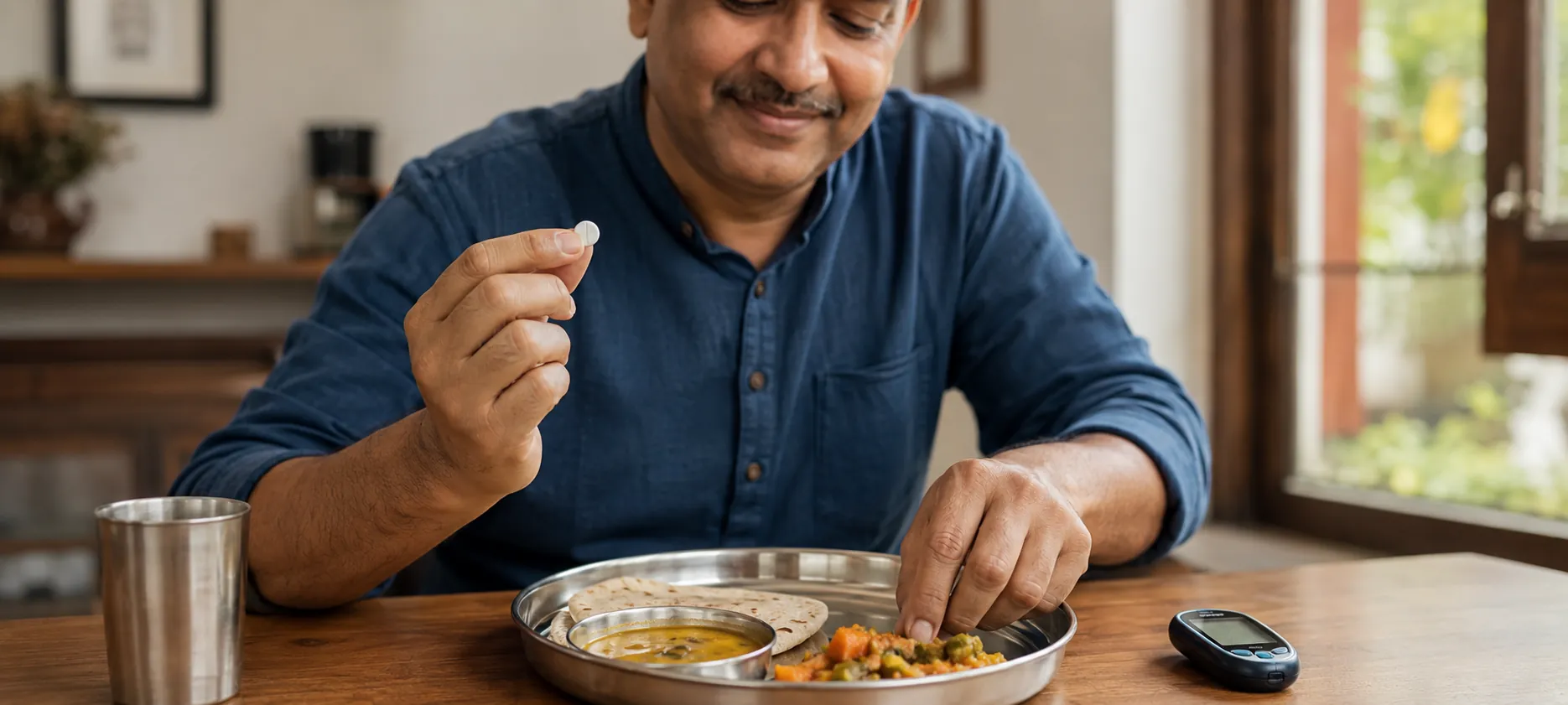
Those with diabetes need to be mindful of sugar content in commercial cranberry juice products, which often contain added sweeteners that can affect blood glucose levels.
If you experience stomach upset, diarrhoea, or other digestive issues after consuming cranberry products, you may be sensitive to the fruit's natural acids. Starting with smaller amounts and gradually increasing your intake can help determine your tolerance level.
Pregnant and breastfeeding women can safely consume food amounts of cranberry but should avoid high-dose supplements unless prescribed of cranberry rather than concentrated supplements unless specifically recommended by their healthcare provider.
Summary: Quick Recap of 11 Key Things You Need to Know About the Health Benefits of Cranberry
- UTI Prevention: Cranberry's proanthocyanidins prevent harmful bacteria from adhering to urinary tract walls
- Heart Health Support: Regular consumption helps improve cholesterol levels and supports cardiovascular function
- Immune System Boost: High vitamin C content strengthens your body's natural defence mechanisms
- Antioxidant Powerhouse: Cranberry provides exceptional protection against cellular damage from free radicals
- Digestive Health: Fibre content promotes beneficial gut bacteria growth and regular bowel movements
- Cancer Prevention Potential: Laboratory studies suggest possible protective effects against certain cancer types
- Oral Health Benefits: Natural antibacterial properties may help prevent plaque and gum disease
- Blood Sugar Regulation: Compounds in cranberry help slow sugar absorption and improve insulin sensitivity
- Brain Protection: Antioxidants may support cognitive health and protect against mental decline
- Blood Pressure Support: Potassium and other compounds contribute to healthy cardiovascular function
- Liver Health: Traditional and modern research supports cranberry's potential protective effects on liver function
At Metropolis Healthcare, we understand the importance of comprehensive health monitoring to support your wellness journey. Whether you're incorporating cranberry into your diet for UTI prevention or overall health enhancement, our extensive portfolio of more than 4,000 tests can help track your progress and identify areas for improvement.
Our convenient home sample collection service—available across 10,000+ touchpoints throughout India—makes it easy to monitor key health markers like immune function, cardiovascular health, and nutritional status that cranberry consumption can positively influence.
FAQs
Can cranberry benefits really prevent urinary tract infections?
Yes, cranberry benefits for UTI prevention are well-established through numerous clinical studies. The proanthocyanidins in cranberry prevent E. coli bacteria from adhering to the walls of the urinary tract, significantly reducing infection risk. Research shows that regular consumption of cranberry juice or supplements can Meta-analyses show cranberry products can reduce UTI recurrence by approximately 26–35% in women at risk. However, cranberry works best as a preventive measure rather than a treatment for active infections, which require proper medical attention and antibiotics.
How many cranberries or how much cranberry juice should you drink daily?
For general UTI prevention, 240 ml of unsweetened cranberry juice or 500 mg of standardized cranberry extract (36 mg PACs) daily has shown benefit in studies. When choosing cranberry dry fruit, limit portions to 1-2 tablespoons due to concentrated sugars. Always choose unsweetened varieties when possible, as added sugars can counteract many of the health benefits of cranberries.
Are there side effects or risks of taking cranberry every day?
Daily cranberry consumption is generally safe for most people, but some individuals may experience mild digestive upset. People taking blood thinners should monitor their medication effects closely, as cranberry may enhance anticoagulant properties. Additionally, those prone to kidney stones should limit intake due to oxalate content.
Is cranberry juice as good as fresh cranberries for benefits?
Unsweetened cranberry juice provides many of the same antioxidants and proanthocyanidins found in fresh cranberries, but it doesn’t offer the fibre you get from whole fruit. Many commercial juices contain added sugar, which reduces their overall health value, so it’s important to read labels. For UTI prevention, both fresh cranberries and pure juice can help, but whole fruit offers extra digestive and blood-sugar support that processed juice can’t provide.
Can people with diabetes enjoy cranberries?
People with diabetes can enjoy cranberries by choosing low-sugar options. Fresh cranberries are low in sugar and high in fibre, making them helpful for blood-sugar control. Unsweetened cranberry juice is fine in moderation, but sweetened juices and dried cranberries should be limited due to higher sugar content.
What is the best form of cranberry for health benefits – juice, dried, or capsule?
The best form depends on your specific health goals and preferences. Fresh cranberry fruit provides the most complete nutritional profile with maximum fibre and antioxidants. Unsweetened cranberry juice offers convenience while retaining most beneficial compounds. Dried cranberries retain beneficial antioxidants but often contain added sugars; choose unsweetened varieties or limit to 1–2 tbsp.
References
• https://pmc.ncbi.nlm.nih.gov/articles/PMC9160193/
• https://www.nutritionvalue.org/Cranberry_juice%2C_unsweetened_nutritional_value.html
• https://www.ncbi.nlm.nih.gov/pmc/articles/PMC8911768/