Home Visit
 Upload






Preventive Healthcare
What is Metastatic Liver Cancer? Symptoms, Causes, and Treatment Options
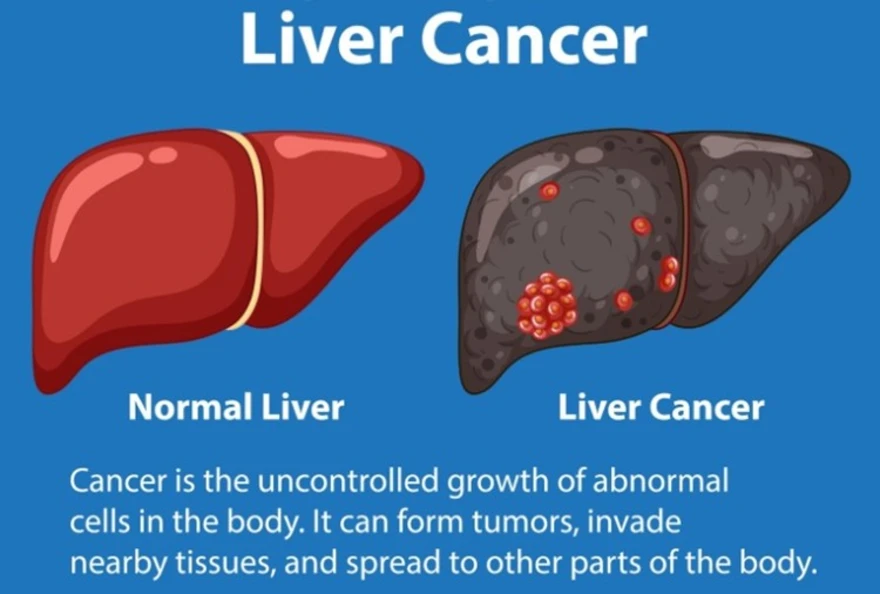
Table of Contents
- What is Metastatic Liver Cancer?
- Types of Metastatic Liver Cancer
- Causes of Metastatic Liver Cancer
- Symptoms of Metastatic Liver Cancer
- How is Metastatic Liver Cancer Diagnosed?
- Imaging & Diagnostic Tests to Identify Metastatic Liver Cancer
- Treatment Options for Metastatic Liver Cancer
- Is Metastatic Liver Cancer Treatable?
- Prognosis for Metastatic Liver Cancer
- Living with Metastatic Liver Cancer
- Conclusion
- FAQs
What is Metastatic Liver Cancer?
Metastatic liver cancer (secondary liver cancer) occurs when malignant cells from a primary tumour elsewhere in the body spread to the liver, most often via the bloodstream through the portal vein or hepatic artery. Your liver becomes a common destination for these migrating cancer cells because of its rich blood supply and vital filtering function.
This condition differs significantly from primary liver cancer, which originates directly in liver tissue. With metastatic liver cancer, the cancer cells retain the characteristics of their original location. For example, if breast cancer spreads to your liver, the metastatic deposits retain the histological and molecular characteristics of breast cancer cells and therefore respond to breast cancer–specific treatments.
Types of Metastatic Liver Cancer
The most common sources of metastatic liver cancer include:
- Colorectal cancer: The most frequent primary source of liver metastases, accounting for more than 50% of all hepatic secondary tumours
- Breast cancer metastases: This is particularly common in women
- Lung cancer metastases: Often seen in both smokers and non-smokers
- Pancreatic cancer metastases: Frequently spreads to the liver
- Stomach cancer metastases: Another gastrointestinal source
- Ovarian cancer metastases: Can occur in advanced stages
- Kidney cancer metastases: Less common but possible
- Melanoma metastases: Skin cancer that has spread
Causes of Metastatic Liver Cancer
Metastatic liver cancer develops through a complex process called metastasis, where cancer cells break away from their primary tumour site and travel through the body's circulatory system. These rogue cells must survive the journey through your bloodstream, avoid detection by your immune system, and successfully establish themselves in liver tissue. The liver’s dual blood supply (hepatic artery and portal vein) and sinusoidal capillary network make it a frequent site for tumour cell implantation.
Several factors influence whether cancer will spread to your liver, including the type and stage of your primary cancer, your overall health, and genetic factors. Cancers that drain into the portal circulation, particularly those from your digestive system, have a higher likelihood of causing liver metastases.
Even after successful treatment of your primary cancer, metastatic liver cancer can appear months or years later, which is why regular follow-up monitoring remains crucial.
Symptoms of Metastatic Liver Cancer
Recognising metastatic liver cancer symptoms early can significantly impact your treatment outcomes. However, these symptoms often develop gradually and may be subtle initially:
- Abdominal pain or discomfort, particularly in your upper right side
- Unexplained weight loss despite normal eating habits
- Loss of appetite and feeling full quickly
- Persistent fatigue and weakness
- Jaundice, the yellowing of your skin and the whites of your eyes
- Nausea and vomiting that don't improve
- Abdominal swelling due to fluid accumulation
- Fever without an obvious cause
- Dark urine or pale-coloured stools
- Itchy skin throughout your body
How is Metastatic Liver Cancer Diagnosed?
Diagnosing metastatic liver cancer typically begins when you report concerning symptoms or during routine follow-up care for a previous cancer diagnosis. Your doctor will start with a comprehensive medical history and physical examination, paying particular attention to your abdomen and any signs of liver enlargement or tenderness.
Early and accurate diagnosis is essential for determining appropriate treatment and differentiating metastatic disease from coexisting hepatic conditions such as cirrhosis or steatosis.
Imaging & Diagnostic Tests to Identify Metastatic Liver Cancer
- Liver Function Test (LFT): Measures enzymes and proteins that indicate liver health
- CA 19-9: A tumour marker commonly elevated in pancreatic and biliary tract cancers and occasionally in colorectal cancer
- Carcinoembryonic Antigen (CEA) Test: Commonly elevated in various adenocarcinomas
- Ultrasound imaging: Initial non-invasive liver assessment
- CT scan with contrast: Detailed cross-sectional liver images
- MRI scanning: Provides excellent soft tissue detail
- PET scan: Shows metabolically active cancer cells
- Liver biopsy: Tissue sample analysis for definitive diagnosis
Treatment Options for Metastatic Liver Cancer
Metastatic liver cancer treatment approaches vary based on several factors, including your primary cancer type, extent of liver involvement, and overall health:
- Surgical resection: Removing liver metastases when feasible
- Systemic chemotherapy: Targeting cancer cells throughout your body
- Targeted therapy: Drugs designed for specific cancer mutations
- Immunotherapy: Boosting your immune system's cancer-fighting ability
- Liver-directed therapies: Including chemoembolisation and radiofrequency ablation
- Radiation therapy: Focused treatment for specific liver areas
- Palliative care: Managing symptoms and improving quality of life
Is Metastatic Liver Cancer Treatable?
Yes, metastatic liver cancer is treatable, though the approach focuses primarily on controlling the disease rather than achieving a complete cure. Treatment aims to control tumour growth, relieve symptoms, and extend survival, prioritising quality of life and functional well-being. In carefully selected cases where metastases are limited, and your primary cancer is well-controlled, aggressive treatments like surgery may offer the possibility of long-term remission.
The success of metastatic liver cancer treatment depends on multiple factors, including the type of primary cancer, the number and size of liver tumours, your response to previous treatments, and your overall health status. Modern treatment approaches have significantly improved outcomes, with many patients living longer, more comfortable lives than was possible even a decade ago.
Prognosis for Metastatic Liver Cancer
The outlook for metastatic liver cancer varies considerably depending on your individual circumstances. Factors that influence prognosis include the origin of your primary tumour, how extensively cancer has spread to your liver, your response to treatment, and your general health condition. While metastatic liver cancer typically indicates advanced disease, improvements in systemic therapies and surgical techniques have enhanced survival prospects for many patients.
For colorectal cancer with isolated liver metastases amenable to complete resection, five-year survival rates of 40%–60% have been reported. A study published in PubMed Central reports a survival rate of 58%. However, each case is unique, and your oncologist can provide more personalised prognostic information based on your specific situation and treatment response.
Living with Metastatic Liver Cancer
Managing life with metastatic liver cancer involves addressing both physical symptoms and emotional challenges while maintaining the best possible quality of life. Your healthcare team will focus on controlling pain, managing treatment side effects, and preventing complications such as liver failure. Regular monitoring helps track disease progression and adjust treatments as needed.
Support from family, oncology nurses, counsellors, and multidisciplinary palliative care teams can greatly enhance emotional well-being and treatment adherence. Many patients benefit from counselling services, support groups, and palliative care specialists who can help navigate the practical and emotional aspects of living with advanced cancer. Maintaining nutrition, staying as active as possible, and keeping up with activities you enjoy can significantly impact your overall well-being.
Conclusion
Metastatic liver cancer represents a serious but treatable condition where cancer has spread from another part of your body to your liver. Whether you're dealing with concerns about liver failure, managing side effects, or exploring the best treatment for metastatic liver cancer, comprehensive diagnostic testing provides the foundation for personalised care.
At Metropolis Healthcare, we understand the importance of accurate, timely diagnostics in managing complex conditions like metastatic liver cancer. Our comprehensive portfolio of over 4,000 tests includes essential liver function tests and tumour markers that support your oncology team's treatment decisions. With our network of 10,000+ touchpoints across India, we bring convenient home sample collection directly to you, ensuring you can access the diagnostic support you need without additional stress.
FAQs
What are the common symptoms of metastatic liver cancer?
Symptoms may include fatigue, weight loss, loss of appetite, abdominal pain or swelling, jaundice, nausea, and unexplained weakness. Some people have no symptoms in the early stages.
Can metastatic liver cancer be cured?
In most cases, it cannot be cured, but treatments can help control the disease, reduce symptoms, and extend survival. A cure may be possible in selected cases where liver metastases can be completely removed.
What are the treatment options for metastatic liver cancer?
Treatment may include surgery, chemotherapy, targeted therapy, immunotherapy, local treatments to the liver, or a combination of these, depending on the cancer type and extent.