Home Visit
 Upload






Preventive Healthcare
Vulvodynia: Causes, Symptoms, and Treatment Options
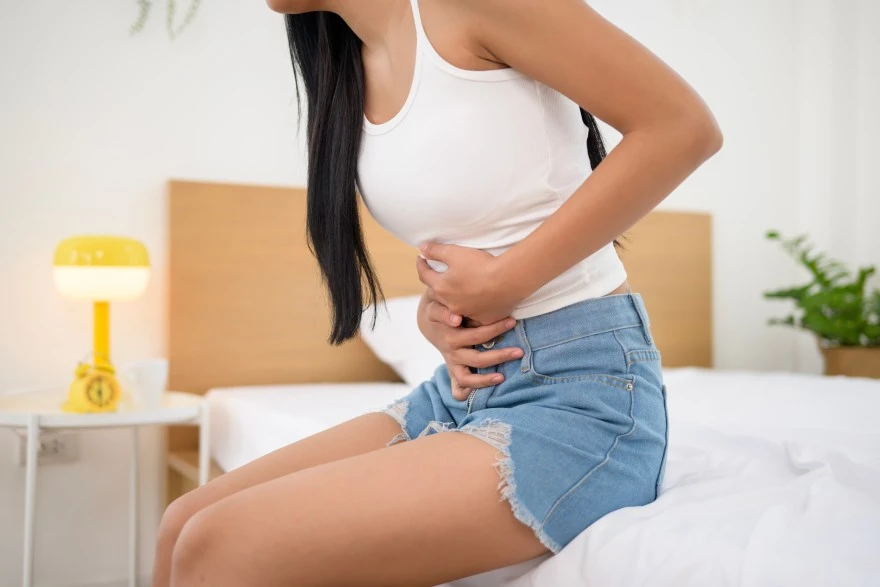
Table of Contents
What is Vulvodynia?
Vulvodynia is a chronic pain condition affecting the vulva — the external part of the female genital area — without an identifiable cause such as infection or skin disorder. The pain may feel burning, stinging, raw, or sore and can persist for months or even years. While it is not life-threatening, vulvodynia can affect physical comfort, emotional well-being, and sexual health.
According to the National Institutes of Health (NIH), vulvodynia affects approximately 3%–7% of reproductive-aged women, yet only about 1.4% receive an accurate diagnosis. Doctors define vulvodynia as vulvar pain lasting for three months or longer without a clear medical explanation. Diagnosis usually requires ruling out infections, dermatological conditions, and other gynaecological disorders.
Causes of Vulvodynia
The exact cause of vulvodynia remains unclear; however, research suggests a combination of biological and neurological factors.
Possible causes and risk factors include:
- Nerve injury or irritation: Hypersensitivity of vulvar nerves can lead to chronic pain even in the absence of tissue damage.
- Inflammation: Past infections or allergic reactions may trigger persistent inflammation.
- Hormonal changes: The use of hormonal contraceptives or a decline in estrogen levels during menopause can make vulvar tissues more fragile.
- Muscle dysfunction: Tight or overactive pelvic floor muscles can intensify pain.
- Genetic and immune factors: Some women may have genes or immune responses that increase their sensitivity to pain.
- Psychological stress: Anxiety or depression can worsen chronic pain perception.
Understanding these underlying causes helps clinicians plan targeted therapies and counselling approaches.
Symptoms of Vulvodynia
Women with vulvodynia experience a range of symptoms that vary in intensity and duration.
- Burning or stinging sensation: Most common complaint, often described as feeling like a sunburn.
- Rawness or irritation: The vulva feels sore even without visible redness or swelling.
- Pain during intercourse (dyspareunia): Discomfort can occur during or after sexual activity.
- Pain from prolonged sitting or tight clothing: Pressure or friction on the vulvar area can worsen discomfort.
- Throbbing or itching: Less frequent but may accompany burning sensations.
These symptoms may be localised (confined to one area such as the vaginal opening) or generalised (spread across the vulva).
Types of Vulvodynia
1. Generalised Vulvodynia:
Pain affects the entire vulvar region and may occur spontaneously without any apparent trigger. It often feels like burning or soreness that worsens with sitting or activity.
2. Localised Vulvodynia (Vestibulodynia):
Pain is limited to the vaginal opening and triggered by touch, such as during intercourse or tampon use.
3. Mixed Vulvodynia: Combines features of both generalised and localised pain, making symptoms more variable and treatment more complex.
4. Cyclic Vulvodynia:
Pain intensity fluctuates with hormonal changes, often worsening before or after menstruation.
Understanding the type is important for selecting suitable treatment — for instance, pelvic floor therapy often benefits localised cases.
Examination and Imaging Techniques for Vulvodynia
Because there is no single test for vulvodynia, diagnosis involves excluding other conditions and assessing pain sensitivity.
A gynaecologist may recommend:
- Cotton Swab Test: A simple in-clinic test where the gynaecologist gently presses a cotton swab on different parts of the vulva to locate pain-sensitive areas and confirm localised vulvodynia.
- PAP Smear Test: A crucial screening test to detect cervical cell changes or infections that can mimic vulvodynia symptoms. Both Liquid-Based Cytology (LBC) and conventional PAP smear methods are available, with results typically ready in two days.
- HPV DNA Detection and Typing (Vaginal Swab): This test may use molecular techniques such as Sanger Sequencing or PCR to detect the presence of Human Papillomavirus (HPV), which may cause chronic vulvar irritation or discomfort.
- Cervical Screening Profiles: These integrate RT-PCR technology with PAP cytology to detect HPV DNA and identify early cellular changes linked to persistent vulvar pain or inflammation.
- Vulvar Biopsy: When symptoms persist or lesions are visible, a small tissue sample is taken for histopathological examination, helping to rule out dermatological or precancerous conditions.
Treatment Options for Vulvodynia
Since there is no single cure, treatment focuses on pain management, restoring comfort, and improving quality of life through a multidisciplinary approach.
Medications for Vulvodynia
- Topical anaesthetics: Lidocaine ointments can provide temporary relief before intercourse or examinations.
- Oral medications: Tricyclic antidepressants or anticonvulsants help calm overactive nerve signals.
- Hormonal creams: Estrogen-based creams can help restore vulvar tissue health in postmenopausal women.
- Nerve blocks or injections: In severe cases, local nerve block injections may relieve chronic pain.
Physical Therapy for Vulvodynia
- Pelvic floor relaxation exercises: Taught by a physiotherapist to reduce muscle tension.
- Biofeedback therapy: Uses sensors to teach better control of pelvic muscles.
- Manual therapy: Gentle massage and stretching improve blood flow and reduce pain sensitivity.
These therapies aim to correct muscle dysfunction — a major contributor to vulvar discomfort.
Surgical Treatments for Vulvodynia
- Vestibulectomy: A minor procedure to remove painful tissue around the vaginal entrance, considered only when conservative methods fail.
- Nerve-targeted surgery: Rarely performed but may help when specific nerves are compressed.
Surgery is recommended for selected patients after thorough evaluation.
Lifestyle Changes to Manage Vulvodynia
- Use breathable cotton underwear and opt for natural fabrics instead of synthetic ones.
- Avoid scented soaps, detergents, and bubble baths that may irritate vulvar skin.
- Apply cold compresses to reduce inflammation after prolonged sitting or intercourse.
- Follow a balanced diet and maintain proper hydration to support your healing process.
- Manage stress through yoga, mindfulness practices, meditation, or counselling.
These small changes can significantly improve comfort and help prevent symptom flare-ups.
Living with Vulvodynia: Coping Strategies
Chronic pain conditions like vulvodynia can affect mental health and intimate relationships.
Supportive care plays a key role:
- Seek Support: Counselling or support groups help manage stress and anxiety linked to chronic pain.
- Reduce Irritation: Wear loose cotton underwear, avoid scented soaps, and maintain gentle hygiene.
- Ease Discomfort: Use cold compresses or sitz baths for quick relief after sitting or engaging in physical activity.
- Mind-Body Relaxation: Try yoga, meditation, or deep breathing to reduce tension and pain.
- Stay Connected: Open communication with partners and regular follow-ups with doctors improve comfort and confidence.
With early diagnosis and a holistic care plan, many women can regain comfort and lead active, fulfilling lives.
Conclusion
Vulvodynia is a complex but manageable condition when addressed with the right medical care, emotional support, and lifestyle changes. Early consultation with a gynaecologist and timely diagnostic tests such as the PAP smear, cotton swab test, or biopsy can help rule out other causes and guide personalised care.
Metropolis Healthcare offers a wide range of specialised women’s health diagnostics, from PAP Smear and hormonal testing to advanced biopsy services, all supported by expert pathologists and accurate reporting. With over 4000+ tests, 10,000+ home collection touchpoints, and quick turnaround times, Metropolis empowers every woman to take control of her health with confidence.
FAQs
What are the early signs of Vulvodynia?
Early signs include persistent burning, stinging, or soreness in the vulvar area that lasts more than a few weeks without infection or visible irritation. The pain may worsen during intercourse or sitting.
Can Vulvodynia go away on its own?
In some mild cases, symptoms may subside spontaneously, especially if triggered by infections or hormonal changes. However, most women require treatment to manage chronic pain effectively.
How is Vulvodynia diagnosed?
Diagnosis involves ruling out infections, skin disorders, or neurological causes using tests such as the PAP smear test, the cotton swab Test, and occasionally a biopsy. A thorough medical history and physical examination are essential.
What is the best treatment for Vulvodynia?
There’s no single “best” treatment — success depends on individual symptoms. Most patients benefit from a combination of medication, physical therapy, and lifestyle adjustments, along with emotional support and regular gynaecological follow-ups.