Home Visit
 Upload






Preventive Healthcare
Troponin Test: Normal Range & Results
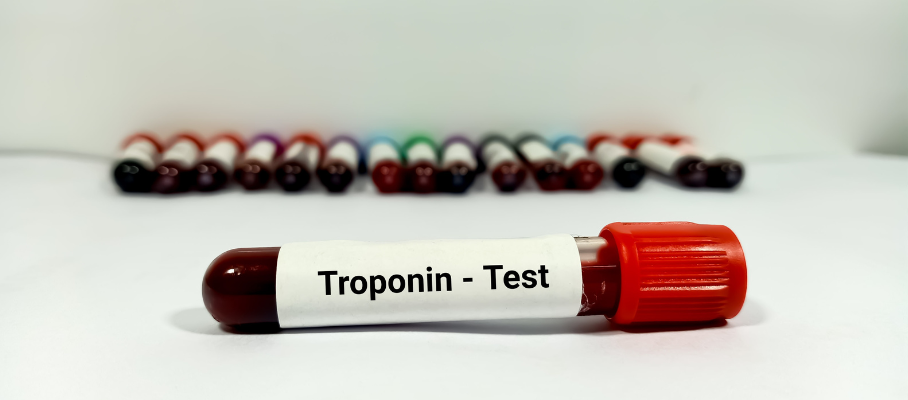
Table of Contents
What Is the Troponin Test?
The troponin-I test is a blood test that measures the amount of cardiac troponin I (cTnI) in your blood. These proteins normally reside within heart muscle cells, helping your heart contract effectively. When heart muscle cells are damaged — for example, during a heart attack, myocarditis, or other cardiac stress — troponin I leaks into the bloodstream.
In healthy individuals, troponin I levels remain extremely low or undetectable. However, when heart injury occurs, these levels rise significantly within hours and can remain elevated for several days. Modern high-sensitivity troponin (hs-TnI) assays can detect extremely low concentrations of the protein, enabling earlier detection of heart damage and more precise risk assessment.
Why Is a Troponin Test Performed?
• To evaluate chest pain symptoms that might indicate a heart attack, including chest pressure, arm pain, jaw discomfort, or unexplained sweating.
• To diagnose or rule out acute myocardial infarction when combined with electrocardiogram findings and clinical assessment.
• To monitor heart damage after medical procedures such as cardiac catheterisation, heart surgery, or electrical cardioversion.
• To assess cardiac injury in critically ill patients with conditions like sepsis, severe infections, or respiratory failure.
• To evaluate suspected heart inflammation, including myocarditis or pericarditis.
• To monitor patients with existing heart conditions such as cardiomyopathy or chronic heart failure.
When Should You Get a Troponin Test?
You should seek immediate medical attention for a troponin-I test if you experience symptoms that could indicate a heart attack. These include severe chest pain or pressure lasting more than a few minutes, pain radiating to your arm, jaw, neck, or back, sudden shortness of breath, unexplained sweating, nausea, or fainting spells.
Doctors usually order this test in emergency settings when a patient presents with possible cardiac symptoms. The test may also be recommended if you're critically ill with conditions that can strain your heart, such as severe infections, blood clots in the lungs, or kidney disease complications.
How Is the Troponin Test Performed?
- Your healthcare provider assesses your symptoms and medical history to determine if testing is needed.
- A tourniquet is placed on your arm, the skin is cleaned, and a needle is used to draw blood from a vein.
- Your blood sample is processed using high-sensitivity equipment that measures troponin I concentrations.
- Results are often available within a few hours; repeat samples are taken at 3-, 6-, and 12-hour intervals to detect changes over time and reported as nanograms per millilitre (ng/mL).
- Additional blood draws may be taken at 3, 6, or 12-hour intervals to track changes in troponin levels.
- Your doctor combines the troponin I test report findings with other diagnostic information to reach a diagnosis.
Troponin I vs. Troponin T
The troponin I test uses the same diagnostic principles as troponin T testing, with both markers rising after a heart attack or other cardiac injury. Normal reference ranges differ slightly between these tests. Typical high-sensitivity troponin I values are < 15.6 ng/L in healthy adults, though reference ranges vary by laboratory and sex, while troponin T levels stay < 14 pg/mL.
High-sensitivity assays for both troponin I and T detect much lower concentrations and use sex-specific cut-offs to improve diagnostic precision. The choice between troponin I and T rarely affects patient management, as both provide equivalent clinical information when used consistently.
What Causes Elevated Troponin Levels?
• Acute heart attack due to blocked coronary arteries, causing rapid and significant troponin elevation.
• Unstable angina with heart muscle injury from reduced blood flow without complete vessel blockage.
• Heart failure episodes where increased cardiac stress leads to muscle cell damage.
• Myocarditis from viral infections, autoimmune diseases, or toxic exposures affecting the heart muscle.
• Stress-induced cardiomyopathy triggered by severe emotional or physical stress.
• Arrhythmias that impair blood flow and oxygen delivery to heart tissue.
• Blood clots in the lungs, causing strain on the heart's right side.
• Severe high blood pressure emergencies that damage the heart muscle through excessive workload.
What Other Conditions Can Affect Troponin Levels?
• Chronic kidney disease, where decreased protein clearance causes persistently elevated levels.
• Severe systemic infections that stress the cardiovascular system through inflammation and low blood pressure.
• Stroke or brain haemorrhage causing neurogenic heart injury through stress hormone release.
• Severe anaemia or low blood oxygen, reducing oxygen supply to the heart muscle.
• Extreme physical exercise, such as marathon running, causes temporary troponin elevation.
• Infiltrative heart diseases like amyloidosis affect the heart muscle structure.
• Critical illness with shock, multiple organ failure, or severe metabolic disturbances.
Interpreting Troponin-I Test Results
Normal troponin I levels are generally below 15.6 ng/L, though this can vary slightly between laboratories. Elevated levels don't automatically mean you've had a heart attack – interpretation requires considering your symptoms, medical history, ECG findings, and other test results. A rising or falling pattern of troponin indicates acute cardiac injury, whereas persistently stable elevations suggest chronic conditions such as kidney disease or heart failure like kidney disease or heart failure.
What Do Low Troponin Levels Mean?
• No recent heart muscle damage from a heart attack or significant cardiac injury.
• Normal heart function without ongoing muscle cell death or injury.
• Successful treatment if levels are declining from previously elevated values.
• Lower cardiovascular risk in patients being evaluated for chest pain.
However, very early in a heart attack, troponin levels might still appear normal, which is why doctors sometimes repeat testing several hours later.
Limitations of the Troponin-I Test
While highly sensitive, the serum troponin I test has some limitations. Elevated levels don't specify the exact cause of heart muscle damage, and interpretation requires clinical expertise. Kidney disease may cause chronically elevated troponin levels, and very early heart attacks can initially test negative, so repeat testing is essential.
How to Prepare for a Troponin Test
- No fasting required; you can eat and drink normally before the test.
- Continue medications unless specifically instructed otherwise by your doctor.
- Inform your doctor about all supplements, especially biotin (vitamin B7), which can falsely lower troponin readings.
- Mention recent activities such as intense exercise or cardiac procedures.
- List current symptoms, including when they started and their characteristics.
What Happens After the Troponin Test?
After your troponin-I test, your healthcare team interprets the results alongside your symptoms, ECG findings, and medical history. Normal results in patients with low-risk symptoms often allow discharge with follow-up instructions. However, elevated levels typically prompt additional cardiac evaluation, including repeat troponin measurements, electrocardiograms, and possibly cardiac imaging.
If results indicate a heart attack, prompt treatment begins with medications and procedures that restore blood flow and protect heart tissue and protect the heart muscle. For other conditions like myocarditis or pericarditis, treatment focuses on addressing underlying causes and managing symptoms.
Risks and Side Effects of the Troponin Test
The troponin I test used for diagnosis carries minimal risks since it only requires a simple blood draw. Some patients may experience slight bruising, temporary soreness at the needle site, or, rarely, infection. Serious complications are extremely uncommon, making this test very safe for most people.
Conclusion
Understanding your troponin-I results helps you take an active role in protecting your heart health. Whether you're experiencing chest pain, managing chronic heart conditions, or recovering from cardiac procedures, this test provides vital information about your heart muscle's condition. Remember that elevated troponin levels require prompt medical evaluation, while normal results can provide reassuring peace of mind.
The key is working closely with your doctor to interpret results within the context of your overall health picture. Early detection through troponin testing can lead to timely treatment that significantly improves outcomes for various heart conditions.
At Metropolis Healthcare, we understand the anxiety that comes with cardiac symptoms and the need for accurate, timely diagnostics. Our comprehensive portfolio of over 4,000 diagnostic tests includes advanced cardiac panels and high-sensitivity troponin testing performed in accredited laboratories. With our home sample collection service spanning 10,000+ touchpoints across India, you can access reliable cardiac diagnostics from the comfort of your home, ensuring prompt evaluation when heart symptoms arise.
FAQs
How accurate is the troponin test?
The troponin-I test is highly accurate for detecting heart muscle damage, with sensitivity rates exceeding 95% when performed at appropriate time intervals after symptom onset.
Can troponin levels be affected by other conditions?
Yes, kidney disease, severe infections, extreme exercise, and various cardiac conditions can elevate troponin levels without indicating an acute heart attack.