Home Visit
 Upload






Preventive Healthcare
Enlarged Heart (Cardiomegaly): What You Need to Know
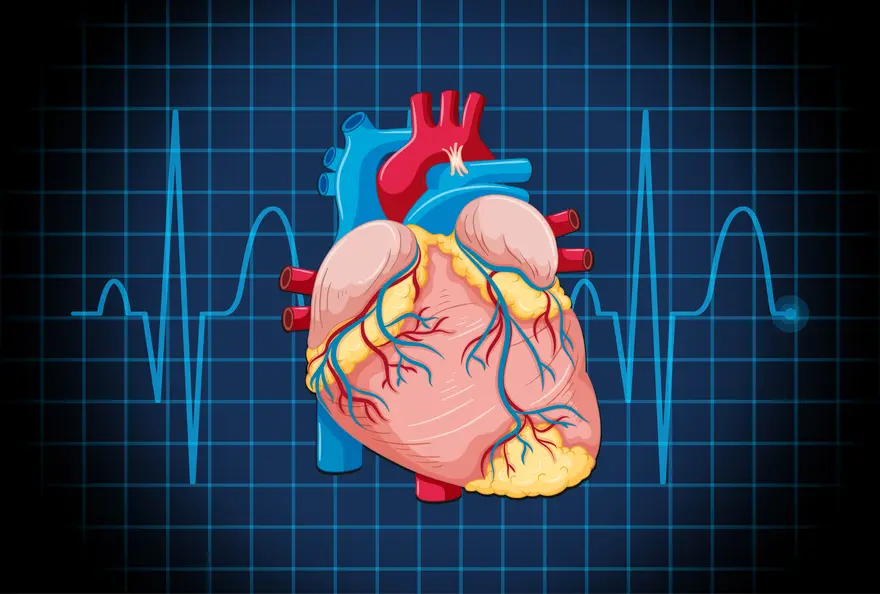
Table of Contents
What Is an Enlarged Heart?
An enlarged heart, medically known as cardiomegaly, is a condition where the heart becomes bigger than its normal size. It's not a disease itself but rather a sign of an underlying heart problem. The enlargement can occur in two ways: either the heart's chambers become dilated (stretched and thinned) or the heart walls become hypertrophied (thickened). Both these changes can impair the heart's ability to pump blood effectively and maintain a normal electrical rhythm.
Common causes of an enlarged heart, or cardiomegaly causes, include high blood pressure, coronary artery disease, heart valve problems, cardiomyopathies, and sometimes pregnancy. Depending on the underlying cause, the enlargement may be temporary or permanent.
Who Does an Enlarged Heart (Cardiomegaly) Affect?
While cardiomegaly causes can affect anyone, some people are at higher risk. This includes individuals with long-standing hypertension, coronary artery disease, heart valve disorders, or cardiomyopathies. Pregnant women and those with thyroid problems, kidney disease, or a family history of heart issues are also more prone to developing an enlarged heart.
What Happens if You Have Cardiomegaly?
When you have cardiomegaly, your heart may not pump as efficiently as it should. This can lead to symptoms like breathlessness, swelling, abnormal heart rhythms, and even heart failure if left untreated. An enlarged heart also increases your risk of blood clots, stroke, and sudden cardiac arrest.
Symptoms of an Enlarged Heart
In many cases, an enlarged heart causes no noticeable symptoms. When present, common enlarged heart symptoms include:
- Shortness of breath, especially when lying down or at night
- Fatigue and weakness
- Heart palpitations or irregular heartbeats
- Swelling in the legs, ankles, or abdomen
- Dizziness or fainting spells
- Reduced ability to exercise or be physically active
If you experience worsening swelling and breathlessness at night, it could indicate progressing heart failure due to your enlarged heart.
Causes of Enlarged Heart
An enlarged heart develops when the heart muscle is damaged or forced to work harder than normal for a prolonged period. The two main structural changes that occur are:
- Dilation: The heart chambers become stretched and thin.
- Hypertrophy: The heart walls become thickened.
Some of the most frequent causes of these changes include:
- High blood pressure: Chronic hypertension makes the left ventricle work harder, causing its walls to thicken (hypertrophy). Over time, this can lead to chamber dilation and weakened heart function.
- Coronary artery disease and heart attack: When the heart muscle is deprived of oxygen due to narrowed arteries or damaged by a prior heart attack, it can become weakened, leading to dilated chambers and reduced pumping ability.
- Heart valve problems: Conditions like aortic stenosis cause pressure overload and hypertrophy, while aortic or mitral valve regurgitation leads to volume overload and dilation.
- Cardiomyopathies: Disorders that affect the heart muscle itself—dilated, hypertrophic, or restrictive cardiomyopathies—can cause the heart to enlarge. These may be due to genetic factors, autoimmune diseases, alcohol or drug toxicity, or sometimes unknown reasons.
- Myocarditis: Inflammation of the heart muscle, often from a viral infection, can cause acute or chronic dilation.
- Pregnancy: The increased demand on the heart during pregnancy can sometimes cause temporary enlargement. Rarely, a condition called peripartum cardiomyopathy can cause lasting dilation and lead to heart failure symptoms.
Other contributing factors include:
- Thyroid disorders (hyperthyroidism or hypothyroidism)
- Severe anaemia, which increases cardiac output
- Pulmonary hypertension and lung diseases like COPD
- Congenital heart defects
- Persistent tachyarrhythmias like atrial fibrillation
- Kidney failure leading to fluid overload and hypertension
- Heavy alcohol use and certain chemotherapy drugs
Treating the underlying condition is crucial to managing an enlarged heart and preventing complications. This may involve medications for hypertension or heart failure, procedures to open blocked arteries or fix valves, controlling abnormal rhythms, and addressing any endocrine, kidney, or blood-related issues.
Risk Factors
Several factors can increase your likelihood of developing cardiomegaly:
- Long-standing high blood pressure
- Coronary artery disease and prior heart attack
- Diabetes and obesity
- Sleep apnoea
- Chronic kidney disease
- Heart valve disorders
- Family history of cardiomyopathy or sudden cardiac death
- History of myocarditis or congenital heart disease
- Pregnancy or recent childbirth
- Thyroid problems
- Chronic anaemia or lung conditions
- Sustained rapid heart rhythms
Unhealthy lifestyle habits like smoking, excessive alcohol intake, and using certain drugs that affect the heart can also elevate your risk. As you age, the cumulative burden on your heart increases, making enlarged hearts more common in older adults. Some genetic variants can lead to cardiomyopathies even at a younger age.
Complications
Without proper treatment, an enlarged heart can lead to serious complications over time:
- Heart failure: As the heart chambers enlarge and the muscle weakens, the heart may fail to pump blood effectively, causing fluid buildup and worsening symptoms.
- Abnormal heart rhythms: Changes in the heart's size and structure make it more prone to arrhythmias like atrial fibrillation and ventricular tachycardia. These can cause palpitations, fainting, and even sudden cardiac arrest.
- Blood clots: Dilated, poorly contracting heart chambers (especially with atrial fibrillation) allow blood to pool and form clots, which can travel to the brain, causing a stroke, or to other organs.
- Valve problems: Enlargement of the heart can prevent the valves from closing tightly, worsening regurgitation and further increasing the heart's workload.
- Pulmonary hypertension and right heart failure: Prolonged left-sided heart problems or primary lung diseases can cause increased pressure in the lungs and right side of the heart, leading to right ventricular enlargement and failure.
- End-organ damage: Reduced blood flow to the kidneys and other vital organs can cause a gradual decline in their function.
Diagnosis
If your doctor suspects an enlarged heart, they will start with a thorough medical history and physical exam. A chest X-ray may reveal an enlarged cardiac silhouette, often the first clue, but further tests are needed for confirmation. To confirm the diagnosis and determine the severity, your doctor will likely order an echocardiogram (ultrasound of the heart) to precisely measure the size of the heart chambers and assess its pumping function.
Tests for Enlarged Heart
Blood Tests
Blood tests help detect conditions linked to heart enlargement, such as thyroid issues, anaemia, or infections. They can also reveal markers of heart failure or inflammation, offering clues about possible underlying causes of cardiomegaly.
Chest X-ray
A chest X-ray can show if the heart is larger than normal and whether there is fluid buildup in the lungs, often a sign of heart failure.
Electrocardiogram (ECG or EKG)
An ECG records the heart’s electrical activity, identifying irregular rhythms or damage from a past heart attack. It also helps detect underlying issues such as cardiomyopathy. Cardiomyopathy refers to a disease of the heart muscle that weakens its pumping ability and may lead to enlargement.
Echocardiogram
This ultrasound of the heart shows its structure and function in detail. It can reveal thickened walls, chamber size, and how efficiently the heart is pumping.
Exercise Tests or Stress Tests
These evaluate how the heart responds to physical exertion, identifying circulation or rhythm problems that may not appear at rest.
Cardiac Computed Tomography (CT) Scan or Magnetic Resonance Imaging (MRI)
CT and MRI scans produce detailed images of the heart’s anatomy. They help detect structural defects, valve problems, or tumours that could cause enlargement.
Cardiac Catheterisation
In this procedure, a thin tube is guided through a blood vessel into the heart. It measures pressures, checks for blockages, and sometimes collects tissue samples. It can also help guide decisions for enlarged heart treatment, which may involve medication, surgery, or lifestyle changes depending on the cause.
Treatment
Medications
- Diuretics: Help reduce excess fluid and ease strain on the heart
- ACE inhibitors or ARBs: Relax blood vessels, lower blood pressure, and improve heart function
- Beta-blockers: Slow the heart rate and reduce workload
- Anticoagulants (blood thinners): Prevent dangerous blood clots in patients with certain heart rhythm issues
- Antiarrhythmic drugs: Stabilise abnormal heart rhythms
- Aldosterone antagonists: Control fluid balance and lower heart stress
- Medications for underlying conditions: For example, thyroid medicine, diabetes control drugs, or antibiotics for infections
Surgery or Other Procedures
- Valve repair or replacement: Correct faulty valves that can cause or worsen heart enlargement
- Coronary artery bypass graft (CABG): Restores blood flow when blocked arteries are the cause
- Implantable cardioverter-defibrillator (ICD): Detects and corrects dangerous heart rhythms
- Pacemaker: Regulates slow or irregular heartbeats to improve pumping efficiency
- Left ventricular assist device (LVAD): Supports heart function in advanced heart failure
- Heart transplant: Considered when other treatments fail and the patient meets strict criteria
- Septal myectomy: Removes part of the thickened heart muscle in specific cardiomyopathy cases
- Minimally invasive procedures: Such as catheter-based repairs for valve or structural issues
Enlarged heart treatment choice depends on the cause, severity, and patient health status, aiming to relieve symptoms, improve quality of life, and prevent complications.
Prevention
While not all enlarged heart cases are preventable, healthy lifestyle choices can lower the risk. Some other measures are:
- Maintain a balanced diet, exercise regularly, and manage conditions like high blood pressure, diabetes, and thyroid disorders.
- Avoid excessive alcohol, quit smoking, and maintain a healthy weight.
- Regular check-ups help detect early cardiomegaly symptoms, allowing timely intervention to protect heart health and prevent progression to serious complications.
For accurate diagnosis and early detection of heart conditions, advanced testing services from centres like Metropolis Healthcare can be invaluable.
FAQs
1. How common is cardiomegaly?
Cardiomegaly, or enlarged heart, is relatively common, often developing as a result of high blood pressure, heart valve disease, or cardiomyopathy.
2. Is cardiomegaly serious?
Yes, it can be serious. An enlarged heart may signal underlying heart disease and increase the risk of heart failure or arrhythmias.
3. Complications/side effects of the treatment
Medications may cause dizziness, fatigue, low blood pressure, or electrolyte imbalances. Surgical procedures carry risks like infection, bleeding, or device-related issues.
4. Does cardiomegaly go away?
In some cases—such as when caused by temporary conditions like pregnancy or infections—enlarged heart conditions can improve with treatment. Chronic causes may not fully reverse.
5. Can you reduce an enlarged heart?
Yes, with proper management of the underlying cause, healthy lifestyle changes, and prescribed medication, the heart function may improve, and in some cases, heart size may return closer to normal.
6. Which food should I avoid for heart patients?
Limit high-salt foods, processed snacks, fried items, sugary drinks, and red or processed meats to protect heart health.
7. Which medicine is very harmful to the heart?
Certain chemotherapy drugs, some NSAIDs, and specific weight-loss medications can harm the heart if misused or taken long-term.
8. How long can someone live with an enlarged heart?
Life expectancy depends on the cause, severity, and how well the condition is managed. Many live for years with proper care.
9. What medication is used for an enlarged heart?
Common options include diuretics, ACE inhibitors, beta-blockers, anticoagulants, and drugs to treat underlying conditions like high blood pressure or arrhythmias.