Home Visit
 Upload






Preventive Healthcare
Tomato Flu: Signs, Symptoms, Causes, Prevention and Treatment
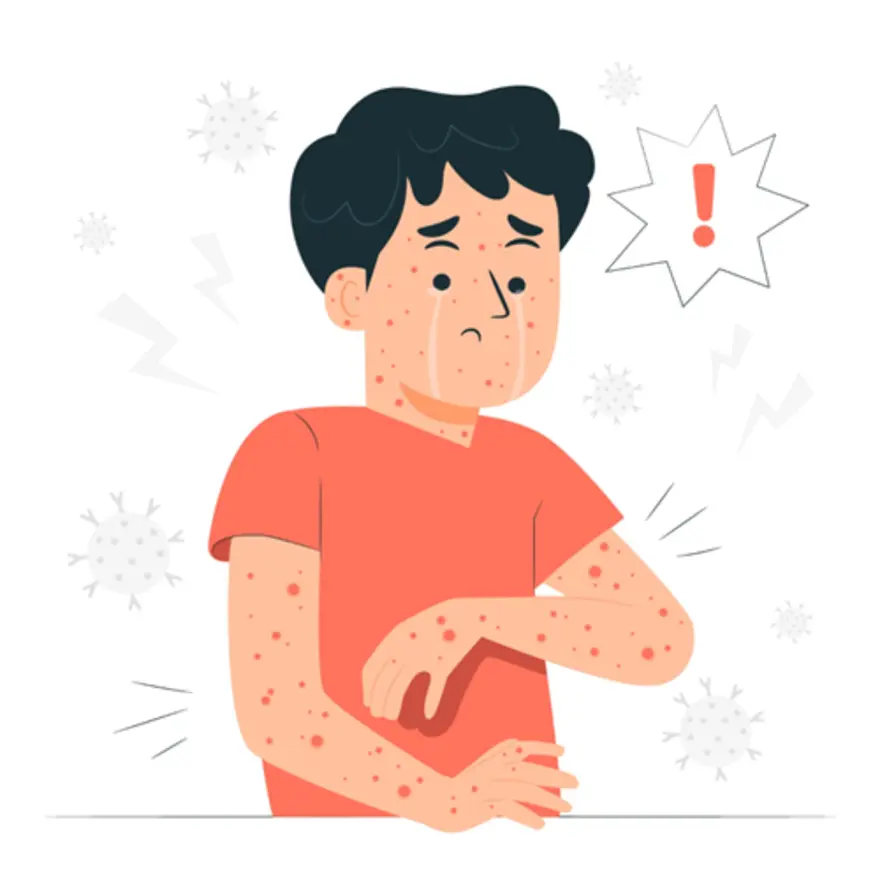
Table of Contents
Noticing unusual symptoms like red rashes or a mild fever can naturally cause worry, especially when you’re unsure of the cause. Tomato flu is a lesser-known viral infection that shares some signs with common illnesses, but with the right knowledge, you can respond calmly and confidently.
By learning about its symptoms, causes, and how to reduce the risk of spread, you’ll be better prepared to care for yourself or someone close to you.
What is Tomato Flu?
You might be wondering what is tomato flu and how it affects people. Tomato flu is a term used for a viral illness reported primarily in children in parts of India since 2022. It is characterized by red, blister-like rashes resembling tomatoes. Current reports suggest it may be linked to hand, foot, and mouth disease caused by coxsackievirus A16 or other enteroviruses, rather than being a completely new virus.
Available evidence indicates the illness is self-limiting and not life-threatening in healthy individuals, resolving with rest, hydration, and symptomatic care. Still, being aware of the signs and preventive steps can help you feel more prepared and less anxious.
Symptoms of Tomato Virus
If you notice unusual symptoms in yourself or your child, it’s normal to feel concerned. Tomato flu virus symptoms often resemble those of other viral infections, so knowing what to look for is important. Early recognition can lead to better care and quicker recovery.
Here are the common signs to look out for:
- Red, painful blisters or rashes: These often resemble tomatoes in shape and colour. They can appear on hands, feet, and around the mouth.
- Fever: A mild to moderate fever is common and may be accompanied by chills.
- Fatigue: You or your child may feel unusually tired and low on energy.
- Body aches: General muscle or joint pain can occur, making movement slightly uncomfortable.
- Skin irritation: The rashes may itch or cause a burning sensation.
- Dehydration: Due to fever or reduced appetite, there may be signs of dehydration such as dry lips or less urination.
- Irritability in children: Younger children may become more fussy, cranky, or show changes in appetite or sleep.
- Swelling of joints: In some cases, mild joint swelling may be observed, though it's not common.
Staying alert to these symptoms can help you decide when to seek medical advice and how to provide home care effectively.
Causes of Tomato Flu
Understanding what causes tomato flu can make you feel more in control and confident in dealing with it. Although the exact cause is not always confirmed, several factors are thought to contribute to its spread.
Here are some likely causes and contributing factors:
- Viral infection: No specific antiviral treatment exists; management is supportive, focusing on symptom relief. Most cases resolve within 7–10 days without complications.
- Weakened immunity: People, especially children, with weaker immune systems may be more susceptible.
- Poor hygiene practices: Sharing personal items like towels or toys can lead to the spread of the virus.
- Close physical contact: Hugging, touching, or playing with an infected individual can pass the infection.
- Contaminated surfaces: Virus particles may linger on surfaces, making it easier to contract through touch.
- Community settings: Daycares, schools, and parks where children are in close contact can increase the risk.
- Unclean surroundings: Areas not properly cleaned or sanitised may promote the virus’s survival.
By recognising these causes, you can take simple steps to reduce your exposure and protect your loved ones.
Risk & Complications
While tomato fever is usually mild and manageable, understanding the risks can help you take early steps to prevent complications. Knowing when to watch closely or seek help is reassuring, especially when it involves children.
Here are the potential risks and complications:
- High fever: If not managed, fever may cause discomfort, dehydration, or fatigue.
- Severe skin irritation: Intense itching or burning from the rashes may lead to scratching and skin infections.
- Dehydration: Loss of fluids through fever, diarrhoea, or poor appetite can lead to mild dehydration.
- Secondary infections: Scratched blisters may become infected by bacteria, requiring medical attention.
- Irritability and restlessness in children: Symptoms may disrupt their sleep and daily routine, causing emotional distress.
- Joint pain: Though usually temporary, it may affect movement in young children.
- Confusion with other illnesses: Tomato flu can look similar to other viral infections like dengue or chickenpox, leading to delays in correct care.
Knowing these risks allows you to monitor symptoms carefully and seek help early when needed.
Treatment For Tomato Fever
If you or your child has been diagnosed with tomato fever, you might be wondering what to do next. The good news is that tomato flu treatment is mostly supportive and focuses on relieving symptoms and keeping the person comfortable.
Here is what you can do:
- Plenty of rest: Allow your body to recover by avoiding any strenuous activity and getting sufficient sleep.
- Stay hydrated: Encourage water, soups, or oral rehydration solutions to replace lost fluids.
- Pain relief: Over-the-counter pain relief, such as paracetamol (as advised by your doctor), can help reduce fever and discomfort.
- Cool compresses: Applying a cool cloth to rashes or the forehead can provide relief.
- Moisturising creams: For itchy or irritated skin, using a mild and fragrance-free moisturisers may help.
- Avoid scratching: Keep fingernails trimmed and distract young children from scratching to prevent infections.
- Isolation: Keep the affected person away from others until symptoms settle, usually 5 to 7 days.
- Consult your doctor: Especially if symptoms worsen, the fever persists, or you notice signs of infection in the blisters.
No specific antiviral treatment is currently needed, as the virus usually resolves on its own. Staying calm and focused on symptom relief can make recovery more comfortable and safe.
Tomato Flu Prevention
Preventing tomato flu virus in the first place can give you peace of mind and reduce the risk of spread, especially in community settings or homes with children.
Here are steps you can take to help prevent infection:
- Good hygiene: Encourage regular handwashing with soap, especially before meals or after using the toilet.
- Avoid sharing personal items: Items like towels, utensils, and water bottles should be kept separate.
- Sanitise surfaces: Regularly clean commonly touched areas like doorknobs, toys, and tabletops.
- Keep sick individuals isolated: Until symptoms subside, limit contact with anyone showing signs of illness.
- Teach children hygiene: Educate them on covering their mouths when coughing and washing hands after sneezing.
- Monitor community spread: If there are reports of tomato flu in schools or local areas, stay cautious and informed.
- Support immunity: A balanced diet, good sleep, and hydration can keep the body resilient.
- Use disposable tissues: Encourage use of tissues for runny noses or coughs, followed by proper disposal.
Simple preventive measures, when done consistently, can significantly lower the chance of getting infected or passing it to others.
What To Do When Your Child Gets Infected?
Finding out your child has tomato fever can be stressful, but with the right approach, you can support their recovery and reduce the spread to others.
Here are the steps to take:
- Keep them home from school: Allow time for rest and reduce the chance of spreading the infection.
- Maintain hydration: Offer water and fluids regularly, especially if they have a fever.
- Soothe skin irritation: Apply a doctor-recommended cream to calm rashes.
- Watch for worsening symptoms: Seek medical help if the fever doesn’t improve or the child becomes very irritable or sluggish.
- Offer comfort and calm: Keep their environment quiet and comforting to help them rest.
- Follow medical advice: Use medications only as directed by your healthcare provider.
By staying patient and proactive, you can help your child feel better soon and ease your own concerns.
Conclusion
Staying informed about tomato flu helps you take calm, thoughtful steps if symptoms arise. With simple hygiene, early care, and good health habits, this illness can often be managed at home.
If you are unsure about the symptoms or need reliable testing, professional support makes a big difference. Metropolis Healthcare offers trusted diagnostic services, including home sample collection and fast, accurate reports. Their expert team and advanced labs ensure you get the clarity you need—right when you need it most.
FAQs
Is Tomato flu contagious?
Yes, the illness is contagious, likely spreading through close contact, respiratory droplets, or contaminated surfaces, similar to HFMD. Good hygiene and isolation can help reduce the risk of passing it on to others.
Is there cause for worry?
Generally, no. Tomato flu is mild and usually resolves on its own with rest and care. While symptoms may seem uncomfortable, they rarely lead to serious health issues. Stay calm, monitor symptoms, and consult a doctor if unsure.
Does Tomato flu have anything to do with COVID-19?
No, tomato flu is unrelated to COVID-19. Although both are viral illnesses, they are caused by entirely different viruses and have distinct transmission routes and complications. Their symptoms may overlap slightly, but they are separate infections and require different monitoring and management approaches.
What are the first symptoms of tomato fever?
The first symptoms often include red, painful rashes or blisters, a mild fever, fatigue, and body aches. You may also notice irritability in children or skin discomfort. These signs typically appear in the early stage of infection.
How long will tomato fever last?
Tomato fever usually lasts between 7 to 10 days. Most people recover fully with rest, fluids, and symptom care. If symptoms persist or worsen beyond this period, it’s best to seek medical advice for further evaluation.