Home Visit
 Upload






Preventive Healthcare
What Are Stretch Marks? Causes, Types, and How to Manage Them
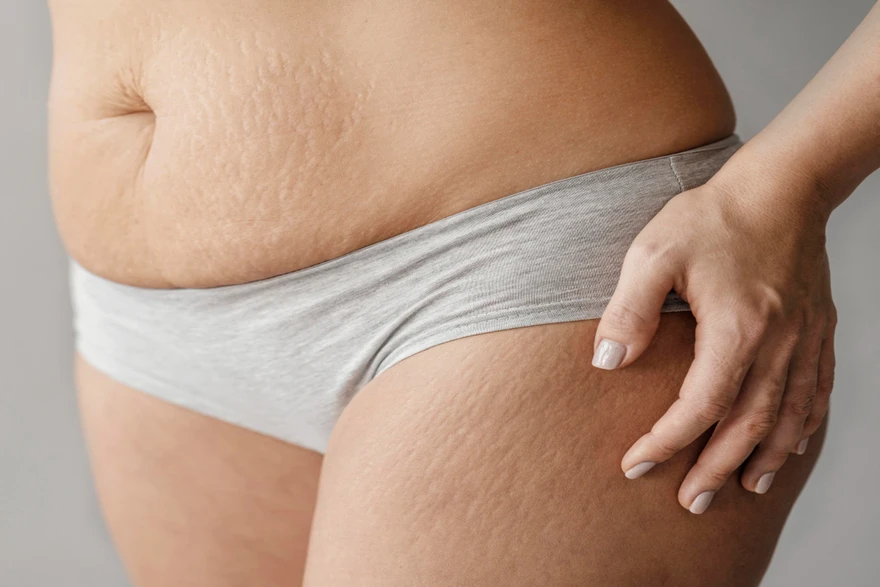
Table of Contents
What Are Stretch Marks?
Stretch marks are narrow, streak-like lines that appear on the surface of the skin. They may appear slightly indented and can vary in colour, including shades of red, purple, or silvery white. These marks typically form in areas where the skin has undergone a degree of tension. While they don't cause any physical harm or discomfort, their appearance may lead some individuals to feel self-conscious. Stretch marks are a common and natural occurrence, affecting people of all ages and body types. Over time, they may fade and become less noticeable, blending more with the surrounding skin.
Who Do Stretch Marks Affect?
Stretch marks can affect people of all ages, genders, and ethnicities. However, they are more common during periods of hormonal changes or rapid growth, such as:
- Pregnant women
- Adolescents going through puberty
- Individuals experiencing sudden weight gain or loss
- Bodybuilders or athletes with rapid muscle growth
Certain medical conditions, like Cushing's syndrome, or genetic disorders, such as Marfan syndrome, can also make you more prone to developing stretch marks. Family history is also one of the stretch marks causes, indicating a genetic predisposition.
Symptoms of Stretch Marks
Stretch marks symptoms may include:
- Red, purple, pink, or dark streaks on the skin
- Slight itching or irritation in the affected area
- Raised or indented lines when stretch marks first appear
- Fading of color over time to white, silver, or skin tone
- Thinner or wrinkled appearance of the affected skin
- Flat or slightly depressed streaks as they mature
What Causes Stretch Marks?
Here are some of the stretch marks causes:
- Rapid skin stretching: When the skin expands quickly, such as during pregnancy or rapid weight gain, the collagen and elastin fibres in the dermis can break, leading to stretch marks.
- Hormonal changes: Fluctuations in hormone levels, particularly during pregnancy, puberty, and cortisol therapy, can affect skin elasticity and increase the likelihood of developing stretch marks.
- Genetics: Having a family history of stretch marks may increase your risk of developing them.
- Certain medical conditions: Disorders like Cushing's syndrome, Marfan syndrome, and Ehlers-Danlos syndrome can affect collagen production and skin elasticity, making stretch marks more likely to occur.
Risk Factors
Some individuals are more susceptible to developing stretch marks due to the following risk factors:
- Being female, especially during pregnancy
- Rapid weight changes, including obesity or weightlifting
- Adolescence and puberty-related growth spurts
- Use of corticosteroid creams or oral steroids
- Family history of stretch marks
- Medical conditions affecting connective tissue or hormone levels
- Skin type and colour (may influence visibility but not occurrence)
Diagnosis
Stretch marks, or striae, are diagnosed mainly through medical history and physical examination. Doctors review factors like pregnancy, puberty, rapid weight changes, or prolonged corticosteroid use that could cause skin stretching to suggest stretch mark removal options. Early stretch marks (striae rubrae) appear red or purple and slightly raised, while older ones (striae albae) are pale and flat. They commonly occur on the abdomen, thighs, breasts, and buttocks.
If the cause is unclear, doctors consider other conditions such as Cushing’s syndrome or connective tissue disorders like Marfan or Ehlers-Danlos syndrome. Additional tests, including hormone panels or skin biopsies, are only done if a systemic disorder is suspected.
Stretch Marks Treatment
While stretch marks cannot be completely erased, several treatments, such as cream to get rid of stretch marks can help reduce their appearance and promote skin healing. Here are a few stretch marks treatment options to consider:
Retinoid Cream
Topical retinoids, such as tretinoin, can stimulate collagen production in the skin. By improving the texture and colour of newer stretch marks, retinoid creams may help them blend better with the surrounding skin. These stretch mark creams are usually recommended for treating early marks and should be avoided during pregnancy. Consistent use of stretch mark cream over several weeks to months is necessary for visible improvement.
Light and Laser Therapies
Various light and laser treatments can target damaged skin areas to promote collagen remodelling and improve the appearance of stretch marks. Different types of lasers, such as pulsed dye lasers or fractional CO₂ lasers, can help reduce redness and fade the marks to better match your natural skin tone. Multiple treatment sessions are typically required, and results may vary depending on your skin type and the age of the stretch marks.
Microneedling
Microneedling is a minimally invasive procedure that uses fine needles to create controlled micro-injuries in the skin. This process stimulates the production of collagen and elastin, which can help improve the texture and appearance of stretch marks. Microneedling can be combined with topical treatments for enhanced effects and may require multiple sessions for optimal stretch mark removal results.
Dermabrasion
Dermabrasion is a procedure that mechanically removes the top layer of the skin using a rapidly rotating device. By promoting new skin growth, dermabrasion can help improve the texture and appearance of stretch marks. However, it may require several treatments and can cause temporary side effects like redness, swelling, and changes in skin pigmentation.
Alternative Medicine
Some individuals may explore alternative or natural remedies for managing stretch marks. These methods include:
- Massaging the affected areas with natural oils like almond or coconut oil may help keep the skin hydrated and supple.
- Cream to get rid of stretch marks, containing ingredients like hyaluronic acid, can help improve skin hydration and elasticity.
- Herbal extracts, such as Centella asiatica, which may support collagen synthesis.
- Maintaining a consistent skincare routine and keeping the skin moisturised can contribute to overall skin health.
However, it is essential to note that scientific evidence supporting the effectiveness of these alternative approaches is limited. While they may help improve overall skin health and appearance, they are unlikely to completely remove stretch marks.
Prevention
Preventing stretch marks entirely may not be possible, but you can take steps to minimise their occurrence:
- Maintain a healthy, stable weight to avoid rapid skin stretching
- Stay well-hydrated and eat a balanced diet rich in vitamins and minerals to support skin health
- Use a moisturiser regularly to keep your skin supple and hydrated
- If you are pregnant, gently massage your skin with a moisturiser or oil to improve elasticity
- Avoid excessive sun exposure, as it can break down collagen and elastin fibres in the skin.
If you are concerned about your stretch marks or wish to explore treatment options, consult with a dermatologist or doctor. They can assess your individual case and recommend the most suitable approach for your needs.
At Metropolis Healthcare, we understand the importance of feeling confident and comfortable in your own skin. Our team of highly skilled pathologists and technicians offers comprehensive diagnostic testing services, including blood tests and health check-ups, to help you monitor your overall health and well-being. With our convenient at-home sample collection and online report access, prioritising your health has never been easier.
FAQs
How do stretch marks affect my body?
Stretch marks are a cosmetic concern and do not pose any health risks. They do not cause pain or discomfort and do not affect your body's functions.
Are stretch marks contagious?
No, stretch marks are not contagious. They are a result of skin stretching and cannot be transmitted from one person to another.
Does cocoa butter get rid of stretch marks?
While cocoa butter can help keep your skin moisturised and supple, there is limited scientific evidence to support its effectiveness in getting rid of stretch marks completely.
Do stretch marks go away?
Stretch marks typically fade over time but may not disappear entirely. The colour of the marks will gradually change from red or purple to silvery white, making them less noticeable.
How long do stretch marks take to fade?
The fading process of stretch marks can vary from person to person. In general, it may take several months to a few years for the marks to become less visible.
What can I expect if I have stretch marks?
If you have stretch marks, you can expect them to gradually fade in colour over time. They may not disappear completely, but they will become less noticeable. Treatments can help improve their appearance.
How can I reduce my risk of developing stretch marks?
To reduce your risk of developing stretch marks, maintain a healthy weight, stay hydrated, eat a balanced diet, and keep your skin moisturised. If you are pregnant, gently massage your skin to improve elasticity.
Is it normal for a 13 year old to have stretch marks?
Yes, it is normal for teenagers to develop stretch marks, especially during puberty when the body undergoes rapid growth. Hormonal changes during this period can also contribute to the development of stretch marks.
Do teenage stretch marks go away?
Teenage stretch marks may fade over time, but they may not disappear entirely. Maintaining a healthy lifestyle and using moisturisers can help improve their appearance.
Can exercise remove stretch marks?
While exercise cannot remove stretch marks directly, maintaining a healthy weight through regular physical activity can help prevent the development of new stretch marks and improve overall skin health.