Home Visit
 Upload






Preventive Healthcare
Stomach Polyps: Causes, Symptoms, and Treatment

Table of Contents
What Are Stomach Polyps?
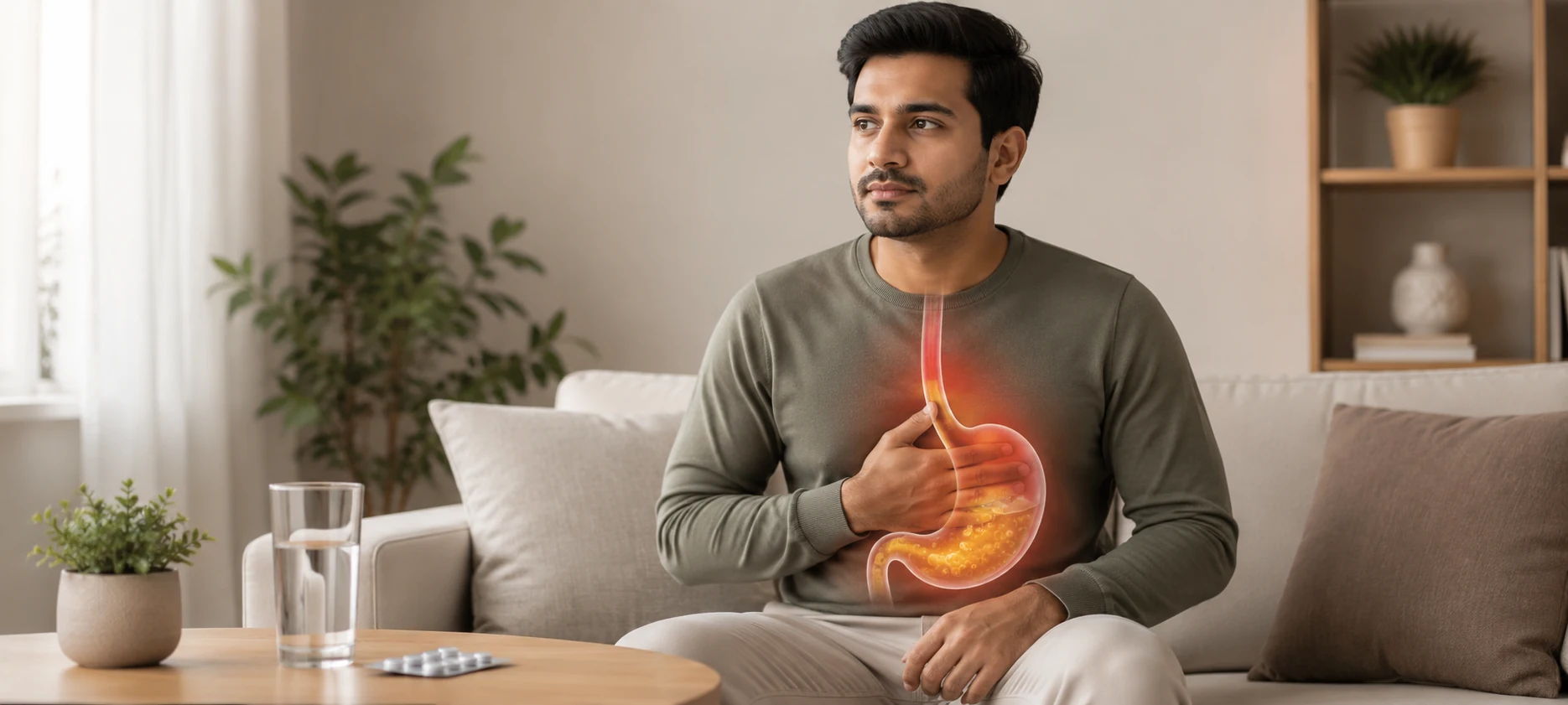
Stomach polyps (also called gastric polyps) are small growths that develop on the inner lining of the stomach. Most are harmless and discovered incidentally during an endoscopy done for unrelated digestive issues. These growths develop due to excessive cell proliferation on the stomach lining, often in response to irritation, inflammation, or genetic changes.
Gastric polyps occur in about 2% of the population. They are found in 6% of endoscopies, with fundic gland polyps (37–77%) being the most common type, according to a study published by the National Institutes of Health (NIH).
While most stomach polyps are benign, a few types may carry a potential risk of turning into stomach cancer if left untreated. Hence, regular check-ups and timely removal of suspicious polyps play an important role in maintaining gastrointestinal health.
Types of Stomach Polyps
The stomach may develop different kinds of polyps depending on the underlying cause. Common types include:
1. Fundic Gland Polyps
These are small, dome-shaped growths that form in the upper part of the stomach (fundus). They are often linked to long-term use of proton pump inhibitors and are usually harmless unless linked to a hereditary condition such as Familial Adenomatous Polyposis (FAP).
2. Hyperplastic Polyps
Hyperplastic polyps develop due to chronic inflammation of the stomach lining, often caused by Helicobacter pylori infection or gastritis. Although most are benign, larger ones carry a slight risk of turning cancerous and may require removal.
3. Adenomatous (Adenoma) Polyps
These are rare but precancerous polyps that arise from the glandular tissue of the stomach. Because they can progress to stomach cancer, they are typically removed during endoscopy and examined through biopsy.
4. Inflammatory Fibroid Polyps
These polyps form from the connective tissue in the stomach wall, often due to abnormal healing or inflammation. They are benign but can cause discomfort or bleeding if they grow large.
5. Hamartomatous Polyps
Hamartomatous polyps occur in individuals with inherited syndromes such as Peutz-Jeghers or Juvenile Polyposis. They often appear in multiple areas of the gastrointestinal tract and require regular genetic testing and screening.
What Causes Stomach Polyps?
The causes of stomach polyps vary from chronic irritation to hereditary syndromes. Common triggers include:
- Chronic inflammation (gastritis):
Persistent inflammation of the stomach lining, caused by Helicobacter pylori infection or autoimmune gastritis, leads to the overgrowth of cells, resulting in the formation of polyps. - Long-term PPI use:
Continuous intake of acid-suppressing medications can alter gastric secretions and increase the risk of fundic gland polyps. - Genetic predisposition:
Conditions such as Familial Adenomatous Polyposis (FAP) cause numerous polyps throughout the digestive tract, including the stomach. Genetic testing is recommended for early detection and diagnosis. - Stomach lining injury and repair:
Repeated injury from acid reflux or chronic inflammation can lead to abnormal regeneration of mucosal cells. - Lifestyle factors:
High-salt diets, smoking, alcohol consumption, and poor gut hygiene may worsen inflammation and promote polyp formation.
Symptoms of Stomach Polyps
In most people, stomach polyps cause no symptoms and are detected accidentally during a routine endoscopy or colonoscopy. However, when they grow larger, they may produce the following signs:
1. Upper Abdominal Pain or Discomfort
A dull ache or fullness in the upper abdomen, especially after meals, may occur when a polyp irritates the stomach lining.
2. Bloating or Indigestion
Persistent bloating, gas, or discomfort can result from obstruction of the food passage or inflammation of the stomach wall.
3. Nausea and Vomiting
When polyps interfere with digestion, they can trigger nausea or occasional vomiting after eating.
4. Loss of Appetite or Early Satiety
Feeling full quickly or having a reduced appetite may develop when polyps disrupt normal gastric emptying.
5. Blood in Stool or Black, Tarry Stools
Bleeding from irritated or ulcerated polyps can cause dark or tarry stools — a warning sign that requires immediate medical attention.
6. Fatigue or Unexplained Weight Loss
Chronic blood loss from polyps may lead to anaemia, resulting in weakness, fatigue, and gradual weight loss.
Examination and Diagnostic Tests for Stomach Polyps
Doctors use several tests to identify the type, size, and risk of stomach polyps:
1. Endoscopy
An upper gastrointestinal endoscopy helps doctors view the stomach lining directly and detect the presence, size, and number of polyps. During the procedure, a small tissue sample may be taken for biopsy.
2. Biopsy and Histopathology
A biopsy involves removing a tiny portion of the polyp for microscopic examination. It helps confirm whether the growth is benign, precancerous, or cancerous.
3. Genetic Testing (APC Gene Panel by NGS)
This test detects mutations in the Adenomatous Polyposis Coli (APC) gene, which is linked to hereditary polyp syndromes such as Familial Adenomatous Polyposis (FAP). It guides early detection and preventive screening for family members.
4. GI Endoscopic Biopsy with Reflex IHC
Performed on tissue collected during endoscopy, this test utilises immunohistochemistry (IHC) to identify the exact cell type and detect any abnormal or cancerous changes. It provides more detailed diagnostic insight for accurate treatment.
5. Colonoscopy
A colonoscopy may be recommended if hereditary polyposis is suspected to check for additional polyps in the colon or rectum. It helps assess the extent of gastrointestinal involvement.
Treatment for Stomach Polyps
Treatment depends on the type, size, and number of polyps, as well as the presence of symptoms or an increased risk of cancer.
- Monitoring small benign polyps:
Small, non-cancerous polyps may simply be monitored with periodic endoscopy. - Endoscopic polypectomy:
The most common treatment. The polyp is removed during endoscopy using a snare or cautery device. - Treating underlying causes:
Addressing H. pylori infection, discontinuing unnecessary PPIs, or treating gastritis helps prevent recurrence. - Follow-up:
Regular endoscopic screening helps detect new polyps early.
Is Surgery Needed for Stomach Polyps?
Surgery is rarely required. It is considered only if:
- The polyp is too large or deep for endoscopic removal.
- A biopsy indicates a high likelihood of malignancy.
- There are multiple polyps linked to a genetic syndrome.
Surgical resection involves removing part of the stomach wall containing the polyp, which is usually performed laparoscopically for a faster recovery.
Lifestyle Changes to Manage Stomach Polyps
Adopting healthy lifestyle habits can help reduce stomach inflammation and lower the risk of recurrence:
- Eat a balanced, fibre-rich diet with fruits, vegetables, and whole grains.
- Limit smoked, processed, and high-salt foods.
- Avoid smoking and alcohol.
- Manage acid reflux through smaller meals and by avoiding late-night eating.
- Discuss long-term use of acid-reducing drugs with your doctor.
Can Stomach Polyps Lead to Cancer?
While most stomach polyps are benign, adenomatous polyps and those linked to chronic gastritis or genetic syndromes may develop into stomach cancer over time.
Regular follow-up endoscopies and biopsy evaluation are crucial for early detection of malignant transformation.
If you have a family history of gastrointestinal cancers, consult your doctor about genetic testing and preventive screening.
Stomach Polyps and Diet
Diet plays a vital role in managing stomach health:
1. Eat Antioxidant-Rich Foods
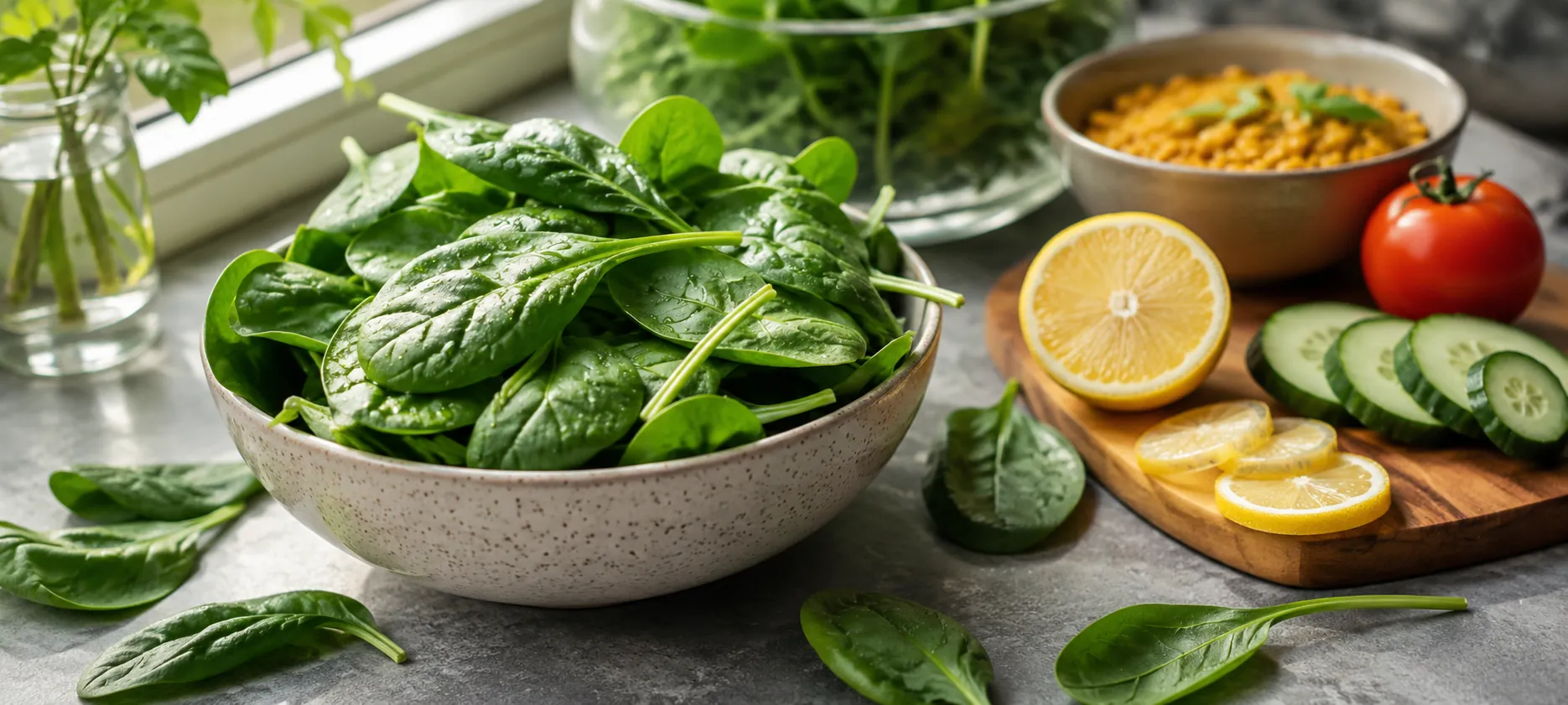
Include fruits and vegetables like berries, spinach, carrots, and tomatoes that help repair gastric tissues and fight oxidative stress.
2. Choose Lean Proteins
Opt for fish, eggs, tofu, and lentils instead of red or processed meats to support healthy digestion and reduce inflammation.
3. Avoid Spicy, Smoked, and Processed Foods
These can irritate the stomach lining and worsen gastritis, increasing the risk of hyperplastic polyps.
4. Limit Caffeine and Alcohol
Excessive coffee, tea, or alcohol stimulates acid production, which may aggravate stomach irritation and discomfort.
5. Eat Small, Frequent Meals
Having smaller meals throughout the day helps regulate digestion and prevent pressure on the stomach wall.
6. Stay Hydrated
Drinking 2–3 litres of water daily aids digestion, maintains mucosal health, and reduces acidity levels.
7. Include Probiotic Foods
Yogurt, kefir, and other fermented foods help promote healthy gut bacteria, supporting recovery from H. pylori infection and gastritis.
How to Prevent Stomach Polyps?
You can lower your risk through simple preventive steps:
1. Treat H. pylori Infection Early
Eradicating Helicobacter pylori bacteria with antibiotics prevents chronic gastritis, a major cause of hyperplastic polyps.
2. Limit Long-Term PPI Use
Use proton pump inhibitors only under medical supervision, as prolonged use can trigger fundic gland polyps.
3. Eat a Balanced, Anti-Inflammatory Diet
Include fruits, vegetables, and whole grains while avoiding processed and smoked foods that irritate the stomach.
4. Avoid Smoking and Alcohol
Both can damage the stomach lining, increase acid production, and raise the risk of developing polyps.
5. Go for Regular Endoscopy Screenings
If you have gastritis or a family history of gastrointestinal cancers, periodic endoscopy helps detect polyps early.
6. Consider Genetic Testing for High-Risk Families
Testing for mutations in genes like the APC gene identifies hereditary conditions, such as Familial Adenomatous Polyposis (FAP).
7. Manage Stress and Maintain a Healthy Weight
Chronic stress and obesity can worsen acid reflux and gastritis, indirectly promoting polyp formation.
When to See a Doctor?
You should seek immediate medical care if you experience:
- Persistent stomach discomfort or pain
- Vomiting blood or black stools
- Unexplained fatigue or weight loss
- Difficulty swallowing or recurrent indigestion
Early diagnosis ensures prompt treatment and prevents complications.
At Metropolis Healthcare, we make preventive care easier and more accessible.
From endoscopy and colonoscopy to genetic testing, our advanced diagnostics help detect gastric conditions early.
With 4000+ tests, NABL & CAP-accredited labs, 10,000+ touchpoints, and home sample collection, you get accurate results, faster turnaround, and complete convenience — all under trusted medical supervision.
If you’re experiencing persistent stomach discomfort, book a full body check-up or digestive health panel today through our website, app, or WhatsApp booking.
FAQ
What are the early signs of stomach polyps?
Most polyps cause no symptoms. Occasionally, mild stomach pain, bloating, nausea, or blood in stool may indicate their presence and require endoscopic evaluation.
How are stomach polyps treated?
Small polyps may be left alone, but they should be monitored. Larger or precancerous ones are removed through endoscopic polypectomy, and any infection or inflammation is treated simultaneously.
Are stomach polyps dangerous?
Usually not. However, adenomatous or large hyperplastic polyps can develop into cancer if left untreated. Regular medical monitoring is essential.
Can stress cause stomach polyps?
Stress does not directly cause polyps, but it can aggravate gastritis, which in turn increases the risk of developing them. Managing stress supports overall gut health.
What is the recovery time after surgery for stomach polyps?
Recovery after endoscopic removal typically takes 3 to 5 days. For surgical procedures, complete recovery typically takes 1–2 weeks, depending on the patient’s condition and the type of procedure.