Home Visit
 Upload






Preventive Healthcare
Understanding the Sternum: Functions, Symptoms of Injury, and Conditions
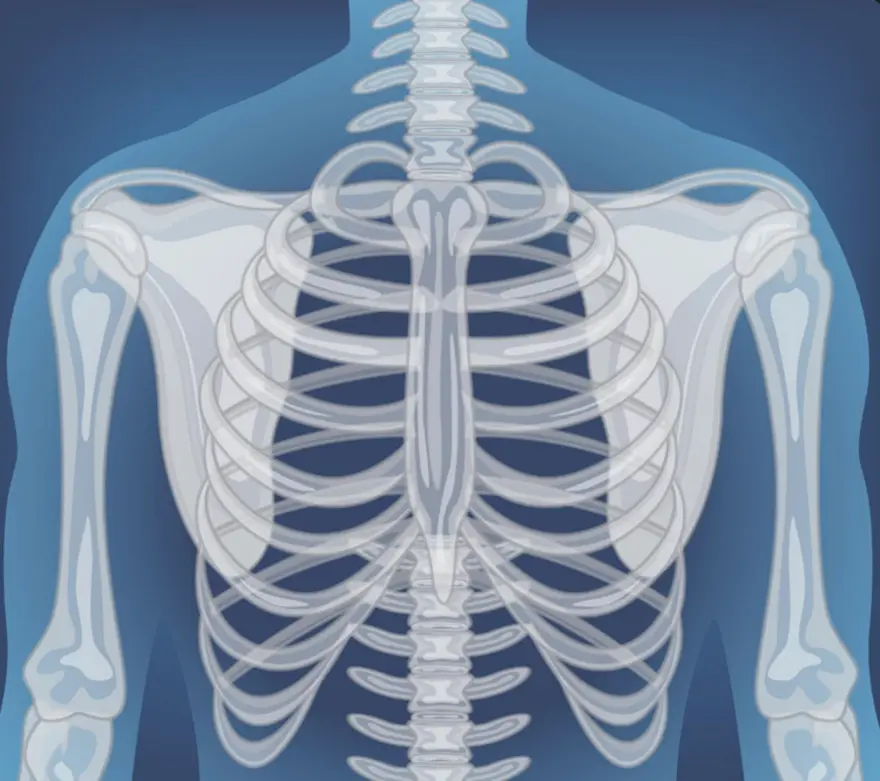
Table of Contents
- What Is Sternum?
- Where Is the Sternum Located?
- Anatomy of the Sternum
- How Does the Sternum Connect to the Rib Cage?
- Functions of the Sternum
- Sternum and Its Role in Protecting Vital Organs
- Sternum Anatomy in Men, Women, and Children
- Common Sternum Disorders & Conditions
- Causes of Sternum Pain
- Sternum Pain After Exercise or Coughing
- How are Sternum Conditions Diagnosed?
- Treatment Options for Sternum Injuries & Pain
- Recovery Time for Sternum Fractures & Inflammation
- When is Sternum Pain an Emergency?
- Prevention Tips for Sternum Injuries
- When to See a Doctor
- Conclusion
- FAQs
What Is Sternum?
The sternum, commonly called the breastbone, is a flat, elongated bone that forms the central front portion of your chest wall. This elongated, flat bone serves as the anchor point for your rib cage and provides structural support to your entire thoracic region.
Your sternum measures approximately 15–20 centimetres (about 6–8 inches) in length and consists of dense, protective bone tissue. The breastbone develops through a process in which separate bone segments gradually fuse during childhood and adolescence. This fusion creates the solid, unified structure that protects your heart, lungs, and other vital organs throughout your life.
Where Is the Sternum Located?
The sternum location is precisely in the midline of your chest, running vertically along your body's central axis. You can easily locate your breastbone by placing your hand flat against the centre of your chest, just below your collarbone.
Your sternum extends from the base of your neck down to the upper abdomen, forming the front wall of your rib cage.
Anatomy of the Sternum
- Manubrium: The broad, upper portion that connects to your collarbones and first two ribs
- Body (Gladiolus): The longest middle section that attaches to ribs three through seven
- Xiphoid Process: The small, pointed lower tip that varies in shape between individuals
Key anatomical features include:
- Sternal Angle: The critical junction between the manubrium and body, serving as a landmark for the second rib
- Clavicular Notch: Grooves on either side of the manubrium where your collarbones attach
- Suprasternal Notch: The hollow at the top of your breastbone, easily felt at the base of your throat
- Costal Notches: Indentations along the sides where rib cartilages attach to the sternum
Parts of the Sternum Explained
The manubrium forms the uppermost portion of your sternum and serves as the attachment point for your first two ribs and both collarbones. This broad, shield-like segment measures approximately 5 to 6 centimetres in height. It provides crucial stability for your shoulder girdle, helping transfer forces from your arms and shoulders through the chest wall.
The body of the sternum, also called the gladiolus, is the longest segment at around 10 to 12 centimetres. It contains ridges where ribs two to seven attach, supporting muscle attachment and protecting the heart and major vessels.
The xiphoid process is small but significant, remaining cartilaginous until later adulthood and serving as an attachment for the diaphragm and abdominal muscles.
How Does the Sternum Connect to the Rib Cage?
The sternum connects to your rib cage through a sophisticated system of costal cartilages that form sternocostal joints. These flexible connections allow your chest to expand and contract during breathing while maintaining structural stability. The manubrium attaches to the first and second ribs, while the body connects to ribs 2–7 through these cartilaginous joints.
This connection system forms the anterior (front) portion of your rib cage, providing a protective enclosure for your vital organs. The sternum's function includes serving as the central anchor point that helps coordinate rib movements during respiration.
Functions of the Sternum
- Structural Support: Provides the central framework for your entire rib cage system
- Organ Protection: Creates a bony shield protecting your heart, lungs, and major blood vessels from frontal impacts
- Respiratory Facilitation: Enables chest wall movements essential for breathing by serving as the anchor point for rib attachments
- Muscle Attachment: Offers connection points for essential muscles, including the pectoralis major and sternocleidomastoid
Additional sternum functions include:
- Anatomical Landmark: Healthcare providers use the breastbone as a reference point for medical procedures and examinations
- Blood Cell Production: The bone marrow within the sternum produces red and white blood cells and platelets
- Calcium Storage: Like other bones, the sternum stores calcium and other minerals essential for metabolic processes
Sternum and Its Role in Protecting Vital Organs
The breastbone, working together with your rib cage, creates a shield that safeguards your heart, lungs, thymus gland, and major blood vessels from frontal trauma and impacts. This protective function becomes particularly important during accidents, sports activities, or emergency medical procedures like CPR. The sternum's central location and solid construction help absorb and distribute impact forces, reducing the risk of severe internal injuries. Simple actions like carrying heavy objects or playing contact sports rely on the breastbone's structural integrity to protect your vital organs.
Sternum Anatomy in Men, Women, and Children
Men typically have broader, thicker sterna than women, reflecting overall differences in chest wall dimensions and muscle mass. In children and adolescents, the sternum anatomy differs significantly from that of adults. The entire breastbone, particularly the xiphoid process, remains cartilaginous mainly during childhood, gradually ossifying as development progresses.
In some children and adults, incomplete fusion of the sternum may result in a small opening known as a sternal foramen. Adult sterna show more complete calcification and may develop age-related changes or deformities such as pectus excavatum (sunken chest) or pectus carinatum (protruding chest).
Common Sternum Disorders & Conditions
- Sternal Foramen: A harmless hole in the breastbone from incomplete fusion during development
- Pectus Excavatum: A sunken chest deformity that may compress internal organs
- Pectus Carinatum: A protruding chest deformity creating a 'pigeon chest' appearance
- Costochondritis: Inflammation of the cartilage connecting ribs to the sternum, causing chest pain
- Sternal Osteomyelitis: A serious bone infection requiring immediate medical attention
- Sternal Fractures: Usually result from severe blunt force trauma, such as car accidents
- Sternocostal Joint Injuries: Damage to the connections between ribs and sternum
Causes of Sternum Pain
- Chest trauma or injury from falls, car accidents, or sports impacts, potentially causing bruising, contusion, or sternal fracture.
- Costochondritis, inflammation of the cartilage where your ribs attach to the sternum
- Tietze syndrome, similar to costochondritis but with visible swelling of one or more costochondral joints
- Muscle strain affecting chest wall muscles from heavy lifting, intense exercise, or persistent coughing
- Surgical procedures involving the sternum, such as open-heart surgery, can lead to postoperative discomfort.
- Osteoarthritis or degenerative joint disease can affect the joints connecting the sternum and ribs.
- Inflammatory conditions such as rheumatoid arthritis and ankylosing spondylitis affect the joints of the chest wall.
- Bone infections of the sternum sometimes occur after surgery or trauma.
- Primary bone tumours or metastases (cancer spread) affecting the sternum.
- Gastro-oesophageal reflux disease causes burning sensations behind the breastbone.
- Cardiac causes, including angina or myocardial infarction (heart attack), require immediate medical attention.
- Pulmonary conditions such as pneumonia or pulmonary embolism (blood clots in the lungs).
- Anxiety or panic attacks cause chest tightness near the sternum.
Sternum Pain After Exercise or Coughing
Sternum pain following physical activity or persistent coughing typically results from strain or inflammation of the chest wall structures that attach to or move with your breastbone. High-intensity upper-body workouts can overload the chest wall muscles, costal cartilages, and joints attached to the sternum, leading to costochondritis, muscle strain, or irritation of the xiphoid process.
Similarly, prolonged forceful coughing from respiratory infections places significant stress on the ribs and costochondral joints, producing sharp or aching pain in the chest. The repetitive motion of coughing creates tension in the chest wall muscles and can inflame the delicate cartilage connections between your ribs and sternum.
How are Sternum Conditions Diagnosed?
- Detailed medical history, including onset, duration, character, and triggers of pain
- Assessment of recent trauma, surgery, infections, or new exercise routines
- Physical examination with palpation to reproduce pain patterns
- Chest X-rays to detect fractures, lung problems, or heart size changes
- CT scans for detailed evaluation of bone alignment, tumours, or post-surgical complications
- MRI to assess bone marrow, cartilage, soft tissues, and potential infections
- Ultrasound for evaluating superficial tissues and guiding procedures
- Blood tests for inflammatory markers (such as CRP Test, hsCRP (High Sensitivity CRP) Test) when infection is suspected
- Cardiac enzyme tests (such as troponin I/T, CK-MB, or comprehensive cardiac profiles) to rule out a heart attack if symptoms suggest cardiac involvement
- Complete blood count to assess for signs of infection or inflammation
- Electrocardiogram (ECG) to evaluate heart rhythm and detect cardiac issues
- Bone scans to identify areas of increased bone activity from fractures or tumours
- Pulmonary function tests or specialized panels (such as an ILD Complete profile if lung involvement is suspected) if breathing difficulties accompany chest pain
Treatment Options for Sternum Injuries & Pain
- Rest and avoid activities that exacerbate your pain
- Pain relievers that help with inflammation, like ibuprofen, according to the NHS
- Cold therapy using ice packs during the first 48-72 hours for acute injuries
- Heat application after the initial period to relax muscles and reduce stiffness
- Physical therapy involving guided stretching and strengthening exercises
- Corticosteroid injections into affected costochondral joints may relieve persistent inflammation and pain
- Antibiotics for bone infections affecting the sternum
- Disease-modifying therapies for inflammatory arthritis conditions
- Acid-suppressing medications for reflux-related chest pain
- Surgical fixation for significantly displaced fractures
- Chest wall stabilisation procedures for complex injuries
Recovery Time for Sternum Fractures & Inflammation
Recovery timelines for sternum-related conditions vary considerably depending on the specific diagnosis, injury severity, and individual healing factors. For sternal fractures, healing typically takes 6-8 weeks for the bone to unite sufficiently, though complete recovery may require 3-6 months. During this period, you'll need activity restrictions to prevent displacement of fracture fragments.
Costochondritis and other inflammatory conditions usually respond to treatment within 2-6 weeks, though some cases may persist for several months. Factors that influence recovery include age, overall health status, adherence to treatment recommendations, and the presence of underlying conditions like arthritis or autoimmune diseases.
When is Sternum Pain an Emergency?
- Severe, crushing, or squeezing chest pain that radiates to your arms, neck, jaw, or back
- Chest pain accompanied by shortness of breath, sweating, nausea, or dizziness
- Sudden, sharp chest pain with difficulty breathing may indicate a blood clot in your lungs.
- Chest pain following significant trauma (such as a car accident or major fall).
- Rapid or irregular heartbeat combined with chest discomfort
- Fainting or loss of consciousness associated with chest pain
- Chest pain that doesn't improve with rest or worsens progressively
Prevention Tips for Sternum Injuries
- Wearing appropriate seat belts and ensuring proper airbag function in vehicles
- Using proper protective equipment during sports and recreational activities
- Maintaining good posture to reduce strain on the chest wall muscles
- Avoiding activities that put excessive stress on your chest area when recovering from injury
- Learning proper lifting techniques to prevent muscle strain
- Maintaining a healthy body weight to reduce stress on your chest and musculoskeletal system
- Managing underlying conditions such as arthritis or osteoporosis that may increase fracture risk
- Avoiding smoking, which can weaken bones and impair healing
- Ensuring adequate calcium and vitamin D intake for bone health
- Managing stress levels, as tension can contribute to muscle strain and pain
- Following proper safety protocols in high-risk occupations
When to See a Doctor
- Chest pain that persists for more than a few days despite rest and over-the-counter pain relief
- Gradually worsening chest discomfort that interferes with daily activities
- Chest pain accompanied by swelling, redness, or warmth over the sternum area
- Recurring episodes of chest pain, particularly if they're becoming more frequent or severe
- Chest pain associated with fever, persistent cough, or difficulty breathing
- New chest symptoms if you have a history of heart disease, cancer, or other serious medical conditions
Conclusion
Understanding your sternum anatomy and function empowers you to recognise potential chest-related concerns and seek appropriate medical care. The breastbone's central role in protecting vital organs and supporting respiratory function makes it essential to address any persistent chest pain or discomfort promptly.
Key takeaways include recognising that costochondritis and other sternum conditions are treatable, understanding the normal location and anatomy of the sternum, and knowing when chest symptoms warrant medical evaluation. Early intervention often leads to better outcomes and prevents complications.
If you experience persistent chest pain, breathing difficulties, or concerns about your chest wall structure, consult a doctor for proper evaluation.
At Metropolis Healthcare, we support your journey toward better chest health with comprehensive diagnostic services. Our network of over 220 laboratories and 4,600 service centres ensures access to accurate testing when you need it most. With convenient home sample collection available at 10,000+ touchpoints across India, you can access essential blood tests and health screenings to identify underlying conditions contributing to chest symptoms.
FAQs
What is the function of the sternum?
- Protects vital organs, including the heart, lungs, and major blood vessels
- Provides attachment points for ribs, forming the protective rib cage structure
- Serves as an anchor point for major chest muscles involved in breathing and arm movement involved in breathing and arm movement
- Supports the structural integrity of the entire chest wall during daily activities
Why does my sternum hurt?
Sternum pain commonly results from costochondritis, muscle strain from exercise, or trauma. Persistent coughing, poor posture, and stress can also contribute to discomfort in this area.
Can the sternum break easily?
The sternum is relatively strong and doesn't break easily under normal circumstances. Fractures typically require significant trauma, such as car accidents or high-impact sports injuries, to occur.
How long does a fractured sternum take to heal?
- Initial bone healing typically occurs within 6-8 weeks
- Complete recovery may take 3-6 months, depending on fracture severity and complications
- Simple fractures heal faster than complex injuries involving multiple structures
- Age, overall health, and adherence to treatment recommendations influence healing time
What causes popping in the sternum?
Sternum popping usually results from the movement of cartilage and joints between the ribs and the breastbone.
Is sternum pain serious?
Most sternum pain is benign, often caused by muscle strain or costochondritis. However, pain accompanied by shortness of breath, sweating, or radiating symptoms requires immediate medical evaluation.
Can costochondritis cause sternum pain?
Yes, costochondritis directly causes sternum pain by inflaming the cartilage connections between ribs and breastbone.
Where is the sternum located?
The sternum location is at the centre of your chest, running vertically from just below your collarbone to the upper abdomen, forming the front part of your rib cage.
What organs does the sternum protect?
The sternum protects your heart, lungs, major blood vessels, and part of the oesophagus. It forms a vital protective barrier for these essential organs within your chest cavity.
Can exercise cause sternum pain?
Yes, exercise can cause sternum pain from muscle strain, costochondritis, overuse, or poor technique. Activities such as heavy lifting, push-ups, or high-impact sports may irritate the chest muscles or rib joints and worsen pain with repeated movement.