Home Visit
 Upload






Preventive Healthcare
What is an Osteophyte? Causes, Symptoms, and Treatment Options
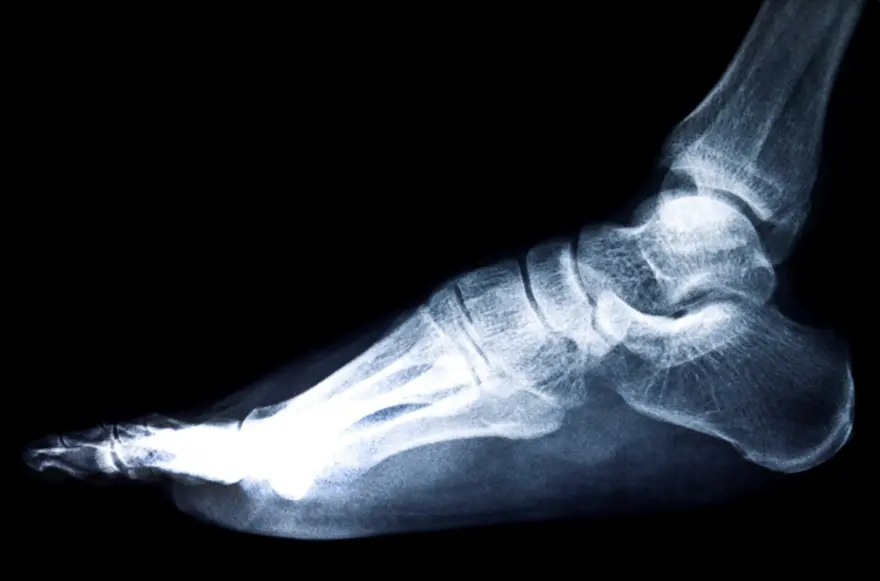
Table of Contents
- What is an Osteophyte (Bone Spur)?
- Where do Osteophytes Commonly Occur?
- What Causes Osteophytes to Form?
- How do Osteophytes Develop (Pathophysiology)
- Types of Osteophytes
- Symptoms of Osteophytes
- Asymptomatic Osteophytes: When You May Not Feel Anything
- Osteophytes in the Spine
- Osteophytes in the Knee
- Osteophytes in the Hip
- Heel Spurs (Calcaneal Osteophyte)
- Osteophytes in Shoulders & Fingers
- What Causes Osteophyte Pain?
- How Osteophytes Are Diagnosed
- Treatment Options for Osteophytes
- Complications of Untreated Osteophytes
- Prevention Tips for Osteophytes
- When to See a Doctor for Osteophyte Symptoms?
- Conclusion
- FAQs
What is an Osteophyte (Bone Spur)?
An osteophyte is a smooth, bony outgrowth that develops along the edges of bones, particularly where bones meet at joints or along your spine. These bone spurs form gradually as Your body’s adaptive response to mechanical stress, pressure, or cartilage damage. The development of bone spurs often accompanies conditions like osteoarthritis, where cartilage breakdown triggers your body's repair mechanisms. Osteophytes typically appear as small, pointed projections on X-rays, resembling small bony ridges or spikes extending from the bone’s surface.
Where do Osteophytes Commonly Occur?
- Spine (cervical, thoracic, lumbar): Along vertebral edges and around facet joints where spinal segments meet
- Knees: Around joint margins where the thighbone, shinbone, and kneecap connect, particularly with advancing osteoarthritis
- Hips: Along the rim of the hip socket, where the rounded femoral head meets the acetabulum
- Heels and feet: Especially on the underside of the heel bone, where the plantar fascia attaches, creating painful heel spurs
- Shoulders: Around the acromion and glenohumeral joint, often associated with rotator cuff problems
- Hands and fingers: Around the distal and proximal interphalangeal joints, forming characteristic Heberden’s and Bouchard’s nodes in osteoarthritis
- Other joints: Including elbows, wrists, and ankles, particularly following previous injuries or chronic stress
What Causes Osteophytes to Form?
• Osteoarthritis: The leading cause, where cartilage breakdown prompts compensatory bone growth at joint margins
• Natural ageing and wear-and-tear: Chronic joint use and microscopic damage accumulate over time, stimulating bone formation
• Tendonitis or ligament stress: Conditions like plantar fasciitis create chronic pulling forces that trigger bone spur development
• Spinal disc degeneration: Loss of disc height and instability trigger compensatory osteophyte formation along vertebral margins
• Previous injuries or trauma: Fractures, dislocations, or ligament tears can disrupt joint surfaces and promote abnormal bone growth
• Inflammatory conditions: Certain types of arthritis or metabolic disorders can contribute to excessive bone formation
How do Osteophytes Develop (Pathophysiology)
The formation of an osteophyte involves a complex biological process called osteophytosis. When cartilage becomes damaged or joints become unstable, your body activates special bone-forming cells called osteoblasts. These cells produce new bone tissue as a repair mechanism, often aiming to stabilise affected joints by reinforcing bone margins. In spinal conditions, disc degeneration creates cracks and loss of height, which loosens surrounding ligaments. Your body responds by growing bone spurs to reinforce these weakened areas.
Types of Osteophytes
• Marginal osteophytes: Develop along joint surface edges as part of degenerative arthritis in knees, hips, and finger joints
• Spinal osteophytes: Form on vertebral bodies, facet joints, or around nerve exit openings throughout the cervical, thoracic, and lumbar spine
• Enthesophytes: Arise where soft tissues attach to bone, such as heel spurs at plantar fascia insertions
• Acromial osteophytes: Develop on the shoulder blade's acromion process, often causing rotator cuff impingement
• Hand joint osteophytes: Create characteristic bony enlargements at finger joints known as Heberden’s nodes (distal joints) and Bouchard’s nodes (proximal joints)
• Hip rim osteophytes: Form along the hip socket edge or femoral neck in hip osteoarthritis and impingement syndromes
Symptoms of Osteophytes
• Joint pain or aching that typically worsens with activity
• Stiffness and reduced range of motion in affected joints
• Localised swelling or palpable bony prominences
• Grinding, catching, or locking sensations during joint movement
• Nerve-related symptoms, such as radiating pain, numbness, or tingling
• Back or neck pain
• Heel pain during standing or walking
• Shoulder pain during overhead activities
Asymptomatic Osteophytes: When You May Not Feel Anything
Because bone spurs are typically smooth and may not interfere with surrounding tissues or joint function, they often go completely unnoticed throughout a person's lifetime. These asymptomatic osteophytes represent signs of underlying wear-and-tear or age-related changes rather than active sources of pain or dysfunction.
Osteophytes in the Spine
Spinal osteophytes form along vertebral edges and facet joints due to disc degeneration and chronic stress. They may narrow nerve openings (foraminal stenosis) or press on the spinal canal, causing pain, stiffness, and nerve-related symptoms such as radiating pain, numbness, tingling, or weakness in specific areas of the arms or legs.
Osteophytes in the Knee
Knee osteophytes form along joint margins where the thighbone, shinbone, and kneecap meet, most commonly developing in the setting of knee osteoarthritis. These bone spurs can cause knee pain, stiffness, and grinding sensations during movement, particularly when climbing stairs, squatting, or rising from seated positions.
Osteophytes in the Hip
Hip osteophytes typically develop along the acetabular rim or femoral neck as hip osteoarthritis progresses, creating characteristic changes visible on X-rays. These bone spurs can cause deep hip pain that may radiate to your groin, buttock, or thigh, often worsening with walking, climbing stairs, or prolonged sitting.
Heel Spurs (Calcaneal Osteophyte)
Heel spurs (calcaneal osteophytes) represent a specific type of bony outgrowth that forms on the underside of the heel bone where the plantar fascia attaches. This bone spur often develops alongside plantar fasciitis, creating sharp, stabbing heel pain that's typically worst with your first steps in the morning or after prolonged sitting.
Osteophytes in Shoulders & Fingers
Shoulder osteophytes commonly form on the acromion process, potentially impinging on the rotator cuff tendons and causing pain during overhead activities such as reaching, lifting, or throwing. Finger osteophytes create characteristic bony enlargements at joint margins, forming Heberden’s nodes at the distal interphalangeal joints and Bouchard’s nodes at the proximal interphalangeal joints.
What Causes Osteophyte Pain?
• Direct pressure on surrounding tissues, including muscles, tendons, ligaments, or joint capsules
• Nerve compression (pinched nerve) causing radiating pain, numbness, or weakness
• Joint space narrowing leading to increased friction between bone surfaces during movement
• Inflammation in the surrounding soft tissues triggered by mechanical irritation from bone spurs
• Mechanical impingement limiting normal joint motion and causing compensatory strain patterns
• Muscle spasm develops as a protective response to joint dysfunction and pain
How Osteophytes Are Diagnosed
• Medical history and physical examination to evaluate symptoms and joint function
• X-rays are the primary imaging method for visualising bone spurs and assessing joint space narrowing
• MRI scans are used to evaluate soft tissue, cartilage, or nerve compression in complex cases
• CT scans provide detailed imaging of bone anatomy, especially useful in evaluating spinal osteophytes
• Blood tests such as the Rheumatoid Arthritis Profile, CRP (C-reactive protein), and synovial fluid analysis may be ordered to rule out inflammatory arthritis to rule out inflammatory arthritis or other systemic conditions
• Nerve conduction studies are performed if pinched nerve symptoms suggest nerve compression or damage
Treatment Options for Osteophytes
• Rest and activity modification: Reducing stress on affected joints
• Pain relievers: Non-steroidal anti-inflammatory drugs (NSAIDs)
• Physical therapy: Strengthening exercises and mobility improvement
• Corticosteroid injections: For significant inflammation and pain
• Surgical intervention: Considered only when conservative treatments fail or when nerve compression causes significant neurological symptoms
Non-Surgical Treatments for Bone Spurs
• Medications to reduce pain, such as paracetamol and ibuprofen, according to the NHS
• Physical therapy to improve joint mobility and strengthen supporting muscles
• Activity modification to avoid movements that exacerbate symptoms
• Heat and cold therapy for symptom management and inflammation control
• Corticosteroid injections for targeted anti-inflammatory treatment
• Weight management to reduce mechanical stress on weight-bearing joints
• Supportive devices like braces, orthotics, or ergonomic aids to improve joint function
Surgical Options for Osteophyte Removal
Surgical options include minimally invasive arthroscopic removal in accessible joints like the knee or shoulder, open surgical procedures for complex cases, spinal decompression surgery when bone spurs cause significant nerve compression, and joint replacement for severe osteoarthritis with extensive osteophyte formation.
Complications of Untreated Osteophytes
• Progressive joint damage and accelerated osteoarthritis development
• Chronic pain that becomes progressively harder to control with standard treatment
• Permanent nerve damage if a pinched nerve remains compressed without treatment
• Reduced mobility and functional decline affecting independence and quality of life
• Muscle weakness and atrophy from compensatory movement patterns
• Secondary problems in other joints due to altered movement mechanics
Prevention Tips for Osteophytes
• Maintain a healthy body weight to reduce mechanical stress on weight-bearing joints
• Exercise regularly with low-impact activities to maintain joint mobility and muscle strength
• Use proper body mechanics during lifting, carrying, and repetitive activities
• Address injuries promptly to prevent long-term joint damage and instability
• Manage underlying conditions like osteoporosis through appropriate medical treatment and lifestyle modifications
• Wear appropriate footwear with good support and cushioning for daily activities
• Take breaks during repetitive activities to allow joints to rest and recover
When to See a Doctor for Osteophyte Symptoms?
• Persistent joint pain lasting more than a few days without improvement
• Progressive stiffness that interferes with daily activities or sleep
• Numbness, tingling, or weakness suggesting possible nerve compression
• Significant functional limitations affecting work, exercise, or personal care
• Pain that worsens despite rest and over-the-counter pain management
• Signs of inflammation, including joint swelling, warmth, or redness
Conclusion
Osteophytes represent your body's natural response to joint stress and wear, but they don't have to control your life. Understanding osteophyte causes, recognising symptoms early, and pursuing appropriate treatment can help you maintain an active, comfortable life. Early diagnosis through proper imaging and blood tests can identify underlying conditions like osteoporosis that contribute to joint problems. Conservative treatments often provide significant relief, while surgical options remain available for severe cases.
At Metropolis Healthcare, we support your journey toward better joint health with comprehensive diagnostic services to identify and monitor conditions such as osteophytes. Our extensive network of over 220 laboratories and 4,600+ service centres ensures accessible, accurate testing when you need it most. With convenient home sample collection spanning 10,000+ touchpoints across India, you can access the diagnostic clarity needed to guide effective treatment decisions from the comfort of your home.
FAQs
What is an osteophyte?
An osteophyte is a smooth bony growth on bone edges, often at joints, that forms from repair processes such as osteoarthritis; it is usually harmless but may cause pain.
What causes bone spurs to develop?
• Osteoarthritis and cartilage loss
• Ageing and natural wear-and-tear
• Joint instability from disc degeneration
• Repetitive stress and overuse injuries
Do osteophytes go away on their own?
Osteophytes do not disappear naturally, as they are permanent bony growths, though symptoms may improve with proper treatment and management strategies.
Are osteophytes serious?
Most osteophytes are harmless and asymptomatic, but they become serious when they compress nerves, causing chronic pain or significantly limiting mobility and function.
How do you treat osteophytes naturally?
• Apply ice and heat therapy
• Perform gentle stretching exercises
• Maintain a healthy weight
• Follow anti-inflammatory diet principles
Can osteophytes cause nerve compression?
Yes, osteophytes can compress nerves, particularly in the spine, causing numbness, tingling, weakness, and pain radiating to arms or legs.
What is the difference between osteophytes and arthritis?
Osteophytes are bony growths that often result from arthritis, while arthritis is the underlying inflammatory joint disease causing cartilage breakdown.
Can exercise help osteophytes?
Yes, appropriate exercise strengthens supporting muscles, maintains joint mobility, and can reduce symptoms, though it won't eliminate existing bone spurs.
How are osteophytes diagnosed?
Healthcare providers use X-rays as the primary diagnostic tool, supplemented by MRI or CT scans for detailed assessment of soft tissue.
When should I worry about bone spurs?
Seek medical attention for persistent or worsening joint pain, numbness, tingling, weakness, difficulty with daily activities, or symptoms unresponsive to conservative treatment.