Home Visit
 Upload






Preventive Healthcare
Republic Day: Why Preventive Health Checkups Matter for a Healthy India
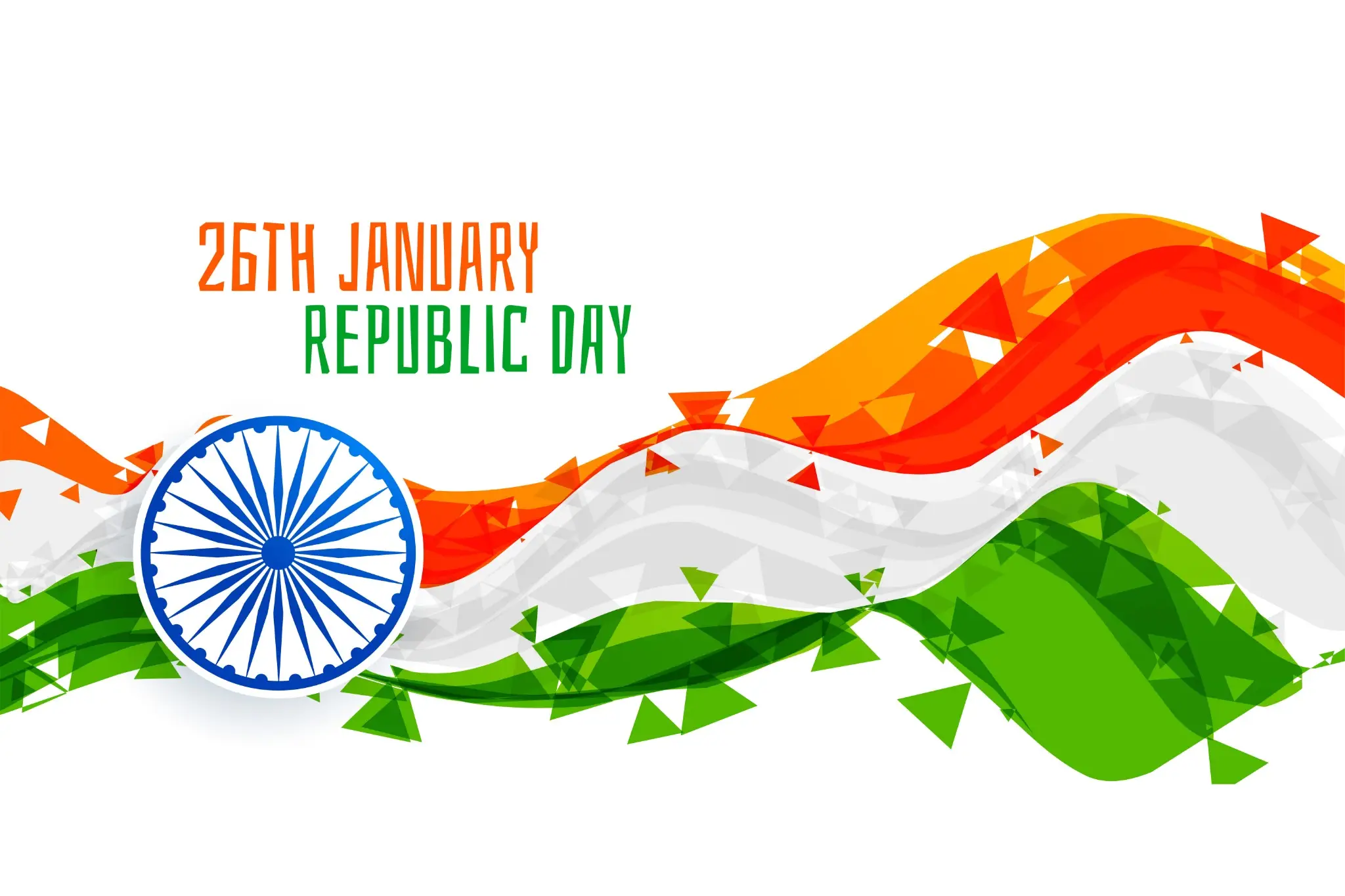
Table of Contents
- Why Republic Day is More Than a Celebration
- The Link Between National Progress and Public Health
- Republic Day 2026 Theme & Relevance
- What Are Preventive Health Checkups?
- Why Preventive Healthcare is Crucial for India Today
- Common Health Challenges Faced by Indians
- How Preventive Health Checkups Help Build a Healthy India
- Key Preventive Health Checkups Everyone Should Consider
- How Often Should Preventive Health Checkups Be Done?
- Preventive Healthcare: A Responsibility Toward Family & Nation
- This Republic Day, Commit to a Healthier India
- FAQs
Why Republic Day is More Than a Celebration
Republic Day on January 26th commemorates India's transformation into a sovereign democratic republic in 1950, when our Constitution came into effect. Beyond the magnificent parades, flag-hoisting ceremonies, and vibrant cultural parade showcasing our unity, Republic Day symbolizes our ongoing journey toward justice, liberty, and progress.
The Constitution enshrined fundamental principles that continue guiding our nation today. These include ensuring dignity for every citizen, promoting welfare, and building a society where everyone can thrive. Republic Day reminds us that true national strength emerges when every individual can contribute their best to society.
The Link Between National Progress and Public Health
A healthy population forms the foundation of national progress—driving productivity, innovation, and economic growth. When citizens enjoy good health, they contribute more effectively to society, reducing healthcare burdens and strengthening our economy.
Public health underpins the democratic ideals enshrined in our Constitution. Healthy citizens can participate more fully in democratic processes, pursue education and employment opportunities, and support their families and communities. This aligns perfectly with initiatives like Aatmanirbhar Bharat, which begin with individual well-being.
Republic Day 2026 Theme & Relevance
According to a press release by the Ministry of Defence, the Republic Day 2026 will celebrate two core themes through competitions: Painting Contest – Samriddhi Ka Mantra: Aatmanirbhar Bharat’, Essay Competition – ‘Swatantrata Ka Mantra - Vande Mataram’, and Singing Competition – ‘Vande Mataram in Various Renditions’. These themes emphasise indigenous innovation, economic strength, and national progress through collective effort.
What Are Preventive Health Checkups?
Preventive health checkups are comprehensive medical screenings designed to detect potential health issues before symptoms appear. These systematic evaluations include various diagnostic tests that India's healthcare system recommends for maintaining optimal wellness across different age groups.
Unlike reactive medical care that addresses existing problems, preventive checkups focus on early identification and risk assessment. They typically include blood pressure monitoring, cholesterol testing, blood sugar screening, and targeted examinations based on individual risk factors. The goal is to catch diseases in their earliest, most treatable stages.
Why Preventive Healthcare is Crucial for India Today
India faces a complex healthcare landscape marked by rising chronic and lifestyle-related diseases alongside demographic change. Preventive health care provides a strategic response aligned with India’s national health awareness goals. Non-communicable diseases such as diabetes, hypertension, and heart disease often progress silently, making regular checkups vital for early detection and control.
Preventive care slows disease progression, reduces patient suffering, and eases system pressure. Economically, early prevention lowers long-term costs by avoiding expensive advanced treatments and prolonged hospitalization for families and health systems.
Common Health Challenges Faced by Indians
- Cardiovascular diseases: Heart conditions and hypertension affect millions of Indians, often remaining undetected until serious complications develop. High-sodium diets, sedentary lifestyles, and stress contribute significantly to these conditions.
- Diabetes and metabolic disorders: India has one of the world's largest diabetic populations, with many cases remaining undiagnosed. Genetic predisposition combined with lifestyle factors creates a substantial risk across age groups.
- Cancer: Common forms, including breast, cervical, and colorectal cancers, often go undetected in early stages when treatment outcomes are most favorable.
- Obesity and related complications: Changing dietary patterns and reduced physical activity contribute to rising obesity rates, increasing risks for multiple health conditions.
- Mental health concerns: Stress, anxiety, and depression affect increasing numbers of Indians, yet often remain unaddressed due to stigma and limited awareness.
How Preventive Health Checkups Help Build a Healthy India
Preventive checkups create a foundation for national health awareness by enabling early intervention and promoting health consciousness across communities. When individuals prioritise regular screening, they contribute to broader public health goals while protecting their personal well-being.
These checkups help identify high-risk individuals who can benefit from targeted interventions, preventing progression to advanced disease stages. This approach reduces healthcare system overload, allowing medical resources to be utilised more efficiently and effectively.
Key Preventive Health Checkups Everyone Should Consider
Essential preventive checkups include blood pressure measurement, Cholesterol Test, Fasting Blood Sugar (FBS) Test, body mass index assessment, and Complete Blood Count (CBC) Test. These basic tests provide valuable insights into your overall health status and risk factors.
Age-specific screenings become crucial as you mature. Women should consider mammograms and Pap Smear Test by Conventional Method, whilst men might need the PSA-Total Prostate Specific Antigen Serum Test. Both sexes benefit from colonoscopies, Bone Profile, and eye examinations as they age. The specific tests you need depend on your family history, lifestyle factors, and existing health conditions.
Preventive Health Checkups for Young Adults
Young adults aged 18-39 should focus on establishing baseline health measurements and identifying early risk factors. Essential screenings include blood pressure monitoring, Cholesterol Test, body mass index assessment, and STD (Sexually Transmitted Diseases) Profile–1/2/3 for sexually active individuals.
Vaccinations remain important during young adulthood, including annual flu shots, HPV vaccines, and travel-related immunizations as needed. Mental health screening also becomes increasingly important during this life stage.
Preventive Health Checkups for Working Professionals
Working professionals aged 40–64 face unique health challenges related to occupational stress, sedentary work environments, and demanding schedules. Annual checkups should include diabetes screening through HbA1c Test and Lipid Profile–3 (Screening: Fasting/Non-Fasting), Cardiac Test (Heart Screen), and vision examinations.
Stress-related health issues become more common during these years, making blood pressure monitoring and mental health assessments particularly important. Cancer screenings also become age-appropriate, including mammograms and the Cervical Screening Profile - 1/2 for women and the Cancer Profile Test for men.
Preventive Health Checkups for Senior Citizens
Senior citizens aged 65 years and older require more frequent and comprehensive screenings to maintain health and independence. Essential tests include Kidney Function Test (KFT), Cardiac Injury Profile-Maxi/Mini, Osteoporosis Profile–1/2/3, Cancer Marker Profile, Pneumonia Panel by FilmArray (Biofire), Sputum, BAL, or Endotracheal Secretions Panel, and cognitive function assessments, such as Alzheimer's Disease Screening Profile.
Routine CBC (Complete Blood Count) tests become increasingly important for monitoring chronic conditions common in this age group. Fall risk assessments, hearing and vision tests, and medication reviews help maintain quality of life and safety.
How Often Should Preventive Health Checkups Be Done?
Screening frequency depends on age, risk factors, family history, and existing health conditions. Generally, healthy adults should undergo comprehensive checkups every 1-3 years, with high-risk individuals requiring annual assessments.
Specific screenings follow different schedules: blood pressure checks annually and cholesterol testing every 3–5 years for low-risk individuals; mammograms annually after age 40; and colonoscopies every 10 years starting at age 45. Your healthcare provider can create personalised screening schedules based on your individual risk profile.
Preventive Healthcare: A Responsibility Toward Family & Nation
Prioritizing preventive care extends beyond personal benefit—it represents a commitment to family welfare and national progress. When you maintain good health, you reduce the emotional and financial burden on loved ones while contributing productively to society.
This responsibility aligns perfectly with Republic Day values of collective welfare and social progress. Healthy citizens create stronger communities, more robust economies, and more resilient nations. Your personal health choices ripple outward, influencing family members, colleagues, and community members to prioritise their own wellness.
This Republic Day, Commit to a Healthier India
As we celebrate Republic Day 2026 under the themes of Vande Mataram and Aatmanirbhar Bharat, let's pledge to prioritise our health as an act of patriotism. Scheduling a preventive health checkup represents a meaningful step toward building the strong, self-reliant India our Constitution envisions.
This Republic Day health awareness call to action isn't just about individual wellness; it's about collective responsibility. When millions of Indians commit to preventive care, we create a healthier, more productive nation capable of achieving ambitious development goals.
At Metropolis Healthcare, we support your health journey with comprehensive diagnostic services designed around your needs. Our network of over 220 laboratories and more than 4,600 service centers ensures that quality health care remains accessible across India. With our convenient at-home sample collection service reaching over 10,000 touchpoints nationwide, you can prioritise your health without disrupting your routine.
FAQs
Why are preventive health checkups important?
They detect diseases early, prevent complications, reduce treatment costs, and improve health outcomes, enabling healthier lives with less burden on the healthcare system.
How often should preventive health checkups be done?
Every 1-3 years for most healthy adults, annually for high-risk individuals; frequency depends on age, gender, and family history.
Which tests are included in a basic health checkup?
- Blood pressure measurement
- Cholesterol test/ Lipid Profile 1/2/3
- Fasting blood glucose (FBS) test/HbA1c test
- Complete blood count (CBC)
- BMI assessment and physical examination
Can preventive health checkups detect diseases early?
Yes, screenings like mammograms and colonoscopies detect cancers and chronic conditions before symptoms appear, thereby significantly improving treatment outcomes.
Are preventive health checkups necessary without symptoms?
Yes, many serious conditions like hypertension and high cholesterol often remain asymptomatic while causing progressive damage throughout the body.
How does preventive healthcare benefit the nation?
It reduces disease prevalence, boosts workforce productivity, decreases health care spending, and builds a healthier population for sustained national progress.