Home Visit
 Upload






Preventive Healthcare
How to Remove Sun Tan from Hands: Effective Home Remedies

Table of Contents
What Causes Sun Tan on Hands?
Sun tan develops when the skin is exposed to ultraviolet (UV) radiation for extended periods. The skin responds by producing more melanin — a pigment that absorbs UV rays to protect deeper layers from damage, a pigment responsible for giving colour to your skin. When hands are frequently exposed to sunlight, they develop a darker tone compared to less-exposed areas.
Common causes include:
- Prolonged outdoor exposure without sunscreen.
- Driving during peak hours (10 am – 4 pm).
- Washing hands frequently without reapplying sun protection.
- Genetic susceptibility; some people naturally produce more melanin.
- Neglecting moisturisation, which can make tanning appear more intense.
How Sun Exposure Leads to Tanning
According to dermatological studies referenced by the National Institutes of Health (NIH), the skin consists of two primary layers — the epidermis and dermis: the epidermis and dermis. UV-A rays penetrate deep into the dermis, while UV-B rays affect the epidermis, triggering melanin production. Melanin absorbs this radiation and darkens the skin to reduce damage. However, continuous exposure results in pigmentation, dryness, and premature aging.
In simple terms, tanning is your skin’s way of protecting itself, but with proper care, you can reverse the effects naturally and restore your skin’s natural tone.
Top 10 Home Remedies to Remove Sun Tan from Hands
Many cases of mild tanning can be improved with simple home care. While clinical options exist, natural ingredients can gently support skin recovery. Natural remedies for sun tan removal at home are effective, gentle, and improve skin health over time.
1. Lemon Juice and Honey Pack
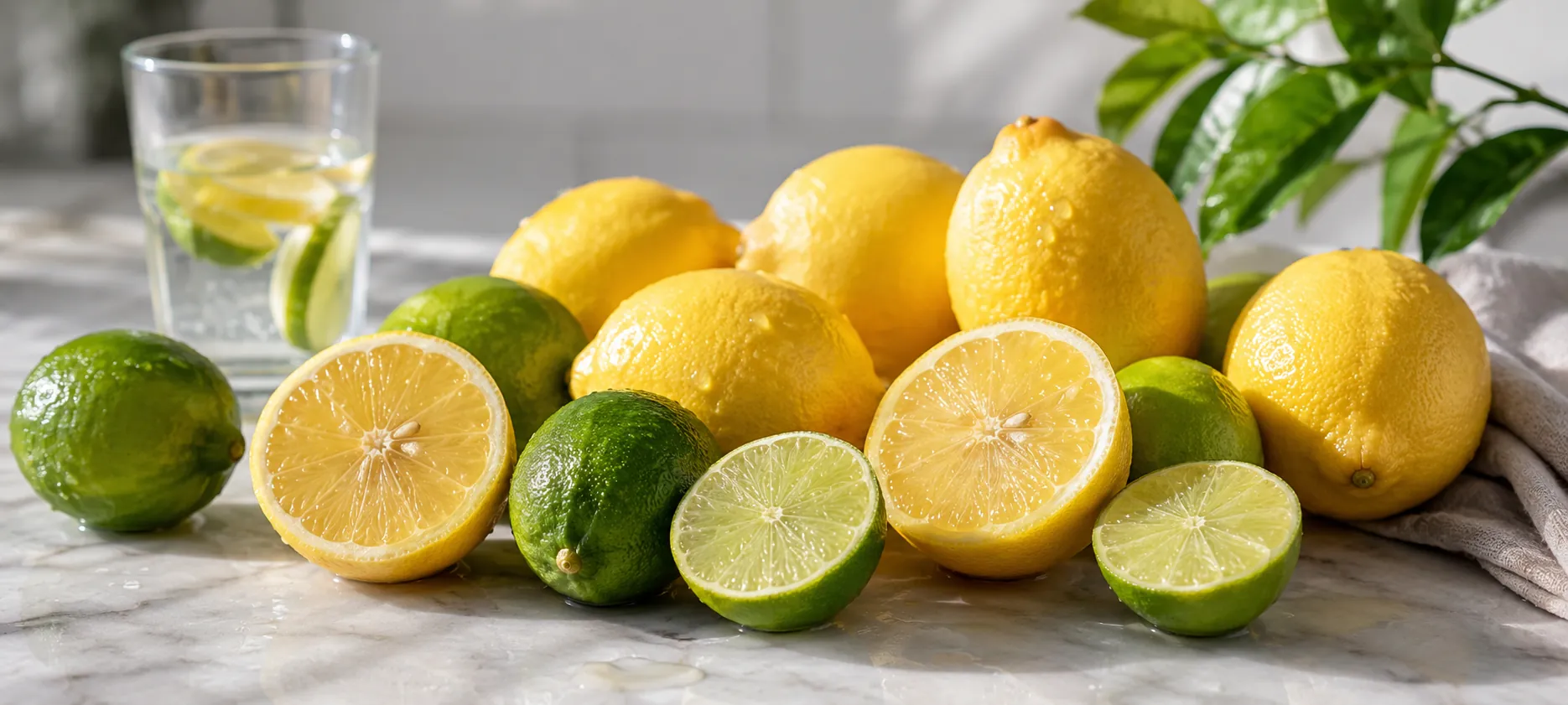
Lemon contains citric acid, which has mild exfoliating and brightening properties when used in diluted form due to its citric acid content, while honey deeply moisturises and soothes the skin.
How to use: Mix one tablespoon of lemon juice with one tablespoon of honey. Apply it to your hands and leave it on for 15–20 minutes before rinsing with lukewarm water. Use this remedy thrice a week for visible brightness.
Why it works: Citric acid in lemon helps remove dead skin cells, while honey hydrates and soothes the skin, while honey repairs UV-induced dryness.
2. Yogurt and Turmeric Mask
This age-old Ayurvedic combination is excellent for skin brightening. Yogurt contains lactic acid that gently removes dead cells, and turmeric adds a natural glow.
How to use: Mix two tablespoons of plain yogurt with a pinch of turmeric. Apply evenly, let it dry for 20 minutes, and rinse.
Why it works: Yogurt helps peel away dead skin, and turmeric’s anti-inflammatory properties reduce sun-induced redness.
3. Tomato Pulp
Tomatoes are rich in lycopene, an antioxidant that fights UV damage and reduces pigmentation.
How to use: Rub a slice of fresh tomato or apply pulp on tanned areas. Leave for 10–15 minutes and wash off.
Why it works: Tomato may help soothe mild sunburn and temporarily brighten the skin due to its lycopene content, leaving skin refreshed and even-toned.
4. Gram Flour (Besan) and Rose Water Scrub
This classic remedy exfoliates dead skin cells while brightening dull skin.
How to use: Combine two tablespoons of gram flour (besan) with rose water to form a smooth paste. Apply, let it semi-dry, then scrub in circular motions before rinsing.
Why it works: Besan acts as a mild exfoliant, and rose water hydrates and tones the skin.
5. Aloe Vera Gel
Known for its cooling and healing properties, aloe vera soothes sun-damaged skin and reduces pigmentation.
How to use: Apply pure aloe vera gel directly on the hands before bed and leave it overnight.
Why it works: Aloe vera’s compounds like aloin and aloesin inhibit melanin formation and help fade tan naturally.
6. Cucumber Juice
Cucumber refreshes and hydrates, making it ideal for irritated or overheated skin.
How to use: Grate a cucumber or extract its juice, apply on the hands, leave for 15 minutes, and rinse.
Why it works: Its high water content cools the skin and removes excess heat accumulated from sun exposure.
7. Potato Juice
Raw potato contains enzymes like catecholase, which may help reduce mild pigmentation over time; results can vary.
How to use: Extract juice from a raw potato and apply it on tanned hands. Let it sit for 20 minutes, then wash off.
Why it works: Regular use fades dark patches, spots, and tan effectively.
8. Oatmeal and Buttermilk Scrub
Oatmeal acts as a gentle exfoliator, while buttermilk’s lactic acid improves skin tone.
How to use: Mix two tablespoons of oatmeal with enough buttermilk to form a paste. Massage gently on hands for 10 minutes, then rinse.
Why it works: It removes tanned cells while nourishing the skin barrier.
9. Papaya and Lemon Pack
Papaya contains papain, a natural enzyme that helps remove surface dead cells and promote smoother texture, while lemon boosts radiance.
How to use: Mash a few papaya cubes and add a teaspoon of lemon juice. Apply, leave for 20 minutes, and wash with cool water.
Why it works: This natural enzyme-based exfoliator promotes faster skin renewal.
10. Coconut Water and Sandalwood Powder Mask
Coconut water helps hydrate and may improve overall skin tone when used regularly, while sandalwood cools the skin.
How to use: Mix one tablespoon of sandalwood powder with enough coconut water to form a thick paste. Apply, let it dry, and rinse.
Why it works: It detoxifies, improves texture, and imparts a lasting glow.
What Ingredients to Avoid for Tan Removal
When trying to remove sun tan from hands, it’s essential to choose ingredients that are gentle and skin-safe. Many people unknowingly use harsh products that can worsen irritation or cause long-term damage to the skin barrier.
Avoid the following practices while treating sun tan:
- Bleaching creams containing hydroquinone, mercury, or ammonia. These chemicals may offer quick lightening but can disrupt melanin production, leading to patchy and sensitive skin.
- Strong acids or alcohol-based toners that strip away natural oils, making your skin dry, inflamed, and prone to redness.
- Coarse scrubs made with salt or large sugar granules that can cause micro-tears in delicate skin tissue.
- Undiluted lemon juice can increase photosensitivity and cause irritation when exposed to sunlight; always dilute before applying.
Always perform a patch test before applying any remedy. Always follow up with a broad-spectrum sunscreen (SPF 30 or higher), even indoors, to maintain protection and prevent further tanning and maintain skin health.
Protecting Your Hands from UV Rays
Preventing a sun tan on hands is much easier than trying to remove it later. Consistent sun protection not only helps maintain an even skin tone but also prevents long-term damage such as pigmentation, dryness, and premature aging. By following a few simple steps, you can keep your hands healthy, hydrated, and tan-free all year round.
- Apply a broad-spectrum sunscreen (SPF 30 or higher) every morning, even if you’re indoors or driving. Glass windows block UV-B rays but allow UV-A rays to penetrate, which can still cause tanning and photoaging.
- Reapply sunscreen every 2–3 hours, especially after washing your hands or stepping outdoors, to maintain its effectiveness.
- Wear protective gloves or long sleeves while driving, gardening, or doing outdoor chores. This physical barrier adds an extra layer of defence against UV exposure.
- Moisturise regularly using lotions enriched with aloe vera, shea butter, or vitamin E. Moisturised skin maintains a stronger barrier, helping reduce damage from sun exposure.
- Stay hydrated by drinking plenty of water and including water-rich foods like cucumbers and melons in your diet. Proper hydration keeps your skin supple and supports natural repair mechanisms.
By combining these preventive measures with regular care, you can minimise tanning, protect your skin from UV damage, and maintain a natural, radiant glow on your hands.
Also Read: How to Remove Tan from Face Naturally: 7 Remedies That Work
Conclusion
Tanning is a natural protective response of your skin to UV radiation, but prolonged exposure can lead to uneven tone, dryness, and pigmentation. Fortunately, you can achieve sun tan removal at home with consistency, gentle care, and natural ingredients that restore your skin’s natural glow.
If your tan is persistent or accompanied by irritation, consult a dermatologist or visit a Metropolis Healthcare Lab near you for a comprehensive skin and vitamin profile test.
Metropolis offers over 4,000 tests, 10,000+ home collection touchpoints, and quick, accurate results — helping you take control of your health and skin wellness conveniently through website, app, call, or WhatsApp booking.
FAQs
How long does it take to remove sun tan from hands naturally?
It depends on the depth of the tan. Mild tanning fades within 7–10 days of consistent care, while deeper tans may require up to 3–4 weeks of regular home treatments.
Can diet help in reducing sun tan?
Yes. Including foods rich in vitamin C (oranges, amla, tomatoes), vitamin E (nuts, seeds), and antioxidants (green tea, berries) helps repair UV damage and supports skin regeneration from within.
Can sun tan be removed completely at home?
Yes, mild to moderate tans can be lightened significantly with natural remedies. For stubborn pigmentation or sunburn, dermatologists may recommend professional treatments like chemical peels, laser therapy, or microdermabrasion.
What are the most effective home remedies for sun tan removal?
Lemon-honey, yogurt-turmeric, and aloe vera masks are among the most popular natural remedies. Dermatologists generally advise using such methods cautiously and always paired with sun protection to remove tan from hands naturally.
Are there any side effects of using home remedies for tan removal?
Home remedies are generally safe, but some ingredients like lemon or turmeric may cause slight irritation in sensitive skin. Always use diluted forms and avoid over-exfoliating.
Can I use sunscreen to prevent future sun tan on hands?
Yes. A broad-spectrum sunscreen shields against UVA and UVB rays, preventing melanin buildup and sunburn. Use it daily and reapply frequently for best protection.
How to Prevent Future Sun Tan on Hands?
Avoid stepping out during peak sunlight hours, wear sun-protective clothing, apply SPF regularly, and keep your hands moisturised. Replenishing hydration helps your skin stay resilient against UV stress.
References
https://pmc.ncbi.nlm.nih.gov/articles/PMC3709783/
https://www.medicalnewstoday.com/articles/326261
https://www.fda.gov/radiation-emitting-products/tanning/risks-tanning
https://www.healthline.com/health/how-long-does-it-take-to-tan