Home Visit
 Upload






Preventive Healthcare
Protein Powder: Guide, Why & How To Choose
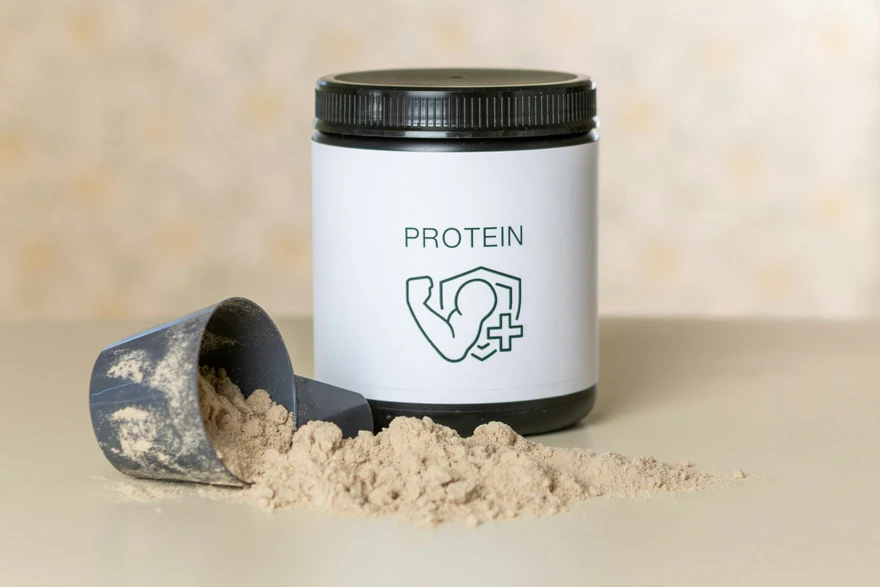
Table of Contents
- What Is Protein Powder?
- Types of Protein Powder
- Why Protein Powder Is Used
- How to Choose the Right Protein Powder
- How to Use Protein Powder Safely
- Best Times to Take Protein Powder
- Who Should Avoid Protein Powder
- Possible Side Effects
- Natural Alternatives to Protein Powder
- Conclusion
- FAQs
- References
What Is Protein Powder?
Protein powder is a concentrated source of protein derived from both animal (milk, eggs) and plant-based sources such as soy, peas, rice, or hemp. It’s processed into a fine powder that can be mixed with water, milk, or smoothies to make a quick, convenient protein shake.
Protein is an essential macronutrient that supports vital body functions, including muscle recovery and tissue repair, as well as hormone production and enzyme synthesis. Since athletes, vegetarians, and people with high physical activity levels may struggle to meet daily protein requirements, protein powder for beginners offers a simple and efficient way to bridge the gap.
Unlike traditional food sources that require time and preparation, protein powders provide a measured, portable, and digestible source of nutrition that complements your fitness and dietary goals.
Types of Protein Powder
There are various kinds of protein powders available today, each catering to different preferences and goals. Understanding their characteristics will help you make an informed choice.
1. Whey Protein
Whey protein is the most widely used and researched form of protein powder. It’s a complete protein, containing all nine essential amino acids. Derived from milk during cheese production, it’s known for its fast absorption rate, making it ideal for post-workout consumption.
- Whey Concentrate: Contains 70–80% protein along with small amounts of lactose and fat.
- Whey Isolate: Over 90% protein content and minimal carbs or fats, best for people aiming for lean muscle.
- Whey Hydrolysate: Pre-digested for faster absorption and reduced allergenic potential, often used in medical nutrition and athletic recovery.
Whey protein supports muscle growth, strength building, and quick recovery, making it a great choice for beginners who want visible results.
2. Casein Protein
According to the National Institutes of Health (NIH), casein is another milk-derived protein, but unlike whey, it digests slowly. It provides a slow and sustained release of amino acids over several hours., which can prevent muscle breakdown over long periods, especially overnight.
- Ideal for consumption before bed or during fasting periods.
- Promotes long-term muscle repair and tissue maintenance.
- Often used by athletes for sustained protein supply.
3. Plant-Based Proteins
Plant-based protein powders are suitable for vegans, vegetarians, and individuals with lactose intolerance or dairy allergies. They are made from various sources such as soy, peas, brown rice, hemp, chia, or quinoa.
- Soy Protein: A complete plant protein rich in branched-chain amino acids (BCAAs) and glutamine.
- Pea Protein: High in iron and easily digestible.
- Hemp Protein: Rich in omega-3 fatty acids and fibre.
- Rice Protein: Hypoallergenic and easily absorbed.
Why Protein Powder Is Used
Protein powder helps meet daily protein needs and supports fitness, recovery, and overall health.
- Muscle Growth & Recovery: Speeds up muscle repair after workouts, especially with fast-digesting whey protein.
- Weight Management: Boosts fullness, curbs cravings, and helps retain lean muscle during fat loss.
- Dietary Supplement: Ideal for vegans, older adults, or those unable to get enough protein from food.
- Nutritional Support: Convenient for busy lifestyles, easily added to shakes or meals for balanced nutrition.
How to Choose the Right Protein Powder
Choosing the best protein powder depends on your health goals, dietary preferences, and personal tolerance. Here’s how you can make the right choice.
1. Define Your Fitness Goals
- For Muscle Gain: Choose whey protein isolate or concentrate.
- For Weight Loss: Opt for low-carb, low-fat protein with added fibre or thermogenic ingredients.
- For General Wellness: Go for balanced blends with added vitamins, minerals, and probiotics.
2. Check for Allergies or Intolerances
If you’re lactose intolerant, avoid whey or casein and go for plant-based alternatives. For those allergic to soy, pea or rice protein is safer.
3. Evaluate Protein Content
A high-quality protein powder should provide 20–30 grams of protein per serving, with minimal added sugars or artificial fillers. Check the ratio of protein to total calories for maximum nutritional efficiency.
4. Consider the Digestibility and Taste
Choose a powder that blends smoothly, digests easily, and tastes pleasant enough for consistent use. Some powders include digestive enzymes to aid absorption.
5. Look for Quality Certifications
Choose products certified by third-party agencies such as FSSAI, ISO, Informed Choice, or NSF Certified for Sport, which ensure purity, safety, and label accuracy.
Key Factors to Consider
When evaluating protein powders, pay attention to:
- Protein content per serving
- Source (animal-based or plant-based)
- Amino acid profile and completeness
- Added ingredients like sugars, flavours, or fillers
- Allergen information for milk, soy, eggs, or gluten
- Digestibility and potential side effects
- Third-party certifications for quality and safety
- Cost per serving and overall value
Reading Labels & Certifications
Always review the nutrition label carefully:
- Protein per serving: Aim for at least 20 g of high-quality protein with a complete amino acid profile.
- Carbohydrate and fat content: Should be low if your goal is fat loss.
- Sweeteners and preservatives: Avoid excessive artificial ingredients.
- Certifications: Ensure it’s lab-tested for purity and heavy metal safety.
How to Use Protein Powder Safely
Using protein powder effectively depends on proper timing and moderation. Overuse doesn’t accelerate results; consistency does.
- Mix one scoop (about 20–30 g of protein) with 200–250 ml of water, milk, or smoothies.
- Consume after workouts to support muscle recovery and replenish amino acids.
- Combine with complex carbs (like oats or bananas) for sustained energy.
- Do not exceed your total protein requirement (generally 0.8–2.0 g/kg body weight depending on activity level).
- Avoid replacing whole meals with shakes — they are meant to supplement, not replace, a balanced diet.
- Store in an airtight container away from moisture to prevent spoilage.
Best Times to Take Protein Powder
Timing matters when it comes to maximising benefits. Here’s when protein shakes work best:
- Post-Workout: Within 30 minutes of exercise for muscle repair and recovery.
- Morning: To kickstart metabolism and stabilise blood sugar.
- Between Meals: Helps prevent overeating and supports consistent energy levels.
- Before Bed (Casein Protein): Ideal for overnight muscle preservation.
Who Should Avoid Protein Powder
While protein powders are safe for most people, certain individuals should use caution or avoid them altogether:
- Those with chronic kidney disease or reduced kidney function.
- People with liver disorders.
- Individuals with milk, soy, or nut allergies (depending on the protein source).
- Pregnant or breastfeeding women should seek medical advice before use.
Possible Side Effects
When used excessively or improperly, protein powders may cause:
- Digestive discomfort, bloating, or gas — particularly with lactose, artificial sweeteners, or certain fibres.
- Allergic reactions like itching, hives, or swelling occur in sensitive individuals.
- Weight gain from the added calories if consuming too much or not adjusting the diet accordingly.
- Potential exposure to heavy metals (such as lead, arsenic, or cadmium) in unregulated or low-quality supplements.
- In healthy individuals, protein intake within recommended limits does not harm the kidneys. However, excessive intake may worsen pre-existing kidney disease.
Natural Alternatives to Protein Powder
If you prefer natural sources, several protein-rich foods can easily meet your daily needs:
- Eggs and Dairy: Eggs, milk, yoghurt, paneer, and cheese.
- Legumes: Lentils, chickpeas, black beans, and soybeans.
- Nuts and Seeds: Almonds, chia seeds, hemp seeds, and flaxseeds.
- Animal Sources: Fish, chicken, lean beef, and turkey.
- Whole Grains: Quinoa, amaranth, and oats.
These foods provide protein along with essential vitamins, minerals, healthy fats, and fibre that support overall health.
Conclusion
Protein powder is a convenient and effective supplement that supports muscle growth, recovery, and overall wellness. For beginners, the focus should be on choosing the right type, checking ingredients and certifications, and pairing it with a balanced diet. When used correctly, protein powder enhances energy, improves endurance, and complements a healthy lifestyle, helping you reach your fitness goals steadily and safely.
At Metropolis Healthcare, you can take a proactive approach to your health with 4000+ tests, comprehensive full body checkups, and specialised fitness panels. Enjoy home sample collection from over 10,000+ touchpoints, quick turnaround, and accurate results, with easy booking via website, app, call, or WhatsApp. Stay informed, stay fit, and make every step of your wellness journey count.
FAQs
Is protein powder good for beginners?
Yes, protein powder for beginners is safe when used appropriately. It’s an easy way to ensure your body gets enough protein to support recovery and muscle building, especially if your diet lacks sufficient protein sources.
Can protein powder replace a meal?
Not ideally. While it’s rich in protein, it lacks other vital nutrients like fibre, complex carbohydrates, and micronutrients found in whole meals. Use it as a supplement, not a substitute.
How much protein powder should I take per day?
Generally, one to two scoops per day (around 20–40 g of protein) is sufficient. Adjust according to your dietary intake, body weight, and activity level.
Is protein powder safe for daily use?
Yes, if you choose a high-quality, certified product and consume it within your daily protein needs. Overconsumption may cause digestive discomfort or stress on the kidneys.
What’s the best protein powder for weight loss?
Choose whey isolate or plant-based protein that’s low in sugar, calories, and fat but high in essential amino acids. These help preserve lean muscle mass during calorie deficits.
References
https://pmc.ncbi.nlm.nih.gov/articles/PMC7451833/
https://www.health.harvard.edu/blog/the-scoop-on-protein-powder-2020030918986
https://www.mayoclinic.org/drugs-supplements-whey-protein/art-20363344
https://ods.od.nih.gov/factsheets/ExerciseAndAthleticPerformance-HealthProfessional