Home Visit
 Upload






Preventive Healthcare
Placental Abruption: Causes, Risks & Treatment for Expecting Mothers
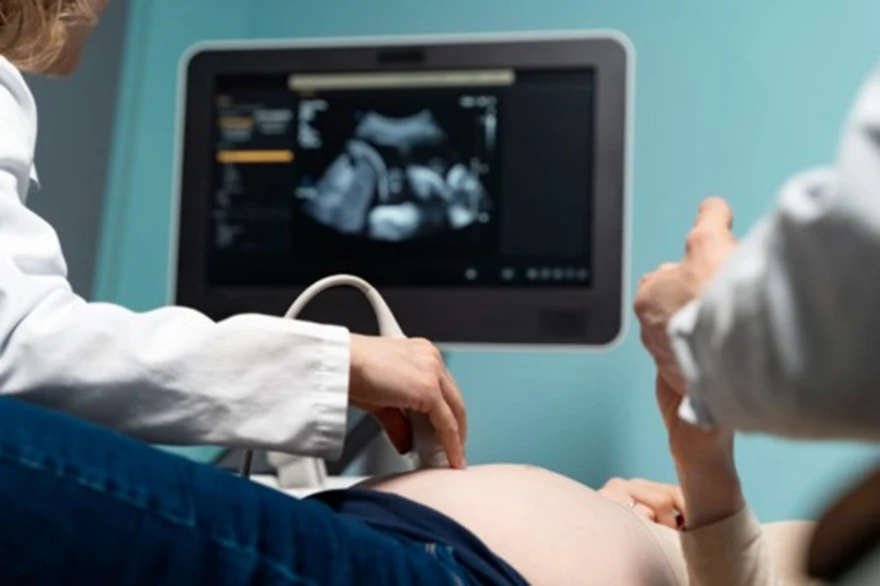
Table of Contents
- What is Placental Abruption?
- Types of Placental Abruption
- Symptoms and Warning Signs
- Causes of Placental Abruption
- Risk Factors for Expecting Mothers
- Potential Complications
- Diagnosis and Tests
- Treatment Options
- Recovery and Postpartum Care
- How to Prevent Placental Abruption (If Possible)
- When to Contact a Healthcare Provider
- Conclusion
What is Placental Abruption?
Placental abruption is a serious pregnancy complication where the placenta partially or completely separates from the uterine wall before delivery. The placenta is a vital organ that supplies oxygen and nutrients to the developing foetus through the umbilical cord. When placental abruption occurs, it disrupts this critical supply, potentially causing fetal distress and maternal complications. Placental abruption typically occurs after 20 weeks of pregnancy, with the majority of cases arising in the third trimester. It affects about 1% of pregnancies and is a leading cause of preterm birth and perinatal mortality. Prompt recognition and management are crucial to minimise risks for both mother and baby. Understanding placental abruption causes, symptoms, types, and treatment options can help expecting mothers safeguard their pregnancies.
Types of Placental Abruption
Placental abruption types are classified based on the degree and location of placental separation:
- Partial Abruption: A portion of the placenta detaches from the uterus, causing mild to moderate bleeding. Some placental function may continue, but the fetus is still at risk.
- Complete Abruption: The entire placenta separates from the uterine wall, leading to severe bleeding and fetal distress. Immediate delivery is often necessary.
- Revealed (External) Abruption: Blood escapes through the cervix and vagina, making the bleeding visible
- Concealed (Internal) Abruption: Blood is trapped between the placenta and uterus, so bleeding may not be apparent, but causes significant pain and tenderness.
The severity of placental abruption symptoms and risks depends on the type and extent of separation. Recognising these types helps healthcare providers determine the most appropriate placental abruption treatment approach to protect mother and baby.
Symptoms and Warning Signs
Placental abruption symptoms can sometimes be subtle, especially with concealed abruption. Pregnant women should be alert for:
- Vaginal bleeding (may be heavy, light, or absent)
- Sudden, severe abdominal or back pain
- Uterine tenderness or firmness
- Frequent, painful contractions
- Decreased fetal movement (sign of distress)
These symptoms often develop suddenly, particularly in the third trimester.. In severe cases, the mother may show signs of shock due to blood loss, such as dizziness, weakness, and rapid heartbeat.
If you experience any of these placental abruption symptoms, contact your healthcare provider immediately. They will assess the situation and recommend the best course of action. Remember, prompt medical attention is crucial for managing placental abruption effectively. Don't hesitate to voice any concerns about your pregnancy - your healthcare team is there to support you every step of the way.
Causes of Placental Abruption
While the exact placental abruption causes are often unknown, several factors can increase the risk:
- Abdominal trauma from accidents or falls
- High blood pressure disorders (preeclampsia, chronic hypertension)
- Smoking and substance abuse, especially cocaine use
- Previous history of placental abruption
- Rapid uterine decompression (e.g., after rupture of membranes)
- Multiple pregnancies
These factors may disrupt placental blood flow or the uterine environment, causing bleeding behind the placenta and leading to premature separation.
It's important to discuss any risk factors with your healthcare provider, so they can closely monitor your pregnancy. If you have a history of placental abruption or other risk factors, your doctor may recommend additional precautions and more frequent check-ups. Remember, understanding the causes and risk factors is a key step in preventing and managing placental abruption.
Risk Factors for Expecting Mothers
Several maternal factors can increase the likelihood of placental abruption:
- Previous abruption (higher recurrence risk)
- Hypertension (chronic or pregnancy-related)
- Abdominal trauma during pregnancy
- Advanced maternal age (over 35)
- Smoking and illicit drug use
- Multiple pregnancies (twins or more)
- Premature rupture of membranes
- Uterine abnormalities or infections (less common)
Awareness of these risk factors helps healthcare providers closely monitor at-risk pregnancies. If you have any of these risk factors, discuss them with your doctor. They may recommend lifestyle changes, such as quitting smoking or managing high blood pressure, to reduce your risk of placental abruption.
Remember, having a risk factor doesn't mean you will definitely experience placental abruption. However, understanding your risks can help you and your healthcare team take proactive steps to protect your pregnancy.
Potential Complications
Placental abruption can pose serious risks for both mother and baby. Potential complications include:
For the baby
- Oxygen deprivation leading to foetal distress or brain injury
- Premature birth, often required if the abruption is severe
- Stillbirth due to complete placental separation and loss of oxygen supply
- Low birth weight and related complications
For the mother
- Severe blood loss (hemorrhage) leading to shock
- Disseminated intravascular coagulation (DIC), a life-threatening blood clotting disorder
- Kidney failure or other organ damage due to blood loss
- Increased risk of postpartum hemorrhage
- Rarely, maternal death in severe cases
The severity of complications depends on factors such as the degree of placental separation, gestational age, and promptness of medical intervention. In some cases, emergency cesarean delivery may be necessary to prevent life-threatening complications.
If you're diagnosed with placental abruption, your healthcare team will closely monitor you and your baby to minimise risks. They will develop a personalised treatment plan based on your specific situation. Remember, with prompt medical care and careful management, many women with placental abruption go on to have healthy pregnancies and babies.
Diagnosis and Tests
If you experience placental abruption symptoms, your healthcare provider will perform a thorough evaluation:
- Physical exam to assess uterine tenderness, contractions, and fetal heart rate
- Ultrasound to visualise the placenta and check for separation or bleeding
- Foetal monitoring to detect signs of distress
- Blood tests to evaluate blood loss and clotting function
In some cases, additional imaging tests may be necessary to confirm the diagnosis or rule out other conditions.
Diagnosing placental abruption can be challenging, especially with concealed bleeding. Your doctor will consider your symptoms, risk factors, and test results to make an accurate assessment. They may also consult with maternal-fetal medicine specialists for complex cases. If you're diagnosed with the condition, your healthcare team will work closely with you to develop a personalised placental abruption treatment plan.
Treatment Options
The placental abruption treatment approach depends on factors such as the severity of the abruption, gestational age, and maternal and foetal condition. Treatment options may include:
- Close monitoring: For mild cases with stable mother and baby, your doctor may recommend rest and close observation.
- Corticosteroids: If preterm delivery is likely, steroids may be given to help the baby's lungs mature.
- Blood transfusion: To replace blood loss and prevent complications like shock or DIC.
- Delivery: If the abruption is severe or the baby shows signs of distress, immediate delivery, often by cesarean section, may be necessary.
After delivery, your healthcare team will continue to monitor you for complications and provide supportive care as needed. Your doctor will work with you to determine the best treatment approach for your specific situation. They will consider your preferences and concerns while prioritising the safety of you and your baby.
Recovery and Postpartum Care
After placental abruption treatment, your healthcare team will provide comprehensive postpartum care:
- Monitoring for complications like hemorrhage or infection
- Pain management and wound care if you had a caesarean delivery
- Emotional support and counseling to cope with the stress of a high-risk pregnancy
- Lactation support and guidance on caring for your newborn
- Follow-up appointments to ensure proper healing and address any concerns
If your baby was born prematurely or experienced complications, they may require additional care in a neonatal intensive care unit (NICU). Your healthcare team will work closely with you to ensure your baby receives the best possible care and support.
Recovery after placental abruption can be physically and emotionally challenging. Don't hesitate to reach out to your healthcare providers, family, and friends for support. Postpartum support groups can also provide a valuable source of encouragement and connection with other mothers who have experienced similar challenges.
How to Prevent Placental Abruption (If Possible)
While not all cases of placental abruption can be prevented, certain steps may help reduce your risk:
- Quit smoking and avoid alcohol and illicit drugs during pregnancy.
- Manage chronic conditions like high blood pressure and diabetes.
- Attend regular prenatal check-ups to monitor your health and your baby's growth.
- Wear a seatbelt and avoid activities with a high risk of abdominal trauma.
- Be aware of the signs and symptoms of placental abruption and seek prompt medical care if needed.
If you have a history of placental abruption or other risk factors, your healthcare provider may recommend additional precautions, such as more frequent monitoring or bed rest.
Remember, even if you take all the recommended precautions, placental abruption can still occur. It's not your fault. The most important thing is to be aware of the signs and symptoms and seek prompt medical care if needed.
When to Contact a Healthcare Provider
If you experience placental abruption symptoms such as vaginal bleeding, severe abdominal pain, or decreased fetal movement, contact your healthcare provider immediately. Don't wait for your next prenatal appointment.
Other reasons to seek prompt medical attention include:
- Preterm labour signs (regular contractions, pelvic pressure, low back pain)
- Severe headaches, blurred vision, or swelling (preeclampsia symptoms)
- Trauma to your abdomen
- Sudden fluid leakage (premature rupture of membranes)
Remember, your healthcare team is there to support you throughout your pregnancy. Don't hesitate to reach out with any concerns - your health and your baby's well-being are the top priorities.
Conclusion
Placental abruption is a serious complication that requires prompt medical attention. If you have any concerns about placental abruption, don't hesitate to reach out to your healthcare provider.
To stay on top of all your vital health parameters during your pregnancy, Metropolis Healthcare offers comprehensive diagnostic services and personalised care. With the right knowledge and medical support, you can navigate this challenge and embrace a healthy future with your baby.