Home Visit
 Upload






Preventive Healthcare
Meralgia Paresthetica: Nerve Pain in the Thigh - Causes & Relief
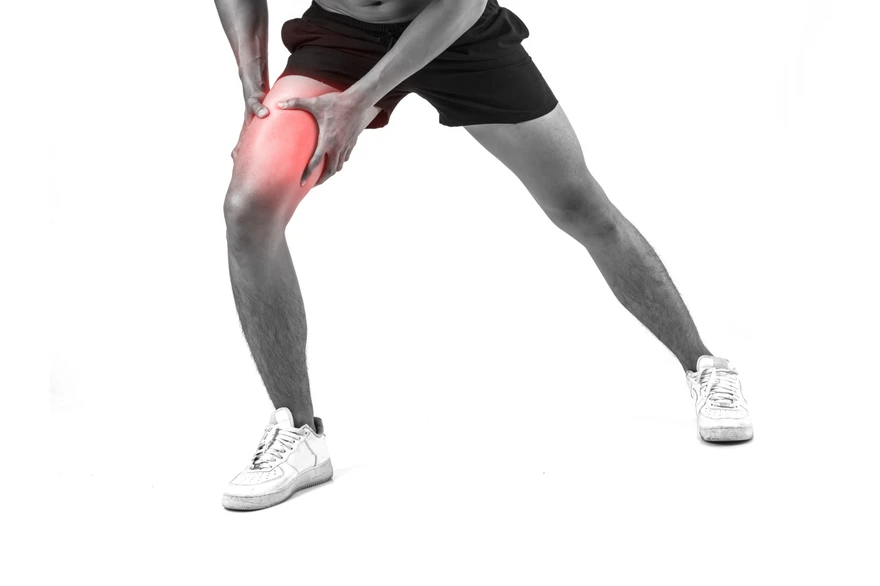
Table of Contents
- What Is Meralgia Paresthetica?
- Where Is the Affected Nerve Located?
- Causes of Meralgia Paresthetica
- Symptoms of Meralgia Paresthetica
- What Meralgia Paresthetica Feels Like
- Risk Factors
- How Meralgia Paresthetica Is Diagnosed
- Differential Diagnosis
- Exercises to Relieve Meralgia Paresthetica
- Medical Treatment Options
- How Long Does Meralgia Paresthetica Last?
- Complications
- Prevention Tips
- Meralgia Paresthetica During Pregnancy
- When to See a Doctor
- Conclusion
- FAQs
What Is Meralgia Paresthetica?
Meralgia paresthetica is a nerve disorder caused by compression of the lateral femoral cutaneous nerve, which supplies sensation to the outer thigh. This leads to burning, tingling, and numbness — usually on one side, though both legs are affected in about 20% of cases. The condition affects sensation only, so leg strength remains normal. It most often occurs in adults aged 30 to 60 and can range from mild discomfort to severe, activity-limiting pain.
Where Is the Affected Nerve Located?
The lateral femoral cutaneous nerve starts in the lower spine, passes through the pelvis, and runs beneath the inguinal ligament in the groin before reaching the upper thigh. In meralgia paresthetica, the nerve is compressed at this tight passage near the inguinal ligament, disrupting its function. Because this nerve supplies feeling to a palm-sized area on the outer upper thigh, compression causes burning, tingling, or numbness in that entire region.
As per StatPearls (NIH), meralgia paresthetica is a clinical condition in which compression of the purely sensory lateral femoral cutaneous nerve causes burning pain and abnormal sensations (dysesthesia) over the anterolateral (outer front) thigh.
Causes of Meralgia Paresthetica
Common Day-to-Day Causes
Everyday factors that can trigger meralgia paresthetica include:
- Tight clothing, belts, or heavy tool belts that compress the groin
- Obesity and poor posture, which increase pressure on the nerve
- Prolonged standing, walking, or wearing heavy belts or carrying items over the hip region
Medical Conditions That Trigger It
Medical conditions that can contribute to meralgia paresthetica include:
- Pregnancy — especially in the later stages
- Diabetes and other causes of nerve damage
- Recent hernia repair, hip, or abdominal surgery
- Direct trauma or injury to the groin
- Inflammatory or systemic conditions (e.g., hypothyroidism) affecting nerves
Symptoms of Meralgia Paresthetica
Meralgia paresthetica symptoms usually come on gradually and can change in intensity:
- Burning, sunburn-like pain on the outer thigh
- Tingling (“pins and needles”) and/or numbness in the area
- Sharp, shooting or electric-like pains
- Increased sensitivity to light touch (while deep pressure is often better tolerated)
- Symptoms worsen with standing, walking, or tight clothing and ease when sitting or lying with the hip bent
What Meralgia Paresthetica Feels Like
Living with meralgia paresthetica can be frustrating, with many people describing a sunburn-like burning on the outer thigh that makes clothing feel irritating. Symptoms often worsen with standing, walking, or tight clothes, while sitting or lying may bring relief. Even when pain is mild, the area may feel numb or overly sensitive, serving as a constant reminder of the condition.
Risk Factors
Risk factors for meralgia paresthetica include:
- Age between 30 and 60 years
- Male sex (though women are also affected)
- Excess body weight or pregnancy increasing abdominal pressure
- Diabetes and other conditions that affect nerve health
- Recent abdominal/pelvic/hip surgery, prolonged standing or heavy lifting jobs, tight clothing or tool belts, or prior hip/groin trauma
How Meralgia Paresthetica Is Diagnosed
Meralgia paresthetica is usually diagnosed based on:
- Symptom review and physical exam with sensory testing
- Checking triggers (movement, posture, history of weight gain, pregnancy, surgery, clothing)
- MRI/ultrasound and, if needed, nerve conduction studies in unclear cases
Differential Diagnosis
Conditions that can mimic meralgia paresthetica include:
- Spine and nerve issues (lower back problems, sciatica, scoliosis, other neuropathies)
- Hip and muscle problems (hip arthritis, joint issues, thigh muscle strains)
- Vascular causes (leg blood clots)
Exercises to Relieve Meralgia Paresthetica
Specific exercises that may ease meralgia paresthetica include:
- Daily hip flexor and gentle thigh stretches
- Knee-to-chest exercises while lying down
- Low-impact activities like swimming or stationary cycling
- Core strengthening to improve posture
- Walking at a comfortable pace (avoiding long standing)
- Gentle yoga poses that stretch the hip and groin
Medical Treatment Options
Most people with meralgia paresthetica respond well to conservative treatment approaches. The goal is to reduce nerve compression and manage symptoms effectively while addressing underlying contributing factors.
Medications
Medications that may help include:
- Anti-inflammatory drugs (like ibuprofen) to reduce nerve swelling
- Topical anaesthetic creams or patches on the painful area
- Neuropathic pain medicines (such as gabapentin) for ongoing symptoms
- Over-the-counter pain relievers for mild to moderate pain
Nerve Blocks & Injections
Corticosteroid injections can effectively relieve moderate to severe meralgia paresthetica by reducing inflammation around the lateral femoral cutaneous nerve. Given under ultrasound guidance, these injections are usually well tolerated and may provide pain relief for several months, though some people need repeat doses.
Physical Therapy
Physical therapy can help by:
- Targeted stretches to ease nerve compression
- Postural training to prevent recurrence
- Manual therapy to improve tissue mobility
- Guidance on activity modification and body mechanics
- Gradual, supervised return to normal activities
Surgical Options
Surgery is rarely necessary for meralgia paresthetica treatment, reserved only for severe, persistent cases that do not respond to conservative measures. Surgical options include nerve decompression procedures or, in extreme cases, nerve division. Most people achieve satisfactory relief through non-surgical approaches.
How Long Does Meralgia Paresthetica Last?
The duration of meralgia paresthetica varies. Many people improve within weeks to months with proper treatment, and pregnancy-related cases often resolve after delivery. Some, however, have ongoing symptoms that need long-term management. Early diagnosis and treatment usually lead to better outcomes.
Complications
While usually not dangerous, untreated meralgia paresthetica can cause:
- Chronic pain that limits daily activities
- Sleep problems from discomfort at night
- Reduced quality of life
- Abnormal walking patterns
- Psychological stress from ongoing pain
Prevention Tips
You can lower your risk of meralgia paresthetica by:
- Maintaining a healthy weight
- Wearing loose, non-restrictive clothing
- Taking breaks from prolonged standing or walking
- Using proper lifting techniques
- Managing conditions like diabetes well
- Wearing supportive, well-fitting shoes
- Avoiding heavy items in hip or front pockets
Meralgia Paresthetica During Pregnancy
Pregnancy-related meralgia paresthetica is fairly common in the second and third trimesters, when a growing abdomen and shifted centre of gravity compress the nerve. Symptoms usually improve after delivery as pressure eases. Management focuses on gentle exercise, supportive garments, and adjusting positions to reduce discomfort.
When to See a Doctor
Seek medical care if you have:
- Ongoing burning, numbness, or tingling in the outer thigh
- Symptoms that disturb daily activities or sleep
- Gradually worsening pain or discomfort
- Redness, swelling, or fever after an injection
- Symptoms in both legs
- Any weakness in the affected leg
Conclusion
Understanding meralgia paresthetica helps you spot symptoms early and seek timely care. With the right treatment and lifestyle changes, most people experience good relief and return to normal activities.
At Metropolis Healthcare, we support this journey with over 4,000 tests, including specialised neurological assessments, 220+ laboratories, and convenient home sample collection across 10,000+ touchpoints. Book your tests or consultation with Metropolis and access precise, reliable diagnostics with ease.
FAQs
What is the main cause of meralgia paresthetica?
It’s mainly caused by compression of the lateral femoral cutaneous nerve, often from tight clothing, obesity, pregnancy, or prolonged standing, combined with individual anatomy and lifestyle factors.
How do you fix meralgia paresthetica?
Treatment focuses on loose clothing, weight management, anti-inflammatory medicines, physical therapy, activity modification, and in persistent cases, corticosteroid injections.
Can meralgia paresthetica go away on its own?
Yes, many cases improve once triggers like tight clothes or pregnancy are removed, but ongoing symptoms should be treated to avoid long-term discomfort.
What does meralgia paresthetica pain feel like?
It usually feels like burning or sunburn on the outer thigh, with tingling, numbness, or hypersensitivity that worsens with standing and eases when sitting.
Is walking good for meralgia paresthetica?
Short, gentle walks can help, but long periods of walking or standing may aggravate symptoms. Take breaks when discomfort increases.
Is meralgia paresthetica serious?
It is usually not dangerous and doesn’t cause permanent damage, but persistent or severe symptoms need medical evaluation.
Can meralgia paresthetica be caused by stress?
Stress doesn’t directly cause it but can heighten pain and slow recovery, so stress management can support other treatments.
Can meralgia paresthetica cause back pain?
The nerve problem itself doesn’t start in the back, but altered posture or movement from thigh pain can lead to secondary back discomfort.
What are the best sleeping positions for meralgia paresthetica?
Sleep on the unaffected side with a pillow between your knees, or on your back with slightly raised knees, avoiding direct pressure on the sore thigh.
Does meralgia paresthetica feel like sciatica?
They’re different: meralgia paresthetica affects the outer thigh, while sciatica runs from the lower back through the buttock down the back of the leg.