Home Visit
 Upload






Preventive Healthcare
Maha Shivratri 2026: Fasting, Health Precautions & Tests to Monitor Body Balance

Table of Contents
- What is Maha Shivratri, and Why is It Observed?
- Why Fasting is an Important Part of Maha Shivratri
- Types of Fasting Followed During Maha Shivratri
- How Fasting Affects the Body
- Potential Health Benefits of Fasting (When Done Safely)
- Health Precautions to Follow While Fasting
- Health Tests to Monitor Body Balance During or After Fasting
- Conclusion
- FAQs
What is Maha Shivratri, and Why is It Observed?
Maha Shivratri, literally meaning ‘the Great Night of Shiva’, is observed annually on the 14th night of the waning moon in the Hindu month of Phalguna (February or March), typically falling in February or March. Maha Shivratri 2026 will be observed with the same deep reverence that has characterised this festival for centuries. The festival commemorates Lord Shiva's cosmic dance, known as Tandava, and celebrates his divine marriage to Goddess Parvati.
The importance of Maha Shivratri lies in its deep spiritual symbolism—a night dedicated to intense worship, meditation, and self-purification. Devotees believe that sincere observance during this sacred time helps remove obstacles, purify negative karma, and achieve liberation from the cycle of rebirth. The practice involves staying awake throughout the night, chanting mantras, performing rituals, and maintaining spiritual focus through various forms of devotion.
This sacred night transforms into a powerful experience of spiritual awakening, where devotees seek divine blessings and connect deeply with Lord Shiva's transformative energy. The festival's importance extends beyond individual spiritual growth, fostering community bonds and cultural continuity across generations.
Why Fasting is an Important Part of Maha Shivratri
Maha Shivratri fasting serves as a cornerstone of this sacred observance, representing far more than dietary restriction. The practice of fasting during Maha Shivratri creates a foundation for spiritual discipline, helping devotees cleanse both body and mind whilst enhancing their capacity for meditation and prayer.
Fasting symbolises the renunciation of worldly desires—including greed, anger, and attachment—allowing practitioners to channel their energy toward spiritual elevation, allowing practitioners to channel their energy towards spiritual pursuits. This dietary discipline strengthens willpower, promotes mental alertness, and creates the physical lightness necessary for night-long vigils and intensive meditation practices.
The detoxifying aspect of Maha Shivratri fasting supports the body’s natural cleansing processes, removing accumulated toxins and creating optimal conditions for spiritual experiences. Many devotees report heightened awareness, clearer thinking, and a deeper connection to their spiritual practices during the fasting period. This purification process supports the belief that a clean body facilitates a pure mind, essential for receiving divine blessings and achieving spiritual breakthroughs.
Types of Fasting Followed During Maha Shivratri
- Nirjala Vrat: The strictest form of fasting, involving complete abstinence from both food and water for 24 hours. This challenging fast requires excellent physical health and strong spiritual resolve, suitable only for experienced practitioners.
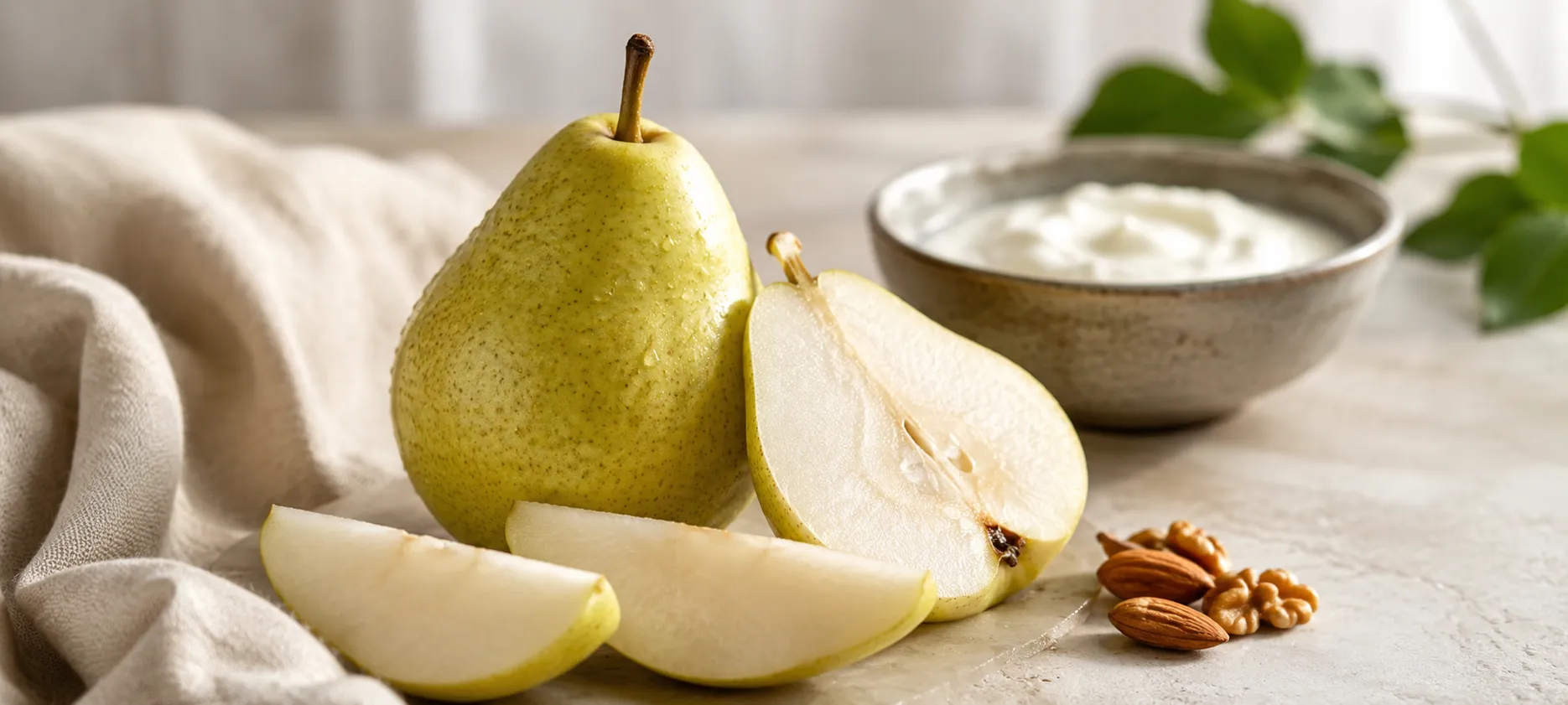
- Phalahar Vrat: A moderate approach allowing fruits, milk, yoghurt, and sattvic (pure) foods such as nuts and seeds. This option provides essential nutrients whilst maintaining the spiritual discipline of fasting.
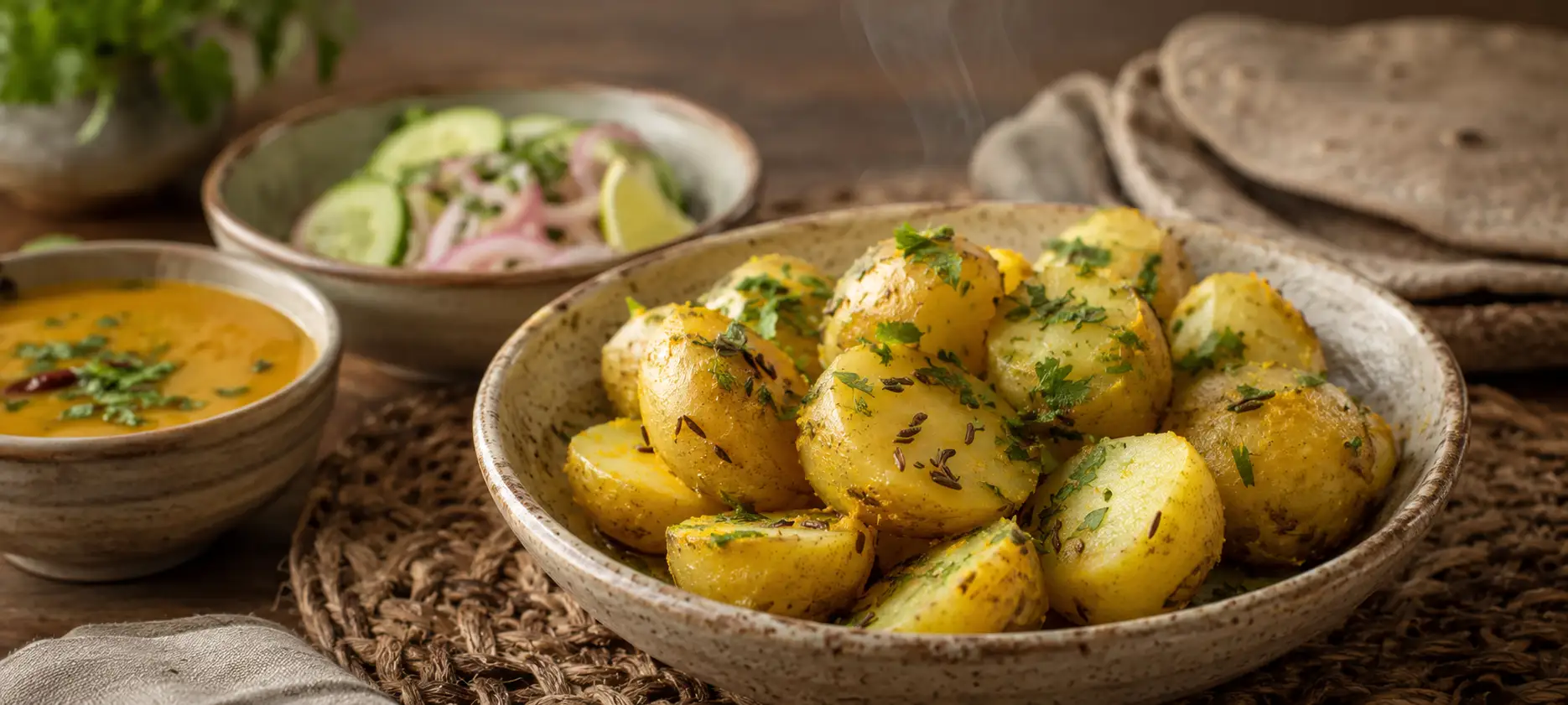
- Partial Fast: Permits light vegetarian meals excluding grains, pulses, and regular salt. Practitioners consume buckwheat flour, tapioca pearls (sabudana), potatoes, and rock salt (sendha namak) to maintain energy levels.
- Water and Liquid Fast: Involves consuming water, coconut water, herbal infusions, and milk-based beverages. Popular choices include ginger-lemon water, rose tea, hibiscus infusions, and traditional drinks like lassi or buttermilk.
How Fasting Affects the Body
During Maha Shivratri fasting, your body undergoes significant physiological changes that affect multiple systems. Initially, reduced calorie intake leads to energy dips as your body depletes glycogen stores and begins mobilising fat reserves for fuel. This metabolic shift can cause temporary fatigue, particularly during the first few hours of fasting.
Skipping regular meals triggers autophagy, a natural cellular process that clears out damaged cells and promotes tissue regeneration. This natural detoxification mechanism may contribute to the sense of mental clarity and lightness that many practitioners experience. Additionally, reduced insulin levels during fasting can improve insulin sensitivity and help stabilise blood glucose levels.
However, prolonged dietary restriction, especially during Nirjala fasts, carries potential risks, including dehydration, hypoglycaemia (low blood sugar), and electrolyte imbalances. These changes can manifest as dizziness, weakness, headaches, or confusion.
Potential Health Benefits of Fasting (When Done Safely)
- Enhanced Detoxification: The cellular cleanup process removes toxins, promotes mental alertness, and supports the meditative aspects of the festival.
- Improved Blood Sugar Control: Temporary fasting can enhance insulin sensitivity and help maintain stable glucose levels, particularly beneficial for those managing diabetes risk factors.
- Anti-inflammatory Effects: Calorie restriction may reduce inflammation markers throughout the body, potentially supporting overall health and well-being.
- Weight Management Support: The temporary calorie reduction, combined with the elimination of processed foods and excess sodium, can reduce bloating and support healthy weight maintenance.
- Mental and Spiritual Clarity: Many practitioners report enhanced focus, emotional balance, and deeper spiritual connection during the fasting period.
Health Precautions to Follow While Fasting
Who Should Avoid Strict Fasting?
- Individuals with Diabetes: Those with diabetes or hypoglycaemia history face significant risks from blood sugar fluctuations during extended fasting periods, according to the International Diabetes Federation.
- Pregnant and Breastfeeding Women: The increased nutritional demands during pregnancy and lactation make strict fasting potentially harmful to both mother and child.
- Elderly Individuals and Children: Age-related health vulnerabilities and developmental needs make strict fasting inappropriate for these groups.
- Individuals with chronic conditions: Such as kidney or heart disease—should consult their doctor before fasting before attempting any form of extended fasting.
Common Health Risks During Fasting
- Dehydration: Particularly dangerous during Nirjala fasts, leading to fatigue, headaches, and potentially serious complications.
- Hypoglycaemia: Low blood sugar can cause dizziness, shakiness, confusion, and in severe cases, loss of consciousness.
- Electrolyte Imbalance: Avoiding regular salt whilst restricting fluids can disrupt crucial mineral balance, causing muscle cramps and weakness.
- Digestive Issues: Improper breaking of fasts or consuming inappropriate foods can lead to nausea, vomiting, or severe indigestion.
Hydration Tips for a Safe Maha Shivratri Fast
- Prioritise Fluid Intake: Drink adequate water, coconut water, or permitted beverages based on your chosen fasting type to prevent dehydration.
- Choose Herbal Options: Ginger-lemon tea, rose water, and hibiscus infusions provide hydration whilst supporting electrolyte balance.
- Use Rock Salt: Add small amounts of sendha namak to permitted drinks to maintain essential mineral levels during the fasting period.
- Monitor Hydration Status: Pay attention to thirst signals and urine colour to assess your hydration needs throughout the day.
Safe Foods to Eat During the Fast
- Fresh Fruits: Bananas, apples, and oranges provide natural sugars, vitamins, and sustained energy for spiritual practices.
- Dairy Products: Milk, yoghurt, lassi, and kheer offer protein and hydration, supporting energy levels throughout the fasting period.
- Nuts and Seeds: Almonds, cashews, raisins, and chia seeds provide healthy fats and protein for sustained nourishment.
- Traditional Options: Buckwheat preparations, sabudana dishes, and potato-based meals with rock salt maintain cultural authenticity whilst providing nutrition.
Foods to Avoid While Fasting
- Prohibited Grains: Regular wheat, rice, pulses, and legumes are traditionally avoided during the sacred fasting period.
- Regular Salt and Spices: Common salt, onions, garlic, and heavy spices are replaced with rock salt and mild seasonings.
- Processed Foods: Fried items, caffeine, and heavily processed foods can cause digestive distress and spiritual impurity.
- Non-Vegetarian Foods: All animal products (except dairy) are traditionally avoided to maintain the sanctity of the spiritual observance.
Signs Your Body Is Not Tolerating the Fast Well
- Severe Hypoglycaemia Symptoms: Dizziness, excessive shakiness, confusion, or a rapid heartbeat indicate dangerous blood sugar drops requiring immediate attention.
- Dehydration Indicators: Persistent headaches, dark urine, dry mouth, or extreme fatigue signal the need for immediate fluid replacement.
- Cardiovascular Symptoms: Chest pain, irregular heartbeat, or severe weakness may indicate serious complications requiring medical intervention.
- Neurological Changes: Confusion, difficulty concentrating, or unusual behaviour patterns suggest the need to break the fast immediately.
Health Tests to Monitor Body Balance During or After Fasting
- RBS (Random Blood Sugar) Test: Crucial for individuals with diabetes or those prone to low blood sugar and those with a history of hypoglycaemia to monitor blood sugar stability throughout the fasting period.
- Electrolytes Test: Measures sodium, potassium, and chloride levels to detect imbalances caused by fluid and dietary restrictions.
- Kidney Function Test (KFT): Creatinine and blood urea nitrogen (BUN) levels help assess how fasting affects kidney function, especially important for those with existing kidney concerns.
- Complete Blood Count (CBC): Evaluates overall health status and detects any nutrient deficiencies or complications arising from extended fasting.
- Lipid Profile (1/2/3) and HbA1c Tests: Post-fast evaluations can help monitor long-term glucose control and cardiovascular health.
Conclusion
Observing Maha Shivratri fasting can be a deeply meaningful spiritual experience when approached with proper health awareness and precautions. The key to safe fasting lies in choosing a Maha Shivratri diet plan suited to your health needs, staying properly hydrated, and recognising warning signs that indicate the need for medical attention.
Remember that spiritual devotion and physical well-being complement each other beautifully when you implement appropriate fasting health precautions. Whether you choose a strict Nirjala fast or a more moderate approach, prioritising your health ensures you can fully embrace the spiritual significance of this sacred festival.
At Metropolis Healthcare, we understand the importance of monitoring your health during religious observances like Maha Shivratri. Our comprehensive range of over 4,000 diagnostic tests includes essential panels for blood glucose monitoring, electrolyte balance, and kidney function assessment. With our convenient home sample collection service available across 10,000+ touchpoints nationwide, you can access precise health monitoring.
FAQs
Is fasting during Maha Shivratri safe for everyone?
No, strict fasting poses risks for diabetics, pregnant women, elderly individuals, and those with chronic health conditions who may experience dangerous complications.
Can diabetics fast during Maha Shivratri?
Diabetics should avoid strict fasting due to hypoglycaemia risks, but may consider partial fasts with medical supervision and careful blood glucose monitoring.
What should I eat during the Maha Shivratri fast?
Choose fruits like bananas and apples, dairy products, nuts, sabudana preparations, and buckwheat dishes whilst avoiding grains and regular salt completely.
Can fasting cause low blood sugar or dehydration?
Yes, extended fasting depletes glucose stores, causing hypoglycaemia, whilst fluid restriction leads to dehydration, especially dangerous during Nirjala observances.
Which health tests are useful after fasting?
• RBS (Random Blood Sugar) Glucose Test for sugar stability
• Electrolytes test for mineral balance
• Kidney function test (KFT)
• Complete blood count for overall health assessment
How can I break my fast safely after Maha Shivratri?
Begin with light fruits, milk, or simple khichdi, avoiding heavy meals that may cause digestive distress after extended fasting periods.