Home Visit
 Upload






Preventive Healthcare
Kaposi Sarcoma: Understanding Symptoms & Treatment Options
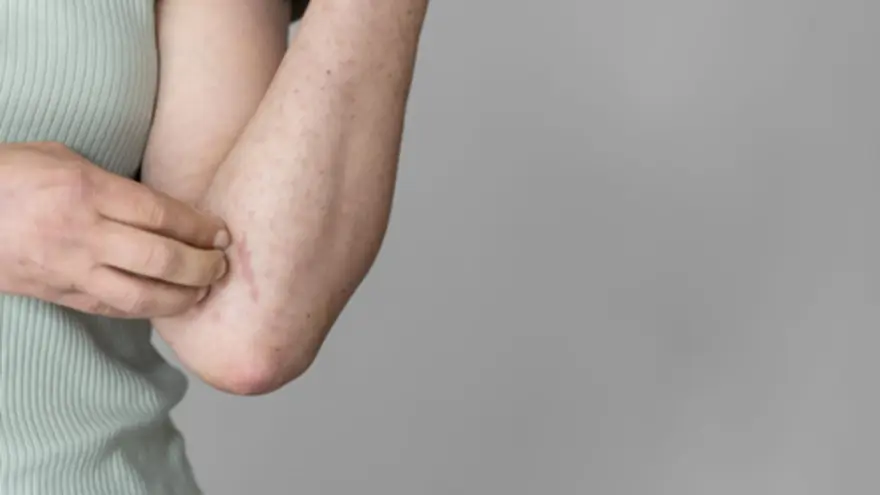
Table of Contents
What Is Kaposi Sarcoma?
Kaposi sarcoma (KS) is a rare type of cancer that develops from the cells lining blood or lymph vessels. It usually appears as tumours on the skin or mucosal surfaces, such as inside the mouth. Kaposi sarcoma is caused by human herpesvirus 8 (HHV-8) and is more common in people with weakened immune systems, like those with HIV/AIDS or organ transplant recipients.
Kaposi sarcoma is defined as a malignant neoplasm originating from endothelial cells, which line blood and lymphatic vessels, the cells that line blood and lymphatic vessels. It is characterised by the formation of lesions or tumours on the skin, mucous membranes, and sometimes internal organs.
Types of Kaposi Sarcoma
There are four main types of Kaposi sarcoma:
- Classic (Sporadic) KS: This type usually affects older men of Mediterranean or Jewish heritage. It tends to progress slowly and rarely involves internal organs.
- AIDS-associated (Epidemic) KS: The most common form in the United States, this type is linked to HIV/AIDS. It can be more aggressive and often involves internal organs.
- Endemic African KS: Found predominantly in equatorial Africa, this type can affect both children and adults. It may be more indolent in children but can be more aggressive in adults.
- Iatrogenic (Transplant-related) KS: This type occurs in people who have undergone organ transplantation and are taking immunosuppressive medications to prevent rejection. Reducing immunosuppression can often lead to improvement.
Signs and Symptoms
Kaposi sarcoma symptoms can vary depending on the location and progression of the disease. The most recognisable signs include:
- Red, purple, or brown patches, plaques, or nodules on the skin
- Lesions that may be either painful or painless
- Swelling in the affected area due to fluid buildup
- Lesions in the mouth, throat, or around the eyes
- Gastrointestinal bleeding if the digestive tract is involved
- Breathing difficulties if the lungs are affected
In the early stages, some individuals may not display any noticeable symptoms. Early detection is crucial for effective treatment and management of Kaposi sarcoma.
Causes
Kaposi sarcoma is caused by infection with human herpesvirus 8 (HHV-8), also known as Kaposi sarcoma-associated herpesvirus (KSHV). However, not everyone infected with HHV-8 develops Kaposi sarcoma. The virus is necessary but not sufficient for the development of the disease.
Risk Factors
Several factors can increase a person's risk of developing Kaposi sarcoma:
- HIV/AIDS: Kaposi sarcoma is an AIDS-defining illness, and a weakened immune system significantly raises the risk.
- Immunosuppression: Medications that suppress immunity, such as after an organ transplant, elevate Kaposi sarcoma risk.
- HHV-8 infection: While necessary, HHV-8 infection alone is not sufficient to cause Kaposi sarcoma.
- Geography: Individuals in sub-Saharan Africa and Mediterranean countries have higher rates of HHV-8 infection.
- Age and sex: Classic Kaposi sarcoma primarily affects older men over 50.
- Sexual activity: Men who have sex with men have a higher prevalence of HHV-8 infection.
Complications of Kaposi Sarcoma
If left untreated, Kaposi sarcoma can lead to complications such as disfigurement or pain from skin lesions or organ dysfunction if tumours involve internal organs like the lungs, liver, or digestive tract.
How Doctors Diagnose Kaposi Sarcoma
If you notice any unusual skin changes or growths, it's important to see a doctor for evaluation. To diagnose KS, your healthcare provider will examine your skin and mouth for characteristic lesions; take your medical history, including any HIV risk factors; perform a biopsy of a suspicious lesion to confirm KS; check tumour cells for HHV-8 infection and assess your overall health and immune status with blood tests.
Tests that are used
Diagnosing KS involves several tests:
- Biopsy: A skin or lesion sample is examined under a microscope to identify the distinctive spindle-shaped KS tumour cells and abnormal blood vessel growth. This is the definitive test for KS.
- Immunohistochemistry: Special stains are used on biopsy samples to detect proteins specific to HHV-8, confirming Kaposi sarcoma.
- HIV test: If KS is suspected or confirmed, an HIV test is essential to determine if it is AIDS-related. CD4 cell counts are also checked in HIV-positive individuals.
- Imaging scans: Chest X-rays, CT scans, or endoscopy may be used to look for signs of KS in the lungs or digestive tract if a person has concerning symptoms.
- Other tests: Complete blood count, liver and kidney function tests help assess overall health. Sometimes a lymph node biopsy is done to check for cancer spread.
How is Kaposi Sarcoma Treated?
Treatment for Kaposi sarcoma depends on the type and extent of the disease, as well as the person's overall health. Options may include:
- Local therapy: For limited skin lesions, treatments like cryotherapy (freezing), radiation therapy, or topical retinoids may be used.
- Systemic therapy: For more extensive disease, options include chemotherapy, immunotherapy, and targeted therapy.
- Antiretroviral therapy: For AIDS-related KS, treating the underlying HIV infection with antiretroviral medications is crucial.
- Organ transplant-related KS may improve with a reduction in immunosuppressive therapy.
What Can I Expect if I Have Kaposi Sarcoma?
If you are diagnosed with Kaposi sarcoma, your doctor will work with you to develop an individualised treatment plan based on the type and extent of your disease, your overall health, and your preferences. Treatment may involve a combination of local and systemic therapies.
Prognosis can vary widely depending on factors such as the type of KS, the extent of disease, and the person's immune function. With appropriate treatment, many people with KS can achieve long-term remission.
When to See a Doctor
You should see a healthcare provider if you notice any:
- Unexplained skin changes like discolored patches, plaques, or nodules
- Persistent swelling or pain in the arms, legs, or face
- Trouble breathing, chest pain, or coughing up blood
- Abdominal pain, nausea, vomiting, or blood in the stool
- Lumps or swelling in the neck, armpit, or groin
- Unexplained weight loss, fatigue, night sweats, or fever
While these symptoms can have many causes, it's important to get them checked promptly, especially if you have risk factors for KS like HIV or immunosuppression.
Conclusion
Kaposi sarcoma is a complex condition that requires a multidisciplinary approach to diagnosis and treatment. If you are concerned about your risk for Kaposi sarcoma or have noticed any potential signs or symptoms, don't hesitate to consult a healthcare provider. Reliable diagnostic services, like those offered by Metropolis Healthcare, can provide the accurate testing and expert guidance needed to inform your healthcare decisions.
FAQs
I'm an organ transplant recipient. How can I reduce my risk of Kaposi sarcoma?
If you've had an organ transplant, it's crucial to work closely with your healthcare team to manage your immunosuppressive medications carefully. While these drugs are necessary to prevent rejection, high doses can increase the risk of KS. Your doctor will aim to find the lowest effective dose. It's also important to follow general healthy living advice, like eating well, exercising regularly, and avoiding infections. Attend all your recommended checkups and promptly report any new symptoms to your transplant team.
Is Kaposi sarcoma an autoimmune disease?
No, Kaposi sarcoma is not an autoimmune disease. It is a type of cancer caused by human herpesvirus 8 (HHV-8) infection, not by the body's immune system attacking its own tissues.
Can Kaposi sarcoma be prevented?
Currently, there is no sure way to prevent Kaposi sarcoma. However, you can lower your risk by reducing your chances of becoming infected with HHV-8 and HIV.
How long is sarcoma recovery?
Recovery time for Kaposi sarcoma varies depending on several factors, including the type and stage of KS, the treatments used, and the person's overall health. For localised skin lesions treated with therapies like cryotherapy or radiation, healing may take a few weeks. More extensive disease requiring systemic chemotherapy can involve longer treatment and recovery times, often spanning several months.
Is Kaposi sarcoma malignant or benign?
Kaposi sarcoma is a malignant condition, meaning it is a type of cancer. It arises from the endothelial cells lining blood and lymphatic vessels and can spread to other parts of the body if left untreated. However, with timely and appropriate treatment, many people with KS can achieve long-term remission.