Home Visit
 Upload






Preventive Healthcare
Ischaemic Stroke: Prevention, Warning Signs & Recovery Tips
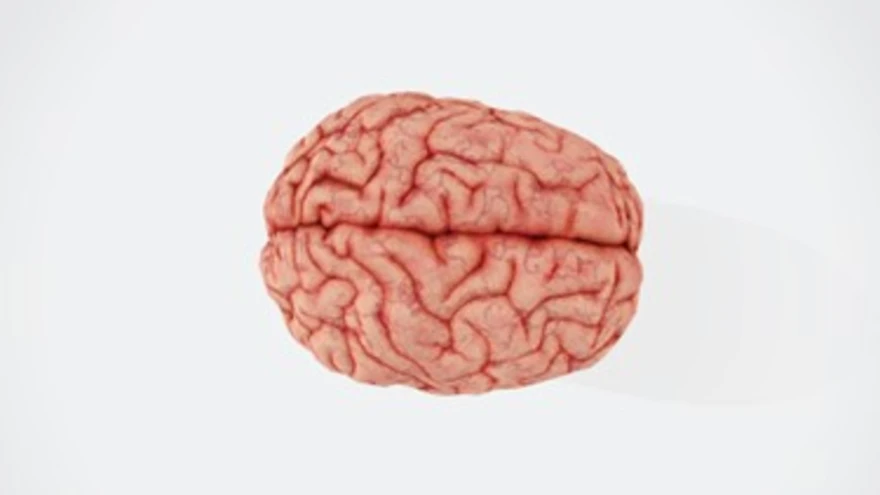
Table of Contents
- What is an Ischaemic Stroke?
- Causes of Ischaemic Stroke
- Risk Factors
- Warning Signs & Symptoms of Ischaemic Stroke
- How Ischaemic Stroke is Diagnosed?
- Diagnostic Tests for Ischaemic Stroke
- Ischaemic Stroke Treatment Options
- Prevention Tips for Ischaemic Stroke
- Long-Term Recovery and Lifestyle Changes
- Conclusion
- FAQs
- References
What is an Ischaemic Stroke?
An ischaemic stroke occurs when blood flow to a part of the brain is blocked, usually by a blood clot in the brain’s artery, depriving brain cells of oxygen and nutrients. This blockage leads to rapid brain tissue damage, causing sudden neurological symptoms. It accounts for nearly 85% of all stroke cases and is considered a medical emergency requiring immediate treatment to restore blood flow and minimise long-term disability.
There are two main types:
- Thrombotic Stroke: Caused by a blood clot forming within a brain artery, most often due to plaque buildup from atherosclerosis.
- Embolic Stroke: Occurs when a clot or debris travels from another part of the body — often the heart — and lodges in a brain artery.
Facing or witnessing a stroke can be frightening, but early recognition and emergency care can make all the difference. With timely treatment and proper rehabilitation, many patients recover function and lead fulfilling lives. Understanding the warning signs and acting fast can help save both brain function and life itself.
Causes of Ischaemic Stroke
An ischaemic stroke occurs when blood flow to a part of the brain is interrupted or severely reduced, depriving brain cells of oxygen and nutrients. This usually happens due to blockage or narrowing of the arteries that supply the brain. Several underlying conditions and lifestyle factors contribute to this blockage:
- Atherosclerosis:
The most common cause of ischaemic stroke, atherosclerosis, occurs when fatty deposits (plaques) made of cholesterol, calcium, and other substances accumulate on the inner walls of arteries. Over time, these plaques narrow the blood vessels and reduce blood flow to the brain. If a plaque ruptures, it can trigger the formation of a blood clot, completely obstructing the blood supply. - Blood Clots (Thrombosis or Embolism):
Clots can form within a brain artery (thrombotic stroke) or travel from another part of the body (embolic stroke) — often from the heart after a heart attack or irregular heartbeat. Once the clot lodges in a smaller brain vessel, it cuts off circulation, leading to tissue damage. - Atrial Fibrillation (AFib):
This irregular heart rhythm causes the upper chambers of the heart (atria) to quiver, allowing blood to stagnate and form clots. These clots may travel to the brain, causing an embolic stroke. - Carotid Artery Disease:
The carotid arteries in the neck are a major pathway for oxygen-rich blood to reach the brain. Narrowing or blockage in these arteries, often from plaque build up, can severely restrict blood flow and lead to ischaemic stroke. - Heart Attack or Valve Disorders:
After a heart attack, parts of the heart muscle may weaken or develop scar tissue, making it easier for clots to form. Similarly, damaged heart valves or artificial valve replacements can release clots into circulation, increasing stroke risk. - Smoking and High Cholesterol:
Nicotine and carbon monoxide from smoking damage the arterial lining, while elevated cholesterol contributes to plaque buildup — both increase the risk of arterial blockage and clot formation. - Uncontrolled Diabetes or Hypertension:
Chronically high blood sugar and blood pressure damage and stiffen blood vessel walls, making them prone to atherosclerosis and clot formation — major contributors to ischaemic stroke.
In most cases, ischaemic stroke results from a combination of these factors, emphasising the importance of managing cardiovascular health through lifestyle changes, regular monitoring, and medical supervision.
Risk Factors
Several underlying factors can significantly raise the risk of developing an ischaemic stroke, especially when combined with poor lifestyle habits or pre-existing health conditions.
- Age over 55 years:
Stroke risk increases progressively with age as blood vessels lose elasticity and become more prone to blockage or rupture. - Family history of stroke or heart disease:
A genetic predisposition to hypertension, high cholesterol, or clotting disorders makes individuals more vulnerable to stroke. - High blood pressure:
Persistent hypertension weakens and damages arterial walls, creating conditions conducive to plaque build up and clot formation in brain arteries. - Diabetes mellitus:
Elevated blood sugar damages blood vessel linings and accelerates atherosclerosis, making diabetics two to four times more likely to suffer a stroke. - High cholesterol levels:
Accumulation of fatty deposits (plaques) narrows arteries, obstructing blood flow to the brain and increasing ischaemic stroke risk. - Obesity and sedentary lifestyle:
Lack of physical activity contributes to weight gain, poor circulation, high blood pressure, and insulin resistance—key risk factors for stroke. - Smoking or alcohol use:
Nicotine and toxins in cigarettes constrict arteries and promote clotting, while excessive alcohol elevates blood pressure and disrupts heart rhythm. - Previous transient ischaemic attack (TIA):
Often called a “mini-stroke,” a TIA is an early warning that major stroke risk is significantly higher without timely medical intervention.
Warning Signs & Symptoms of Ischaemic Stroke
Ischaemic stroke symptoms occur suddenly and require immediate medical attention to prevent permanent brain damage.
- Sudden weakness or numbness on one side: Loss of strength or sensation in the face, arm, or leg indicates blocked blood flow to the brain.
- Difficulty speaking or understanding speech: Trouble forming or comprehending words suggests damage to language centres in the dominant brain hemisphere.
- Vision problems in one or both eyes: Blurred, dim, or lost vision occurs when the blood supply to the visual cortex or optic nerve is disrupted — a common symptom of ischaemic stroke.
- Sudden dizziness or loss of balance: Stroke affecting the cerebellum can cause poor coordination, staggering gait, or inability to maintain posture.
- Severe headache without known cause: A sudden, intense headache may accompany a stroke due to increased intracranial pressure or vascular damage.
- Confusion, disorientation, or fainting: Reduced oxygen supply to brain cells leads to cognitive disturbances and sudden loss of consciousness.
Remember the FAST test:
- F – Face: Drooping on one side
- A – Arms: One arm drifts downward
- S – Speech: Slurred or strange speech
- T – Time: Call emergency services immediately
How Ischaemic Stroke is Diagnosed?
Rapid diagnosis — ideally within the first few hours (“golden window”) — is vital for effective ischaemic stroke treatment and to prevent brain cell death.
- Clinical Evaluation:
Neurologists assess reflexes, muscle strength, speech, and balance to determine which brain region is affected by reduced blood flow. - Imaging Tests:
CT or MRI scans quickly identify the type of stroke, locate the blockage, and rule out haemorrhage or mimicking conditions. - Blood Tests:
Measure glucose, cholesterol, and clotting factors to detect underlying issues like diabetes, hyperlipidaemia, or coagulation disorders that trigger stroke. - Heart Tests:
ECG and echocardiogram help detect atrial fibrillation, valve disorders, or heart clots that may travel to the brain. They are often used along with other tests for ischaemic stroke diagnosis. - Carotid Ultrasound:
Evaluates plaque build up or narrowing in the carotid arteries supplying blood to the brain, a major source of embolic strokes.
Diagnostic Tests for Ischaemic Stroke
Specialised diagnostic tests are crucial to determine the cause, severity, and source of the ischaemic stroke and guide timely treatment:
- CT Scan / MRI Brain:
Quickly identifies blocked or oxygen-deprived areas in the brain and helps rule out haemorrhagic stroke for accurate treatment planning. - Complete Blood Count (CBC):
Detects infection, anaemia, or inflammation that could worsen neurological recovery or indicate underlying systemic issues. - Lipid Profile:
Evaluates cholesterol and triglyceride levels, which contribute to atherosclerosis and plaque build up in arteries supplying the brain. - Blood Glucose Test:
Determines blood sugar abnormalities, as uncontrolled diabetes increases stroke risk and affects post-stroke recovery. - Coagulation Profile (PT/INR, APTT):
Measures blood clotting ability to help guide the safe use of anticoagulants and assess bleeding risk. - Echocardiogram (2D Echo):
Examines the heart’s structure and function, identifying clots, valve disorders, or atrial fibrillation that could lead to embolic strokes. - Carotid Doppler Ultrasound:
Evaluates blood flow and plaque build-up in carotid arteries, detecting potential blockages that may reduce oxygen supply to the brain.
Ischaemic Stroke Treatment Options
Treating an ischaemic stroke is a race against time — every minute counts. Prompt medical care can save brain cells, reduce disability, and significantly improve recovery outcomes. The goal is to restore blood flow to the brain as quickly as possible, prevent further clot formation, and support rehabilitation for long-term recovery.
Early intervention — ideally within the first 3 to 4.5 hours of symptom onset — offers the best chance of reversing damage and regaining function. Once the patient is stabilised, a combination of emergency treatment, medications, and rehabilitation forms the cornerstone of ischaemic stroke recovery.
1. Emergency Treatments
Emergency care aims to quickly reopen blocked arteries and restore oxygen supply to the brain. These treatments are highly time-sensitive — the earlier they’re administered, the better the recovery outcomes.
- Thrombolytic Therapy (tPA):
A clot-dissolving drug (tissue plasminogen activator) is administered intravenously — ideally within 4.5 hours of symptom onset — to restore blood flow and minimise brain damage. - Endovascular Thrombectomy:
A minimally invasive procedure that removes large clots from major brain arteries, most effective within 6–24 hours of symptom onset in eligible patients.
2. Medications
After initial stabilisation, medications are prescribed to prevent future ischaemic stroke, manage risk factors, and support recovery. The exact regimen depends on the patient’s underlying condition and stroke cause.
- Antiplatelets (Aspirin, Clopidogrel):
Help prevent platelet aggregation, reducing the risk of new clot formation and recurrent stroke. - Anticoagulants (Warfarin, Heparin):
Used in patients with atrial fibrillation or cardiac clots to prevent embolic strokes. - Statins:
Lower cholesterol levels, stabilise arterial plaques, and reduce future stroke risk. - Blood Pressure Control Drugs:
Medications like ACE inhibitors or beta-blockers help regulate hypertension, a leading cause of ischaemic stroke.
3. Rehabilitation & Recovery
Rehabilitation begins soon after emergency treatment to restore physical and cognitive function and improve quality of life. A multidisciplinary approach involving physiotherapists, speech therapists, occupational therapists, and psychologists ensures comprehensive care.
- Physiotherapy:
Restores muscle strength, balance, and coordination through guided physical exercises. - Speech Therapy:
Helps regain speech, language, and swallowing abilities affected by brain injury. - Occupational Therapy:
Re-trains patients to perform daily activities, improving independence and quality of life. - Psychological Support:
Addresses depression, anxiety, or cognitive decline that may occur post-stroke, promoting emotional well-being.
Prevention Tips for Ischaemic Stroke
According to the National Institutes of Health (NIH), preventing an ischaemic stroke largely depends on controlling risk factors and adopting sustainable lifestyle changes that promote cardiovascular and brain health.
- Maintain Healthy Blood Pressure and Sugar Levels:
Keep hypertension and diabetes under control through regular monitoring, medication adherence, and dietary moderation. - Quit Smoking and Limit Alcohol:
Smoking damages blood vessels and increases clot formation, while excessive alcohol raises blood pressure and stroke risk. - Exercise Regularly:
Engage in at least 30 minutes of physical activity daily — such as walking, yoga, or cycling — to improve circulation and heart health. - Eat a Balanced Diet:
Choose a diet low in saturated fat and sodium, rich in fruits, vegetables, whole grains, and omega-3 fatty acids to reduce plaque buildup and support heart health. - Monitor Cholesterol Levels:
Regular lipid checks help detect high LDL cholesterol, which contributes to arterial narrowing and atherosclerosis. - Manage Heart Conditions:
Take prescribed medications for atrial fibrillation or heart disease to prevent clot formation and embolic strokes. - Schedule Regular Health Screenings:
Routine check-ups allow for early detection and management of stroke risk factors like high blood pressure or carotid artery disease.
Long-Term Recovery and Lifestyle Changes
Recovery from an ischaemic stroke depends on the extent of brain injury, how quickly treatment began, and ongoing rehabilitation efforts. With timely medical care and consistent therapy, many patients can regain partial or even full functionality over time.
A structured rehabilitation plan—including physiotherapy, speech therapy, and occupational therapy—helps restore mobility, coordination, and communication skills. Adopting a balanced diet rich in antioxidants, lean proteins, and whole grains supports neural repair and cardiovascular health.
Emotional and psychological recovery is equally vital. Support from family, caregivers, and counselling professionals reduces anxiety, depression, and social isolation, improving long-term well-being.
Preventing recurrence of ischaemic stroke requires consistent lifestyle modification — including blood pressure control, smoking cessation, physical activity, and managing diabetes and cholesterol under medical supervision.
For personalised stroke recovery tips, consult a neurologist or a stroke rehabilitation specialist who can tailor therapies to your specific needs and goals.
Conclusion
An ischaemic stroke is a life-threatening emergency — but timely diagnosis, advanced treatment, and consistent rehabilitation can restore function and prevent recurrence. Awareness of early warning signs and preventive care remains the best strategy for protecting brain health.
At Metropolis Healthcare, we support your recovery journey with comprehensive diagnostic testing, including brain imaging, blood panels, and cardiac assessments—all conducted with precision and care. With trusted expertise, NABL & CAP accredited labs, and 10,000+ collection points across India, Metropolis ensures accurate reports and timely results, helping doctors make informed decisions for better outcomes and long-term wellness.
Book an ischaemic stroke risk profile or follow-up tests today through the Metropolis App, website, or nearest collection centre for expert-guided care.
FAQs
What is the difference between ischaemic and haemorrhagic stroke?
Ischaemic stroke occurs due to blocked arteries, while haemorrhagic stroke results from bleeding in the brain caused by a ruptured vessel.
How soon should treatment start for an ischaemic stroke?
Immediate treatment, ideally within 4.5 hours, can save brain tissue and reduce disability.
Can ischaemic stroke be prevented?
Yes. Managing risk factors like high blood pressure, diabetes, and cholesterol can significantly lower the risk.
What is the survival rate of an ischaemic stroke?
- Early treatment improves survival dramatically.
- With timely and appropriate treatment, over 70–80% of patients survive their first ischaemic stroke.
How long does recovery take?
Recovery time varies — some patients recover in weeks, while others require months of rehabilitation depending on stroke size, brain area affected, and overall health.
References
- https://my.clevelandclinic.org/health/diseases/24208-ischemic-stroke-clots
- https://www.ncbi.nlm.nih.gov/books/NBK499997/
- https://www.mayoclinic.org/diseases-conditions/stroke/symptoms-causes/syc-20350113
- https://medlineplus.gov/ischemicstroke.html
- https://pmc.ncbi.nlm.nih.gov/articles/PMC10972452/