Home Visit
 Upload






Preventive Healthcare
Interstitial Cystitis: Symptoms, Causes & Treatment
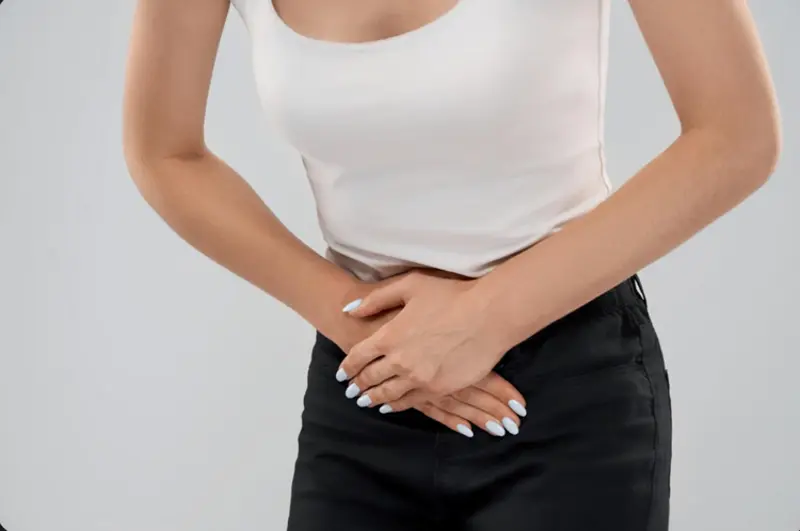
Table of Contents
- What Is Interstitial Cystitis?
- Symptoms of Interstitial Cystitis
- Causes of Interstitial Cystitis
- Risk Factors for Interstitial Cystitis
- Complications of Interstitial Cystitis
- How Interstitial Cystitis is Diagnosed
- Treatment Options for Interstitial Cystitis
- Lifestyle and Home Remedies
- Dietary Recommendations for IC
- When to See a Doctor
- Living with Interstitial Cystitis
- Conclusion
- FAQs
- References
What Is Interstitial Cystitis?
Interstitial cystitis/bladder pain syndrome (IC/BPS) is a chronic condition causing bladder-related pain, pressure, or discomfort with urinary symptoms in the absence of infection or another identifiable cause. Inflammation may be present in some patients (e.g., with Hunner lesions) but is not required for diagnosis.
This condition leads to recurring pain, pressure, or discomfort in the bladder and pelvic region, often accompanied by persistent urinary symptoms. Unlike a urinary tract infection (UTI), IC/BPS does not respond to antibiotics and is classified under the broader term bladder pain syndrome.
Symptoms of Interstitial Cystitis
Common Symptoms
- A feeling of heaviness or fullness in the bladder area
- Persistent pelvic pain or pressure
- Intermittent strong urge to urinate without incontinence
- Frequent urination, both day and night
- Pain that worsens as the bladder fills and improves after urination
Severe Symptoms
- Unrelenting lower abdominal pain that affects daily life
- Waking up multiple times at night to urinate (nocturia)
- Needing to urinate dozens of times per day
- Significant pain during sexual activity
- Visible blood in the urine (haematuria) is uncommon; if present, it requires evaluation for other causes (e.g., stones, infection, tumour) before attributing it to IC/BPS.
Causes of Interstitial Cystitis
The precise cause of interstitial cystitis remains unknown, but it may involve a combination of factors that lead to chronic bladder inflammation and malfunction. Unlike common bladder infections, IC is not caused by bacteria. However, according to the Urology Care Foundation, certain defects in the bladder lining, immune system abnormalities, and nerve dysfunction may all play a role in the development of bladder pain syndrome.
- Damage or increased permeability in the protective lining of the bladder allows irritants in urine to affect the bladder wall.
- Autoimmune reactions cause the immune system to mistakenly attack bladder tissue.
- Abnormal communication between bladder nerves and the spinal cord increases pain sensitivity.
- Persistent inflammation contributes to ongoing symptoms.
- Activation of certain immune cells called mast cells, which release chemicals that promote inflammation and pain.
Possible Causes
- Genetic predisposition, with a family history of IC or other chronic pain disorders, increases risk.
- Previous bladder trauma or surgery may be linked to later symptom development.
- Some people report IC/BPS symptoms after UTIs, but a causal link has not been established; evaluation should first exclude ongoing or recurrent infection.
- A potential link between allergies and IC symptom flares.
Risk Factors for Interstitial Cystitis
- Female sex, with IC/BPS being much more common in women.
- Age over 30, when most cases are diagnosed.
- Presence of other chronic pain disorders like irritable bowel syndrome, fibromyalgia, or chronic fatigue syndrome.
- Autoimmune diseases potentially increase susceptibility.
- Suspected genetic component, with family history as a risk factor.
- Previous pelvic surgery or trauma may increase vulnerability.
Complications of Interstitial Cystitis
- Reduced bladder capacity due to chronic inflammation, causing scarring
- Emotional distress, including depression, anxiety, and social isolation
- Sexual dysfunction related to painful intercourse affects relationships.
- Sleep disturbances from frequent nighttime urination
- Lower quality of life, with daily activities, work, and social interactions being limited
How Interstitial Cystitis is Diagnosed
1. Medical History and Physical Exam
The diagnostic process for interstitial cystitis begins with a thorough review of your symptoms and medical history and a physical examination. Your doctor will focus on your abdomen and pelvic area to rule out other potential causes of pain or urinary issues.
2. Urine Tests
Urinalysis and urine culture are used to rule out infection. Urine cytology is not routine and is reserved for patients with haematuria or other risk factors for bladder cancer.
3. Cystoscopy
During a cystoscopy, a thin tube with a camera (cystoscope) is inserted into your bladder through the urethra. May be performed when the diagnosis is uncertain or to look for Hunner lesions or other pathology; it is not required in all patients. It can also help exclude other conditions when red flags (e.g., haematuria) are present.
4. Bladder Distension Test
Under anaesthesia, the bladder may be distended to evaluate/identify Hunner lesions or provide short-term symptom relief in selected patients. It is not a routine diagnostic test and is considered when other evaluations are inconclusive or for treatment planning.
5. Imaging Tests
Imaging tests like ultrasound, CT scan, or MRI may be used to rule out other pelvic or bladder diseases, such as kidney stones or tumours. However, these tests usually do not directly confirm the presence of interstitial cystitis.
Treatment Options for Interstitial Cystitis
- Lifestyle and dietary modifications
- Oral medications
- Bladder instillation therapies
- Physical therapy for pelvic floor dysfunction
- Nerve stimulation (neuromodulation) therapies
- Botox injections
- Surgery (in rare, severe cases)
Medications
- Amitriptyline (antidepressant for pain and bladder spasms)
- Pentosan polysulfate sodium may help some patients; long-term use has been associated with a rare pigmentary maculopathy, so periodic ophthalmologic monitoring is advisable.
- Antihistamines
- Pain relievers (NSAIDs)
- Gabapentin or pregabalin for nerve pain
- Antimuscarinics (e.g., tolterodine, solifenacin) or mirabegron may reduce urgency/frequency when overactive bladder features coexist, but they do not treat bladder pain
- Intravesical onabotulinumtoxinA may be considered in refractory cases to reduce urgency/frequency; it is not primarily a pain treatment and may increase the risk of temporary urinary retention.
Bladder Instillation Therapy
Bladder instillation therapy involves placing medications, such as dimethyl sulfoxide (DMSO), heparin, steroids, or local anaesthetics, directly into the bladder via a catheter. These treatments aim to reduce inflammation and pain by helping repair the bladder lining.
Physical Therapy
Specialised pelvic floor physical therapy can be beneficial for relieving pain associated with interstitial cystitis. Physical therapists work on treating muscle tightness, spasms, or trigger points in the pelvic region, which are common in people with bladder pain syndrome.
Nerve Stimulation Therapy
Nerve stimulation therapy uses electrical stimulation to modulate pain signals and reduce urinary urgency. Options include posterior tibial nerve stimulation (external) and sacral neuromodulation (implantable) for refractory IC/BPS symptoms. for refractory urgency/frequency and selected IC/BPS symptoms.
Surgery (Rare Cases)
In severe, treatment-resistant cases of interstitial cystitis, surgery may be considered as a last resort. Escalation is stepwise: Hunner lesion fulguration/resection when present; in refractory, severe disease, options include bladder augmentation or urinary diversion. Cystectomy is a last resort after exhaustive conservative therapies.
Lifestyle and Home Remedies
- Avoid known symptom triggers like certain foods, beverages, or activities.
- Practise stress management techniques such as meditation, yoga, or deep breathing.
- Apply heat to the pelvic area to relieve pain and discomfort.
- Wear loose, comfortable clothing to reduce irritation.
- Engage in gentle exercise like walking or swimming to improve overall health.
- Quit smoking, as it can worsen interstitial cystitis symptoms.
- Maintain good hydration by drinking water throughout the day.
- Keep a bladder diary to identify patterns and triggers.
Dietary Recommendations for IC
- Stay well-hydrated by drinking plain water throughout the day.
- Limit or avoid acidic foods and drinks, such as citrus fruits, tomatoes, and coffee.
- Reduce consumption of bladder irritants, like alcohol, spicy foods, and artificial sweeteners.
- Consider eliminating potential trigger foods for a period of time and reintroducing them gradually to identify personal sensitivities.
Safe Foods
- Water and many herbal teas are often well tolerated. Tolerance to milk varies; consider individual response.
- Whole grains like oats, rice, and quinoa
- Non-acidic fruits such as bananas, pears, and watermelon
- Vegetables like broccoli and cauliflower
- Lean proteins, including lentils, chicken and fish
Trigger Foods
- Acidic fruits like oranges, lemons, and grapefruits
- Tomatoes and tomato-based products
- Spicy foods containing hot peppers or chilli powder
- Chocolate and caffeinated beverages like coffee and tea
- Alcohol and carbonated drinks
- Artificial sweeteners and preservatives
When to See a Doctor
- Persistent pelvic pain or pressure
- Frequent, urgent need to urinate
- Pain or discomfort during sexual intercourse
- Blood in your urine
- Symptoms that interfere with your daily life
- Worsening symptoms despite self-care measures
Living with Interstitial Cystitis
Living with interstitial cystitis can be challenging, but there are ways to cope and maintain a good quality of life. In addition to working closely with your healthcare team and following your individualised IC/BPS management plan, consider these strategies:
- Educate yourself about bladder pain syndrome to better understand and manage your condition.
- Join a support group to connect with others who understand your experiences.
- Practise relaxation techniques to manage stress and reduce symptom flares.
- Make necessary adjustments at work or school to accommodate your needs.
Conclusion
Interstitial cystitis is a complex and often misunderstood condition that can significantly impact quality of life. By understanding the causes, symptoms, and treatment options for IC/BPS, you can take an active role in managing your condition and finding relief. With proper guidance, exploring various treatment options, and making lifestyle changes, you can take control of your bladder health and live your best life.
Metropolis Healthcare offers a comprehensive portfolio of more than 4,000 tests and profiles, ranging from routine diagnostics to highly specialised tests for bladder conditions and cancer, infectious diseases, and genetic conditions. Our team of experienced phlebotomists can perform convenient at-home sample collection, ensuring your comfort and privacy. Test reports are delivered promptly via email and the user-friendly Metropolis Healthcare App, empowering you with the information you need to make informed health decisions.
FAQs
1. Is interstitial cystitis the same as a UTI?
No, interstitial cystitis is not the same as a urinary tract infection (UTI). While both conditions can cause urinary frequency and urgency, IC is a chronic condition not caused by bacterial infection. UTIs are acute infections that respond to antibiotic treatment, whereas IC requires long-term management.
2. Can interstitial cystitis go away on its own?
Interstitial cystitis is a chronic condition that typically does not resolve on its own. While symptoms may fluctuate over time, most people require ongoing interstitial cystitis treatment and management to control their symptoms and maintain quality of life.
3. What foods should I avoid if I have IC?
While trigger foods vary among individuals, common culprits include acidic fruits, tomatoes, spicy foods, chocolate, caffeinated and alcoholic beverages, and artificial sweeteners. Keeping a food diary can help you identify your personal trigger foods.
4. Is interstitial cystitis a lifelong condition?
For most people, interstitial cystitis is a chronic, long-term condition that requires ongoing management. Symptoms can often be controlled with a combination of lifestyle changes, medications, and other therapies.
5. How is IC different from an overactive bladder?
Both conditions can cause urinary frequency and urgency. IC/BPS is characterised by bladder-related pain/pressure/discomfort, whereas overactive bladder (OAB) typically causes urgency ± urge incontinence without pain. Additionally, IC is often associated with pelvic pain and pain during intercourse, which are not common in OAB.
References
- https://my.clevelandclinic.org/health/diseases/15735-interstitial-cystitis-painful-bladder-syndrome
- https://www.ncbi.nlm.nih.gov/books/NBK570588/
- https://www.kidney.org/kidney-topics/interstitial-cystitis
- https://www.urologyhealth.org/urology-a-z/i/interstitial-cystitis
- https://www.nhs.uk/conditions/interstitial-cystitis/