Home Visit
 Upload






Preventive Healthcare
International Epilepsy Day 2026: Understanding Seizures, Diagnosis & Important Medical Tests
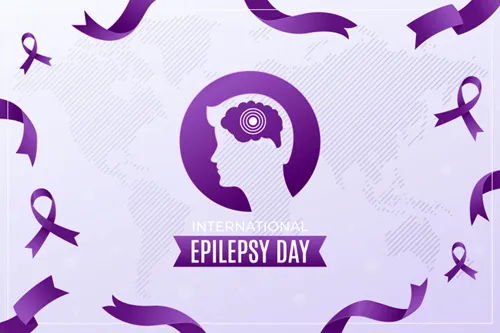
Table of Contents
- What is International Epilepsy Day?
- International Epilepsy Day 2026 Theme
- History of International Epilepsy Day
- Why International Epilepsy Day is Observed
- Understanding Epilepsy: A Brief Overview
- How Common is Epilepsy Worldwide and in India?
- Importance of Early Diagnosis & Medical Care For Epilepsy
- Conclusion
- FAQs
What is International Epilepsy Day?
International Epilepsy Day is a global awareness initiative organised jointly by the International Bureau for Epilepsy (IBE) and the International League Against Epilepsy (ILAE). This annual event, observed on the second Monday of February, brings together individuals, organisations, and communities across more than 120 countries to promote epilepsy awareness and combat stigma.
The day serves as a powerful platform to educate the public about seizure disorders, dispel common myths, and advocate for better treatment access. International Epilepsy Day encourages open conversations about epilepsy, helping to build more inclusive communities where people with seizure disorders can live confidently, free from stigma or misunderstanding.
Through coordinated efforts worldwide, International Epilepsy Day has become the most prestigious epilepsy awareness event, uniting families, healthcare professionals, and advocates in their mission to improve lives affected by this neurological condition.
International Epilepsy Day 2026 Theme
The International Epilepsy Day Theme 2026 centres on the #EpilepsyPledge campaign, a transformative initiative designed to convert awareness into concrete action. This International Epilepsy Day Theme 2026 encourages individuals, schools, workplaces, and organisations to commit to specific, achievable actions that promote epilepsy awareness and inclusion.
The #EpilepsyPledge focuses on four key areas: raising awareness, improving safety measures, fostering inclusion, and building community understanding of epilepsy. Participants are encouraged to complete their pledges by the end of 2026 to create lasting, positive change for people living with seizure disorders.
History of International Epilepsy Day
The history of International Epilepsy Day began in 2015, when the International Bureau for Epilepsy and the International League Against Epilepsy established this significant awareness event. The inaugural International Epilepsy Day took place without an official theme, marking the beginning of a global movement to address epilepsy-related challenges.
Since its establishment, International Epilepsy Day has grown remarkably, becoming the world's most recognised epilepsy awareness event. The day now reaches over 120 countries, demonstrating the universal need to address ongoing stigma and treatment gaps that affect millions of people with seizure disorders.
Why International Epilepsy Day is Observed
International Epilepsy Day addresses persistent public fear, misconceptions, and stigma surrounding epilepsy, one of the oldest known neurological disorders. For many people with epilepsy, social stigma affects their daily lives, employment opportunities, and access to care more severely than the seizures themselves.
The observance promotes education about proper seizure response, advocates for human rights legislation protecting people with epilepsy, and highlights the need for increased research funding. International Epilepsy Day also raises awareness about preventable deaths, including sudden unexpected death in epilepsy (SUDEP), which affects approximately 1 in 1,000 people with epilepsy annually.
By fostering inclusive communities and challenging discriminatory attitudes, International Epilepsy Day works to ensure that people with seizure disorders can participate fully in society without facing unnecessary barriers or prejudice.
Understanding Epilepsy: A Brief Overview
Epilepsy is a chronic neurological disorder characterised by recurrent, unprovoked seizures caused by sudden abnormal electrical activity in the brain. This condition affects people of all ages and ranks as the fourth most common neurological condition worldwide.
Seizures can vary dramatically in their presentation, from brief lapses of attention or awareness to severe convulsions involving the entire body. Some people experience focal seizures affecting specific brain regions, while others have generalised seizures that involve the entire brain from the onset.
The unpredictable nature of seizures often causes significant anxiety for people with epilepsy and their families. However, with proper diagnosis and treatment, approximately 70% of people with epilepsy can achieve seizure freedom, allowing them to lead normal, productive lives.
How Common is Epilepsy Worldwide and in India?
According to the WHO, epilepsy affects approximately 50 million people, making it one of the most prevalent neurological conditions worldwide. Tragically, about 1 in 1,000 people with epilepsy die suddenly each year from epilepsy-related causes, often exacerbated by inadequate access to treatment.
In India, epilepsy prevalence is estimated at 5-10 per 1,000 people, affecting approximately 7-10 million individuals. The prevalence tends to be higher in rural areas due to limited healthcare access and reduced epilepsy awareness. Early intervention proves critical, as studies show that 70% of cases can be effectively controlled with proper treatment and ongoing medical care.
These statistics highlight the urgent need for improved seizure disorder awareness, better diagnostic facilities, and increased access to appropriate medical care across all communities.
Importance of Early Diagnosis & Medical Care For Epilepsy
Key Benefits of Early Diagnosis:
- Prevents prolonged seizures and complications: Timely diagnosis through EEG and MRI reduces the risk of status epilepticus, a medical emergency involving prolonged seizures.
- Improves seizure control: 70% of patients achieve seizure freedom with timely anti-seizure medications, minimising injury risk and SUDEP.
- Enhances quality of life: Prompt care allows normal activities, reduces stigma-driven isolation, and supports cognitive development in children.
Essential Diagnostic Tests:
- Electroencephalogram (EEG): Records brain electrical activity to identify seizure patterns.
- Magnetic Resonance Imaging (MRI): Detects structural brain abnormalities that may cause seizures.
- Autoimmune Epilepsy Profile: Aids in the diagnosis of autoimmune and paraneoplastic encephalitis presenting with seizures, refractory epilepsy, and cognitive dysfunction.
Treatment Advantages:
- Enables tailored treatments: Identifies specific causes like tumours or genetic factors, guiding treatment options from medications to surgery or a ketogenic diet.
- Lowers mortality: Reduces epilepsy-related deaths by up to 50% through proper monitoring and lifestyle adjustments.
- Supports long-term management: Early intervention establishes effective treatment patterns and helps prevent complications.
Conclusion
International Epilepsy Day empowers global action against epilepsy's challenges, from persistent stigma to untreated seizures. The International Epilepsy Day 2026 theme, #EpilepsyPledge, calls for concrete actions that turn epilepsy awareness into meaningful change. Through early diagnosis, informed medical care, and strong community support, millions of people with epilepsy can live fuller, more confident lives.
Understanding seizure disorders and supporting epilepsy awareness benefits everyone in our communities. Whether you wear purple on International Epilepsy Day, make an #EpilepsyPledge, or simply learn proper seizure first aid, your actions contribute to a more inclusive world.
At Metropolis Healthcare, we recognize the critical importance of accurate diagnosis in epilepsy management. Our comprehensive portfolio of over 4,000 tests includes essential diagnostic panels that support neurological health assessment. With our network spanning 10,000+ touchpoints across India, our qualified technicians provide convenient at-home sample collection, ensuring you can access vital health screenings conveniently, without disrupting your daily routine.
FAQs
What is International Epilepsy Day?
International Epilepsy Day, held on the second Monday in February, is a global event by IBE and ILAE to raise epilepsy awareness, reduce stigma, and promote treatment access for millions affected worldwide.
What is the theme of International Epilepsy Day 2026?
The 2026 theme is #EpilepsyPledge, calling for concrete actions in awareness, safety, and inclusion to turn personal stories into real progress for epilepsy communities by year's end.
Why is International Epilepsy Day important?
It combats epilepsy stigma, educates on seizures, advocates for rights and research, and addresses preventable deaths like SUDEP, fostering support for 50 million worldwide.
What causes epilepsy?
Epilepsy results from brain abnormalities causing erratic electrical signals, triggered by genetics, head trauma, stroke, infections, tumours, or developmental disorders; many cases have no identifiable cause.
Is epilepsy a mental illness?
No, epilepsy is a neurological disorder from brain electrical disruptions causing seizures, not a mental illness, though it may co-occur with anxiety or depression due to its impacts.
Can epilepsy be cured or controlled?
Epilepsy is rarely cured but controllable in 70% of cases with anti-seizure drugs, surgery, or diets; early treatment maximises seizure freedom and quality of life.
What should you do during an epileptic seizure?
Stay calm, ease the person to the ground, clear space, cushion their head, time seizure; turn them on their side post-seizure, avoid restraining them, and call emergency if it is over five minutes or the first time.