Home Visit
 Upload






Preventive Healthcare
13 Effective Home Remedies for Constipation That Actually Work

Table of Contents
How to Encourage a Bowel Movement when Constipated?
When you're constipated, encouraging a bowel movement naturally can bring much-needed relief. The key is to support your body’s digestive process through small but effective lifestyle adjustments. Start by drinking plenty of water throughout the day to help soften stool and promote movement through the intestines. Warm fluids, especially in the morning, can be particularly effective in stimulating the gut.
Diet plays a major role—consuming more fiber from fruits, vegetables, whole grains, and legumes adds bulk to your stool and speeds up transit time. Prunes, kiwi, and flaxseeds are especially helpful. Physical activity, even a short daily walk, helps increase muscle activity in your intestines and can prompt a bowel movement.
Establishing a consistent bathroom routine also helps. Try to go at the same time each day, ideally after a meal, when your digestive system is most active. When sitting on the toilet, elevate your feet on a small stool to create a squatting position, which can ease the passage of stool.
Avoid holding in the urge to go, as this can worsen constipation over time. With a combination of hydration, diet, movement, and routine, you can often restore regular bowel habits naturally.
If these lifestyle changes don't provide adequate relief, consider trying natural remedies for constipation or over-the-counter laxatives as directed.
13 Effective Home Remedies for Constipation
If you're looking for instant constipation relief, there are several effective home remedies for constipation worth trying. These remedies on constipation range from dietary modifications to simple lifestyle changes that can help promote regularity and alleviate symptoms. Let's explore 13 proven strategies for curing constipation at home.
1. Drink More Water
Dehydration is a common cause of constipation, as it can lead to hard, dry stools that are difficult to pass. Drinking adequate amounts of water throughout the day helps keep your stools soft and easier to eliminate. Aim for at least 8 glasses (64 ounces) of water daily, and consider drinking warm water first thing in the morning to stimulate your digestive system. Remember, staying hydrated is one of the simplest yet most effective home remedies for constipation.
2. Eat More Fiber
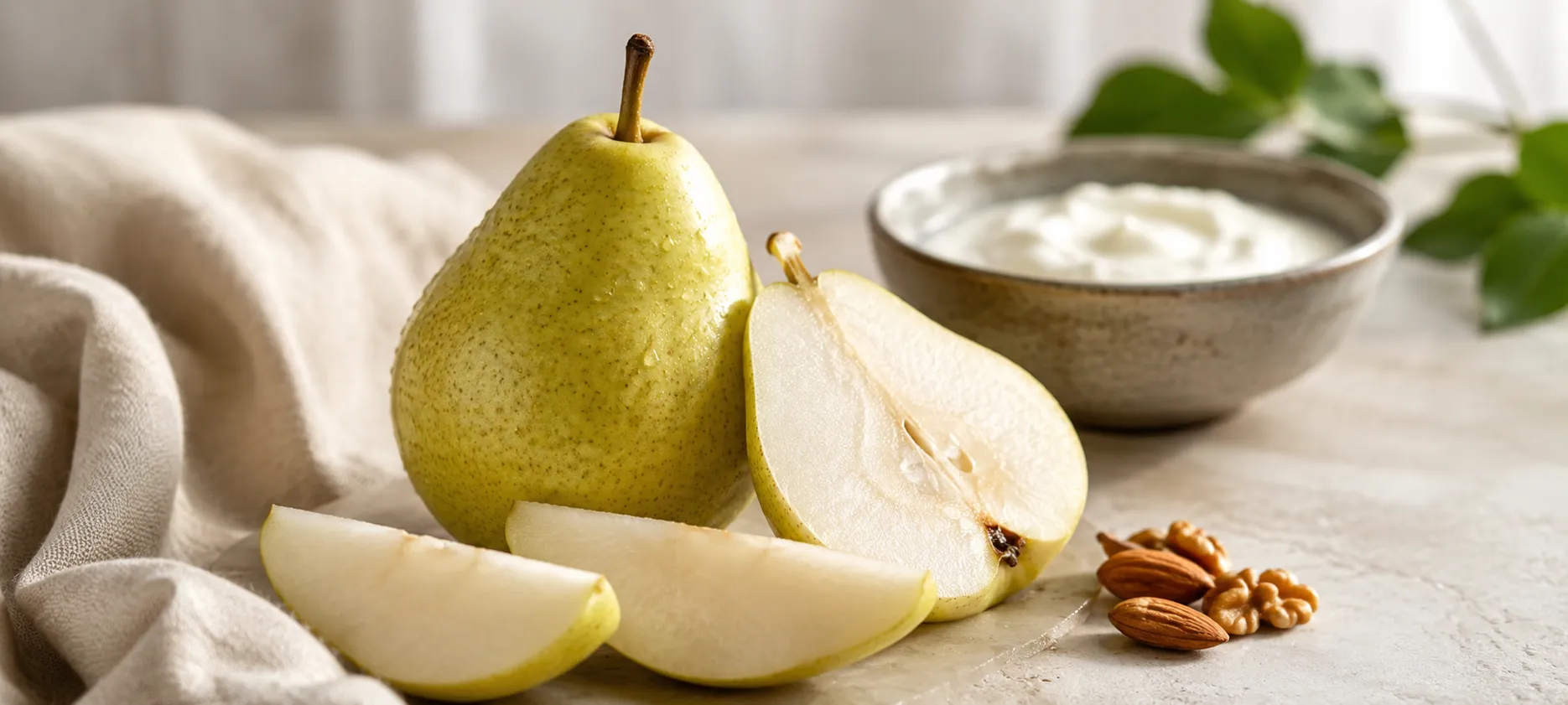
Increasing your fiber intake is another crucial step in curing constipation at home. Fiber adds bulk to your stools, making them softer and easier to pass. Good sources of fiber include fruits (especially berries, pears, and prunes), vegetables (such as broccoli, carrots, and spinach), whole grains, and legumes. Gradually increase your fiber intake to avoid bloating and gas, and be sure to drink plenty of water to help the fiber work its magic.
3. Exercise Regularly
Regular physical activity can help stimulate your digestive system and promote regular bowel movements. Exercise helps increase muscle activity in your intestines, which can help move stools through your colon more effectively. Aim for at least 30 minutes of moderate exercise most days of the week. Walking, jogging, cycling, and swimming are all great options for curing constipation at home.
4. Take a Laxative Stimulant
If dietary changes and lifestyle modifications don't provide adequate relief of constipation, consider trying an over-the-counter laxative stimulant. These medications work by stimulating the muscles in your intestines to contract, helping move stools through your colon. Common laxative stimulants include bisacodyl and senna. While these can provide instant constipation relief, it's important to use them as directed and not rely on them long-term, as they can lead to dependency.
5. Take an Osmotic Laxative
Osmotic laxatives are another option for curing constipation at home. These work by drawing water into your colon, softening your stools and making them easier to pass. Common osmotic laxatives include polyethylene glycol (Miralax) and magnesium hydroxide (Milk of Magnesia). These are generally safe for short-term use, but be sure to follow the dosing instructions carefully and consult your doctor if constipation persists.
6. Try a Lubricant Laxative
Lubricant laxatives, such as mineral oil, work by coating your intestines and stools with a waterproof film, allowing stools to pass more easily. While these can provide effective relief of constipation, they should be used sparingly, as they can interfere with the absorption of certain nutrients. Always follow the dosing instructions and talk to your doctor before using a lubricant laxative.
7. Eat Probiotic Foods
Probiotics are beneficial bacteria that help maintain a healthy gut microbiome. They can help improve digestive function and promote regular bowel movements. Probiotic-rich foods include yogurt, kefir, sauerkraut, and kimchi. You can also take probiotic supplements, which are available over the counter. When choosing a probiotic supplement, look for one that contains multiple strains and at least 10 billion CFUs (colony-forming units).
8. Eat Prebiotic Foods
Prebiotics are a type of fiber that feeds the beneficial bacteria in your gut. By nourishing your gut microbiome, prebiotics can help improve digestive health and promote regularity. Good sources of prebiotics include garlic, onions, leeks, asparagus, bananas, and whole grains. Incorporating prebiotic-rich foods into your diet is a simple yet effective way to support your digestive system and find relief of constipation.
9. Try a Low FODMAP Diet
If you have irritable bowel syndrome (IBS) and struggle with constipation, a low FODMAP diet may help alleviate your symptoms. FODMAPs are short-chain carbohydrates that can be poorly absorbed in the gut, leading to digestive issues. By limiting high FODMAP foods, such as certain fruits, vegetables, dairy products, and wheat, you may find relief of constipation and other IBS symptoms. However, it's important to work with a doctor when starting a low FODMAP diet to ensure you're still getting the nutrients you need.
10. Use a Stool Softener
Stool softeners, such as docusate sodium, work by drawing water into your stools, making them softer and easier to pass. These medications are generally safe for short-term use and can provide effective relief of constipation. However, like other laxatives, they should not be used long-term without consulting your doctor. Always follow the dosing instructions carefully.
11. Get In a Squat Position To Poop
The way you position your body during bowel movements can have a significant impact on the ease and completeness of elimination. Squatting, which is the natural position for pooping, can help straighten your rectum and make it easier to pass stools. To simulate a squatting position on a Western toilet, try using a footstool to elevate your feet and bring your knees closer to your chest. This simple change can be a surprisingly effective way to find instant constipation relief.
12. Try Avoiding Dairy
For some people, dairy products can contribute to constipation. If you suspect that dairy may be a trigger for your digestive issues, try eliminating it from your diet for a few weeks to see if your symptoms improve. You can also try switching to lactose-free or plant-based alternatives, such as almond milk or coconut yogurt. Keep in mind that everyone's digestive system is different, so what works for one person may not work for another.
13. Try Colonic Massage
Massaging your abdomen can help stimulate your colon and encourage bowel movements. To perform a colonic massage, lie on your back and use your fingertips to apply gentle pressure in a circular motion around your belly button. Move your fingers in a clockwise direction, which follows the natural path of your colon. Spend a few minutes massaging your abdomen daily to help promote regularity and find relief of constipation.
Constipation Relief Through Prevention
While quick remedies on constipation are helpful during occasional bouts, long-term prevention is the key to maintaining consistent digestive health. Establishing healthy routines and making thoughtful lifestyle adjustments can significantly reduce the likelihood of constipation recurring.
Below are sustainable habits and preventive strategies to support long-term bowel regularity:
- Maintain a consistent eating schedule: Eating meals at the same times each day helps regulate your body’s digestive rhythm. Irregular eating patterns can confuse your gut and contribute to sluggish digestion.
- Manage stress effectively: Chronic stress can slow digestion and disrupt bowel movements. Incorporate stress-reducing practices such as meditation, deep breathing, yoga, or even regular walks in nature to support your gut-brain connection.
- Prioritize quality sleep: Poor sleep or inconsistent sleep patterns can affect gut motility. Aim for 7–9 hours of restful sleep each night and try to keep a steady sleep-wake cycle, even on weekends.
- Limit alcohol, caffeine, and processed foods: These can be irritating to the digestive tract and may contribute to constipation over time. Choose whole, unprocessed foods and stay mindful of how certain foods affect your digestion.
- Respond to your body’s natural urges: Don’t delay going to the bathroom when the urge strikes. Consistently ignoring the urge can train your body to suppress it, leading to more stubborn constipation over time.
- Stay physically active throughout the day: Beyond dedicated exercise, avoid long periods of sitting. Get up every hour, stretch, or take short walks to stimulate digestive movement and maintain bowel regularity.
- Track your bowel habits: Keeping a journal of your diet, physical activity, stress levels, and bowel patterns can help you identify triggers and stay consistent with helpful routines.
- Consider routine gut health support: Occasionally incorporating probiotics, herbal teas (like peppermint or ginger), or light abdominal self-massage can be part of a preventive wellness approach.
Ultimately, prevention comes down to consistency. When you take care of your body with regular movement, mindful eating, adequate rest, and stress management, your digestive system is more likely to function smoothly and predictably. These small daily habits, when practiced over time, create a strong foundation for lasting relief from constipation and better overall gut health.
Constipation is a common digestive issue that can cause discomfort, bloating, and pain. Fortunately, there are several effective home remedies for constipation that can provide instant constipation relief and help you get back to feeling your best. From simple dietary changes to gentle exercises and over-the-counter treatments, these natural remedies for constipation are safe, effective, and easy to incorporate into your daily routine.
If you're struggling with chronic constipation or have concerns about your digestive health, consider reaching out to Metropolis Healthcare. As a leading chain of diagnostic labs across India, Metropolis Healthcare offers accurate pathology testing and health check-up services to help you better understand your health status. With a team of qualified blood collection technicians who can visit you at home and user-friendly online reports, Metropolis Healthcare is committed to delivering reliable results and personalised care to empower you in prioritising your health.
Also Read: Constipation: Symptoms, Causes, and Proven Treatment Strategies
FAQs
How do you relieve constipation in 30 minutes?
For instant constipation relief, try drinking a glass of warm water with lemon, taking a warm bath, or massaging your abdomen in a clockwise direction. These methods can help stimulate your digestive system and encourage a bowel movement.
How do you relieve constipation naturally?
Natural remedies for constipation include increasing your water and fiber intake, exercising regularly, and trying probiotic or prebiotic foods. Establishing a regular bathroom routine and managing stress can also help promote regularity.
What's the fastest way to relieve constipation?
The fastest way to find relief of constipation may vary from person to person. However, drinking warm water, taking a laxative stimulant or osmotic laxative as directed, and massaging your abdomen are all quick methods that can help stimulate a bowel movement.
Is there a simple way to empty your bowels?
One simple way to encourage bowel emptying is by drinking plenty of water and eating high-fiber foods. You can also try sitting in a squatting position or using a footstool to elevate your feet while on the toilet, which can help straighten your rectum and make it easier to pass stools.
How to pass a hard stool?
To pass a hard stool, focus on softening your stools by drinking plenty of water, eating high-fiber foods, and taking a stool softener or osmotic laxative as directed. Using a lubricant suppository or engaging in gentle exercise may also help.