Home Visit
 Upload






Preventive Healthcare
How Cardiopulmonary Resuscitation (CPR) Works: Step-by-Step Instructions
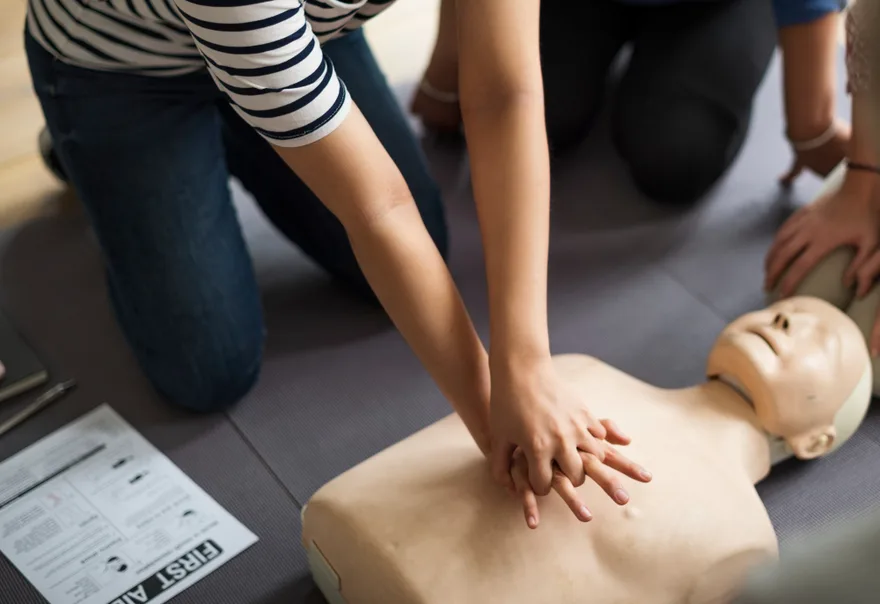
Table of Contents
- What is CPR?
- When Is CPR Needed?
- Why Is CPR Important?
- Types of CPR
- What to Do Before Starting CPR?
- How to Do CPR?
- CPR Basics: ABCs of Life Support
- Step-by-Step CPR Instructions for Adults
- CPR for Children and Infants: Key Differences
- Hands-Only CPR: When and How to Use It
- Giving Rescue Breaths
- Common Mistakes to Avoid While Performing CPR
- Importance of CPR Training and Certification
- Conclusion
- FAQs on CPR
What is CPR?
CPR stands for cardiopulmonary resuscitation. It's an emergency technique used to restore breathing and blood circulation when a person's heart has stopped beating. CPR combines chest compressions to keep blood flowing with rescue breaths to provide oxygen to the lungs. When the heart stops, the lack of oxygenated blood can cause brain damage in just a few minutes. CPR helps maintain blood flow to the brain and vital organs, buying time until an automated external defibrillator (AED) is available to shock the heart back into rhythm or until emergency medical responders arrive to take over.
When Is CPR Needed?
CPR should be performed immediately when a person:
- Is unresponsive and not breathing or only gasping for air
- Doesn't have a pulse
- Suddenly collapses and becomes unresponsive
- Suffers cardiac arrest due to heart attack, drowning, drug overdose, or trauma
It's critical to quickly assess the situation and begin CPR without delay, as every second counts in preserving brain function and increasing the chances of survival.
Why Is CPR Important?
When to perform CPR is when it can literally save lives. When the heart stops beating effectively, it's no longer pumping oxygenated blood to the brain, lungs and other organs. Irreversible brain damage starts after only 4 minutes without oxygen, and death can occur as soon as 4-6 minutes later. By maintaining a flow of oxygen-rich blood to the person's brain and body, CPR can double or even triple their chance of survival. Immediate CPR from a bystander can be especially critical before emergency medical services arrive. According to the American Heart Association, CPR can double or triple the chances of survival after cardiac arrest.
Types of CPR
There are two main types of CPR:
- Conventional CPR: This is the standard form of CPR that combines chest compressions with rescue breaths at a ratio of 30 compressions to 2 breaths. It's most effective when performed by trained responders.
- Hands-Only CPR: Also known as compression-only CPR, this involves performing continuous chest compressions without rescue breaths. It is recommended for use in adults who suddenly collapse from cardiac arrest.
What to Do Before Starting CPR?
Before beginning CPR, always remember to:
- Check the scene for any danger to you or the victim. Make sure it's safe to approach.
- Check the person for responsiveness. Tap their shoulder and shout "Are you OK?"
- If there's no response, call emergency services or have someone else call.
- Assess the person's breathing for no more than 10 seconds. Tilt the head back, lift the chin, and look, listen, and feel for breath.
- If the person is not breathing or only gasping, begin CPR immediately.
How to Do CPR?
Here are the basic steps for how to perform CPR on an adult:
- Place the person on their back, lying flat, on a firm surface
- Kneel next to their chest.
- Place the heel of one hand on the center of the chest.
- Place the other hand on top, interlacing your fingers.
- Keep your arms straight and shoulders directly over your hands.
- Using your upper body weight, compress the chest to a depth of at least 2 inches.
- Push hard, fast, and steadily at a rate of 100-120 compressions per minute. Let the chest fully rise between compressions.
- If trained, give rescue breaths after every 30 compressions. If untrained or unable to give breaths, continue with compressions only.
- Continue cycles of 30 compressions and 2 breaths until an AED arrives or emergency responders take over.
CPR Basics: ABCs of Life Support
The basic steps of CPR can be remembered as the ABCs:
- A (Airway): Open the person's airway by tilting the head back and lifting the chin to ensure the airway is clear.
- B (Breathing): Check for breathing. If not breathing, give 2 rescue breaths.
- C (Compressions): Begin chest compressions. Push hard and fast in the center of the chest, allowing recoil between compressions.
Step-by-Step CPR Instructions for Adults
Here are the CPR steps for adults:
- Check the scene for safety, then check the person for responsiveness. Tap and shout "Are you OK?"
- If no response, call 108 or have someone else call.
- Check for breathing for no more than 10 seconds. Look for chest movement, listen for breath sounds, and feel for air.
- If no normal breathing, begin CPR starting with compressions. Perform 30 chest compressions at a rate of 100-120 per minute.
- If trained, open the airway and give 2 rescue breaths. Watch for chest rise as you give breaths.
- Continue cycles of 30 compressions and 2 breaths until an AED arrives or help takes over. If untrained, perform Hands-Only CPR with just chest compressions.
CPR for Children and Infants: Key Differences
CPR steps are slightly different for children and infants:
|
Step |
Child (1-8 years) |
Infant (< 1 year) |
|
Check response |
Tap and shout |
Tap foot and shout |
|
Check breathing |
Look, listen, feel |
Look, listen, feel |
|
Compressions |
1 or 2 hands on center of chest |
2 fingers on center of chest just below nipple line |
|
Compression depth |
At least 1/3 depth of chest (about 2 inches) |
At least 1/3 depth of chest (about 1.5 inches) |
|
Rescue breaths |
Tilt head, lift chin, give breaths to make chest rise |
Tilt head, lift chin, give gentle puffs to make chest rise |
|
Ratio |
30:2 compressions to breaths |
30:2 compressions to breaths |
Use gentler pressure for children and infants, but still compress the chest at a rate of 100-120 per minute. For infants, use the pads of two fingers to compress the chest.
Hands-Only CPR: When and How to Use It
Hands-Only CPR is CPR without rescue breaths. It can be used by people who are untrained in conventional CPR or unwilling to give rescue breaths. It's most appropriate for teens or adults who suddenly collapse with cardiac arrest. Here are the steps:
- Call 108 or have someone else call.
- Kneel beside the chest.
- Place one hand on top of the other on the center of the chest.
- Use your upper body weight to compress the chest at least 2 inches deep.
- Push hard, fast, and steadily at a rate of 100-120 compressions per minute.
- Keep performing compressions until help arrives or an AED is ready to use.
Hands-Only CPR has been shown to be just as effective as conventional CPR in many cases, and it's better than doing nothing at all.
Giving Rescue Breaths
If you're trained in conventional CPR with rescue breaths, follow these steps:
- Open the airway using the head-tilt, chin-lift technique.
- Pinch the nose shut, create a seal over the mouth, and give 2 breaths, watching for chest rise.
- Each breath should last about 1 second and make the chest visibly rise.
- If the chest doesn't rise, reposition the head and try again.
Common Mistakes to Avoid While Performing CPR
Even a well-trained person can make mistakes during the stress of an emergency. Avoid these common errors:
- Not calling 108 immediately
- Performing compressions too slowly or not deep enough
- Not allowing the chest to recoil fully between compressions
- Interrupting compressions for too long
- Giving too many or forceful breaths that cause the stomach to inflate
- Not opening the airway before giving breaths
Importance of CPR Training and Certification
While any attempt at CPR is better than none, proper training is invaluable. CPR for adults classes teach you the correct techniques, the right compression speed and depth, how to give effective breaths, and how to use an AED. Importantly, training helps you stay calm and act quickly in an emergency.
Most certifications last two years before you need a refresher course. Consider getting certified in First Aid and CPR so you're prepared to provide lifesaving care whenever it's needed.
Conclusion
Cardiopulmonary resuscitation is a crucial life-saving skill that can greatly impact the outcome of cardiac emergencies. By learning what CPR is, when to perform CPR, and the proper CPR steps for adults, children, and infants, you can be prepared to offer immediate help to someone in need. Knowing when to perform conventional CPR versus Hands-Only CPR and avoiding common mistakes further increases the chances of a positive result. Getting certified in CPR through a reputable training course is the best way to ensure you can perform it confidently and effectively.
At Metropolis Healthcare, we strongly believe in empowering people with the right knowledge and skills to prioritise their health and the well-being of their loved ones. While we specialise in providing pathology testing and health check services to aid in the prevention and early detection of health conditions, we understand that being equipped for emergencies is equally vital.
FAQs on CPR
Do you continue CPR during breaths?
No, stop chest compressions to open the airway before giving rescue breaths. Resume compressions immediately after giving the second breath. Be sure to keep interruptions in compressions as brief as possible.
How long should I do CPR?
Continue CPR cycles of 30 compressions and 2 breaths (or Hands-Only CPR) until the person starts breathing, an AED arrives, another trained responder or EMS takes over, or you're too exhausted to continue.
What are the risks of CPR?
CPR may cause fractures to the ribs or sternum and damage to internal organs. However, the chance of saving a life far outweighs these risks. The risk of disease transmission is very low.
What happens immediately after CPR?
If the person regains consciousness, place them in the recovery position and monitor their breathing until emergency responders arrive. If CPR is successful in restarting their heart, the person will be evaluated in the hospital for advanced life support and treatment of the underlying cause of cardiac arrest.
How can CPR save a life?
CPR keeps oxygenated blood circulating to vital organs, especially the brain, until defibrillation or other interventions can restore normal heart rhythm. By maintaining this critical blood flow, CPR can prevent brain damage and death in the minutes after cardiac arrest.