Home Visit
 Upload






Preventive Healthcare
Hip Dysplasia: Causes, Symptoms, and Treatment
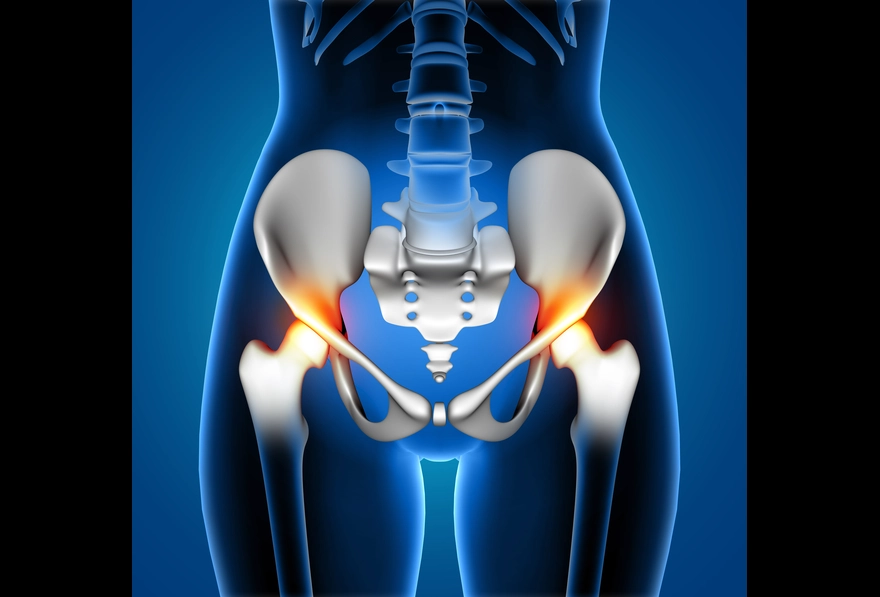
Table of Contents
- What is Hip Dysplasia?
- Hip Dysplasia Symptoms
- At What Age Do Babies With Hip Dysplasia Show Symptoms?
- Causes of Hip Dysplasia
- Risk Factors of Hip Dysplasia
- Hip Dysplasia Complications
- How is Hip Dysplasia Diagnosed?
- What Tests Do Providers Use To Diagnose Hip Dysplasia?
- Hip Dysplasia Treatment
- Conclusion
- FAQs
Discovering that you or your child may have hip dysplasia can be worrying, but understanding the condition is the first step toward peace of mind. Hip dysplasia happens when the hip joint doesn’t fit together as it should, which can lead to discomfort or joint problems over time. The good news is that with early detection and the right care, most people manage it well.
This article will walk you through the common symptoms, possible causes, and effective treatment options to help you feel more informed and confident.
What is Hip Dysplasia?
Hip dysplasia means your hip joint isn’t shaped in the usual way. Instead of the ball of your thigh bone fitting snugly into the socket of your hip bone, the socket may be too shallow or misaligned. This can cause the joint to become unstable or move out of place. Sometimes it’s noticed at birth, while in other cases, it shows up later in life.
Understanding the ‘hip dysplasia meaning’ can help you make sense of symptoms, treatment, and the right steps to take for your or your child’s health.
Hip Dysplasia Symptoms
Signs of hip dysplasia can vary based on age, from newborns to adults. Early symptoms may be hard to notice at home, but there are things you can look out for. If caught early, hip problems can often be managed well.
- Babies may have one leg that moves less or turns outwards more than the other. This can be noticeable during nappy changes or when dressing your baby.
- You might see uneven skin folds on your baby’s thighs or buttocks. This could be a clue that the hips are not aligned correctly.
- Some infants may have one leg appearing slightly shorter than the other. This can happen when one hip is out of position.
- In older children, a limp can be one of the first noticeable symptoms, especially once they begin walking.
- Teenagers or adults might feel groin or hip pain, especially during physical activity. This pain can come and go or become more constant over time.
- A sense of the hip “slipping,” “clicking,” or feeling unstable can also appear, particularly in mild or untreated cases.
At What Age Do Babies With Hip Dysplasia Show Symptoms?
Most babies with congenital hip dysplasia are diagnosed early—either shortly after birth or during routine health check-ups in the first few months. Many babies do not show clear signs at home, which is why healthcare providers check your baby’s hips during every well-baby visit.
If not found in infancy, signs may become more obvious once your child starts crawling or walking. Although this condition can develop later, early detection allows for simpler treatment and better outcomes for your child’s hip development.
Causes of Hip Dysplasia
Understanding what causes hip dysplasia can help you feel more informed and reassured. It’s not something you caused, and many factors can influence its development.
- During late pregnancy, the space inside the womb becomes tighter. This may gently push the baby’s hip out of position, especially if they are in a breech position (bottom first).
- If the socket (acetabulum) doesn’t fully form around the ball of the hip, it can stay shallow and not support the joint properly.
- In some cases, the femoral head (top of the thigh bone) may not be shaped normally. This can affect how well it fits into the hip socket.
- Tight wrapping or swaddling of a baby’s legs with hips straightened can also impact hip position and shape during early development.
- A family history of hip issues increases the chance of a child being born with a similar condition.
Risk Factors of Hip Dysplasia
Some people are more likely to develop hip dysplasia due to a combination of genetics and conditions at birth. Knowing these risk factors can help you stay aware and proactive.
- Being the first baby: Firstborns tend to have less room in the womb, which may affect hip positioning.
- Female babies: Girls are more likely to be born with hip dysplasia, possibly due to how their joints respond to hormones during pregnancy.
- Breech position: Babies who are bottom-first in the womb may have more pressure on their hips, increasing the chance of poor joint alignment.
- Family history: If a parent or sibling had hip dysplasia, the chances are higher for your child to have it too.
- Tight swaddling: Wrapping a baby’s legs too tightly and keeping them straight may interfere with proper hip joint development.
- Other physical conditions: Babies with foot deformities or torticollis (tight neck muscles) may also have a higher chance of having hip instability.
Hip Dysplasia Complications
When hip dysplasia isn't managed or diagnosed early, complications can develop over time. These issues don’t happen overnight but are good to know about so you can act early if needed.
- Labral tears: The labrum is a ring of cartilage that helps hold the hip joint in place. When the joint is unstable, this cartilage can tear, leading to pain and movement issues.
- Osteoarthritis: Abnormal joint shape causes more pressure on certain areas. Over time, this uneven wear can lead to joint damage and arthritis earlier in life.
- Joint instability: If the hip socket is too shallow, the joint may not stay in place properly. This can lead to repeated discomfort or dislocations during movement.
- Delayed walking in children: A child with untreated hip dysplasia may walk later than usual or with a noticeable limp.
- Chronic hip pain: Adults with undiagnosed dysplasia might experience long-term pain, especially after exercise or long periods of standing.
How is Hip Dysplasia Diagnosed?
If you’re concerned about possible signs of hip dysplasia, diagnosis usually begins with a physical exam. Doctors often check newborns right after birth and at every follow-up visit. If any signs are noticed, further tests may be used.
- Your baby’s hips will be gently moved during check-ups to feel for any looseness or “clicks,” which can suggest joint instability.
- If there’s a concern, imaging such as an ultrasound can be arranged to get a clearer picture of how the hip is developing.
- In older children and adults, doctors may ask about pain, limping, or movement issues to guide the diagnosis.
- Understanding your medical or family history can also help identify a higher risk of congenital hip dysplasia.
Your healthcare provider will look at leg length, range of motion, and symmetry in the thighs to help form a complete picture.
What Tests Do Providers Use To Diagnose Hip Dysplasia?
To confirm hip dysplasia, healthcare providers use a combination of physical exams and imaging tests. These help them understand how your or your baby’s hip joint is formed and how it moves.
- Ultrasound: Often used for babies under six months old, this test shows soft tissues and the shape of the developing joint.
- X-rays: Best used for older babies, children, and adults, X-rays give a clear view of the hip bones and their position.
- CT scan: In some complex cases, a CT scan may be done to get a 3D image of the hip joint structure and alignment.
- Physical assessment: Doctors will gently test hip flexibility, check for leg length differences, and listen or feel for any unusual clicks.
These tests allow doctors to choose the right hip dysplasia treatment, depending on how severe the condition is and the age of the person.
Hip Dysplasia Treatment
The good news is that there are several safe and effective ways to manage and treat hip dysplasia. Treatment will depend on your age, symptoms, and how developed the hip joint is at the time of diagnosis.
- Bracing for babies: If diagnosed early, a soft brace such as a Pavlik harness can hold the hips in the correct position while they grow. Most babies only need to wear it for a few months.
- Observation and follow-up: In mild cases, especially with infants, doctors may monitor the hips through regular scans to ensure natural correction is happening.
- Physical therapy: For older children and adults, exercises can help strengthen the muscles around the hip joint and improve flexibility. This reduces pain and supports better movement.
- Surgery: If braces or therapy don’t help, surgery may be recommended. Procedures such as osteotomy reshape and reposition the hip socket for better support. Minimally invasive surgeries can also repair labral tears or reduce joint friction.
- Hip replacement: In adults with joint damage or arthritis, a total hip replacement may be the most effective hip dysplasia treatment to restore comfort and mobility.
Every treatment plan is tailored. Your healthcare provider will guide you through the options with care, ensuring the best outcome for your situation.
Conclusion
Hip dysplasia may sound concerning, but with early diagnosis and the right care, it can be managed effectively. Knowing the symptoms, causes, and treatment options helps you take timely steps toward better joint health.
If you are looking for accurate testing and expert health check-ups, Metropolis Healthcare offers trusted diagnostic services and convenient home sample collection—making it easier for you to prioritise your or your child’s well-being.
FAQs
Is walking good for hip dysplasia?
Gentle walking can help strengthen muscles, but avoid overdoing it; always follow your doctor’s personalised advice.
What is the outlook for hip dysplasia?
With early diagnosis and treatment, most people manage hip dysplasia well and enjoy normal, active lives.
Can I prevent hip dysplasia?
You cannot fully prevent it, but safe swaddling and regular check-ups may reduce early developmental risks.
What to avoid with hip dysplasia?
Avoid high-impact activities, deep squats, and positions that put excess stress on your hip joints.
Can hip dysplasia correct itself?
Mild infant cases sometimes resolve naturally, but most require monitoring or treatment for healthy hip development.
At what age is hip dysplasia treated?
Treatment often begins in infancy, but older children and adults can also receive care when diagnosed.
What are common treatments of hip dysplasia?
Bracing, physical therapy, and surgery are common treatments based on age and severity of hip dysplasia.