Home Visit
 Upload






Preventive Healthcare
Health Benefits of Rock Salt: What You Need to Know
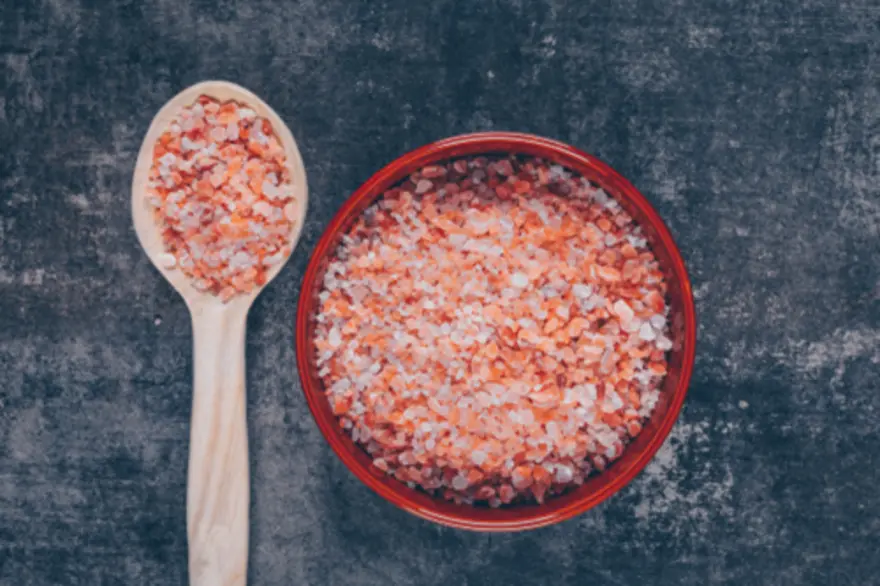
Table of Contents
What is Sendha Namak (Rock Salt)?
Sendha namak (rock salt), scientifically known as halite, is a naturally occurring crystalline form of sodium chloride (NaCl) that forms through the evaporation of ancient saltwater deposits that crystallises without chemical processing. Sendha namak also means rock salt, the unrefined salt extracted from underground deposits or dried salt lakes, Retaining trace minerals such as calcium, magnesium, potassium, and iron that give it a distinct taste and color.
Unlike table salt, sendha namak retains trace minerals, including potassium, magnesium, calcium, iron, and zinc, that contribute to its distinctive taste and potential health properties. This natural formation process explains why rock salt appears in various colours—from translucent white to pink, grey, or even black—depending on the minerals present in its formation environment.
Nutritional Profile of Sendha Namak
While rock salt does not offer significant vitamins, it does contain trace minerals that contribute to its unique taste and potential health benefits. The main nutrient is sodium—present in amounts comparable to regular table salt, as confirmed by ICMR data, is almost the same as table salt. However, other minerals appear in small but notable quantities.
Approximate Nutritional Composition (per 100 g):
- Sodium: 3826 mg (about 166% of the daily value), making it a potent seasoning that should always be used sparingly to maintain healthy sodium intake
- Calcium: 41 mg (around 3% DV), supporting basic bone and muscle functions
- Potassium: 36 mg (about 1% DV), a trace amount that helps maintain fluid balance and supports heart and muscle function
- Iron: 0.03 mg, contributing negligibly to daily iron intake
Top 10 Potential Health Benefits of Sendha Namak (Rock Salt)
While many of rock salt's benefits are based on traditional use rather than extensive clinical research, its unique mineral profile offers several potential advantages.
- Supports Electrolyte Balance
Trace minerals such as potassium and magnesium support fluid balance, nerve conduction, and muscle function — particularly beneficial during heat exposure or physical activity, nerve signalling, and muscle function, making rock salt especially useful in hot weather or after physical activity. It is also also used externally in rock salt baths, believed to promote relaxation and mild mineral absorption, where soaking in mineral-rich water may help replenish electrolytes and relax tired muscles. - Aids Digestive Health
Ayurvedic practices suggest that sendha namak stimulates digestive enzymes, which may improve nutrient absorption, reduce bloating, and support smoother digestion. - Promotes Better Sleep
Its mineral combination may help regulate stress hormones and promote relaxation, contributing to better sleep quality. - Supports Respiratory Health
Rock salt is often used in salt therapy or inhalation practices, which may help clear airways and improve breathing, though scientific evidence is still limited. - May Support Healthy Blood Pressure
When used in moderation, the marginally lower sodium content compared to table salt—along with the presence of potassium—may support healthier blood pressure levels. - Strengthens Bones
Small amounts of calcium and magnesium can contribute to bone mineralisation and overall skeletal strength when included as part of a balanced diet. - Supports Muscle Function
Essential minerals in sendha namak help prevent muscle cramps and assist proper nerve transmission, particularly during exercise. - May Improve Skin Health
Pink rock salt benefits often include better skin texture, as rock salt baths can promote gentle exfoliation, enhance circulation, and may enhance skin hydration and texture. - May Support Natural Detox Processes
Rock salt's mineral profile may aid natural detox processes, though the liver and kidneys remain the primary detox organs. - Enhances Hydration
Electrolytes in sendha namak help the body retain and utilise water more effectively, improving hydration.
How to Use Sendha Namak in Your Diet
- Replace table salt gradually: Begin by mixing sendha namak with iodised salt in a 50:50 ratio. This lets you enjoy its natural mineral profile while still ensuring you meet daily iodine needs. Over time, you can adjust the proportion based on taste and dietary preferences.
- Season vegetables and salads: Use a light sprinkle on steamed vegetables, fresh salads, or fruit bowls. Its mild, clean flavour enhances natural sweetness and crunch, making everyday meals more vibrant without the harshness of regular salt.
- Add to drinking water: During workouts, hot weather, or long outdoor hours, adding just a pinch to your water bottle can help replenish electrolytes and support hydration, especially if you sweat heavily.
- Include in traditional recipes: Sendha namak blends beautifully into fasting dishes, vrat foods, chutneys, and Ayurvedic preparations, offering purity and gentle seasoning.
- Create flavoured salts: Mix rock salt with herbs, spices, or citrus zest to make gourmet seasoning blends for snacks and cooked dishes.
- Use in pickling: Rock salt works well in traditional pickles and fermented foods, enhancing both preservation and flavour.
Remember that regardless of the salt variety, the WHO recommends limiting total sodium intake to less than 2,000 mg per day (equivalent to about 5 g of salt) for optimal cardiovascular health. This guideline applies to all types of salt—whether iodised, sea salt, rock salt, or Himalayan pink salt—because their sodium content is ultimately similar.
Is Sendha Namak Safe for Everyone?
While rock salt offers potential benefits, certain individuals should exercise caution. People with kidney disease should monitor sodium intake carefully, as excess sodium can strain kidney function regardless of the salt type. Those taking blood pressure medications should consult healthcare providers before making significant dietary changes, as the mineral content might affect medication effectiveness.
Pregnant and lactating women can use sendha namak in moderate amounts but should ensure adequate iodine intake through iodised salt or other dietary sources. Children and older adults should also maintain balanced sodium and mineral intake, as both deficiency and excess can affect health.
Conclusion
Understanding rock salt uses and benefits empowers you to make informed dietary choices that support your wellness goals. Whether you're exploring what sendha namak is for the first time or looking to optimise your current usage, moderation and balance remain key to maximising its natural mineral advantages.
And as with any dietary change or wellness practice, keeping track of your overall health markers—such as electrolyte levels, thyroid function, or kidney health—can help ensure that your dietary choices support long-term wellness and balanced mineral status.
At Metropolis Healthcare, we support this journey towards better health through comprehensive diagnostic services. With over 4,000 advanced tests available through our network of 220+ laboratories and 4,600+ service centres, we make health monitoring accessible and convenient. Our home sample collection service reaches 10,000+ touchpoints across India, ensuring you can prioritise your health from the comfort of your home with confidence and ease.
FAQs
How to Tell if Rock Salt is Pure?
Pure sendha namak typically displays natural colour variations from clear to pink or grey, depending on mineral content. Authentic rock salt dissolves completely in water without leaving residue and has a clean, mineral taste without chemical aftertastes.
Can I Use Sendha Namak for Skin Care?
Pink rock salt benefits extend to skincare when used appropriately. Rock salt bath benefits include gentle exfoliation and potential mineral absorption through the skin. Dissolve 1-2 tablespoons in warm bath water for a relaxing soak that may help soften skin and reduce muscle tension. For direct skin application, mix finely ground sendha namak with oil to create a gentle scrub.
Is Sendha Namak Better Than Regular Salt?
When it comes to sodium content, the ICMR has confirmed that there is hardly any difference between rock salt and table salt. However, sendha namak offers trace minerals and potentially less processing. For optimal health, consider using both—sendha namak for mineral variety and iodised salt for thyroid support—while maintaining overall moderation in sodium intake.