Home Visit
 Upload






Preventive Healthcare
10 Incredible Gooseberry (Amla) Benefits You Need To Know
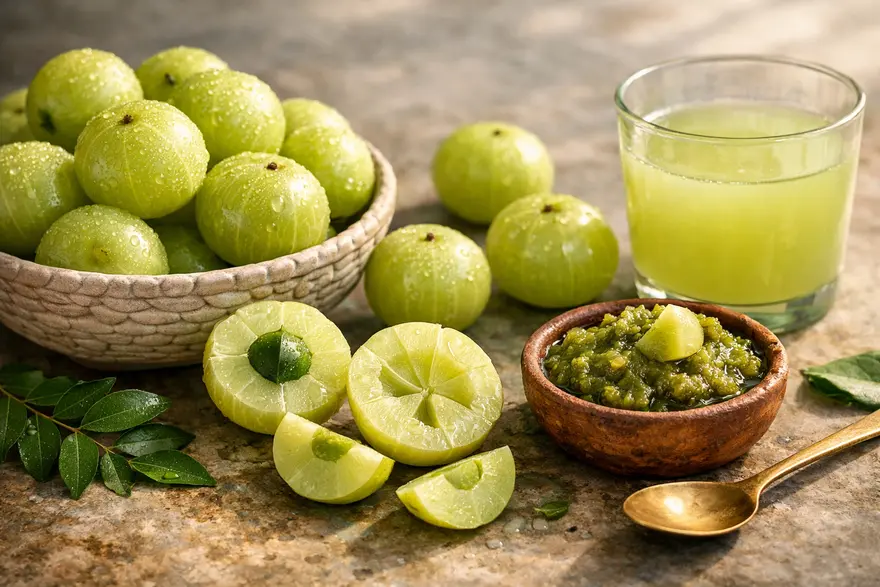
Table of Contents
- What Is Gooseberry (Amla)?
- Nutritional Value Of Gooseberry (Amla)
- Top 10 Gooseberry (Amla) Benefits For Your Health
- How To Add Gooseberry (Amla) To Your Diet
- Is Gooseberry (Amla) Safe For Everyone?
- When Should You Consider A Health Check-Up?
- The Bottom Line
- FAQs On Gooseberry (Amla) Benefits
- References
If you grew up in India, chances are you have heard that Amla is good for your health. Also known as Indian gooseberry, this small, sour fruit has long been valued in everyday diets and traditional wellness practices. Today, it is still widely used because it is rich in vitamin C, antioxidants, fibre, and other plant compounds linked with overall wellbeing.
Amla is not a miracle cure. But when you include it in a balanced diet, it may support your immunity, digestion, heart health, skin, and more. In this article, you will learn what Amla is, what it contains, its possible health benefits, how to eat it, and when you should be cautious.
What Is Gooseberry (Amla)?
Gooseberry can refer to different fruits in different parts of the world. In the Indian context, gooseberry usually means Amla, or Indian gooseberry.
Amla is a small, round fruit with a pale green colour and a distinctly sour, sharp taste. It is commonly eaten fresh, juiced, pickled, candied, or used in powders and preserves. It also has a long history in Ayurveda and is often included in traditional recipes for general vitality.
What makes Amla stand out is its dense nutrient profile. Even though it is small, it contains several compounds that may support your health when eaten as part of a varied diet.
Nutritional Value Of Gooseberry (Amla)
The exact nutrient content of Amla can vary by variety, growing conditions, and processing method. Still, Amla is widely recognised as a nutrient-dense fruit.
|
Nutrient Or Compound |
Why It Matters For Your Health |
|
Vitamin C |
Supports immunity, collagen formation, and antioxidant defence |
|
Fibre |
Helps support digestion and fullness |
|
Polyphenols And Tannins |
Help protect your cells from oxidative stress |
|
Calcium, Iron, And Phosphorus |
Support normal body functions, including bone and metabolic health |
|
Carotenoids And Other Plant Compounds |
May support eye and overall cellular health |
Amla is especially known for its high vitamin C and antioxidant content, which is one reason it is often described as a wellness-supporting fruit.
Top 10 Gooseberry (Amla) Benefits For Your Health
1. Supports Your Immune System
Amla is best known for its vitamin C content. Vitamin C helps support your immune system and also acts as an antioxidant, which means it helps protect your cells from oxidative stress.
This matters because oxidative stress can build up during illness, pollution exposure, poor sleep, and everyday wear and tear on the body. Adding vitamin C-rich foods like Amla to your diet can support your body’s natural defence system.
2. Promotes Better Digestion
Amla contains fibre, which can help support healthy digestion and regular bowel movements. If your diet is low in fibre, including fruits like Amla may help improve digestive comfort.
Traditional use also links Amla with digestive wellness. While more strong human research is still needed in some areas, current evidence suggests that its plant compounds and fibre may support gut health.
3. Helps Support Healthy Skin
Your skin needs vitamin C to make collagen, a protein that helps keep skin firm and healthy. Because Amla is rich in vitamin C and antioxidants, it may help support skin health from within.
This does not mean Amla can erase skin problems on its own. But as part of a balanced diet, it may support your skin by helping your body manage oxidative stress and maintain normal collagen production.
4. May Strengthen Your Hair
Amla has been used in traditional hair care for years, and modern research is starting to explore this more closely. Its antioxidant content may help support scalp health, while its nutrient profile may contribute to stronger-looking hair.
You will often find Amla in hair oils, masks, and supplements. While early studies are promising, it is best to view Amla as supportive care rather than a stand-alone solution for hair loss.
5. Helps Manage Oxidative Stress
Oxidative stress happens when harmful molecules called free radicals build up faster than your body can handle them. Over time, this may contribute to ageing and chronic disease.
Amla contains antioxidants such as vitamin C and polyphenols, which may help reduce oxidative stress in the body. This is one reason Amla is often linked with general wellness and healthy ageing.
6. May Support Heart Health
Some studies suggest that Amla may support heart health by helping improve certain blood lipid markers and reducing oxidative stress. This may be useful because cholesterol imbalance and inflammation can affect your heart and blood vessels over time.
That said, Amla is not a replacement for medical care, exercise, or prescribed treatment. It is best seen as one healthy addition to a heart-conscious lifestyle.
7. May Help With Blood Sugar Balance
Amla contains fibre and plant compounds that may help support blood sugar balance. Some human studies and reviews suggest it may have a positive effect on fasting blood sugar and lipid levels.
Still, you should be careful not to treat it as a substitute for diabetes treatment. If you have diabetes or prediabetes, food choices matter, but proper diagnosis, monitoring, and medical guidance matter just as much.
8. Supports Eye Health
Amla contains vitamin C and other plant compounds that support overall cellular health. It also contains carotenoid-related compounds associated with eye health.
While Amla alone cannot prevent eye disease, eating nutrient-rich fruits as part of a balanced diet may help support long-term eye wellness.
9. May Support Brain Health
Antioxidants help protect cells from oxidative damage, and that includes brain cells. Early evidence suggests that Amla’s bioactive compounds may have neuroprotective potential.
This area still needs more research in people, so it is best to keep expectations realistic. Even so, a diet rich in fruits and plant foods remains one of the most practical ways to support long-term brain health.
10. May Support Weight Management
Amla is low in calories and contains fibre, which may help you feel fuller and support better eating habits. If you are trying to manage your weight, choosing whole fruits over highly processed snacks is often a sensible step.
Amla will not cause weight loss by itself. But it can fit well into a balanced diet that supports your overall health goals.
How To Add Gooseberry (Amla) To Your Diet
You can enjoy Amla in several simple ways:
- Eat it fresh, with a little salt if you prefer
- Drink Amla juice in small amounts
- Add Amla powder to lukewarm water, smoothies, or curd
- Use it in chutneys or homemade condiments
- Try Amla pickle occasionally
- Eat Amla murabba in moderation
- Add chopped Amla to salads or everyday recipes
If you are watching your blood sugar or calorie intake, be careful with sweetened products such as candies, syrups, and murabba.
Is Gooseberry (Amla) Safe For Everyone?
For most people, eating Amla as a food is generally considered safe. But like any food or supplement, it may not suit everyone in the same way.
Possible Side Effects Of Gooseberry
Because Amla is quite sour and concentrated in active compounds, large amounts may cause stomach discomfort in some people. Some people may also find that it worsens acidity or digestive irritation when taken on an empty stomach.
If you are trying Amla juice, powder, or supplements for the first time, start with a small amount and see how your body responds.
Who Should Be Cautious?
You should be more careful with regular Amla supplements if you:
- Have diabetes or low blood sugar
- Take blood-thinning or other long-term medicines
- Have a sensitive stomach
- Are planning surgery
- Have a chronic health condition and want to use it daily in supplement form
Whole Amla eaten as food is different from concentrated powders, capsules, or extracts. Supplements can behave differently and may interact with medicines.
Can You Eat Gooseberry During Pregnancy?
Many people do eat Amla as part of normal food intake during pregnancy. However, if you are pregnant, breastfeeding, or planning to use Amla powder, capsules, or herbal formulations regularly, it is best to ask your doctor first.
This is especially important because herbal supplements are not always studied as thoroughly as medicines, particularly in pregnancy.
When Should You Consider A Health Check-Up?
Healthy foods can support your wellbeing, but they do not replace proper medical evaluation.
If you have ongoing fatigue, digestive issues, hair fall, unexplained weight changes, high blood sugar, cholesterol concerns, or any persistent symptoms, it is wise to get checked. Timely testing can help you understand what your body needs and prevent delays in care.
Preventive health check-ups and the right diagnostic tests can give you clarity, especially when symptoms are mild, confusing, or easy to ignore.
The Bottom Line
Amla, or Indian gooseberry, is a nutrient-rich fruit that may support your immunity, digestion, skin, hair, heart health, and overall wellbeing. Its vitamin C, fibre, and antioxidant compounds make it a useful addition to a balanced diet.
The key is to keep your expectations realistic. Amla can support health, but it cannot replace medical advice, treatment, or proper diagnosis.
If you want to stay proactive about your health, it helps to combine healthy food choices with timely screening. Metropolis Healthcare offers a wide range of diagnostic tests, health check-ups, and convenient home sample collection to help you make informed decisions about your wellbeing. You can also explore more expert-led health articles on the Metropolis Healthcare website for practical guidance on everyday wellness.
FAQs On Gooseberry (Amla) Benefits
What Are The Side Effects Of Gooseberry?
Amla is usually safe when eaten as food, but too much may cause stomach discomfort in some people. If you take medicines or want to use Amla supplements regularly, it is best to check with your doctor.
Can Gooseberries Help With Weight Loss?
Amla may support weight management because it is low in calories and contains fibre. But it does not cause weight loss on its own. It works best as part of a balanced diet and active lifestyle.
Is Gooseberry Good For Skin?
Amla may support skin health because it contains vitamin C and antioxidants. These nutrients help support collagen production and protect your cells from oxidative stress.
Can You Eat Gooseberries During Pregnancy?
Amla eaten in normal food amounts is commonly consumed. But if you want to take it regularly in powder, juice concentrate, or supplement form during pregnancy, it is safer to ask your doctor first.
Is It Better To Eat Amla Raw Or Drink It As Juice?
Raw Amla is a good choice if you enjoy the taste. Juice can also work, but choose unsweetened versions where possible. The best form is the one you can take regularly without adding too much sugar.
Can You Eat Amla Every Day?
Many people do include Amla in their routine in moderate amounts. Daily use may suit some people, but if you have a medical condition or take regular medicines, speak with your doctor before using concentrated forms every day.
Is Amla Good For People With Diabetes?
Amla may support blood sugar balance, but it is not a treatment for diabetes. If you have diabetes, use it as part of a doctor-guided diet plan rather than relying on it alone.
References
- Gul M, Liu ZW, Iahtisham-Ul-Haq, et al. Functional and Nutraceutical Significance of Amla (Phyllanthus emblica L.): A Review. Antioxidants (Basel). 2022;11(5):816. PMID: 35624683.
- Brown PDS, Ketter N, et al. Clinical Effects of Emblica officinalis Fruit Consumption on Cardiovascular Disease Risk Factors: A Systematic Review and Meta-analysis. BMC Complement Med Ther. 2023;23:190. PMID: 37296402.
- Akhtar MS, Ramzan A, Ali A, Ahmad M. Effect of Amla Fruit (Emblica officinalis Gaertn.) on Blood Glucose and Lipid Profile of Normal Subjects and Type 2 Diabetic Patients. Int J Food Sci Nutr. 2011;62(6):609-616. PMID: 21495900.
- Upadya H, Prabhu S, Prasad A, Subramanian D, Gupta S, Goel A. A Randomized, Double Blind, Placebo Controlled, Multicenter Clinical Trial to Assess the Efficacy and Safety of Emblica officinalis Extract in Patients With Dyslipidemia. BMC Complement Altern Med. 2019;19:27. PMID: 30670010.
- Kapoor MP, Suzuki K, Derek T, Ozeki M, Okubo T. Clinical Evaluation of Emblica officinalis Gatertn (Amla) in Healthy Human Subjects: Health Benefits and Safety Results From a Randomized, Double-Blind, Crossover Placebo-Controlled Study. Contemp Clin Trials Commun. 2020;17:100499. PMID: 31890983.
- Fujii T, Wakaizumi M, Ikami T, Saito M. Amla (Emblica officinalis Gaertn.) Extract Promotes Procollagen Production and Inhibits Matrix Metalloproteinase-1 in Human Skin Fibroblasts. J Ethnopharmacol. 2008;119(1):53-57. PMID: 18588964.
- Akhbari M, Firooz A, Rahimi R, Shirzad M, Esmaealzadeh N, Shirbeigi L. The Effect of an Oral Product Containing Amla Fruit (Phyllanthus emblica L.) on Female Androgenetic Alopecia: A Randomized Controlled Trial. J Ethnopharmacol. 2024;318:116958. PMID: 37487962.
- ICMR-National Institute of Nutrition. Dietary Guidelines For Indians. Vitamin C-rich fruits such as gooseberries are included among foods that support better nutrient use in the diet.
- National Center for Complementary and Integrative Health. Dietary and Herbal Supplements. Guidance notes that supplement evidence varies, products may differ from studied formulations, and supplements may interact with medicines or pose risks in pregnancy and certain medical conditions.