Home Visit
 Upload






Preventive Healthcare
Frostbite: Causes, Symptoms, and How to Prevent It
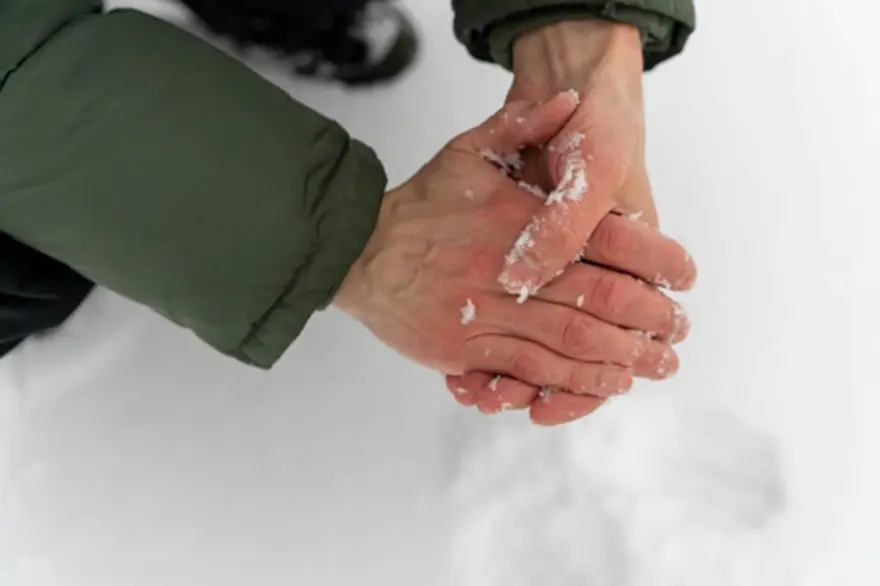
Table of Contents
- What is Frostbite?
- Who Does Frostbite Affect?
- What are the Stages of Frostbite?
- What Does Frostbite Look and Feel Like?
- Can You Have Frostbite and Not Know It?
- Frostbite Symptoms
- Causes of Frostbite
- Risk Factors of Frostbite
- Complications of Frostbite
- Diagnosis and Tests
- Frostbite Treatment
- Prevention
- Conclusion
- FAQs
Frostbite can be concerning, especially when temperatures drop and you’re unsure how to stay safe. It occurs when the skin and underlying tissues freeze due to extreme cold. Fingers, toes, nose, and ears are the most vulnerable areas. Knowing the warning signs and how to protect yourself can make a significant difference.
This post will help you understand what causes frostbite, the symptoms to recognise, and practical ways to prevent it—so you can feel more confident and prepared during cold weather.
What is Frostbite?
Frostbite happens when your skin and the tissues beneath it freeze due to exposure to very cold temperatures. It usually affects parts of the body farthest from the heart, such as your fingers, toes, nose, and ears. The affected skin might feel numb, stiff, or unusually cold to the touch. In severe cases, the skin and tissue can become permanently damaged.
Understanding the frostbite meaning and recognising it early is key to managing it well. This guide explains what to look for and how to stay protected in cold weather conditions.
Who Does Frostbite Affect?
Frostbite can affect anyone who spends time in freezing temperatures without proper protection. You might be at risk if you're outside for long periods during winter, especially without warm clothing or if your clothing becomes wet. Even short exposures can lead to frostbite if it’s extremely cold or windy.
Children, older adults, and those with certain medical conditions, like diabetes or poor circulation, are more likely to develop frostbite. People who use alcohol or tobacco may also have a higher risk because these substances can affect how blood flows to your skin. Knowing who’s more vulnerable can help you take extra care.
What are the Stages of Frostbite?
Frostbite develops in stages, from mild to severe. It’s important to recognise the signs early so you can act quickly.
Frostnip (Mildest Stage)
- Frostnip is the earliest stage of frostbite and doesn’t cause permanent damage.
- Your skin may feel cold, tingly, or numb.
- It might look pale or red but doesn’t blister.
- Once you warm the area, normal feeling usually returns.
- This is a sign you should warm the area immediately to prevent further damage.
Superficial Frostbite
- The skin turns white, grey-yellow, or bluish.
- You may notice slight swelling, and the area feels hard or frozen.
- Blisters may develop after rewarming the affected area.
- The tissue underneath is still soft, which is a good sign.
- This stage can cause lasting nerve damage if not treated properly.
Deep Frostbite
- This is the most serious stage.
- The skin may become hard and waxy-looking.
- You might lose all feeling in the affected area.
- Large blisters can form, sometimes filled with blood.
- The tissue beneath the skin may freeze, leading to permanent damage or even loss of fingers or toes.
- Deep frostbite needs urgent medical attention.
What Does Frostbite Look and Feel Like?
Frostbite often begins with a pins-and-needles or tingling sensation. As it progresses, the skin may go from red to pale, then to grey or even bluish. It can feel numb, hard, or waxy. In some cases, blisters may appear. If the frostbite is deeper, you might feel nothing at all in the affected area, which can be worrying.
As the skin thaws, it may sting, ache, or swell. If you notice these changes after being out in the cold, it’s important to act quickly and warm the area gently.
Can You Have Frostbite and Not Know It?
Yes, it’s possible to have frostbite and not realise it at first. The cold can numb your skin, so you might not feel pain or discomfort straight away.
If you’ve been out in freezing temperatures, especially in windy or wet conditions, you may not notice any signs until you go back inside and begin to warm up.
This is why checking your skin regularly in cold weather is important. If anything looks pale, grey, or feels oddly firm, it’s worth taking seriously—even if it doesn’t hurt right away.
Frostbite Symptoms
Frostbite symptoms can vary depending on how long you've been exposed to the cold and how severe the frostbite is. Recognising the symptoms early is important so you can act quickly and prevent long-term damage.
Numbness
- One of the first signs is a loss of feeling in the affected area.
- You might not realise how cold you are because the nerves are numbed.
Skin Discolouration
- The skin may turn red at first, then pale or greyish.
- In severe frostbite, the area can look bluish or even black.
Hard or Waxy Skin
- Affected areas might feel firm or look waxy, which can be a sign of deep frostbite.
Tingling or Burning
- Some people feel a prickling sensation, especially during the early stages.
Blisters
- After rewarming, blisters may appear.
- Clear blisters usually mean the frostbite is more superficial, while blood-filled blisters suggest deeper damage.
Swelling
- The area may swell as it begins to thaw and recover.
Muscle and Joint Stiffness
- The area may be difficult to move if deeper tissues are affected.
Skin Peeling or Shedding
- As the skin heals, you may notice peeling, much like after a sunburn.
Causes of Frostbite
Frostbite is caused by exposure to cold temperatures that freeze your skin and underlying tissues. Here are the main causes to be aware of:
Prolonged Cold Exposure
- Spending too much time outdoors in freezing weather without adequate protection can lead to frostbite.
- Even short exposure can be dangerous in very cold or windy conditions.
Wind Chill
- Wind removes heat from your body quickly, increasing your risk.
- It can make temperatures feel much colder than they actually are.
Wet Clothing or Skin
- Water draws heat away from your body faster than air.
- Wet gloves or socks in cold weather significantly raise your risk.
Poor Circulation
- Conditions like diabetes or peripheral artery disease can limit blood flow, making you more vulnerable.
Alcohol or Drug Use
- Alcohol causes blood vessels to widen, which increases heat loss.
- It also impairs judgement, so you might not notice the warning signs.
Not Wearing Proper Gear
- Exposed skin or thin clothing in freezing weather is a major risk.
- Protective gloves, hats, and layered clothing can prevent heat loss.
High Altitude
- Cold exposure is more dangerous at high altitudes due to reduced oxygen and lower temperatures.
Risk Factors of Frostbite
Certain situations and health conditions can make you more likely to develop frostbite. Knowing these risk factors helps you take preventive steps.
Cold Weather Exposure
- Prolonged time outside in snow, ice, or sub-zero temperatures puts you at high risk.
- Activities like hiking, skiing, or commuting without warm gear can increase your exposure.
Inadequate Clothing
- Not dressing warmly, especially with exposed skin, allows heat to escape.
- Thin gloves, wet socks, or uncovered ears can all lead to frostbite.
Age
- Infants and older adults are more vulnerable.
- They may struggle to regulate their body temperature or respond to the cold in time.
Medical Conditions
- Poor circulation, diabetes, and nerve damage reduce your ability to feel cold or respond to it.
- These conditions may also slow healing.
Mental Health Conditions
- Some mental illnesses may affect decision-making or awareness of danger.
- People might not dress appropriately or may not notice symptoms.
Substance Use
- Alcohol and certain drugs affect your ability to feel cold and impair judgment.
- You may not realise how cold you are until it’s too late.
Previous Frostbite
- If you’ve had frostbite before, you're more likely to get it again, especially in the same area.
Smoking
- Smoking narrows your blood vessels, reducing blood flow to your extremities.
- This increases your risk of frostbite even in milder conditions.
Exhaustion or Dehydration
- Tired or dehydrated bodies don’t regulate heat as well.
- You’re more likely to feel cold and less able to protect yourself.
High Winds or Altitude
- Wind strips heat away quickly, while high altitudes make it harder for your body to stay warm.
Complications of Frostbite
If frostbite is not treated quickly, it can lead to serious and long-lasting problems. Here are some of the possible complications:
Infection
- Damaged skin is more likely to become infected.
- In severe cases, infections can spread and become serious.
Nerve Damage
- Deep frostbite can harm the nerves beneath your skin.
- This may cause lasting numbness or chronic pain in the affected area.
Tissue Death (Gangrene)
- When tissue dies, it may turn black and require removal.
- In some cases, this can lead to loss of fingers, toes, or limbs
Joint and Muscle Problems
- You may experience stiffness or weakness in the joints after severe frostbite.
Cold Sensitivity
- Even after recovery, you might find that your fingers or toes are more sensitive to cold than before.
Long-Term Skin Changes
- The skin may remain discoloured, scarred, or thinner in the affected area.
Blood Vessel Damage
- The small vessels in your skin can be permanently affected, reducing blood flow long-term.
Diagnosis and Tests
Diagnosing frostbite involves looking closely at the skin and understanding your symptoms and exposure history. Doctors will often use several methods:
Physical Examination
- A doctor will check the colour, texture, and sensation of the affected skin.
- They may gently touch or press the skin to see if it's soft or hard.
Temperature and Sensation Tests
- The affected area may be tested to see if you can feel warmth, cold, or touch.
Imaging Tests
- In serious cases, doctors may use X-rays or MRI to see how deep the frostbite goes.
- This helps check for damage to bones, muscles, or deep tissue.
Bone Scans
- This helps assess blood flow and whether the tissue is still alive.
Observation Over Time
- Sometimes it takes a few days for the full damage to become visible.
- Doctors may monitor how your skin changes over time to decide on treatment.
Frostbite Treatment
Effective frostbite treatment depends on how severe the frostbite is. Here’s how it’s generally handled:
Get to Warmth Quickly
- Move indoors or to a warm area right away.
- Avoid walking on frostbitten feet or toes if possible.
Remove Wet Clothing
- Wet gloves, socks, or clothes make things worse.
- Gently remove these to avoid more damage.
Rewarm the Area
- Use warm (not hot) water between 37°C and 39°C.
- Soak the area for 15–30 minutes.
- Avoid dry heat, like radiators, which can burn numb skin.
Pain Relief
- Rewarming can hurt, so you may be given pain medication to help.
- Paracetamol or ibuprofen may be used.
Protect the Skin
- After rewarming, wrap the area in clean, non-stick dressings.
- Keep affected fingers or toes separated to prevent further tissue damage.
Don’t Rub or Massage
- Avoid rubbing the frostbitten skin as it can cause more damage.
Wound Care
- Blisters may be drained by a healthcare professional but should not be popped at home.
- The area must be kept clean to prevent infection.
Tetanus Shot
- If your frostbite is severe or involves open skin, you might need a tetanus booster.
Medications
- In some cases, drugs may be used to improve blood flow or reduce clotting.
Surgery
- If tissue dies, surgery may be needed to remove the dead parts.
- In extreme cases, amputation is required to prevent the spread of infection.
Recovery Monitoring
- Healing can take weeks or months.
- Doctors may continue to check circulation and nerve function.
Quick frostbite treatment helps limit complications. Always seek medical help for moderate to severe frostbite, even if you feel fine at first.
Prevention
Preventing frostbite is often easier than treating it. Here’s how to stay safe in cold weather:
Dress in Layers
- Wear loose, warm, and layered clothing.
- Use moisture-wicking materials close to the skin and waterproof layers on top.
Protect Extremities
- Wear insulated gloves, thick socks, and hats.
- Cover your ears, nose, and face in cold or windy weather.
Keep Dry
- Wet clothing increases the risk of cold burn and frostbite.
- Change out of wet clothes and socks as soon as possible.
Stay Active
- Movement helps keep blood flowing to your hands and feet.
- Take short breaks to warm up indoors when outside for long periods.
Avoid Alcohol and Smoking
- These affect circulation and make it harder to notice how cold you are.
Know the Weather
- Check wind chill levels before heading out.
- Delay outdoor activities if conditions are too extreme.
Watch for Early Signs
- If you notice tingling, numbness, or discolouration, go indoors and warm up.
Help Others
- Children, older adults, and people with health conditions may need extra help to stay warm.
Conclusion
Recognising frostbite early and taking the right precautions can protect you from serious complications. Dressing in layers, staying dry, and monitoring changes in your skin are simple yet effective ways to prevent frostbite. If you suspect symptoms or need clarity on your condition, accurate and timely testing is essential.
Metropolis Healthcare, a trusted name with over four decades of experience, offers a wide range of diagnostic services backed by expert pathologists and advanced labs. With convenient home sample collection and reliable reports, you can take confident steps towards better health and peace of mind.
FAQs
What is the difference between frostbite and chilblains?
Frostbite involves freezing of the skin and deeper tissues, often causing numbness, discolouration, and blisters. Chilblains, however, are painful red or purple patches caused by repeated exposure to cold and damp conditions without actual freezing. Chilblains are usually mild and go away on their own, while frostbite can lead to long-term tissue damage if not treated.
What is the difference between frostbite and hypothermia?
Frostbite is the freezing of skin and underlying tissues, typically affecting fingers, toes, nose, and ears. Hypothermia is a drop in core body temperature, affecting overall body function and requiring urgent care. While frostbite affects specific areas, hypothermia impacts your entire system. Both can occur together during prolonged cold exposure and need prompt medical attention.
What is the first aid for frostbite?
Move to a warm place and avoid walking on frostbitten feet. Gently remove wet clothing and soak the area in warm (not hot) water for 15–30 minutes. Avoid rubbing or applying dry heat. Cover the skin with clean dressings and seek medical help. Pain relief may be needed as rewarming can be uncomfortable or painful.
Can you recover from frostbite?
Yes, many people recover from mild to moderate frostbite with proper care. Early treatment helps prevent permanent damage. Rewarming, medication, wound care, and monitoring are part of recovery. Severe frostbite may lead to long-term issues like numbness or tissue loss. Full recovery depends on how deep the damage is and how quickly treatment is started.
How to treat freezer burn on skin?
Freezer burn from skin contact with frozen items usually causes redness and irritation. Gently rewarm the area with lukewarm water. Avoid rubbing or scratching. Apply a moisturiser or aloe vera gel to soothe the skin. If blisters or severe pain develop, consult a healthcare provider. Most cases heal on their own without lasting damage or complications.
Is frostbite permanent?
Frostbite can cause permanent damage if severe or untreated. Mild cases usually heal completely, but deep frostbite can destroy skin, muscles, or nerves. This may lead to long-term numbness, sensitivity to cold, or even tissue loss. Early treatment greatly improves recovery chances and reduces the risk of lasting complications in the affected areas.
How long does ice burn last?
An ice burn, caused by direct skin contact with ice, usually heals within a few days to a week. Mild cases result in redness and discomfort. If blisters form or skin becomes discoloured, healing may take longer. Keep the area warm, clean, and moisturised. See a doctor if symptoms persist or worsen over time.
Is frostbite cancerous?
No, frostbite is not cancerous. It is a cold-related injury that freezes the skin and underlying tissues. While frostbite can cause severe tissue damage or loss, it does not lead to cancer. However, any unusual or non-healing wounds after frostbite should be checked by a medical professional to rule out complications or infections.
Where are common places to get frostbite?
Frostbite commonly affects areas farthest from the heart or with less blood flow. These include your fingers, toes, ears, nose, cheeks, and chin. Skin that’s exposed to cold, windy, or wet conditions is especially vulnerable. Wearing warm, waterproof clothing and covering these areas can help reduce your risk during cold weather exposure.
How do I know if my child has frostbite?
Look for pale, grey, or waxy skin on exposed areas like fingers, toes, or ears. Your child may complain of numbness, tingling, or pain. The skin may feel hard or frozen. As it warms, it may swell or blister. If you suspect frostbite, seek medical help and begin gentle rewarming right away.
How long does it take for you to get frostbite?
Frostbite can begin in as little as 15–30 minutes in extremely cold and windy conditions. The risk increases with temperature drops and wind chill. Wet skin or clothing speeds up the process. Early warning signs include numbness, tingling, and skin colour changes. Protective clothing and limiting exposure can help prevent frostbite effectively.
How cold does it have to be to get frostbite?
Frostbite can occur when the temperature drops below 0°C, especially with strong wind chill. At -15°C or lower, skin can freeze in under 30 minutes. The colder it is, the faster frostbite can develop. Wet clothing and wind increase the risk. Always dress in layers and protect exposed skin when it’s freezing.