Home Visit
 Upload






Preventive Healthcare
Corn on Foot: Causes, Symptoms, and Effective Treatments
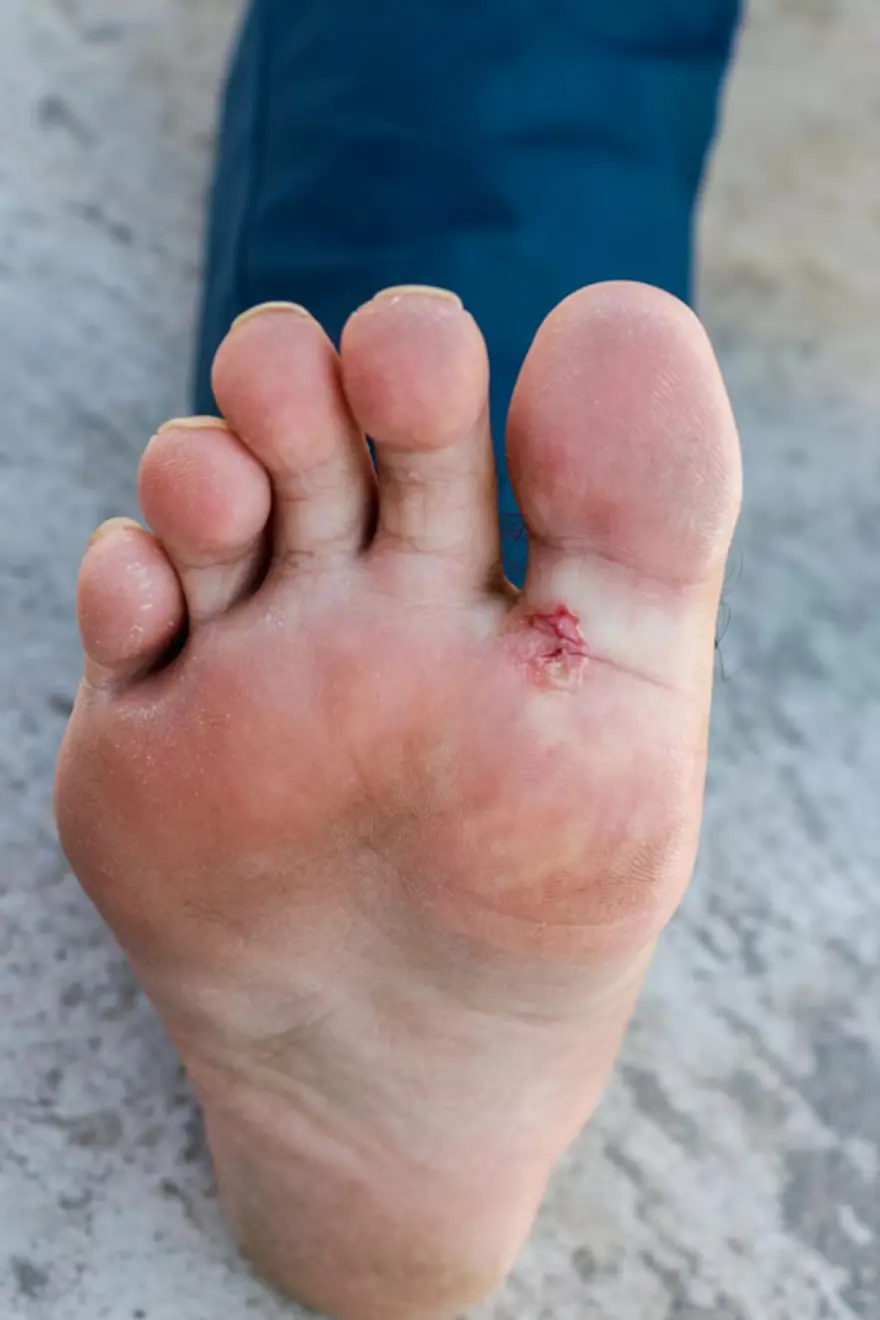
Table of Contents
Foot discomfort from corns or calluses can make daily life more difficult, but you're not without options. A corn is a small, often painful spot of thickened skin, while a callus usually covers a larger area and is less sensitive. Both form as your skin’s response to ongoing pressure or friction, often from footwear.
Knowing the difference between corns and calluses helps you choose the right treatment. With proper care, you can reduce pain, protect your feet, and feel more confident with every step you take.
What are corns and calluses?
If you have noticed thick, rough areas on your feet, you might be dealing with corns or calluses.These are your skin’s natural response to repeated pressure or friction. A Corn is a small, raised bump, often painful, while a callus is a broader, less sensitive patch of hardened skin.
Both commonly appear on weight-bearing areas like the soles and toes. Understanding the difference helps you take the right steps for comfort and relief. With awareness and care, corns and calluses can be managed effectively, reducing discomfort and improving foot health without unnecessary worry.
What are the Different Types of Corns?
You may have heard the term “corns” used broadly, but there are actually several different types. Knowing the type of corn you’re dealing with can help you find more suitable care and relief.
Here are the main types:
1. Hard Corns
These are the most common. They appear as small, dense areas of thickened skin, often on the tops or sides of toes. Hard Corns usually develop due to pressure from tight shoes or bone deformities.
2. Soft Corns
Softer and whitish in colour, Soft Corns usually form between toes where the skin stays moist. They can be painful and prone to infection if not managed properly.
3. Seed Corns
These are tiny Corns that often develop on the bottom of the foot. Though small, they can be quite painful, especially when walking barefoot or on hard surfaces.
4. Neurovascular Corns
This type is more complex, as it involves both nerves and blood vessels. Neurovascular Corns can cause significant pain and may bleed if irritated. Professional treatment is usually needed.
5. Fibrous Corns
Formed over time, Fibrous Corns become deeply rooted in the skin and attach to deeper tissues. They can be more painful and harder to remove without guidance.
Knowing which type you have helps you decide the best route for care. Whether it’s self-care or professional support, treating the specific type of corn can ease discomfort and help you get back to walking with ease.
What Do corns and calluses Look Like?
Corns usually appear as round, raised bumps with a hard centre and can be white, yellow, or grey. They’re typically found on toes or bony areas. A callus, on the other hand, is flatter and broader, often yellowish, and found on the soles, heels, or balls of the feet.
While a corn may feel tender when pressed, a callus is usually painless unless it cracks or becomes very thick. If you are wondering about callus meaning, it refers to thickened skin caused by pressure or friction.
Recognising these features helps you take the right steps for care and comfort. Whether it’s a painful corn or a rough callus, identifying the condition is the first move toward relief.
Symptoms
Both corns and calluses can cause discomfort, but their symptoms can vary. Recognising them early helps in managing the issue effectively.
Here are the key symptoms to watch for:
1. Localised Thickening of Skin: A noticeable build-up of thickened, rough skin is the most common sign of a callus or corn.
2. Small, Raised Bump: A corn often appears as a small bump with a central core that feels hard or sometimes rubbery to touch.
3. Pain or Tenderness: If pressure is applied to the area, especially with shoes, corns can become painful. Callus may also hurt if it cracks or is very thick.
4. Dry, Flaky Skin: Both corns and calluses may be surrounded by dry or peeling skin, making the area appear rough.
5. Discoloured Skin: The affected area may look yellowish, greyish, or even white, especially in soft corns.
6. Walking Discomfort: You may begin to adjust how you walk to avoid pressure on the sore area, which can affect your posture.
7. Cracks or Fissures: In cases where the callus becomes too dry, it may crack, which can be painful and increase the risk of infection.
Understanding these symptoms can help you take timely action. Whether you are dealing with corns or a stubborn callus, early recognition and care can prevent worsening and help your feet feel better.
Causes
Understanding what leads to corns and calluses can help you make informed decisions about care and prevention. Both conditions result from pressure or friction, but several daily habits and physical factors contribute.
Here are the main foot corn causes and reasons behind callus formation:
1. Tight or Poor-Fitting Shoes: Shoes that are too tight, narrow, or have high heels can compress parts of your feet, especially toes, leading to corn on foot.
2. Lack of Socks: Wearing shoes without socks increases friction, particularly when feet sweat, promoting callus or corn development.
3. Long Periods on Your Feet: If you spend hours walking or standing on hard surfaces, it can stress certain parts of your feet, causing thick skin buildup.
4. Abnormal Gait: Walking in a way that puts more pressure on certain areas of your feet can lead to callus and corns.
5. Foot Deformities: Conditions like hammertoes, bunions, or bone misalignment can create pressure points, leading to persistent corns.
6. Improper Footwear: Wearing loose shoes can cause your feet to slide and rub, resulting in calluses on feet and corns alike.
Knowing these triggers helps you choose the right shoes, care routines, and habits to avoid or manage corns and calluses more effectively.
Risk Factors & Complications
Certain people are more likely to develop corns and calluses, especially due to lifestyle, health conditions, or foot structure. If not treated properly, they can also lead to complications.
1. Diabetes or Poor Circulation: These conditions reduce blood flow to the feet, making it harder for your skin to heal and more prone to infection from corns or callus cracks.
2. Older Age: As you age, your skin becomes thinner and less elastic, increasing the chance of developing callus and corns.
3. High Activity Levels: Runners, dancers, and people on their feet all day face more pressure and friction, raising their risk.
4. Foot Shape and Bone Structure: High arches or flat feet can shift pressure to specific areas, encouraging the formation of thickened skin.
5. Using poorly padded footwear: Thin-soled shoes don’t absorb shock well, increasing friction and pressure that leads to corns and calluses.
Complications
- Pain and Discomfort: Severe corns may interfere with walking or cause posture issues.
- Skin Infections: Cracks in a callus can become entry points for bacteria, especially in moist environments.
- Ulcers: In people with diabetes, untreated corns or callus can lead to open wounds.
By recognising these risk factors, you can take steps to protect your feet and prevent these conditions from affecting your daily life.
Diagnosis and Tests
If you're unsure whether you're dealing with corns or a callus, a visit to a healthcare professional can offer clarity. Proper diagnosis is essential for effective care.
1. Physical Examination: A doctor or podiatrist will examine the thickened skin and inquire about your symptoms and footwear habits. Corns are typically smaller and have a firm centre, while a Callus is broader and flatter.
2. Medical History: They may ask if you’ve had similar problems before, what kind of shoes you wear, and if you’ve had foot pain recently.
3. Gait Analysis: Some practitioners check how you walk to see if uneven pressure on your feet is causing repeated friction leading to callus or corn formation.
4. X-Rays (if needed): If bone abnormalities are suspected, an X-ray may be ordered to identify underlying structural issues contributing to pressure points.
5. Diabetic Foot Exam: If you have diabetes, your doctor may perform extra tests to ensure proper circulation and check for complications like infections from corns or callus.
Once the cause is identified, your doctor can suggest treatment ranging from home care to medical foot corn removal options. The right diagnosis helps you manage your condition safely and effectively.
Treatment
There are many ways to treat corns and calluses, depending on how severe they are. Some options are simple and can be done at home, while others may need a podiatrist’s help.
1. Foot Soaks: Soaking your feet in warm, soapy water softens the skin, making it easier to remove thick areas gently.
2. Pumice Stone or Foot File: After soaking, use a pumice stone to gently remove the surface of the callus or corn. Be careful not to go too deep.
3. Moisturisers: Daily use of a moisturising cream helps prevent the skin from hardening, reducing future callus and corn formation.
4. Padding: You can use felt pads or corn cushions to relieve pressure on painful areas.
5. Shoe Inserts: Orthotic inserts help correct uneven pressure, preventing corns and calluses from returning.
6. Trimming by a Professional: A podiatrist can safely trim thickened skin with sterile tools. This is especially helpful for neurovascular corns or deeply rooted callus.
7. Medication: Over-the-counter topical treatments containing salicylic acid can help soften and remove thickened skin. Be cautious if you have sensitive skin or diabetes.
8. Callus Remover Products: Specific callus remover gels or pads are available in pharmacies for stubborn callus and corns.
9. Surgery (Rare): In rare cases, surgery may be needed to correct bone deformities causing ongoing pressure.
All these approaches are part of a comprehensive foot corn treatment plan that keeps your feet comfortable. Early care can make a big difference.
Prevention
Keeping your feet healthy and free from corns or callus starts with everyday habits.
1. Wear Proper Shoes: Choose well-fitted shoes with enough room for your toes. Avoid high heels and tight shoes that increase pressure.
2. Use Socks: Wearing moisture-wicking socks reduces friction and keeps your feet dry, which helps prevent callus and corns.
3. Keep Feet Moisturised: Use a good foot cream daily to stop the skin from becoming dry and hard.
4. Use Insoles: Soft shoe inserts or an orthotic devices can distribute pressure evenly and prevent corns from forming
5. Watch for Changes: Check your feet regularly, especially if you have health conditions like diabetes.
By taking simple steps, you can avoid painful corns and calluses altogether.
Lifestyle and Home Remedies
Daily care goes a long way in preventing and managing corns and calluses.
1. Regular Foot Soaks: Soak your feet a few times a week to soften the skin and keep it smooth.
2. Gentle Exfoliation: Use a pumice stone or foot file gently after soaking to manage thick skin.
3. Use Creams: Apply moisturiser every night to prevent dryness.
4. Proper Footwear: Choose shoes that support your feet and avoid those that cause friction.
With consistent home care, you can keep callus and corns under control and feel more at ease on your feet.
Conclusion
Taking care of corns and calluses early can make a big difference in your comfort and mobility. With the right steps, you can relieve pressure, reduce pain, and prevent the condition from coming back. If you are unsure about what’s causing your symptoms or need further guidance, a proper diagnosis can offer clarity and peace of mind.
For accurate testing and reliable health support, consider providers like Metropolis Healthcare, which offer advanced diagnostics and convenient home sample collection Their advanced diagnostic services and easy home sample collection make it simple to take charge of your foot health with confidence.
FAQs
Are corns and calluses painful?
Corns can be painful, especially when pressed or rubbed by shoes. A callus is usually not painful unless it becomes very thick or cracked. Both conditions can affect walking if not managed properly.
Who is more likely to get corns and calluses?
People who wear tight shoes, walk a lot, or have foot deformities are more likely to develop corns or a callus. Older adults and individuals with diabetes are also at higher risk due to skin changes and pressure.
What happens if corn is left untreated?
An untreated corn may grow deeper and become more painful. It could affect your gait, cause swelling, or lead to infection—especially in people with diabetes or poor circulation. Timely care helps avoid such complications.
When should I go to the doctor for corn?
You should see a doctor if the corn becomes painful, swollen, infected, or keeps coming back. Also seek medical advice if you have diabetes, poor circulation, or difficulty walking because of the condition.
Can Vaseline remove foot corn?
Vaseline won’t remove a foot corn, but it can soften the skin and help reduce dryness. Use it along with other methods like gentle filing or padding to manage discomfort and support healing.
Is foot corn curable?
Yes, a corn on foot is curable with proper care. Removing pressure, using pads, softening creams, and, in some cases, professional treatment can eliminate it. Preventive steps help ensure it doesn’t return.
Is corn a serious disease?
No, a corn isn’t a serious disease. It’s a common skin condition caused by pressure or friction. However, it can be uncomfortable, and complications may arise if ignored, especially in people with health issues.
What is the best cream for corns?
Creams with salicylic acid are often recommended for corns. They soften thick skin, making it easier to remove. Always follow instructions and consult a healthcare provider if you have sensitive skin or underlying conditions.