Home Visit
 Upload






Preventive Healthcare
Factor V Leiden Genetic Mutation: What It Means, Risks & How to Manage It
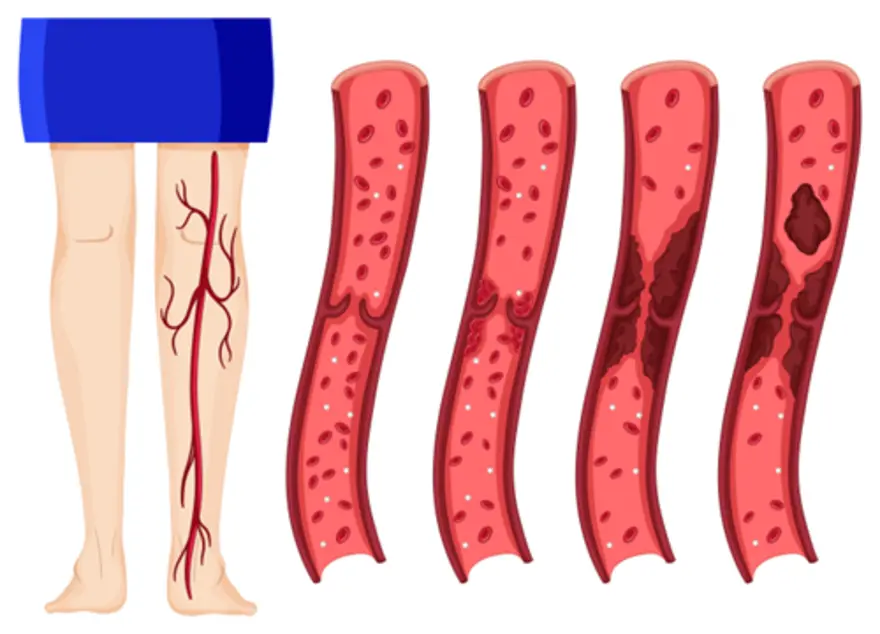
Table of Contents
- What is Factor V Leiden?
- How Factor V Leiden Affects Blood Clotting
- Types of Factor V Leiden (Heterozygous vs. Homozygous)
- What Causes Factor V Leiden?
- Who is at Higher Risk?
- Factor V Leiden Symptoms to Watch For
- How is Factor V Leiden Diagnosed?
- Treatment Options for Factor V Leiden
- Factor V Leiden and Pregnancy
- Complications to Be Aware Of
- Life Expectancy & Outlook
- Lifestyle Tips to Reduce Clot Risk
- When to Seek Emergency Help
- Conclusion
- FAQs
What is Factor V Leiden?
Factor V Leiden is a genetic mutation that affects the Factor V protein, a crucial component in your body's blood clotting process. This genetic mutation makes your blood more prone to forming clots than normal, significantly increasing your risk of developing venous thromboembolism (VTE).
The mutation occurs due to a specific single-nucleotide change in the F5 gene, which provides instructions for making Factor V protein. This mutation involves a single nucleotide change that replaces arginine with glutamine at position 506 in the protein structure. As a result, the altered Factor V protein becomes resistant to degradation by activated protein C, leading to prolonged clotting activity.
How Factor V Leiden Affects Blood Clotting
Your body normally maintains a delicate balance between blood clotting and clot dissolution. Factor V protein helps blood clot when you're injured, but it's usually deactivated by activated protein C once healing begins. In people with Factor V Leiden, this genetic mutation prevents the normal shutdown process.
The mutated Factor V protein resists inactivation, remaining active longer than necessary. This prolonged activity increases your blood's tendency to form clots, particularly in veins where blood flow is slower. Understanding how Factor V Leiden affects clotting helps explain why certain situations dramatically increase your clotting risk.
Types of Factor V Leiden (Heterozygous vs. Homozygous)
- Heterozygous Factor V Leiden: You inherit one copy of the mutated F5 gene from one parent. This affects approximately 5% of Caucasians and increases blood clot risk by 3–8 times compared to people without the genetic mutation.
- Homozygous Factor V Leiden: You inherit two copies of the mutated gene, one from each parent. This rare condition affects less than 1% of the population but increases the risk of clotting by 30–80 times, making Factor V Leiden treatment and monitoring essential.
What Causes Factor V Leiden?
Factor V Leiden stems from a specific inherited genetic mutation in the F5 gene. This genetic mutation occurs when guanine (G) is replaced by adenine (A) at nucleotide position 1691 in the gene sequence. The condition follows an autosomal dominant inheritance pattern, meaning you only need one copy of the mutated gene to increase your clotting risk.
You cannot develop Factor V Leiden during your lifetime—you're born with this inherited genetic mutation. Family history plays a crucial role, as the condition passes from parents to children. If one parent has Factor V Leiden, each child has a 50% chance of inheriting the genetic mutation.
Who is at Higher Risk?
- People of European descent, particularly those with Northern European ancestry, are at higher risk for Factor V Leiden.
- Individuals with a family history of blood clots or Factor V Leiden.
- Women using estrogen-containing birth control pills or hormone replacement therapy are at higher risk.
- People with other inherited clotting disorders.
- Those with a personal history of unexplained blood clots before age 50.
Factor V Leiden Symptoms to Watch For
Symptoms of Factor V Leiden typically result from blood clot formation. Many people with this genetic mutation never experience symptoms, but you should recognise the warning signs:
- Swelling, pain, or tenderness in one leg (particularly the calf)
- Redness or warmth in the affected area
- Unexplained shortness of breath or chest pain
- Rapid heartbeat or palpitations
- Fatigue or unexplained weakness
Signs of Deep Vein Thrombosis (DVT)
DVT risk factors include Factor V Leiden, and recognising symptoms proves crucial:
- Swelling in the affected leg or arm, often asymmetrical
- Pain or tenderness, often beginning in the calf muscle.
- Red or discoloured skin over the affected area
- Warmth in the affected limb
- Leg cramps, especially occurring at night
Signs of Pulmonary Embolism (PE)
Pulmonary embolism represents a serious complication requiring immediate medical attention:
- Sudden, severe shortness of breath
- Sharp chest pain that worsens with deep breathing
- Coughing up blood (haemoptysis) or blood-tinged sputum
- Rapid or irregular heartbeat
- Lightheadedness, dizziness, or fainting
- Excessive sweating or clammy skin
How is Factor V Leiden Diagnosed?
Extensive research shows that Factor V Leiden can be detected using several well-established testing methods. According to a study published in StatPearls, diagnosis typically involves these approaches:
- Medical history assessment: Your doctor evaluates your personal and family history of blood clots.
- Physical examination: Looking for signs of current or previous clots.
- Mutation testing: Specialized genetic tests detect the F5 gene mutation.
- Genetic testing: Tests like the Factor V Leiden Mutation Detection (G1691A) by real-time PCR – blood test confirm the presence of the mutation.
- Thrombophilia panel: Comprehensive testing for multiple clotting disorders can be suggested with a Thrombophilia Profile Test.
Common Tests for Factor V Leiden
- Factor V Leiden Mutant Detection (G1691A Mutation): DNA test identifying the specific genetic change.
- Prothrombin Time (PT) Test: Assesses overall blood clotting function.
- Thrombotic Profile: Comprehensive panel screening for various clotting disorders.
- Genetic counselling: Professional support to interpret results and discuss family implications.
Who Should Get Tested for Factor V Leiden?
- Individuals with unexplained blood clots, particularly before age 50.
- People with a family history of Factor V Leiden or recurrent clots.
- Women experiencing recurrent miscarriages or pregnancy complications.
- Those planning major surgery or starting estrogen therapy.
- Family members of someone diagnosed with Factor V Leiden.
Treatment Options for Factor V Leiden
Treatment for Factor V Leiden depends on whether you have experienced blood clots:
- Anticoagulant medications: Blood thinners such as warfarin, apixaban, or rivaroxaban for treating and preventing clots.
- Compression stockings: Reduce swelling and improve blood flow.
- Lifestyle modifications: Regular exercise and avoiding prolonged immobility.
- Avoiding estrogen-based therapies: Limiting hormonal contraceptives and hormone replacement therapy when possible.
- Regular monitoring: Ongoing medical supervision for those on anticoagulation therapy.
Management for People Without Clots
- Maintain an active lifestyle with regular physical activity.
- Avoid prolonged periods of sitting or immobility.
- Stay well-hydrated, especially during travel or illness.
- Inform healthcare providers about your condition before surgery.
- Consider avoiding oestrogen-containing medications unless medically necessary.
Managing Factor V Leiden After a Blood Clot
Following a blood clot, Factor V Leiden treatment typically involves anticoagulant therapy to prevent recurrence. Treatment duration varies based on clot circumstances and individual risk factors. Some people require lifelong anticoagulation, while others need treatment for several months.
Factor V Leiden and Pregnancy
Pregnancy increases clotting risk for women with Factor V Leiden:
- Higher risk of blood clots during pregnancy and the postpartum period
- Increased chance of pregnancy complications like miscarriage or stillbirth
- May require anticoagulant therapy throughout pregnancy
- Close monitoring by obstetricians and hematologists
- Avoiding estrogen-containing birth control after delivery
Complications to Be Aware Of
- Deep vein thrombosis in the legs or arms.
- Pulmonary embolism affects lung function.
- Recurrent blood clots despite treatment.
- Pregnancy-related complications, including miscarriage.
- Post-thrombotic syndrome may cause chronic leg swelling, pain, or skin changes.
- Bleeding complications from anticoagulant therapy.
Life Expectancy & Outlook
Most people with Factor V Leiden live completely normal, healthy lives without experiencing significant complications. This genetic mutation doesn't typically shorten life expectancy, and many people remain unaware they have the condition. However, those who develop blood clots may face ongoing health challenges, particularly if clots aren't treated promptly.
Lifestyle Tips to Reduce Clot Risk
- Exercise regularly to improve circulation and maintain a healthy weight.
- Avoid smoking, as it increases the risk of clotting.
- Stay hydrated, particularly during travel or hot weather.
- Wear compression stockings during long flights or car journeys.
- Take regular breaks during prolonged sitting.
- Maintain a healthy diet rich in fruits and vegetables.
When to Seek Emergency Help
- Sudden shortness of breath or chest pain
- Severe leg swelling, pain, or redness
- Coughing up blood (haemoptysis)
- Rapid heartbeat with dizziness
- Severe headache or vision changes
- Signs of unusual bleeding while on blood thinners
Conclusion
Factor V Leiden affects millions worldwide, and most live normal, healthy lives with proper awareness, preventive measures, and management. Understanding your Factor V Leiden risk, recognising potential symptoms, and working closely with healthcare providers helps prevent serious complications.
At Metropolis Healthcare, we support your journey with comprehensive diagnostic services, including genetic testing for Factor V Leiden. Our extensive range of over 4,000 advanced tests covers routine screenings to specialised genetic analyses, ensuring accurate results when you need them most. You can book your test online through our website, by phone, or via WhatsApp, with reliable home sample collection available at over 10,000 touchpoints.
FAQs
What triggers a clot in someone with Factor V Leiden?
Added risk factors like long immobility, surgery, pregnancy, or oestrogen-based medications usually trigger clots. The mutation makes blood more prone to clotting, so these situations can tip the balance.
Is Factor V Leiden considered a blood disorder?
Yes. It’s an inherited thrombophilia (clotting disorder) caused by a mutation that increases the risk of abnormal vein clots.
Can Factor V Leiden skip generations?
It usually doesn’t. It’s autosomal dominant, so each child has a 50% chance of inheriting it.
Can you live a normal life with Factor V Leiden?
Yes. Most people live completely normal lives. Awareness and precautions during high-risk situations—like surgery or pregnancy—are usually enough.
Should people with Factor V Leiden take aspirin daily?
Not typically. Daily aspirin isn’t standard for preventing clots in Factor V Leiden. Your doctor will decide based on your personal risk.
Does Factor V Leiden increase miscarriage risk?
It may slightly increase miscarriage risk, especially recurrent loss. Early obstetric care and appropriate monitoring help improve outcomes.
Is Factor V Leiden more common in certain ethnic groups?
Yes. It’s most common in people of European, especially Northern European, ancestry and rare in African, Asian, and Native American populations.