Home Visit
 Upload






Preventive Healthcare
Eczema Diet: Foods To Eat And Avoid For Better Skin Health

Table of Contents
- What Is Eczema?
- How Diet And Eczema May Be Connected
- Foods To Include In An Eczema Diet
- Foods To Avoid Or Limit In An Eczema Diet
- What Is The Best Eczema Diet Plan?
- 7-Day Eczema Diet Plan
- Benefits Of A Balanced Eczema Diet
- Lifestyle Tips That Can Support Better Skin Health
- How To Find Your Personal Eczema Triggers
- When Should You Speak To A Doctor Or Dietitian?
- How Metropolis Healthcare Can Support You
- Conclusion
- Frequently Asked Questions
- References
Eczema is a common inflammatory skin condition that affects millions of people across all age groups. It can cause dry, itchy, and irritated skin that flares up unexpectedly, making everyday life uncomfortable for those living with it.
While food does not directly cause eczema, certain foods may worsen symptoms or trigger flare-ups in some individuals. For people who also have food allergies or sensitivities, what you eat can play a meaningful role in how often and how severely your skin reacts.
An eczema diet plan is not about following strict rules or eliminating entire food groups without reason. It is about understanding your own body, identifying potential triggers, and supporting your skin health through a balanced, nourishing way of eating. This guide walks you through the foods that may help, the foods that may worsen symptoms, and the practical steps you can take to manage eczema more confidently through diet.
What Is Eczema?
Eczema, also known as atopic dermatitis, is a chronic inflammatory skin condition characterised by patches of dry, red, and intensely itchy skin. It is one of the most common skin conditions, particularly in children, though it can affect people at any age.
Common symptoms include persistent itching, dry or scaly skin, redness and inflammation, rash-like patches that may ooze or crust over, and thickened or leathery skin in areas that are scratched repeatedly. Symptoms can range from mild to severe and often come and go in cycles known as flare-ups.
Eczema has no single known cause. It is thought to involve a combination of genetic factors, immune system overactivity, skin barrier dysfunction, and environmental triggers. Effective management usually requires a multi-pronged approach that includes appropriate skincare, avoiding known triggers, stress management, and, in some cases, greater attention to diet.
How Diet And Eczema May Be Connected
Research suggests that many people with eczema also have food allergies or sensitivities. In these individuals, eating certain foods can trigger an immune response that worsens inflammation and leads to skin flare-ups.
However, the relationship between food and eczema is highly individual. A food that causes a reaction in one person may be completely harmless for another. This is why there is no single eczema diet that works universally for everyone.
Diet is also not a cure for eczema. Managing the condition requires broader care that addresses skincare, environmental triggers, and medical treatment where needed. That said, paying attention to what you eat, choosing anti-inflammatory foods where possible, and identifying your personal triggers can meaningfully support your skin health and reduce the frequency of flare-ups.
Foods To Include In An Eczema Diet
Certain foods have properties that may help reduce inflammation and support overall skin health. These are generally well tolerated by most people, though individual food allergies and sensitivities should always be taken into account.
Anti-Inflammatory Foods
- Fatty fish: Salmon, sardines, mackerel, and herring are rich in omega-3 fatty acids, which have well-established anti-inflammatory properties and may help calm the skin's inflammatory response.
- Olive oil: A healthy fat used in cooking and dressings, olive oil contains anti-inflammatory compounds and is a cornerstone of many skin-friendly eating patterns.
- Avocado: Rich in healthy monounsaturated fats and antioxidants, avocado can support skin hydration and reduce inflammation.
- Nuts and seeds: Walnuts, flaxseeds, and chia seeds provide plant-based omega-3 fatty acids and are beneficial for most people unless they have a specific nut allergy.
Fruits And Vegetables Rich In Antioxidants
- Berries such as blueberries, strawberries, and raspberries
- Apples
- Broccoli
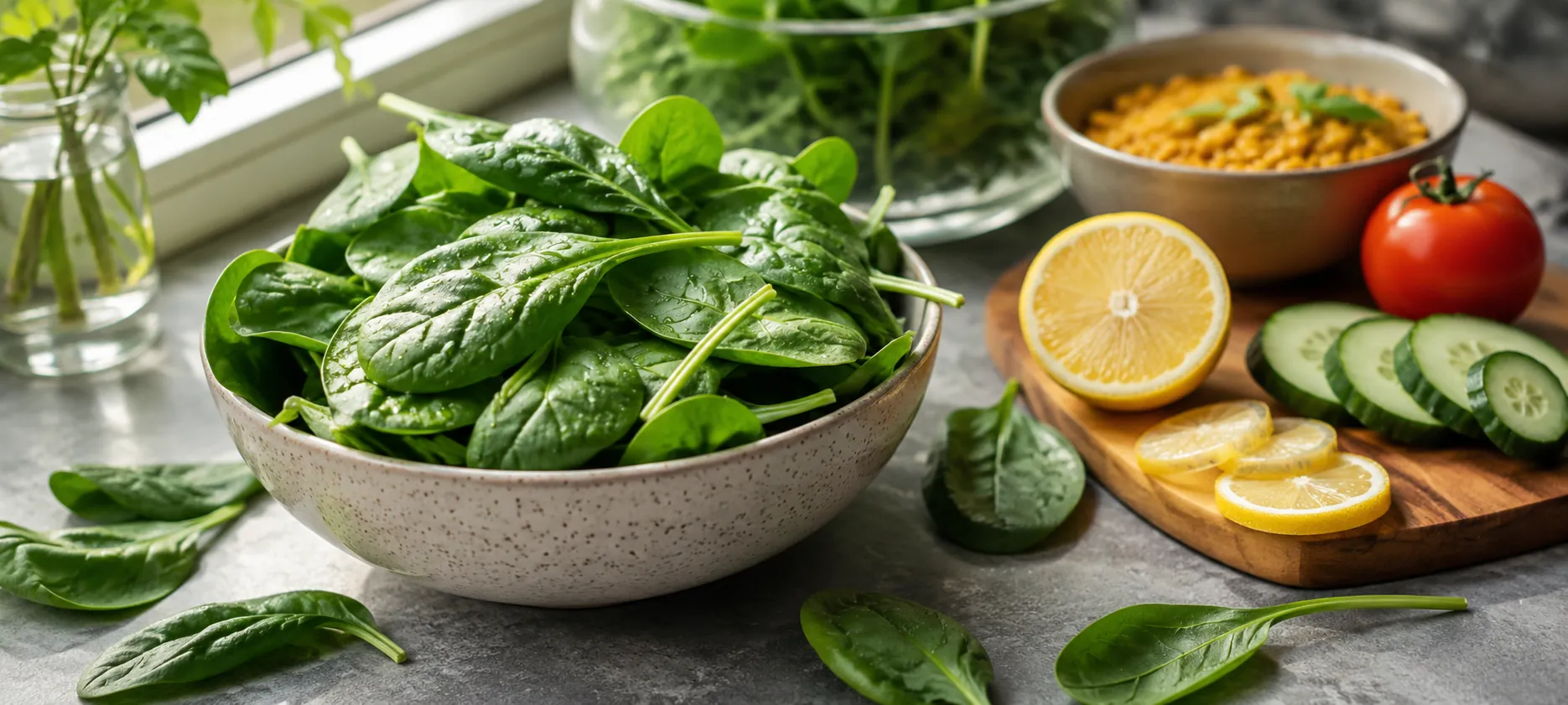
- Spinach and other leafy greens
- Cherries
- Tomatoes and bell peppers
These foods are high in vitamins, minerals, and antioxidants that help protect cells from oxidative stress and support the body's natural anti-inflammatory processes.
Foods With Quercetin
Quercetin is a naturally occurring plant compound with antioxidant and antihistamine properties. It may help lower inflammation and reduce the histamine response that can worsen eczema in some individuals. Good sources include:
- Apples
- Onions
- Kale
- Dark berries
- Red grapes
- Green tea
Probiotic Foods
Probiotic foods contain live cultures that support gut health, which is increasingly linked to immune function and skin health. Including them in your diet may help reduce allergic reactions and support a more balanced immune response.
- Yoghurt, if you tolerate dairy
- Kefir
- Miso
- Unpasteurised sauerkraut
- Naturally fermented pickles
- Tempeh
Do keep in mind that some probiotic foods, such as dairy-based yoghurt, may not be suitable for those with a dairy sensitivity. Choose options that work for your individual tolerance.
Fibre-Rich Whole Foods
- Whole grains such as oats, brown rice, and quinoa
- Legumes such as lentils and chickpeas, if tolerated
- Fresh vegetables in a variety of colours
- Whole fruits rather than juices
Fibre supports gut health and may contribute to a healthier immune response, which plays a central role in inflammatory skin conditions like eczema.
Foods To Avoid Or Limit In An Eczema Diet
Just as some foods may support skin health, others can worsen inflammation or trigger flare-ups, particularly if you are sensitive or allergic to them. The foods below are common triggers, but it is important to remember that not everyone with eczema will react to all of these.
Common Food Triggers
- Dairy products: Milk, cheese, and butter are among the most commonly reported food triggers for eczema, particularly in children.
- Eggs: A frequent allergen linked to eczema flare-ups in sensitive individuals.
- Soy: Soy products including tofu, soy milk, and edamame may trigger reactions in those with soy sensitivity.
- Nuts: Tree nuts such as cashews, walnuts, and almonds can be problematic for people with nut allergies.
- Wheat or gluten: Gluten may worsen eczema symptoms in people with celiac disease or gluten sensitivity, though it does not affect everyone.
- Fish or shellfish: While fatty fish can be beneficial for most, people with specific fish or shellfish allergies should avoid these entirely.
Highly Processed Foods
- Packaged snacks and ready-to-eat meals
- Fast food
- Foods high in trans fats such as certain margarines and fried foods
- Refined carbohydrates such as white bread and pasta made from refined flour
These foods are associated with increased inflammation in the body, which can aggravate inflammatory skin conditions.
High-Sugar Foods And Drinks
- Cakes, biscuits, and pastries
- Sweets and confectionery
- Soft drinks and sodas
- Sugary coffee drinks and flavoured beverages
High sugar intake can promote inflammation, which may worsen eczema over time.
Foods You Personally Notice Trigger Flares
It is worth keeping track of what you eat and noting when your symptoms worsen. Your personal triggers may not match a general list. Rather than eliminating foods based on what others report, pay attention to your own patterns and discuss findings with your doctor or dietitian before making any significant changes.
What Is The Best Eczema Diet Plan?
Rather than following a rigid set of food rules, most experts suggest adopting a flexible, balanced eating pattern that reduces inflammation and supports overall health. Here are the main approaches that have been associated with better eczema management:
Mediterranean-Style Eating
The Mediterranean eating pattern is widely recommended for its anti-inflammatory properties. It emphasises:
- A wide variety of fruits and vegetables
- Fatty fish consumed regularly
- Healthy fats such as olive oil
- Whole grains and legumes
- Fewer processed and packaged foods
- Moderate amounts of lean protein
This way of eating naturally includes many nutrients, including omega-3 fatty acids and quercetin, that may help reduce eczema-related inflammation.
Anti-Inflammatory Eating Pattern
An anti-inflammatory diet overlaps significantly with the Mediterranean approach and focuses on:
- Whole, minimally processed foods
- Fibre-rich meals that support gut health
- Generous portions of vegetables and fruits
- Less added sugar and fewer ultra-processed food products
- Healthy fats over saturated or trans fats
This approach may help lower overall inflammation in the body, which can benefit a range of inflammatory conditions, including eczema.
Elimination Diets
An elimination diet involves removing suspected food triggers from your meals for a set period, then reintroducing them one at a time to identify which ones cause a reaction. While this approach can be helpful for people who are unsure of their specific triggers, it should never be done independently, particularly for children.
Eliminating food groups without guidance can lead to nutritional deficiencies and may make it harder to pinpoint genuine triggers. Always work with a doctor or registered dietitian if you are considering an elimination diet.
Special Note On Dyshidrotic Eczema
Dyshidrotic eczema is a specific type that causes small, intensely itchy blisters, usually on the hands and feet. In some individuals, it may be triggered or worsened by sensitivity to certain metals, particularly nickel and cobalt, found in small amounts in some foods including whole grains, certain legumes, nuts, chocolate, and tea. If you have been diagnosed with dyshidrotic eczema, speak to your dermatologist about whether a low-nickel approach might be worth exploring in your case.
7-Day Eczema Diet Plan
This is a flexible, general guide to help you get started. It is not a medical prescription, and your individual tolerances should always come first. Adjust meals based on any known food allergies or sensitivities.
|
Day |
Breakfast |
Lunch |
Snack |
Dinner |
|
Day 1 |
Oat porridge with blueberries and a drizzle of honey |
Grilled salmon with brown rice and steamed spinach |
Apple slices with a small handful of walnuts |
Vegetable dal with roti and a side salad |
|
Day 2 |
Smoothie with banana, kefir, and a handful of berries |
Lentil soup with whole grain bread and a green salad |
Sliced cucumber with hummus |
Grilled chicken with roasted broccoli and quinoa |
|
Day 3 |
Scrambled eggs (if tolerated) with sautéed leafy greens |
Brown rice with grilled vegetables and olive oil dressing |
A small bowl of plain yoghurt with cherries |
Baked mackerel with sweet potato and steamed greens |
|
Day 4 |
Overnight oats with chia seeds, apple, and almond milk |
Chickpea salad with tomatoes, cucumber, olive oil, and herbs |
A small handful of pumpkin seeds and dark berries |
Tofu stir-fry with mixed vegetables and brown rice |
|
Day 5 |
Idli with coconut chutney and sambar |
Grilled fish with a fresh salad and olive oil dressing |
Sliced apple with a spoonful of almond butter |
Moong dal khichdi with steamed vegetables and a side of sauerkraut |
|
Day 6 |
Poha made with vegetables and topped with fresh coriander |
Rajma with brown rice and a cucumber salad |
Carrot and celery sticks with hummus |
Grilled chicken with roasted sweet potato and spinach |
|
Day 7 |
Fruit bowl with mixed berries, papaya, and kiwi with a glass of kefir |
Whole grain roti with vegetable sabzi and lentil soup |
Green tea with a few walnuts and an apple |
Baked salmon with quinoa and a green salad |
This plan can be adapted based on your own food preferences, tolerances, and any guidance from your doctor or dietitian.
Benefits Of A Balanced Eczema Diet
Following a balanced, anti-inflammatory diet may offer several meaningful benefits for people with eczema:
- May help reduce inflammation: A diet rich in omega-3 fatty acids, antioxidants, and fibre can support the body's natural anti-inflammatory processes.
- May support gut health: Probiotic and fibre-rich foods can help maintain a healthy gut microbiome, which is increasingly linked to immune function and skin health.
- May help identify personal triggers: Paying attention to your diet naturally leads to greater awareness of your eating patterns, making it easier to spot connections between food and flare-ups.
- May support overall skin health: Nutrients such as vitamin C, vitamin E, selenium, and zinc, found in many whole foods, support skin repair and barrier function.
- Supports general wellbeing: A balanced diet benefits not just your skin but your energy levels, immune health, and long-term wellness.
It is important to have realistic expectations. Diet alone cannot cure eczema, but it can be one helpful piece of a broader management plan.
Lifestyle Tips That Can Support Better Skin Health
Beyond food choices, several lifestyle habits can support eczema management and reduce flare-ups:
- Stay well hydrated: Drinking enough water throughout the day supports skin hydration and barrier function. Aim for at least eight glasses daily.
- Manage stress: Stress is a known eczema trigger. Practices such as deep breathing, yoga, mindfulness, or gentle walks can help keep stress levels in check.
- Prioritise good sleep: The body repairs and regenerates during sleep. Poor sleep can increase inflammation and make skin conditions harder to manage.
- Use gentle skincare products: Harsh soaps, fragranced products, and certain fabrics can irritate eczema-prone skin. Opt for mild, fragrance-free moisturisers and cleansers.
- Avoid known irritants: These include cigarette smoke, certain cleaning products, and synthetic fabrics that can directly trigger flare-ups.
- Exercise regularly: Physical activity supports overall health and helps manage stress, both of which can benefit inflammatory conditions. Like a broader diet chart for weight loss, regular movement and balanced eating together create a stronger foundation for long-term skin and general health.
How To Find Your Personal Eczema Triggers
Because eczema is highly individual, finding your own triggers takes a little observation and patience:
- Keep a food and symptom diary: Note what you eat each day and record any changes in your skin, including when flare-ups occur and how severe they are.
- Watch for repeat patterns: If the same food appears in your diary consistently around the time of flare-ups, it may be worth discussing with your doctor.
- Avoid removing too many foods at once: Cutting out multiple food groups simultaneously makes it nearly impossible to identify which specific item is causing a reaction.
- Speak to a doctor if symptoms are frequent or severe: If flare-ups are happening regularly or are difficult to manage, a doctor or allergist can help identify triggers through proper allergy testing and clinical assessment.
When Should You Speak To A Doctor Or Dietitian?
There are several situations where professional guidance is especially important:
- If you suspect you or your child has a food allergy linked to eczema
- If your child has eczema and is experiencing feeding difficulties or restricted eating
- If you are considering an elimination diet, particularly for a child
- If symptoms are severe, frequent, or not improving despite dietary changes
- If you are thinking about cutting out major food groups such as dairy, gluten, or eggs
- If you are pregnant or breastfeeding and managing eczema
A doctor or registered dietitian can help you make safe, evidence-informed choices without compromising your nutritional intake.
How Metropolis Healthcare Can Support You
Understanding your body better is one of the most important steps in managing eczema. For some people, knowing whether specific food allergies or nutritional imbalances are contributing to flare-ups can make a meaningful difference in their care plan.
At Metropolis Healthcare, you have access to a comprehensive range of diagnostic tests, including allergy panels, nutritional deficiency assessments, and full body checkups, all supported by NABL and CAP-accredited laboratories and experienced pathologists. Whether you are looking to check for specific food allergens, assess your overall nutritional status, or simply stay informed about your health, Metropolis makes it straightforward. Book easily through the website, app, phone, or WhatsApp, or choose the convenience of home sample collection across a trusted network of over 10,000 touchpoints. Fast, reliable reports mean you always have the clarity to take the next step with confidence.
Conclusion
Eczema is a complex condition, and there is no single diet that will eliminate it for everyone. What you eat can play a supporting role in managing flare-ups, particularly if food sensitivities or allergies are involved, but diet works best as part of a broader care plan that includes proper skincare, stress management, and medical guidance.
Rather than following restrictive food rules, focus on a balanced, anti-inflammatory eating pattern rich in whole foods, fruits and vegetables, healthy fats, and fibre. At the same time, pay attention to your individual triggers and work with a healthcare professional to make changes that are both safe and effective for your specific situation.
Small, consistent steps towards a nourishing diet can make a real difference to your skin and your overall wellbeing.
Frequently Asked Questions
What Foods Are Good For Eczema?
Foods that may help support skin health and reduce inflammation in eczema include fatty fish such as salmon, sardines, and mackerel, which are rich in omega-3 fatty acids. Fruits and vegetables high in antioxidants, such as berries, apples, broccoli, and spinach, are also beneficial. Foods containing quercetin, like onions and dark berries, and probiotic foods such as yoghurt, kefir, and miso may also play a supportive role. Whole grains, legumes, and healthy fats like olive oil and avocado round out an eczema-friendly eating pattern.
Can Eczema Be Cured With Diet?
No, diet alone cannot cure eczema. While certain foods may help reduce the frequency or severity of flare-ups, particularly in people with food allergies or sensitivities, eczema is a chronic condition that requires comprehensive management. This typically includes appropriate skincare, avoiding environmental triggers, stress management, and, in some cases, medical treatment. Diet is one helpful tool within a broader care plan, not a standalone cure.
Does Gluten Affect Eczema?
Gluten may worsen eczema symptoms in people who have celiac disease or non-coeliac gluten sensitivity. In these individuals, removing gluten from the diet may lead to an improvement in both digestive and skin symptoms. However, gluten does not affect everyone with eczema, and eliminating it unnecessarily can lead to nutritional gaps. If you suspect gluten is a trigger for you, speak to your doctor before making changes to your diet. Proper testing can confirm whether celiac disease or gluten sensitivity is involved.
Can Probiotics Help Eczema Flare-Ups?
Some research suggests that probiotic foods and supplements may help support immune function and reduce allergic reactions, which could benefit people with eczema. Probiotic-rich foods such as yoghurt, kefir, miso, and sauerkraut support a healthy gut microbiome, which is increasingly linked to skin health. However, the evidence is still developing, and results vary between individuals. Including probiotic foods as part of a balanced diet is generally a safe and sensible approach for most people.
Is There A Best Eczema Diet Plan For Everyone?
No. Because eczema triggers and food sensitivities vary from person to person, there is no single eczema diet plan that works for everyone. However, eating patterns such as the Mediterranean diet and anti-inflammatory diet are broadly beneficial because they emphasise whole foods, healthy fats, and fibre while limiting processed and high-sugar foods. These approaches can serve as a helpful foundation, which you then adapt based on your own tolerances and triggers.
Should You Try An Elimination Diet For Eczema?
An elimination diet can be useful for identifying specific food triggers, but it should always be done under the supervision of a doctor or registered dietitian. Removing multiple food groups without guidance can lead to nutritional deficiencies and make it harder to pinpoint the actual cause of flare-ups. This is especially important for children, where unsupervised food restriction can affect growth and development. If you suspect food triggers, speak to a healthcare professional before making significant dietary changes.
Can Children With Eczema Follow The Same Diet As Adults?
The general principles of an eczema-supportive diet, such as emphasising whole foods, fruits, vegetables, and anti-inflammatory options, apply broadly to both adults and children. However, children have different nutritional needs, and eliminating foods in a child's diet requires careful planning to avoid deficiencies. If your child has eczema and you suspect food allergies, it is important to consult a paediatrician or paediatric dietitian before making any significant changes to their diet.
References
- Silverberg JI, Hanifin JM. Adult eczema prevalence and associations with asthma and other health and demographic factors: a US population-based study. J Allergy Clin Immunol. 2013;132(5):1132-1138.
- Muraro A, Werfel T, Hoffmann-Sommergruber K, et al. EAACI food allergy and anaphylaxis guidelines: diagnosis and management of food allergy. Allergy. 2014;69(8):1008-1025.
- Kim H, Rebholz CM, Hegde S, et al. Plant-based diets, pescatarian diets and COVID-19 severity: a population-based case-control study in six countries. BMJ Nutr Prev Health. 2021;4(1):257-266.
- Søyland E, Funk J, Rajka G, et al. Effect of dietary supplementation with very-long-chain n-3 fatty acids in patients with atopic dermatitis. N Engl J Med. 1994;330(12):757-762.
- Nurmatov U, Devereux G, Sheikh A. Nutrients and foods for the primary prevention of asthma and allergy: systematic review and meta-analysis. J Allergy Clin Immunol. 2011;127(3):724-733.
- Kim SO, Ah YM, Yu YM, Choi KH, Shin WG, Lee JY. Effects of probiotics for the treatment of atopic dermatitis: a meta-analysis of randomized controlled trials. Ann Allergy Asthma Immunol. 2014;113(2):217-226.
- Schwensen JF, Johansen JD, Veien NK, et al. Occupational and non-occupational hand eczema in general practice. J Eur Acad Dermatol Venereol. 2014;28(3):348-352.
- Thyssen JP, Skov L, Hamann CR, et al. Assessment of atopic dermatitis using the global individual signs score: validity and reliability of a new measurement tool. Acta Derm Venereol. 2016;96(5):635-639.