Home Visit
 Upload






Preventive Healthcare
Dyshidrosis Eczema (Dyshidrosis): Symptoms, Triggers & Treatment Options
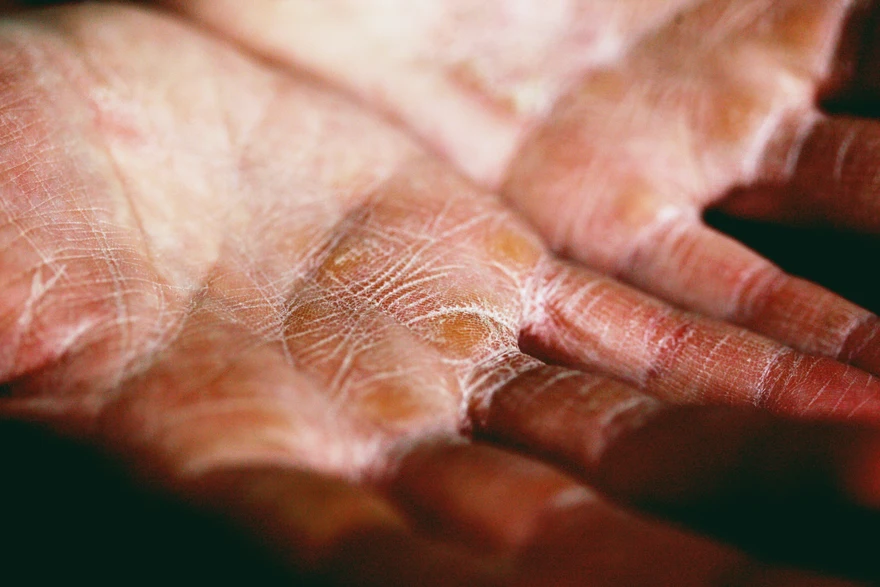
Table of Contents
What is Dyshidrosis (Dyshidrotic Eczema)?
Dyshidrosis, also known as dyshidrotic eczema or pompholyx, is a recurrent, often chronic type of eczema that causes small, intensely itchy, fluid-filled blisters on the palms, sides of the fingers, and soles of the feet. These vesicles often have a deep-seated “tapioca pudding” appearance and can cause intense itching, burning, or pain.
It is a vesiculobullous eczema in which fluid accumulation within the thick skin (intraepidermal spongiosis) leads to tense blisters that may coalesce into larger bullae. As they heal, the skin can become dry, scaly, or cracked.
Dyshidrotic eczema is a relatively common form of hand eczema, making up a significant portion of all hand-related eczema cases. Flare-ups are often linked to factors such as heat, sweating, emotional stress, or contact with metals like nickel and cobalt.
Symptoms of Dyshidrosis
Dyshidrotic eczema often begins suddenly with a tingling or burning sensation on the hands or feet, followed by the development of small, fluid-filled blisters. These blisters, also known as vesicles, typically appear on the sides of the fingers, palms, and soles. The condition can range from mild irritation to severe discomfort, depending on the extent of the flare-up and scratching. In some cases, blisters may merge to form larger patches that make everyday activities—such as washing hands or walking—painful.
Common symptoms of dyshidrotic eczema include:
- Small, deep-seated blisters (‘tapioca-like’) on the fingers, palms, or soles that can merge or rupture, leaving painful erosions.
- Severe itching or burning sensation that appears before or during blister formation, sometimes disrupting sleep or daily work.
- Thickened, cracked, or scaly skin after the blisters dry, leading to rough or peeling patches.
- Pain or tenderness in affected areas, especially when the skin splits or becomes infected.
- In chronic or advanced cases, nail thickening, ridging, or discolouration may occur due to long-term inflammation.
Common Triggers
Dyshidrotic eczema flare-ups are often linked to specific environmental, emotional, and occupational factors that irritate or weaken the skin barrier. Identifying and avoiding these dyshidrosis triggers plays a key role in preventing recurrent outbreaks and improving long-term skin health. The condition tends to worsen in warm or humid weather, during periods of high stress, or after exposure to allergens and irritants.
Common causes and triggers include:
- Excessive sweating or humid weather, which increases moisture buildup on the hands and feet, creates an ideal environment for irritation and blister formation.
- Emotional stress and anxiety stimulate the release of stress hormones that aggravate inflammatory skin responses and trigger flare-ups.
- Nickel or cobalt allergy, frequently found in jewellery, coins, detergents, and certain metal objects, making occupational exposure a common cause of dyshidrosis.
- Frequent exposure to water, soaps, or harsh cleaning agents strips away the skin’s protective oils, leading to dryness, cracking, and increased susceptibility to blisters.
- Seasonal allergies or atopic dermatitis make the skin more reactive to allergens and temperature changes.
- Smoking or exposure to tobacco smoke increases oxidative stress and skin inflammation, worsening dyshidrosis and delaying healing.
Risk Factors
While anyone can develop dyshidrotic eczema, certain individuals are more prone to it because of genetic predisposition, environmental exposure, or occupational habits. Recognising these dyshidrosis risk factors helps in early identification, lifestyle modification, and preventive care before symptoms worsen.
Key factors that increase the likelihood of developing dyshidrosis include:
- Personal or family history of eczema, allergies, or asthma, which makes the skin more sensitive and reactive to environmental irritants. People with atopic conditions are especially susceptible to chronic dyshidrotic eczema.
- Frequent exposure to metals such as nickel or cobalt, commonly found in jewellery, coins, tools, and industrial materials, can trigger allergic reactions leading to repeated flare-ups.
- A previous history of atopic dermatitis or hay fever indicates a heightened immune response and a greater tendency toward inflammatory skin conditions.
- Occupations that involve repeated hand washing or wet work, such as healthcare, catering, cleaning, or hairdressing, where constant contact with water and detergents damages the skin barrier.
- Living or working in hot, humid environments, which encourages sweating, moisture accumulation, and friction — all of which can aggravate dyshidrotic eczema symptoms.
How Dyshidrosis is Diagnosed
Diagnosing dyshidrotic eczema requires a careful evaluation by a dermatologist, as its symptoms can resemble other skin conditions like fungal infections, contact dermatitis, or psoriasis. Diagnosis typically involves a combination of visual assessment, medical history review, and targeted tests to determine underlying dyshidrosis causes and confirm the condition.
- Physical Examination: The dermatologist closely inspects the hands, fingers, and feet to evaluate the size, depth, and distribution of blisters, along with signs of inflammation, scaling, or cracking. The symmetrical pattern and recurring nature of these blisters are key indicators of dyshidrotic eczema.
- Medical History: A detailed review of the patient’s allergy background, lifestyle habits, stress levels, and occupational or environmental exposures helps pinpoint potential triggers contributing to flare-ups.
- Patch Testing: This test identifies delayed hypersensitivity reactions to allergens such as nickel, cobalt, fragrances, preservatives, and topical agents commonly implicated in dyshidrotic eczema.
- Skin Scraping or Biopsy: In cases of diagnostic uncertainty, a small skin sample may be examined under a microscope to rule out fungal infections (such as tinea), psoriasis, or autoimmune blistering diseases that mimic dyshidrosis.
Tests for Dyshidrosis
To confirm a dyshidrotic eczema diagnosis and rule out other skin conditions that produce similar blisters or rashes, dermatologists may recommend a few targeted laboratory and diagnostic investigations. These dyshidrosis tests help identify underlying allergens, infections, or irritants responsible for triggering flare-ups, allowing for precise treatment planning.
- Allergy Test: This test detects sensitivity to common allergens such as metals (nickel and cobalt), fragrances, preservatives, or detergents. Identifying these allergens helps patients modify their environment and reduce future dyshidrosis flare-ups.
- Fungal Culture: A small skin scraping is tested in the lab to rule out fungal infections like tinea manuum (hand fungus) or tinea pedis (athlete’s foot), which often mimic the appearance of dyshidrotic eczema.
- Patch Test: This controlled test exposes small areas of skin to various allergens to determine specific substances that trigger or worsen eczema. Results from patch testing enable dermatologists to design a personalised care plan to prevent recurrent outbreaks.
Treatment Options for Dyshidrosis
Although dyshidrotic eczema cannot be completely cured, timely and appropriate dyshidrosis treatment can effectively control flare-ups, reduce itching, and promote long-term skin healing. Dermatologists usually recommend a combination of topical therapies, oral medications, and lifestyle adjustments based on the severity, frequency, and underlying causes of flare-ups. Consistent care and trigger management play a crucial role in preventing recurrences and maintaining healthy skin.
1. Topical Treatments
Topical therapies are often the first line of treatment for most dyshidrotic eczema cases. These treatments soothe inflammation, reduce itching, and help repair the skin barrier:
- Topical corticosteroid creams or ointments (medium- to high-potency) reduce inflammation, redness, and itching during acute flare-ups.”
- Barrier creams or emollients are used to restore moisture, prevent dryness, and strengthen the protective layer of the skin.
- Calcineurin inhibitors (tacrolimus, pimecrolimus) serve as steroid-sparing alternatives, particularly useful for maintenance therapy or use on sensitive areas.
- Antiseptic or astringent soaks (e.g., diluted potassium permanganate or aluminium acetate) help dry oozing vesicles, reduce bacterial growth, and promote healing.
2. Oral Medications
When topical care alone is insufficient or flare-ups become chronic, oral medicines help manage inflammation and itching at a systemic level.
- Antihistamines provide relief from itchy skin and help reduce discomfort, especially at night.
- Short oral corticosteroid tapers may be prescribed for severe, acute flares but should be avoided as long-term therapy due to risk of rebound or side effects.
- Systemic immunosuppressants such as methotrexate, cyclosporine, azathioprine, or alitretinoin may be used for chronic, refractory dyshidrotic eczema under specialist supervision.
- Antibiotics may be recommended if a secondary bacterial infection develops from open or scratched blisters.
3. Lifestyle and Home Care
Adopting healthy skin habits and self-care measures can significantly reduce dyshidrosis flare-ups and aid faster recovery.
- Apply fragrance-free, hypoallergenic moisturisers several times a day to keep the skin hydrated and prevent cracking.
- Avoid hot water and harsh soaps; instead, use mild, pH-balanced cleansers that protect the natural skin barrier.
- Wear cotton gloves or socks while performing household chores or handling detergents to avoid direct contact with irritants.
- Practice stress management techniques such as yoga, meditation, or deep breathing to minimise emotional triggers that worsen eczema.
- Identify and avoid allergens or irritants, including metals, detergents, or excessive humidity, through lifestyle adjustments and allergy testing.
4. Phototherapy (Light Therapy)
For chronic or refractory dyshidrotic eczema unresponsive to topical or systemic therapy, dermatologists may recommend phototherapy (narrowband UVB or PUVA) under medical supervision.
Controlled exposure to ultraviolet light (PUVA or UVB) helps:
- Reduce inflammation and itching
- Suppress overactive immune activity
- Promote faster healing and longer remission periods
Phototherapy is especially effective for patients with frequent flare-ups or those unable to tolerate long-term steroid use.
Complications
If dyshidrotic eczema is not treated promptly or becomes frequently aggravated, it can lead to several complications that impact both physical comfort and emotional well-being. Recurrent flare-ups often damage the protective skin barrier, making the affected areas more vulnerable to infection, irritation, and long-term sensitivity. Over time, untreated dyshidrosis can also interfere with daily activities like typing, washing, or walking, especially when the hands and feet are affected.
Common dyshidrosis complications include:
- Secondary bacterial infections (usually Staphylococcus aureus), thickened or fissured skin from chronic inflammation, and emotional distress due to visible lesions or pain.
- Thickened, cracked, or scaly skin resulting from repeated cycles of dryness, blistering, and healing. Chronic inflammation can make the skin rough and less flexible.
- Chronic pain or discomfort, particularly during flare-ups or when open lesions make movement difficult.
- Nail changes or deformities, such as ridging, pitting, thickening, or discolouration, may occur in cases where eczema extends to the nail folds.
- Emotional distress or social anxiety, triggered by visible blisters, persistent itching, or cosmetic concerns, may affect confidence and quality of life.
Prevention Tips
While dyshidrotic eczema may not always be completely preventable, adopting consistent skincare practices and lifestyle modifications can significantly reduce the frequency, duration, and severity of flare-ups. Preventive care focuses on protecting the skin barrier, minimising exposure to irritants, and managing internal triggers such as stress or allergies.
The following dyshidrosis prevention tips can help keep your skin healthy and comfortable:
- Maintain hand and foot hygiene, keep skin moisturised with fragrance-free emollients, and avoid prolonged dampness or occlusion.
- Avoid metal jewellery or tools containing nickel or cobalt, two common allergens known to trigger dyshidrosis in sensitive individuals.
- Limit prolonged exposure to water, soaps, and detergents, as excessive washing can strip the skin of natural oils and increase dryness.
- Wear breathable cotton gloves and socks to reduce sweating, prevent moisture buildup, and allow proper ventilation for hands and feet.
- Practice stress management techniques such as meditation, yoga, or controlled breathing exercises to minimise emotional triggers that can worsen eczema symptoms.
- Identify and avoid allergens through allergy testing, which helps detect specific irritants or environmental factors that may contribute to flare-ups.
By integrating these preventive measures into your daily routine, you can maintain better skin health, minimise discomfort, and lower the risk of recurring dyshidrotic eczema episodes.
Also Read: Eczema: What It Is?, Symptoms, Causes, Treatment & Diagnosisv
Conclusion
Dyshidrotic eczema is a chronic but manageable skin condition that responds well to early diagnosis and consistent care. Recognising triggers, following dermatologist-recommended dyshidrosis treatment, and maintaining good skincare habits can significantly reduce flare-ups and restore skin health. If you experience recurring dyshidrosis symptoms, such as itchy blisters, cracked skin, or persistent irritation, seek professional medical advice for long-term relief.
For accurate diagnosis and advanced dermatological testing, Metropolis Healthcare offers over 4,000 tests, including specialised allergy and skin health panels. With full body check-ups, home sample collection across 10,000+ touchpoints, and quick, reliable results, Metropolis ensures convenience and accuracy at every step. Book your test easily through the website, mobile app, phone, or WhatsApp, and trust India’s leading diagnostic network for precise insights and expert-driven care.
FAQs
Is dyshidrosis contagious?
No, dyshidrotic eczema is not contagious. It cannot spread through touch, sharing personal items, or contact with fluid from blisters.
How long does a dyshidrosis flare-up last?
A typical flare-up lasts between two to four weeks, depending on severity and treatment. Proper care helps reduce recurrence and speed healing.
Can stress cause dyshidrosis?
Yes. Stress is one of the most common causes. It can worsen flare-ups by triggering immune responses that inflame the skin.
Are there any natural remedies for dyshidrosis?
Home remedies that may provide symptomatic relief include:
- Cool compresses
- Colloidal oatmeal or Epsom salt soaks
- Aloe vera gel for inflammation
- coconut or shea butter to maintain hydration
These should complement—not replace—medical treatment.
Can dyshidrosis lead to permanent skin damage?
Not usually. With consistent treatment, skin heals without scarring. However, repeated scratching or untreated infections can cause thickened or discoloured patches.
References
https://pmc.ncbi.nlm.nih.gov/articles/PMC7647841/
https://my.clevelandclinic.org/health/diseases/17728-dyshidrotic-eczema
https://nationaleczema.org/types-of-eczema/dyshidrotic-eczema/
https://emedicine.medscape.com/article/1122527-overview
https://www.aad.org/public/diseases/eczema/types/dyshidrotic-eczema
https://www.webmd.com/skin-problems-and-treatments/eczema/dyshidrotic-eczema