Home Visit
 Upload






Preventive Healthcare
Burning Mouth Syndrome: Symptoms, Causes & Relief Tips
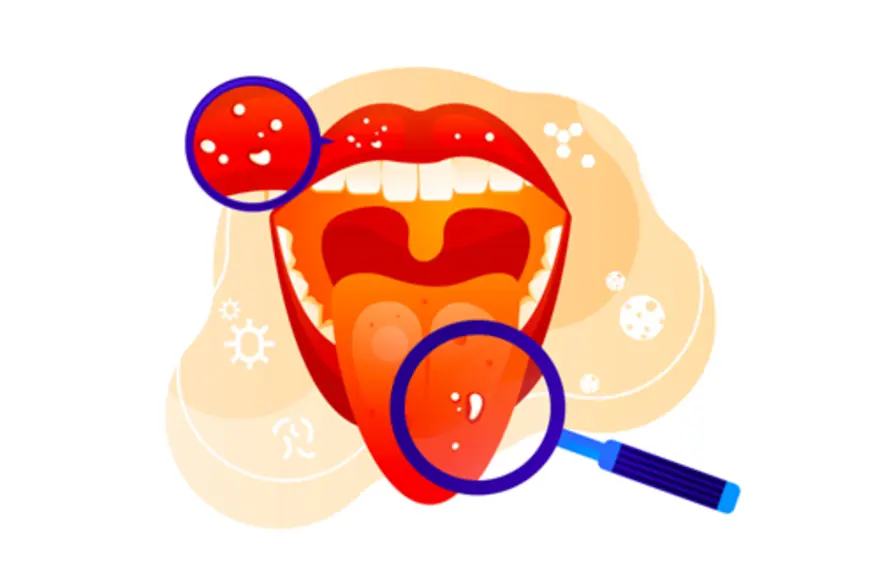
Table of Contents
- What is Burning Mouth Syndrome?
- Key Facts About Burning Mouth Syndrome
- Common Symptoms of Burning Mouth Syndrome
- Primary vs. Secondary Burning Mouth Syndrome
- Possible Causes of Burning Mouth Syndrome
- Risk Factors for Burning Mouth Syndrome
- How Burning Mouth Syndrome Is Diagnosed
- Treatment Options for Burning Mouth Syndrome
- Diet & Lifestyle Tips to Reduce Burning Mouth Sensation
- Complications: What Happens If Burning Mouth Syndrome is Not Treated?
- When to See a Doctor?
- Prevention Tips
- Outlook & Long-Term Management
- Conclusion
- FAQs Section
What is Burning Mouth Syndrome?
Burning mouth syndrome (BMS) is a chronic oral pain condition that causes a persistent burning or scalding sensation in the mouth—most often on the tongue, lips, gums, or palate—without visible lesions or evidence of infection. Symptoms typically intensify as the day progresses and may temporarily improve while eating or drinking. Because it may persist for months or even years and more commonly affects women, particularly during peri- and postmenopausal stages, it is important to understand the condition and seek appropriate medical care.
Key Facts About Burning Mouth Syndrome
Understanding burning mouth syndrome helps you recognise when to seek professional help:
- More common in women, especially postmenopausal women
- Usually not linked to visible mouth lesions or infections
- Can be primary (no identifiable cause) or secondary (linked to underlying conditions)
- Symptoms often worsen during the day and may improve at night
- Anxiety and depression are common among people with this condition
- Not contagious and doesn't increase oral cancer risk
- May affect quality of life significantly if left untreated
Common Symptoms of Burning Mouth Syndrome
Recognising burning mouth syndrome symptoms helps ensure timely diagnosis and treatment:
- Burning or scalding sensation in the mouth (tongue, lips, gums, palate)
- Persistent dry mouth and increased thirst
- Altered taste sensations, including a bitter or metallic taste
- Reduced or altered taste perception (dysgeusia)
- Tingling, numbness, or stinging in affected areas
- Pain that may be constant or intermittent
- Symptoms typically worsen as the day progresses
- Difficulty sleeping due to discomfort
As per an article on Burning Mouth Syndrome published on StatPearls (NIH), burning mouth syndrome is much more common in middle-aged and older women, especially in the peri- and postmenopausal periods, with a 3–7 times higher occurrence than in men. Additionally, it is frequently associated with major depression, chronic anxiety, circadian rhythm disruption, and other neuropsychiatric changes that influence pain perception.
Primary vs. Secondary Burning Mouth Syndrome
Understanding the two main types of burning mouth syndrome helps guide appropriate treatment approaches.
Primary burning mouth syndrome occurs when no clear medical or dental cause is found and is thought to arise from nerve dysfunction affecting pain and taste in the mouth. It is more common in postmenopausal women and may be associated with hormonal changes, stress, or nerve damage. Still, the exact mechanism remains unclear, making it harder to diagnose and treat.
What is Secondary Burning Mouth Syndrome?
Secondary burning mouth syndrome occurs when the burning sensation is linked to identifiable causes such as nutritional deficiencies (vitamin B12, iron, zinc), dry mouth, oral infections like thrush, acid reflux, poorly fitting dentures, allergies to dental materials, certain medications, or psychological factors like anxiety and depression. Managing these underlying issues often leads to significant relief from symptoms.
Possible Causes of Burning Mouth Syndrome
- Nerve dysfunction: Damage to nerves controlling pain and taste in your mouth.
- Hormonal changes: Particularly during menopause, when oestrogen levels decline.
- Nutritional deficiencies: Low vitamin B12, iron, folate, or zinc levels.
- Dry mouth conditions: Caused by medications, diabetes, or autoimmune disorders.
- Oral infections: Such as oral candidiasis (yeast infection).
- Acid reflux: Stomach acid irritates oral tissues.
- Allergic reactions: To foods, dental materials, or oral care products.
- Medications: Especially antihypertensives, antidepressants, or anxiolytics.
- Psychological factors: Stress, anxiety, and depression can trigger symptoms.
- Dental issues: Poorly fitting dentures or teeth grinding habits.
Also Read: Excessive Thirst
Risk Factors for Burning Mouth Syndrome
Certain factors increase your likelihood of developing this oral pain disorder:
- Being female, particularly postmenopausal
- Having nutritional deficiencies
- Experiencing chronic dry mouth
- Living with diabetes, thyroid disorders, or autoimmune conditions
- Taking certain medications regularly
- Having a history of anxiety or depression
- Using poorly fitting dental appliances
- Having food or material allergies
- Suffering from acid reflux disease
How Burning Mouth Syndrome Is Diagnosed
- Physical examination and oral evaluation: To look for visible infections, irritation, or other oral problems.
- Blood tests (vitamin levels, thyroid function, anaemia screening): To detect nutritional deficiencies, thyroid issues, diabetes, or anaemia. These are done with tests such as Vitamin Profile Test, Thyroid Profile Test, Anaemia Profile-Nutritional or more as suggested by your doctor.
- Allergy testing: To identify reactions to foods, dental materials, or oral care products, with an allergy test like the Allergy - Adult (Comprehensive) Panel or Comprehensive Allergy Panel.
- Saliva tests: To assess saliva flow and composition and rule out dry mouth–related causes.
Treatment Options for Burning Mouth Syndrome
Effective burning mouth syndrome treatment often involves a multi-faceted approach:
- Addressing underlying causes: Correcting nutritional deficiencies or treating medical conditions.
- Medications: Low-dose antidepressants, anticonvulsants, or topical anaesthetics for pain relief.
- Oral rinses: Saline or sodium bicarbonate rinses to soothe irritated oral tissues.
- Counselling or cognitive-behavioural therapy (CBT): For managing anxiety, depression, and chronic pain perception.
- Dental adjustments: Fixing poorly fitting dentures or oral appliances.
- Lifestyle modifications: Avoiding irritants and improving nutrition.
Diet & Lifestyle Tips to Reduce Burning Mouth Sensation
- Avoid spicy, acidic, or very hot foods and beverages.
- Drink plenty of water throughout the day.
- Use mild, alcohol-free oral care products.
- Chew sugar-free gum to stimulate saliva production.
- Eliminate tobacco and alcohol consumption.
- Practice stress-reduction techniques like meditation or yoga.
- Maintain excellent oral hygiene with gentle products.
Complications: What Happens If Burning Mouth Syndrome is Not Treated?
If left untreated, burning mouth syndrome can significantly affect quality of life. Chronic pain may interfere with eating, sleeping, and social interactions, leading to poor nutrition, weight loss, anxiety, and depression. Some people develop sleep problems, and if the underlying causes of secondary BMS are not treated, those medical conditions may worsen over time.
When to See a Doctor?
Seek medical attention if you experience:
- A burning or scalding sensation lasting more than two weeks.
- Pain interfering with eating, drinking, or sleeping.
- Persistent taste changes or dry mouth
- Additional symptoms like fatigue or weight loss
- Suspected medication side effects
- Significant impact on your daily activities
Prevention Tips
While not all cases are preventable, these strategies may help:
- Maintain excellent oral hygiene.
- Stay well-hydrated throughout the day.
- Follow a balanced diet rich in B-complex vitamins, iron, zinc, and folate.
- Avoid known irritants like tobacco and excessive alcohol.
- Manage stress effectively through relaxation techniques.
- Schedule regular dental checkups for early problem detection.
Outlook & Long-Term Management
The prognosis for burning mouth syndrome varies from person to person. Many people improve with proper diagnosis and treatment, especially when underlying causes are identified and managed. Primary BMS may last longer and need ongoing strategies, but with appropriate care and regular follow-up, most individuals can control their symptoms and maintain a good quality of life.
Conclusion
Burning mouth syndrome can be difficult to live with, especially when symptoms persist or the cause isn’t immediately clear. Early evaluation and accurate diagnosis are essential to identify triggers like nutritional deficiencies, hormonal changes, oral infections, or systemic illnesses and to guide effective treatment.
At Metropolis Healthcare, you have access to 4,000+ tests, advanced full body checkups, and speciality testing, supported by strong home sample collection across 10,000+ touchpoints. You can book tests easily via website, app, call, or WhatsApp, and rely on quick turnaround times and accurate, quality-assured reports. This combination of comprehensive diagnostics and convenient access helps you and your doctor manage burning mouth syndrome more confidently and proactively.
FAQs Section
What does burning mouth syndrome feel like?
Burning mouth syndrome typically feels like a scalding or burning sensation, similar to having burnt your mouth on hot food. The discomfort may be constant or intermittent and often worsens throughout the day.
What vitamin deficiency causes burning mouth?
Vitamin B12 deficiency is most commonly associated with burning mouth syndrome. Iron, folate, and zinc deficiencies can also contribute to oral discomfort and burning sensations.
Can anxiety cause burning mouth syndrome?
Yes, anxiety and stress can trigger or worsen burning mouth syndrome symptoms. The connection between psychological factors and this oral pain disorder is well-established in medical literature.
How long does burning mouth syndrome last?
Duration varies significantly. Some cases resolve within weeks or months, particularly when underlying causes are treated. However, primary burning mouth syndrome may persist for years and require long-term management strategies.
What makes burning mouth syndrome worse?
Several factors can exacerbate symptoms:
- Spicy, acidic, or hot foods and beverages
- Alcohol and tobacco use
- Stress and anxiety
- Certain medications
- Hormonal fluctuations
Is burning mouth syndrome permanent?
Not necessarily. Many people experience improvement with appropriate treatment, especially when underlying causes are identified and addressed. However, some cases may require long-term management rather than a complete cure.