Home Visit
 Upload






Preventive Healthcare
Black Sesame Seeds vs White Sesame Seeds: Nutritional Comparison & Best Uses
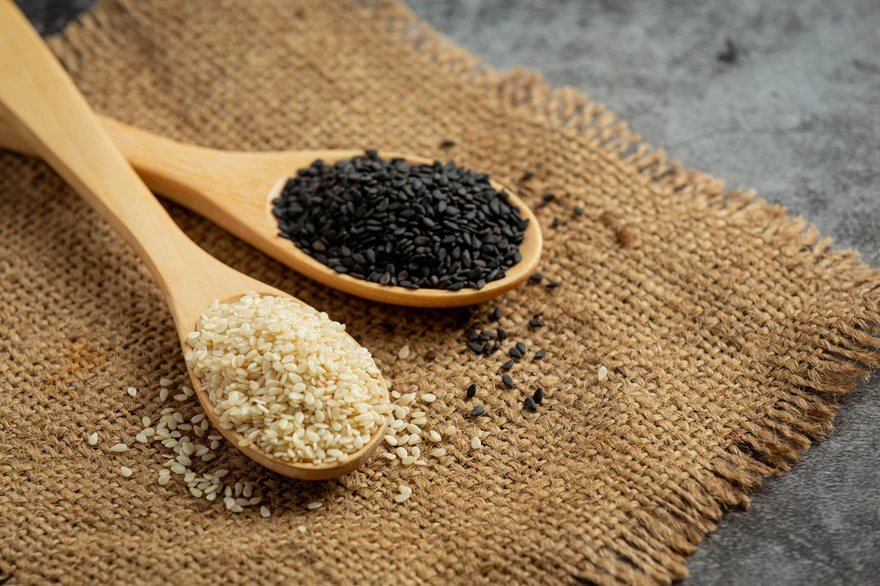
Table of Contents
- Nutritional Comparison: Black Sesame Seeds vs White Sesame Seeds
- Taste & Texture Differences
- Best Culinary Uses (Black vs White Sesame Seeds)
- Health Benefits: Black Sesame vs White Sesame
- Which Sesame Seeds Are Healthier?
- How to Choose the Right Sesame Seed for Your Needs
- Storage & Shelf Life Tips
- Side Effects & Precautions
- Conclusion
- FAQs
The fundamental difference between black and white sesame seeds lies in their processing and Retention of the hull. These calcium-rich seeds originate from the same Sesamum indicum plant but undergo different processing methods that significantly impact their nutritional profiles and culinary applications.
Both varieties offer exceptional healthy fats, protein, and minerals. However, processing methods impart distinct characteristics that influence taste, texture, and nutritional density. Understanding these differences empowers you to choose the right variety for your specific health goals and cooking preferences.
What Are White Sesame Seeds?
White sesame seeds are hulled varieties where the outer shell has been removed during processing. This hulling process creates their characteristic pale, creamy appearance and softer texture. The removal of the hull results in a milder, nuttier flavour that blends seamlessly into various dishes.
These seeds are commonly used in tahini production, baking, and as garnishes. Their neutral taste makes them versatile for both sweet and savoury applications. White sesame seeds are readily available in most supermarkets and are often the default choice for many home cooks.
What Are Black Sesame Seeds?
Black sesame seeds retain their natural hull, giving them their distinctive dark colour and robust flavour profile. This unhulled state preserves more nutrients and creates a slightly bitter, earthier taste compared to their white counterparts.
Traditional Asian cuisines, including Chinese, Japanese, and Korean dishes, frequently feature black sesame seeds in desserts, soups, and medicinal preparations. Their striking appearance adds visual appeal to dishes while delivering enhanced nutritional benefits. The retained hull contributes significantly to their superior mineral content.
Nutritional Comparison: Black Sesame Seeds vs White Sesame Seeds
The black sesame seeds vs white sesame seeds nutrition comparison reveals significant differences, particularly in mineral content and fibre levels:
|
Nutrient (per 100 g) |
White Sesame Seeds |
Black Sesame Seeds |
|
Calories |
565 kcal |
573 kcal |
|
Protein |
17g |
18 g |
|
Healthy fats |
50-54 g |
50 g |
|
Dietary Fibre |
3-4 g |
12 g |
|
Calcium |
60-100 mg |
975 mg |
|
Iron |
2.5 mg |
14.5 mg |
|
Magnesium |
300 mg |
351mg |
Macronutrient Breakdown (Per 100g)
The macronutrient profiles show subtle but important differences:
- Calories: Black seeds contain slightly more energy at 573 kcal versus 565 kcal.
- Protein: Black sesame seeds provide 18g compared to 17g in white varieties
- Healthy fats: Both varieties offer approximately 50g of beneficial fats.
- Carbohydrates: Similar levels at around 23g per 100g serving.
Micronutrient Differences
The micronutrient comparison highlights why black sesame seeds vs white sesame seeds differ substantially:
- Calcium: Black seeds contain nearly 10 times more calcium (975mg vs 60-100mg).
- Iron: Significantly higher iron content in black varieties (14.5mg vs 2.5mg).
- Magnesium: Black seeds provide 351mg compared to 300mg in white seeds.
- Antioxidants: The retained hull gives black sesame seeds significantly higher antioxidant levels.
Antioxidant Levels
Black sesame seeds contain higher concentrations of antioxidants such as sesamin, sesamolin, and anthocyanins. These powerful compounds combat oxidative stress and support cellular health. The intact hull preserves these beneficial substances, making black varieties particularly valuable for those seeking maximum antioxidant benefits.
Taste & Texture Differences
White sesame seeds have a mild, buttery flavour and smooth texture, suiting subtle or delicate dishes, while black sesame seeds are bolder, earthier, slightly bitter, and crunchier due to the hull, making them better when you want a strong sesame taste and visual contrast.
Best Culinary Uses (Black vs White Sesame Seeds)
There are many uses of sesame seeds in the kitchen. Some of the most common ones are:
Best Uses of White Sesame Seeds
White sesame seeds excel in applications requiring subtle flavour and light appearance:
- Tahini and hummus preparation
- Bread, crackers, and pastry toppings
- Salad dressings and light sauces
- Sushi garnishes and Asian noodle dishes
- Smooth paste preparations
Best Uses of Black Sesame Seeds
Black sesame seeds shine in recipes celebrating their distinctive characteristics:
- Traditional Asian desserts and sweet soups
- Visual contrast in salads and grain bowls
- Medicinal preparations and health tonics
- Ice cream and confectionery applications
- Crunchy toppings for maximum nutrition retention
Health Benefits: Black Sesame vs White Sesame
Both varieties offer powerful health benefits:
Benefits of White Sesame Seeds
White sesame seeds provide numerous health advantages:
- Rich in healthy fats supporting cardiovascular health
- Quality plant-based protein for muscle maintenance
- Rich in B vitamins, which are essential for energy metabolism
- Cholesterol management through a beneficial fat profile
- Blood pressure regulation support
Benefits of Black Sesame Seeds
The black sesame seeds vs white sesame seeds benefits comparison favours black varieties:
- Superior calcium content supporting bone health
- Enhanced iron levels combat anaemia
- Higher fibre promotes digestive wellness
- Increased antioxidants fighting cellular damage
- Traditional medicine applications for hair and skin health
As per a 2024 review in NIH, sesame seeds are rich in lignans, tocopherols, phytosterols, and polyunsaturated fats that support heart health, improve cholesterol levels, and may lower the risk of cancer and neurodegenerative diseases.
Which Sesame Seeds Are Healthier?
Black sesame seeds are generally more nutrient-dense than white ones, offering higher calcium, iron, fibre, and antioxidants due to the intact hull, while both types remain healthy choices—black better for mineral boost, white better for a milder taste and easier digestion.
How to Choose the Right Sesame Seed for Your Needs
Consider these factors when selecting between these calcium-rich seeds:
- Nutritional priorities: Choose black for maximum minerals and antioxidants
- Flavour preferences: Select white for mild taste, black for bold flavour
- Digestive sensitivity: White seeds may be gentler for sensitive stomachs
- Culinary applications: Match variety to recipe requirements
- Visual appeal: Use black seeds for a striking colour contrast
Storage & Shelf Life Tips
Proper storage maximises the benefits of sesame seeds:
- Store in airtight containers away from light and heat
- Refrigerate or freeze for extended shelf life
- Keep away from moisture to prevent rancidity
- Toast only before use to preserve nutrients
- Use within six months for optimal flavor and freshness
Side Effects & Precautions
Consider these important safety considerations:
- Sesame allergies can cause severe reactions in sensitive individuals
- High fiber content may cause mild digestive discomfort initially
- Calorie density requires moderate consumption
- Monitor intake if you are prone to oxalate kidney stones, as sesame seeds contain moderate levels of oxalates
- Consult healthcare providers about interactions with medications
Conclusion
Both black and white sesame seeds are nutrient-dense, calcium-rich seeds that can support digestion, bone health, and overall wellness. Black sesame seeds offer a slight edge in antioxidants, calcium, and iron, while white sesame seeds are more neutral in taste and versatile in everyday cooking. Including either variety in a balanced diet, along with other whole foods, is a simple way to enhance your intake of healthy fats, fibre, and key micronutrients.
To complement healthy eating, regular health checkups and accurate diagnostics are essential. Metropolis Healthcare offers 4000+ tests, including full body checkups and speciality testing, along with reliable home sample collection across 10,000+ touchpoints, quick turnaround times, and accurate results. You can conveniently book tests through the website, app, call, or WhatsApp, making it easier to track your health and make informed lifestyle choices.
FAQs
Are black sesame seeds healthier than white?
Yes, the nutrition analysis of black vs white sesame seeds shows that black varieties contain significantly more calcium, iron, fibre, and antioxidants due to Retention of the hull. However, both offer substantial health benefits.
Which sesame seeds are better for hair?
Traditional medicine favours black sesame seeds for hair health due to their higher mineral content and antioxidants. However, scientific evidence supporting specific hair benefits remains limited.
Do black and white sesame seeds taste different?
Absolutely. Black sesame seeds vs white varieties differ markedly in flavour—black seeds are earthier and more bitter, while white seeds offer mild, nutty sweetness.
Can black sesame seeds whiten skin?
No scientific evidence supports skin whitening claims. These calcium-rich seeds provide antioxidants that may support overall skin health, but whitening effects are unsubstantiated.
Is it OK to eat sesame seeds daily?
Yes, moderate daily consumption of these healthy fat sources is generally safe and beneficial. Start with 1-2 tablespoons daily, unless you have a sesame allergy.
Can sesame seeds cause allergies?
Yes, sesame is a recognised allergen that can trigger reactions ranging from mild to severe. Those with known sesame allergies should avoid both varieties completely.