Home Visit
 Upload






Preventive Healthcare
Black Grape Juice Benefits: 12 Antioxidant-Rich Ways It Supports Heart & Digestive Health
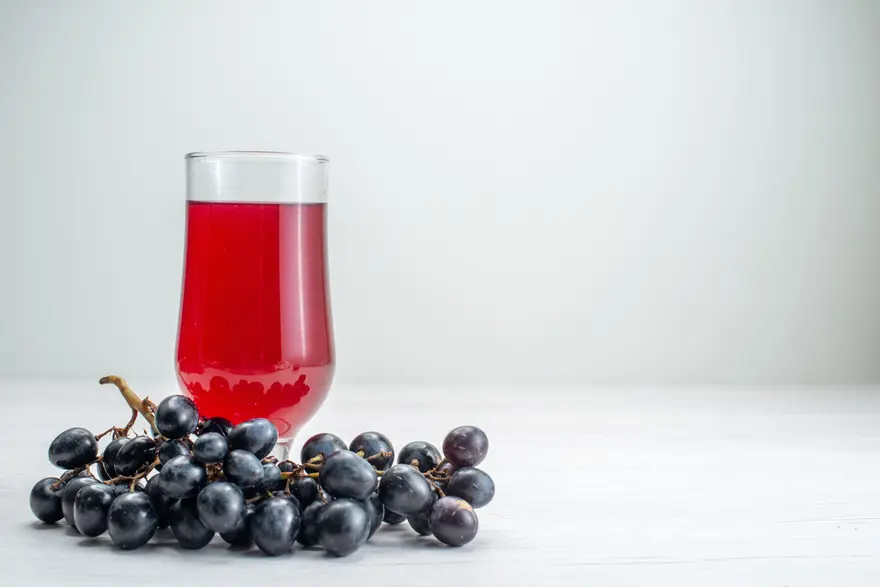
Table of Contents
What is Black Grape Juice?
Black grape juice is a nutrient-dense beverage extracted from fresh black grapes through blending or pressing, then straining to remove solids. This process preserves the fruit's natural sweetness and maintains its distinctive deep purple-black colour. This colour comes from anthocyanins, potent antioxidants concentrated in grape skins.
Unlike many processed beverages, Freshly prepared black grape juice retains key bioactive compounds such as polyphenols and vitamins, though processing may slightly reduce heat-sensitive nutrients like vitamin C that contribute to its impressive health profile. The juice contains concentrated levels of polyphenols, including resveratrol (mainly from grape skins) and flavonoids are primarily responsible for the antioxidant and anti-inflammatory properties of black grape juice.. These compounds work synergistically to support various bodily functions, particularly cardiovascular and digestive health.
The preparation method significantly affects the nutritional content. Fresh, unfiltered juice provides maximum benefits compared to heavily processed alternatives. When you understand what makes this beverage special, you can better appreciate why the health benefits of grapes have been recognised for centuries across different cultures.
Nutritional Value of Black Grape Juice
Black grape juice offers impressive nutritional density in every serving. According to the USDA and FoodData Central, fresh grape juice provides approximately 30–60 mg of vitamin C per cup depending on variety and processing.
|
Name |
Quantity Present |
|
Water |
214 g |
|
Energy |
152 kcal |
|
Protein |
0.936 g |
|
Total lipid (fat) |
0.329 g |
|
Fibre, total dietary |
0.506 g |
|
Total Sugars |
35.9 g |
|
Calcium, Ca |
27.8 mg |
|
Iron, Fe |
0.632 mg |
|
Magnesium, Mg |
25.3 mg |
|
Phosphorus, P |
35.4 mg |
|
Potassium, K |
263 mg |
|
Sodium, Na |
12.6 mg |
|
Zinc, Zn |
0.177 mg |
|
Vitamin C, total ascorbic acid |
63.2 mg |
|
Vitamin B-6 |
0.081 mg |
|
Carotene, beta |
12.6 µg |
12 Health Benefits of Black Grape Juice
The remarkable black grape juice benefits stem from its rich antioxidant content and diverse nutrient profile. Research consistently demonstrates how these compounds support multiple aspects of health, particularly cardiovascular and digestive function.
- Rich in Antioxidants
Black grapes contain exceptional levels of anthocyanins and resveratrol, which neutralise harmful free radicals throughout your body. These antioxidants protect cells from oxidative stress, helping protect cells from oxidative stress, which is linked to ageing and various chronic conditions. - Supports Heart Health
The polyphenols in black grape juice benefit cardiovascular function by improving blood vessel flexibility and reducing inflammation. Regular consumption has been associated with improved endothelial function, modest blood pressure reduction, and better lipid balance in clinical studies, supporting long-term heart health. - Boosts Immune System
Vitamin C and polyphenols work together to strengthen your immune defences. These nutrients enhance white blood cell function and protect against oxidative damage, helping your body fight infections more effectively. - Improves Digestive Health
Polyphenols in black grapes may promote the growth of beneficial gut bacteria and improve digestive comfort, although human research remains limited. The juice acts as a gentle detoxifier, supporting your body's natural cleansing processes and maintaining digestive comfort. - Promotes Healthy Skin
Antioxidants and vitamin C support collagen production, maintaining skin elasticity and protecting against environmental damage. Regular consumption may contribute to a more youthful, radiant complexion. - Supports Brain Health
Resveratrol and polyphenols may support neurovascular health and help reduce oxidative damage in brain tissue, potentially supporting cognitive function. These compounds support cognitive function and may reduce the risk of neurodegenerative conditions like Alzheimer's disease. - May Lower Cancer Risk
Some in vitro and animal studies suggest anti-cancer effects of grape polyphenols, particularly resveratrol; however, large-scale human trials confirming these effects are still lacking. - Helps Manage Blood Sugar
Grape polyphenols may improve insulin sensitivity and glucose uptake, but the juice’s high natural sugar means portion control is important for those with diabetes. - Hydrating and Energising
The high water content, combined with natural carbohydrates, provides rapid hydration and sustained energy, making it excellent for post-exercise recovery or afternoon energy boosts. - Anti-Ageing Effects
Polyphenols protect cells from antioxidant and anti-inflammatory compounds may slow cellular ageing processes and support vitality. - Supports Healthy Blood Pressure
According to research published in Nutrients and PubMed Central (2020–2023), grape polyphenols may improve vascular relaxation by increasing nitric oxide and reducing endothelin-1. It may also increase nitric oxide, which helps relax blood vessels, and provide antioxidants that help lower oxidative stress and inflammation. - Potential Weight Management Benefits
While not a weight-loss beverage, moderate grape juice intake within a balanced diet can support metabolic health through its polyphenol content.
Side Effects and Potential Downsides of Black Grape Juice
Despite numerous benefits, awareness of potential drawbacks ensures safe consumption:
- High natural sugar content: High natural sugar content: One cup may contain 30–35 g of sugars, so moderation is advised, especially for those managing glucose or weight.
- Reduced fibre content: Filtered juice lacks the fibre found in whole grapes, potentially reducing satiety and digestive benefits.
- Blood-thinning effects: Polyphenols and resveratrol may have mild antiplatelet effects, potentially enhancing the action of blood-thinning medications (e.g., warfarin or aspirin). Seek medical guidance before regular use.
- Gastrointestinal upset: Excessive consumption may cause digestive discomfort due to high sugar concentration.
- Caloric density: Regular overconsumption could contribute to unwanted weight gain.
- Potential allergic reactions: Rare but possible in sensitive individuals.
- Pesticide residues: Choose organic options when possible and wash grapes thoroughly.
How to Incorporate Black Grape Juice into Your Diet
Maximising black grape juice benefits requires thoughtful incorporation into your daily routine:
- Morning boost: Enjoy 120–240 ml of unsweetened black grape juice with or after breakfast to enhance nutrient absorption and moderate glycaemic impact.
- Smoothie base: Use it as a base and blend with other fruits or leafy greens for a balanced, nutrient-rich drink.
- Natural sweetener: Add to homemade desserts or frozen treats for a natural touch of sweetness.
- Salad dressings: Mix into vinaigrettes for flavour; you can also add a small handful of raisins to salads to enjoy the benefits of black raisins.
- Healthy spritzer: Combine with sparkling water for a refreshing, low-calorie beverage.
- Culinary applications: Use in marinades, glazes, or dessert sauces for added depth of flavour.
- Ice cubes: Freeze in trays to add a burst of flavour and antioxidants to water or herbal teas.
For variety, enjoy raisins on their own as a mid-morning energy snack, along with nuts, seeds, or other dried fruits.
Conclusion
Understanding the comprehensive health benefits of grapes empowers you to make informed dietary choices. Whether you're drawn to black grape juice for its heart health benefits, digestive support, or antioxidant protection, incorporating this nutrient-rich beverage thoughtfully can enhance your wellness journey.
At Metropolis Healthcare, we understand that optimal health begins with informed choices backed by reliable diagnostics. Backed by a CAP proficiency score exceeding 98%, placing it among the top 1% of labs globally, Metropolis ensures precise and reliable results for over 4000 tests. With NABL & CAP accredited labs, home sample collection, and online report access, Metropolis empowers you to make informed dietary decisions with confidence.
FAQs
Is black grape juice good for you?
Yes, it benefits your health when consumed in moderation. The rich antioxidant content, particularly polyphenols and vitamin C, supports heart health, immune function, and digestive wellness. However, due to its natural sugar content and reduced fibre compared to whole grapes, it should complement rather than replace whole fruits in your diet.
How much black grape juice should you drink?
A serving of 120-270ml daily is generally safe for most healthy adults, providing beneficial nutrients without excessive sugar intake. Individuals with diabetes, those monitoring calorie intake, or people taking blood-thinning medications should consult healthcare providers for personalised recommendations.
Can black grape juice help with weight loss?
Black grape juice benefits typically don't include direct weight-loss support, as it contains natural sugars and calories. However, the antioxidants may modestly support healthy metabolism. For weight management, focus on whole grapes rather than juice, as the fibre content promotes satiety.
Does black grape juice improve heart health?
Studies show regular consumption of grape juice may reduce cardiovascular disease risk when combined with other heart-healthy lifestyle choices. However, it should complement, not replace, proven strategies like regular exercise and balanced nutrition.
Can black grape juice cause any side effects?
Most people tolerate black grape juice benefits without adverse effects when consumed moderately. However, excessive intake may cause blood sugar spikes, digestive upset, or interactions with blood-thinning medications. Individuals with grape allergies, bleeding disorders, or diabetes should exercise caution.
References: