Home Visit
 Upload






Preventive Healthcare
Bile Reflux: Symptoms, Causes, and Effective Treatment Options
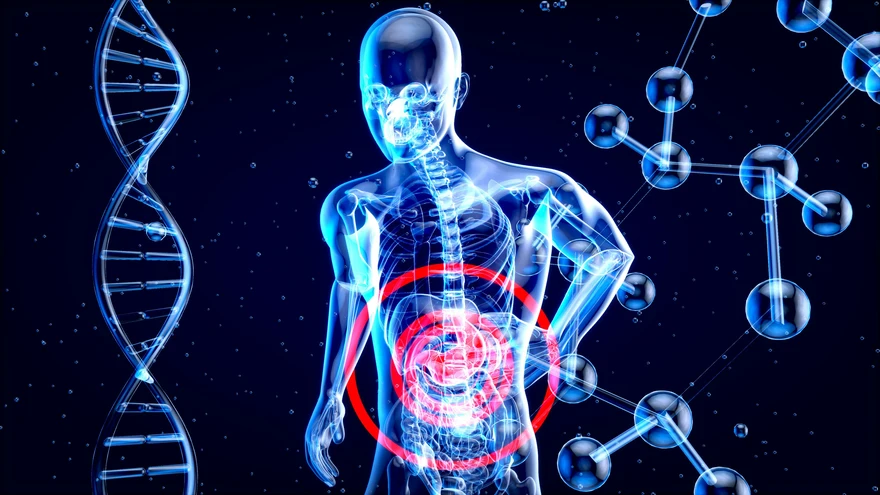
Table of Contents
What is Bile Reflux?
Bile reflux occurs when bile—a digestive fluid produced by the liver—flows backward from the small intestine into the stomach — and sometimes into the oesophagus. Usually, bile aids in the digestion of fats in the small intestine, but when it backs up into the stomach or oesophagus, it can cause irritation, inflammation, and digestive discomfort.
Unlike acid reflux, which involves stomach acid moving upward, bile reflux involves alkaline bile, and both conditions may occur together. Chronic bile reflux can lead to serious complications such as gastritis, ulcers, and Barrett’s oesophagus if left untreated.
Causes of Bile Reflux
Bile reflux can develop due to several underlying conditions affecting the digestive system, including:
- Surgical complications: Procedures such as gallbladder removal (cholecystectomy), gastric bypass, or stomach surgery can disrupt the natural flow of bile and weaken the valve (pyloric sphincter) that prevents bile from entering the stomach.
- Peptic ulcers: Ulcers near the pyloric valve can cause obstruction, leading to bile accumulation and backflow into the stomach.
- Gallbladder disease: When bile storage or secretion is impaired due to gallbladder inflammation or dysfunction, it can result in unregulated bile flow and reflux.
- Digestive tract injury: Trauma, inflammation, or scarring from prior gastrointestinal surgeries can alter the structure and function of the pyloric valve, allowing bile to reflux.
- Lifestyle factors: Excessive alcohol intake, smoking, high-fat diets, and irregular eating habits can relax the lower oesophageal sphincter and increase the risk of bile moving into the stomach or oesophagus.
Common Risk Factors
Bile reflux happens when bile — the digestive fluid produced by the liver — moves upward into the stomach and sometimes the oesophagus, instead of passing normally into the small intestine. This backward flow disrupts digestion and irritates the lining of the stomach and oesophagus. It can be triggered by several medical and lifestyle factors, including:
- Surgical complications: According to the National Institutes of Health (NIH), procedures such as gallbladder removal (cholecystectomy) or gastric surgeries may disrupt the normal bile flow, increasing the risk of reflux.
- Peptic ulcers: Ulcers near the pyloric valve can block the passage between the stomach and small intestine, allowing bile to backflow.
- Gallbladder disease: Impaired bile storage or irregular release of bile into the digestive tract can trigger reflux episodes.
- Digestive tract injury: Trauma, inflammation, or scarring from prior surgeries can impair the pyloric valve’s function.
- Lifestyle factors: Excessive alcohol consumption, smoking, and poor dietary habits can relax the lower oesophageal sphincter, contributing to bile movement in the wrong direction.
Identifying the underlying bile reflux causes is essential for accurate diagnosis and effective treatment planning.
Symptoms of Bile Reflux
Bile reflux symptoms can closely resemble those of acid reflux or other digestive disorders, making diagnosis challenging. However, certain characteristic signs can help distinguish it:
- Persistent upper abdominal pain or burning: Usually felt in the upper middle abdomen and may worsen after meals.
- Frequent heartburn: A burning sensation in the chest that can extend to the throat.
- Nausea or vomiting of bile (yellow-green fluid): A hallmark symptom indicating bile entering the stomach or oesophagus.
- Cough or hoarseness: Caused by irritation of the throat and vocal cords from bile exposure.
- Unexplained weight loss: Due to poor digestion and reduced appetite.
- Bitter taste in the mouth: A distinctive symptom resulting from bile regurgitation.
Recognising these signs early and seeking medical advice can ensure timely diagnosis and treatment before complications develop.
Complications of Untreated Bile Reflux
If bile reflux is left untreated, the continuous backflow of bile into the stomach and oesophagus can cause progressive damage to the digestive tract. Over time, this may lead to several serious complications, including:
- Gastritis: Chronic inflammation of the stomach lining, leading to pain, nausea, and indigestion.
- Oesophagitis: Irritation and damage to the oesophageal tissue caused by prolonged bile exposure.
- Barrett’s oesophagus: A precancerous change in the oesophageal lining that increases the risk of cancer development.
- Stomach ulcers: Open sores may form due to continuous irritation of the stomach lining.
- Increased risk of stomach or oesophageal cancer: Long-term bile reflux can contribute to cellular changes and malignant transformation.
Timely bile reflux treatment and lifestyle management are crucial to prevent these potentially life-threatening complications.
How is Bile Reflux Diagnosed?
Diagnosing bile reflux involves ruling out other gastrointestinal conditions, such as acid reflux or gastroesophageal reflux. To determine bile reflux causes, a gastroenterologist may recommend the following tests:
1. Endoscopy
An upper gastrointestinal (GI) endoscopy is one of the most common and effective diagnostic tools. During the procedure, a thin, flexible tube equipped with a light and a camera (endoscope) is inserted through the mouth into the oesophagus and stomach.
This allows the doctor to visually examine the lining for signs of:
- Inflammation or irritation in the stomach or oesophagus
- Presence of bile staining (yellowish-green fluid)
- Tissue erosion or ulceration
- Structural abnormalities, such as narrowing or damage caused by prolonged reflux
If necessary, the doctor may also collect a small tissue sample (biopsy) during the endoscopy to test for cellular changes or to rule out precancerous conditions such as Barrett’s oesophagus.
2. Ambulatory Acid (pH) Monitoring
An ambulatory acid (pH) test measures the level of acidity in the oesophagus over 24 hours. It helps distinguish between acid reflux and bile reflux by recording when and how often stomach contents move upward.
During this test, a small probe is placed in the oesophagus and connected to a portable monitor worn by the patient. The device records acid levels throughout the day while you go about normal activities, helping the doctor identify reflux patterns and triggers.
3. Bile Monitoring Tests
When bile reflux is suspected, laboratory tests such as Bile Acids – Total (Serum) or Bile Salt & Pigments (Urine) help quantify bile presence to detect and quantify the presence of bile in the stomach and oesophagus. These tests typically involve using specialised sensors or catheters that measure bilirubin levels (a bile pigment) in the upper digestive tract.
This test provides a clearer picture of non-acidic reflux episodes, confirming whether bile is present in the oesophagus even when acid levels are normal.
Treatment Options for Bile Reflux
Effective bile reflux treatment aims to reduce bile production, improve digestive tract motility, and protect the stomach lining.
Medications
- Ursodeoxycholic acid (UDCA):
This medication helps promote the normal flow of bile from the liver into the intestines, reducing bile accumulation and alleviating symptoms such as nausea and abdominal discomfort. UDCA also helps neutralise the damaging effects of bile on the stomach lining. - Bile acid sequestrants (e.g., Cholestyramine):
These drugs bind to bile acids in the digestive tract, preventing them from irritating the stomach and oesophagus. However, they are used cautiously because they may cause side effects such as bloating or constipation. - Proton Pump Inhibitors (PPIs):
While PPIs mainly target acid reflux, they are often prescribed in combination with other treatments when both acid reflux and bile reflux coexist. They reduce acid production, easing overall oesophageal irritation. - Sucralfate:
This medication acts as a protective barrier by coating the stomach and oesophageal lining. It helps prevent further damage from bile exposure and promotes healing of inflamed tissues.
Surgical Procedures
In cases of severe or chronic bile reflux that do not respond to medication, surgical intervention may be necessary to correct the underlying anatomical or functional issues.
- Roux-en-Y Diversion Surgery:
This is the most common surgical treatment for bile reflux. It involves creating a new connection in the small intestine to divert bile flow away from the stomach. This prevents bile from backing up into the stomach and oesophagus, reducing irritation and improving digestive function. - Anti-reflux or Sphincter-tightening Procedures:
In some instances, surgeons may strengthen or reconstruct the lower oesophageal sphincter (LES) to prevent both bile and acid from flowing upward. These procedures are usually recommended for patients who experience both gastroesophageal reflux and bile reflux.
Lifestyle and Home Remedies
Adopting simple yet consistent lifestyle changes can significantly reduce the discomfort caused by bile reflux and prevent symptom flare-ups:
- Eat smaller, more frequent meals: Large meals can increase stomach pressure and promote reflux.
- Avoid lying down immediately after eating: Wait at least 2–3 hours before lying down or going to bed to aid digestion.
- Quit smoking and limit alcohol: Both weaken the lower oesophageal sphincter, allowing bile and acid to flow upward.
- Maintain a healthy weight: Excess abdominal fat can press on the stomach, worsening reflux.
- Elevate the head of your bed while sleeping: Raising the head by 6–8 inches helps prevent bile and stomach contents from backing up into the oesophagus.
These home remedies, combined with medical guidance, can significantly improve symptom control and overall digestive health.
Diet Tips to Manage Bile Reflux
Your diet plays a key role in controlling bile reflux symptoms and supporting digestive health. The following dietary tips can help minimise irritation and improve stomach function:
- Avoid high-fat and fried foods: Fatty meals slow digestion and relax the stomach valve, increasing the risk of reflux.
- Limit caffeine, citrus, and chocolate: These can stimulate acid and bile secretion, aggravating inflammation.
- Include fibre-rich foods and lean proteins: Whole grains, fruits, vegetables, fish, and skinless poultry aid digestion and reduce bile buildup.
- Drink water instead of carbonated beverages: Fizzy drinks increase stomach pressure, which can cause bile backflow.
- Opt for gentle cooking methods like steaming or baking: These retain nutrients and reduce excess fat, making meals easier to digest.
Following these diet adjustments consistently can help manage bile reflux effectively and prevent long-term complications.
When to See a Doctor?
While occasional discomfort may not always indicate a serious problem, persistent bile reflux symptoms require prompt medical evaluation. Seek medical attention if you experience:
- Persistent abdominal or chest pain: Especially if it worsens after meals or disrupts sleep.
- Vomiting bile or blood: Indicates severe irritation or possible damage to the digestive tract.
- Difficulty swallowing: Could suggest inflammation or narrowing of the oesophagus.
- Unintended weight loss: May point to chronic reflux affecting nutrient absorption.
- Symptoms not relieved by medication: Ongoing discomfort despite treatment warrants further diagnostic tests and medical review.
Early consultation helps prevent complications such as ulcers, gastritis, or Barrett’s oesophagus and ensures effective bile reflux treatment.
Preventing Bile Reflux
Taking preventive measures can help reduce the risk of bile reflux and maintain long-term digestive health. Here are some effective steps:
- Avoid overeating and late-night meals: Large meals or lying down soon after eating can increase pressure on the stomach, promoting reflux.
- Maintain a healthy body mass index (BMI): Excess weight can push bile and stomach contents upward into the oesophagus.
- Limit alcohol and tobacco use: Both irritate the digestive tract and weaken the valve between the stomach and oesophagus.
- Manage gallbladder and liver health through regular checkups: Healthy bile production and flow depend on the proper functioning of these organs.
- Consult a gastroenterologist for recurring digestive symptoms: Early medical evaluation ensures accurate diagnosis and timely bile reflux treatment.
Consistently following these preventive habits can help protect your digestive system and reduce the likelihood of chronic reflux.
Conclusion
Bile reflux, though often confused with acid reflux, requires distinct management because of its alkaline composition. Early recognition of bile reflux symptoms and timely diagnosis can prevent chronic complications such as gastritis, ulcers, or Barrett’s oesophagus. With proper medical care, lifestyle modifications, and targeted treatment, patients can effectively control symptoms and protect their digestive health.
Metropolis Healthcare supports proactive digestive care through comprehensive liver and bile function profiles, along with over 4,000 diagnostic tests. With home sample collection, quick turnaround times, and accurate results, Metropolis ensures convenience and reliability. You can easily book a test through the website, app, call, or WhatsApp, and access trusted services across 10,000+ touchpoints nationwide. Take charge of your health with India’s most trusted name in diagnostics — Metropolis Healthcare.
FAQs
What foods should I avoid if I have bile reflux?
- Fried and fatty foods
- Caffeinated drinks
- Citrus fruits and juices
- Spicy foods
- Processed snacks and chocolates
How is bile reflux different from GERD?
While both conditions cause upper digestive discomfort, bile reflux involves alkaline bile flowing upward from the small intestine, whereas GERD or acid reflux results from acidic stomach contents backing up into the oesophagus.
Can bile reflux be cured?
Although it may not be completely cured in all cases, most patients can achieve long-term relief through medications, diet control, and surgical treatment when needed.
Does bile reflux go away on its own?
Mild cases may improve with dietary changes and medication, but chronic bile reflux requires medical management to prevent complications.
Is bile reflux dangerous?
If untreated, chronic bile reflux can damage the stomach and oesophagus, increasing the risk of ulcers, Barrett’s oesophagus, and even cancer.