Home Visit
 Upload






Preventive Healthcare
What Are Benign Bone Tumors? Symptoms, Diagnosis, and Treatment
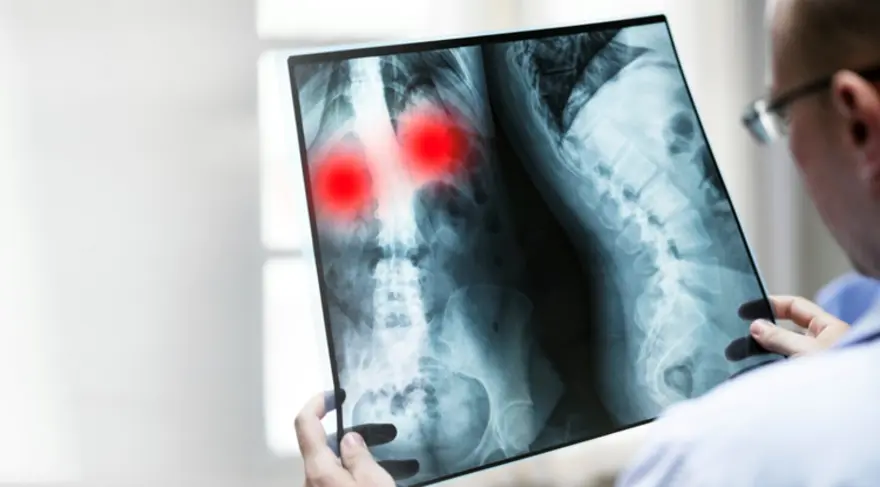
Table of Contents
What Are Benign Bone Tumors?
A benign bone tumor is an abnormal growth of bone cells that forms within or on the surface of a bone but remains localised without invading nearby tissues. These tumors are actually more common than malignant bone tumors, most commonly affecting children, teenagers, and young adults during periods of rapid bone growth. Many benign bone tumors remain small and cause no symptoms, often discovered incidentally during X-rays performed for other reasons. However, some can grow larger, potentially weakening the bone structure, causing pain, or affecting nearby joints and nerves. Understanding when these growths require medical intervention is crucial for maintaining bone health and preventing complications.
Understanding Benign Bone Tumors
Benign bone tumors develop when bone-forming cells begin dividing uncontrollably, creating masses of abnormal tissue. Unlike bone metastasis from other cancers, these growths originate directly within the bone and remain confined to their original location.
The exact causes remain largely unknown, though several factors may contribute to their development. These include rapid bone growth during childhood, prior injuries, genetic conditions, and underlying bone diseases such as osteomalacia. The bone marrow environment and hormonal changes during growth spurts may also play a role.
Types of Benign Bone Tumors
• Osteochondroma: The most common type, featuring bone and cartilage outgrowths near the ends of long bones, especially around the knee
• Non-ossifying fibroma: According to the American Academy of Orthopaedic Surgeons, this type is most common in children, is found in the thigh or shin bones, and often resolves naturally as the child grows
• Enchondroma: Cartilage tumors that form inside bones, frequently affecting the hands and feet, and sometimes leading to fractures
• Osteoid osteoma: Small, painful tumors in long bones, causing night pain that responds well to anti-inflammatory medications
• Osteoblastoma: Larger bone-forming tumors, typically in the spine, causing persistent pain that may require surgical removal
• Unicameral bone cyst: Fluid-filled cavities in arm or thigh bones of children, weakening bone structure
• Aneurysmal bone cyst: Blood-filled, expansile lesions that grow quickly, often in the spine
• Chondroblastoma: Rare cartilage tumors at bone ends near joints in adolescents
• Giant cell tumor: Locally aggressive tumors typically affecting young adults near knee joints
Symptoms of Benign Bone Tumors
- Persistent bone pain: Often dull and aching, may worsen at night or during activity
- Visible swelling or lumps: Noticeable bumps over affected bones, particularly near the surface
- Tenderness when touched: Pain or discomfort when pressure is applied to the affected area
- Unexpected fractures: Bones breaking easily due to weakening from the tumor
- Joint stiffness: Reduced range of motion when tumors are near joints
- Neurological symptoms: Numbness, tingling, or weakness if tumors press on nerves
- Systemic symptoms: Occasionally, fever or night sweats with specific tumor types
How Are Benign Bone Tumors Diagnosed?
• Comprehensive medical history: Discussing the onset and pattern of pain, previous injuries, family history, and any other concerning symptoms
• Physical examination: Checking for tenderness, swelling, visible lumps, joint movement, and neurological function
• Initial imaging studies: X-rays provide the first look at bone structure, tumor location, and characteristics
• Advanced imaging when needed: MRI and CT scans provide detailed views of the bone structure, marrow involvement, and adjacent tissues
• Tissue biopsy if necessary: Removing small tissue samples for microscopic examination to confirm the diagnosis
Diagnostic Tests for Benign Bone Tumors
• X-ray imaging: The primary tool showing bone architecture and tumor characteristics
• Magnetic resonance imaging (MRI): Detailed images of bone marrow, soft tissues, and surrounding structures
• Computed tomography (CT) scans: Cross-sectional views providing precise structural detail
• Bone scintigraphy: Nuclear medicine scan highlighting areas of increased bone activity throughout the skeleton
• Ultrasound: Occasionally used for superficial lesions to distinguish solid from fluid-filled structures
• Bone Resorption Marker Test: Helps evaluate bone resorption activity
• Bone & Joint Infection Panel by FilmArray (BioFire), Synovial Fluid: Detects pathogens that cause bone and joint infections
• Osteomon Profile: Provides a comprehensive assessment of bone metabolism markers
• Arthritis Profile: Aids in detecting autoimmune, inflammatory, and infectious causes of joint pain
Treatment Options for Benign Bone Tumors
- Active surveillance: Regular monitoring with periodic imaging for small, asymptomatic tumors
- Pain management: Over-the-counter medications and anti-inflammatory drugs for symptom relief
- Minimally invasive procedures: Injections or minor procedures for specific tumor types
- Surgical removal: Complete excision for tumors causing pain, deformity, or fracture risk
- Bone reconstruction: Rebuilding bone structure after tumor removal using grafts or implants
- Physical therapy: Rehabilitation to restore strength and function after treatment
- Long-term monitoring: Follow-up care to ensure no recurrence or complications
When is Surgery Necessary for Benign Bone Tumors?
Surgery becomes necessary when benign bone tumors cause significant symptoms, threaten bone integrity, or continue growing despite conservative management. Large tumors near joints may require surgical intervention to prevent joint damage or preserve function. Additionally, tumors causing pathological fractures or those with an uncertain diagnosis often need surgical treatment.
The decision for surgery also depends on your age, activity level, and personal preferences. Young, active individuals may benefit from early surgical intervention to prevent future complications, while older patients might prefer conservative management unless symptoms become severe.
Recovery After Benign Bone Tumor Surgery
Recovery following benign bone tumor surgery varies depending on the procedure type and tumor location. Most patients can expect gradual improvement over several weeks to months. Physical therapy often plays a crucial role in restoring strength, flexibility, and function. Your surgeon will provide detailed guidelines regarding weight-bearing restrictions, activity modifications, and follow-up imaging schedules.
Complications from surgery are relatively uncommon but may include infection, nerve damage, or tumor recurrence. Following your surgeon’s postoperative instructions carefully helps minimize these risks and optimize healing.
Complications of Benign Bone Tumors
• Pathological fractures: Weakened bones may break spontaneously or with minimal trauma
• Local recurrence: Some aggressive benign tumors may regrow after incomplete removal
• Malignant transformation: A rare possibility in which benign tumors become cancerous, particularly in specific types such as giant cell tumor or osteochondroma
• Growth disturbances: Tumors affecting growth plates in children may cause limb length discrepancies
• Joint stiffness: Prolonged immobility or proximity to joints may result in reduced mobility
• Nerve damage: Compression or surgical complications may affect nearby nerves
Living with Benign Bone Tumors
Many people successfully manage life with benign bone tumors through regular monitoring and appropriate care. Maintaining good bone health through proper nutrition, regular exercise, and avoiding activities that increase fracture risk helps prevent complications.
Regular follow-up appointments ensure early detection of any changes in your condition. Your healthcare team can adjust treatment plans as needed and provide ongoing support for managing symptoms and maintaining quality of life.
Conclusion
Understanding benign bone tumors empowers you to make informed health decisions and manage any concerns effectively. While these non-cancerous growths can cause symptoms and complications, most people experience excellent outcomes with appropriate diagnosis and treatment. Remember that benign bone tumors differ significantly from bone cancer and are rarely life-threatening.
Early recognition of benign bone tumor symptoms and prompt medical evaluation leads to better outcomes and peace of mind. Whether you need simple monitoring or more complex treatment, working closely with your healthcare team ensures the best possible care for your specific situation.
At Metropolis Healthcare, we understand the importance of accurate diagnosis in managing bone health concerns. Our comprehensive portfolio of over 4,000 tests includes specialized Bone Profile assessments and Bone & Joint Panels to thoroughly evaluate your skeletal health. With our extensive network of over 10,000 touchpoints across India, we bring convenient home sample collection directly to you, ensuring comfort during your diagnostic journey.
FAQs
Can benign bone tumors become cancerous?
Most benign bone tumors remain non-cancerous throughout life. However, very rarely, certain types, such as giant cell tumors, may develop malignant characteristics, making regular monitoring important.
What is the prognosis for benign bone tumors?
The prognosis for benign bone tumors is generally excellent. Most people experience complete resolution with appropriate treatment and return to normal activities without long-term complications.
Are there any lifestyle changes needed with benign bone tumors?
• Avoid high-impact activities that might increase fracture risk
• Maintain adequate calcium and vitamin D intake for bone health
• Follow regular monitoring schedules with your doctor
• Stay physically active within recommended limits