Home Visit
 Upload






Preventive Healthcare
Lentils: Nutrition, Benefits, and How to Cook Them
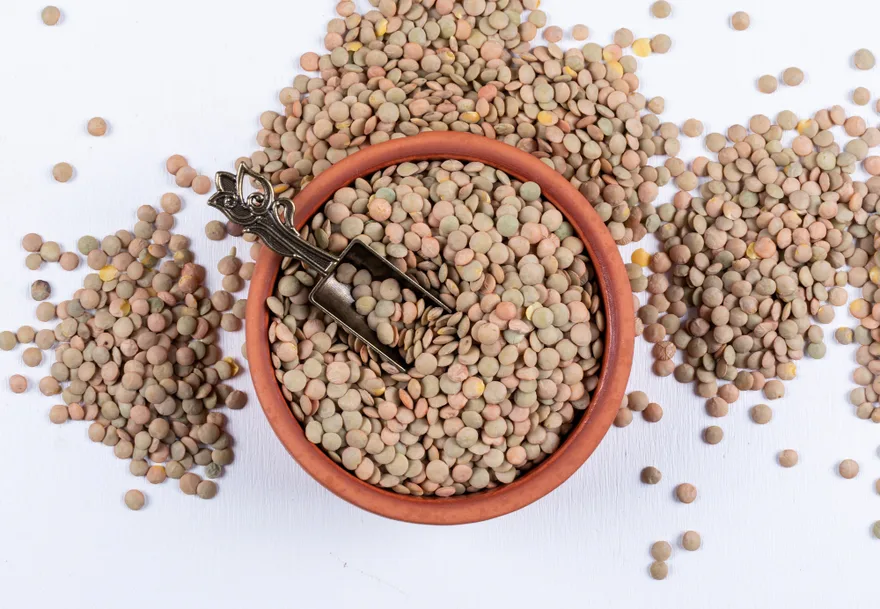
Table of Contents
What Are Lentils?
Lentils are small, round legumes that come in various colours, including green, brown, red, and black. They are highly nutritious, packed with protein, fibre, iron, and B vitamins, making them a staple in vegetarian and vegan diets. Lentils cook faster than many other legumes and don’t usually require soaking, which makes them a convenient choice for quick meals. They are used in many global cuisines, especially in soups, stews, salads, and curries. With their earthy flavour and ability to absorb spices, lentils are both delicious and versatile, contributing to a healthy and balanced diet.
Nutritional Profile of Lentils
The lentils nutrition facts for a boiled and cooked (without salt) cup (198 g) include:
|
Nutrient |
Amount per 1 cup |
|
Calories |
230 kcal |
|
Protein |
17.9 g |
|
Total Fat |
0.752 g |
|
Carbohydrates |
39.8 g |
|
Fiber |
15.6 g |
|
Calcium |
37.6 mg |
|
Iron |
6.59 mg |
|
Magnesium |
71.3 mg |
|
Phosphorus |
356 mg |
|
Potassium |
731 mg |
|
Sodium |
3.96 mg |
|
Vitamin C |
2.97 mg |
|
Vitamin A |
15.8 IU |
Lentils are also cholesterol-free, low on the glycaemic index, and naturally gluten-free, making them a wonderful addition to many diets.
Top Health Benefits of Eating Lentils
Here are some of the health benefits of lentils:
1. Protects Against Disease
Lentils are a source of polyphenols, antioxidants known for their anti-inflammatory and neuroprotective properties.These bioactive compounds help combat oxidative stress and may inhibit the growth of cancer cells, potentially reducing the risk of certain cancers. The high fibre content in lentils also promotes the growth of beneficial gut bacteria, which play a crucial role in immune function and overall health. Regular consumption of lentils is linked to lower risks of chronic diseases like diabetes, obesity, and cardiovascular disorders, thanks to their nutrient-dense profile and blood sugar-regulating abilities.
2. Lowers Blood Pressure
Lentils are an excellent source of potassium and magnesium, two minerals that help regulate blood pressure. Potassium helps counteract sodium’s effects and promotes the relaxation of blood vessel walls Magnesium plays a role in blood pressure control by promoting the dilation of blood vessels. The fibre in lentils further assists in maintaining healthy blood pressure levels.
3. Improves Heart Health
Lentils are a heart-healthy food thanks to their high levels of fibre, folate and magnesium. Fiber helps reduce cholesterol by binding to bile acids and aiding in their excretion. Folate and magnesium work in tandem to lower levels of homocysteine, an amino acid linked to cardiovascular disease. Eating lentils and other legumes regularly is associated with a reduced risk of heart disease and hypertension.
4. Boosts Energy
Lentils provide a sustained energy boost, thanks to their complex carbohydrates, fiber and iron content. Unlike simple carbs that cause a rapid spike and crash in blood sugar, the fibre in lentils slows digestion and provides a steady stream of energy. Iron is crucial for transporting oxygen to cells and preventing fatigue, and lentils are an excellent plant-based iron source. Lentils also contain magnesium, which is involved in energy production.
5. Supports Digestion
With 16 grams of fibre in a single cup, lentils are a boon for digestive health. The insoluble fibre in lentils adds bulk to stools and helps prevent constipation. Lentils also contain soluble fibre, which attracts water and turns gel-like, slowing digestion. This can help stabilise blood sugar levels and feed friendly gut bacteria. Lentils are an excellent way to reach the 25-35 grams of fibre recommended per day.
Different Types of Lentils and Their Uses
Here are four common types of lentils you can find and incorporate into your diet:
- Brown lentils: Also known as European lentils, these have a mild, earthy flavour and hold their shape when cooked. They work well in soups, stews, veggie burgers and salads.
- Green lentils: Sometimes called French lentils, these have a robust, peppery flavour and stay firm after cooking. They are ideal for salads and sides.
- Red lentils: These bright orange lentils break down quickly when cooked, making them perfect for creamy Indian dals, soups and stews. They have a sweet, nutty flavour.
- Black lentils: Also known as Beluga lentils, these tiny, jet-black lentils have a hearty flavor and hold their shape well. They make a striking side dish or salad topper.
How to Cook Lentils Properly?
Cooking lentils is quite simple once you know the basics. Here's how to perfectly prepare this nourishing ingredient:
- Rinse lentils thoroughly under cold water to remove dust and debris.
- Soaking is optional, but it can reduce cooking time and improve digestibility.
- Use about 3 cups of water for every 1 cup of lentils.
- Bring the water to a boil, add the lentils, then reduce heat and simmer.
- Cooking times vary by type: red and yellow lentils take 15-20 minutes, while brown and green lentils need 30-40 minutes.
- Wait until the lentils are tender to add salt or acidic ingredients, which can toughen them.
- Drain any excess water and season to your liking.
Unlike most dry beans, lentils don't require pre-soaking, although you can soak them to potentially reduce cooking time and increase digestibility.
Tasty and Healthy Ways to Add Lentils to Your Diet
Now that you know how to cook lentils, it's time to get creative in the kitchen. Here are some lentil recipes:
- Toss cooked lentils into salads for a protein and fibre boost.
- Use lentils as a hearty base for soups and stews, adding your favourite veggies and spices.
- Whip up a comforting lentil recipe like dal or curry, bursting with flavour and nutrients.
- Swap out ground meat for lentils in dishes like tacos, burgers, or pasta sauces for a plant-based twist.
- Blend cooked lentils into dips or spreads for a fiber- and protein-packed snack.
- Create satisfying grain bowls or side dishes with lentils, fresh herbs, and a squeeze of lemon.
Incorporating lentils into your weekly rotation is a simple and tasty way to boost your intake of plant-based protein, fiber and nutrients.
Common Myths About Lentils Debunked
Despite their incredible benefits, lentils are sometimes misunderstood. Let's clear up some common misconceptions:
- Myth: Lentils cause excessive gas and bloating.
While lentils contain fibre and oligosaccharides that may produce gas, proper soaking and cooking can minimise these compounds and improve digestion.
- Myth: Lentils are an incomplete protein.
Although lentils lack some essential amino acids, pairing them with whole grains creates a complete protein source on par with meat.
- Myth: Lentils are fattening.
Lentils' nutrition boasts a low fat and calorie content but high fibre and protein levels, making them beneficial for weight management.
- Myth: Red lentils are less nutritious than other varieties.
All types of lentils offer substantial nutrients, with only slight differences in fibre and antioxidant content.
- Myth: Lentils must be soaked before cooking.
Soaking can aid digestion and reduce cooking time, but it’s not necessary for most lentil varieties.
Conclusion
Lentils are a nutritional powerhouse that deserves a key role in your diet. From protecting against chronic diseases to boosting energy and aiding digestion, the benefits of lentils are hard to ignore. With their diverse array of colours, types of lentils, and preparation methods, it's easy to find a way to enjoy these mighty legumes that suits your taste preferences. By incorporating lentils into your meals, you're not only nourishing your body but also supporting sustainable, plant-based eating habits.
If you're looking to enhance your diet with lentils' impressive nutrition and health advantages, consider Metropolis Healthcare for personalised guidance. Our team of experts can provide tailored recommendations based on your unique health needs and goals.
FAQs About Lentils
Is it good to eat lentils every day?
Eating lentils daily can be very beneficial, as they provide essential nutrients like protein, fibre, vitamins, and minerals. However, it's important to consume them as part of a balanced diet and pay attention to portion sizes to avoid digestive discomfort.
Are lentils safe for everyone?
Lentils are generally safe for most people, but individuals with digestive issues like irritable bowel syndrome (IBS) may experience discomfort due to their high fibre content. If you have any concerns, consult with a doctor before adding lentils to your diet.
What are the side effects of eating lentils?
While lentils are highly nutritious, some people may experience digestive side effects like bloating, gas, or cramping, especially if they are not used to eating high-fibre foods. Introducing lentils gradually and drinking plenty of water can help alleviate these symptoms.
Are lentils a carb or protein?
Lentils are primarily a source of complex carbohydrates, but they also contain a significant amount of plant-based protein. One cup of cooked lentils provides about 18 grams of protein and 40 grams of carbohydrates, making them a well-balanced food choice.
Which colour lentil is healthiest?
All types of lentils offer impressive health benefits, but some varieties may have slightly higher nutritional value. Black lentils, for example, contain highest levels of antioxidants, while red and yellow lentils typically have lower fiber content due to their dehulling process
Are lentils high in protein?
Yes, lentils are an excellent source of plant-based protein. One cup of cooked lentils provides about 18 grams of protein, making them a great option for vegetarians, vegans, and anyone looking to increase their protein intake.
Which type of lentil is healthiest?
While all lentil varieties are nutritious, some types may offer specific advantages. Beluga and French green lentils have the highest fibre content, while red and yellow lentils are a good source of iron and folate. Choosing a variety of lentils ensures you get a wide range of nutrients.
Should I soak lentils before cooking?
Soaking lentils before cooking is not mandatory but can help reduce cooking time and improve digestibility. If you choose to soak your lentils, rinse them thoroughly and soak them in cold water for 2-4 hours or overnight before cooking.
Are lentils good for weight loss?
Lentils can be a great addition to a weight loss diet, as they are low in calories but high in fibre and protein. These nutrients promote feelings of fullness and help control hunger, which can lead to reduced overall calorie intake and support healthy weight management.
When not to eat lentils?
If you have a history of kidney stones, you may need to limit your lentil intake, as they contain high levels of oxalates, which can contribute to stone formation. Additionally, if you experience persistent digestive issues after eating lentils, consult with a doctor to rule out any underlying conditions or sensitivities.