Home Visit
 Upload






Preventive Healthcare
10 Health Benefits of Kiwi: Why You Should Add It to Your Diet
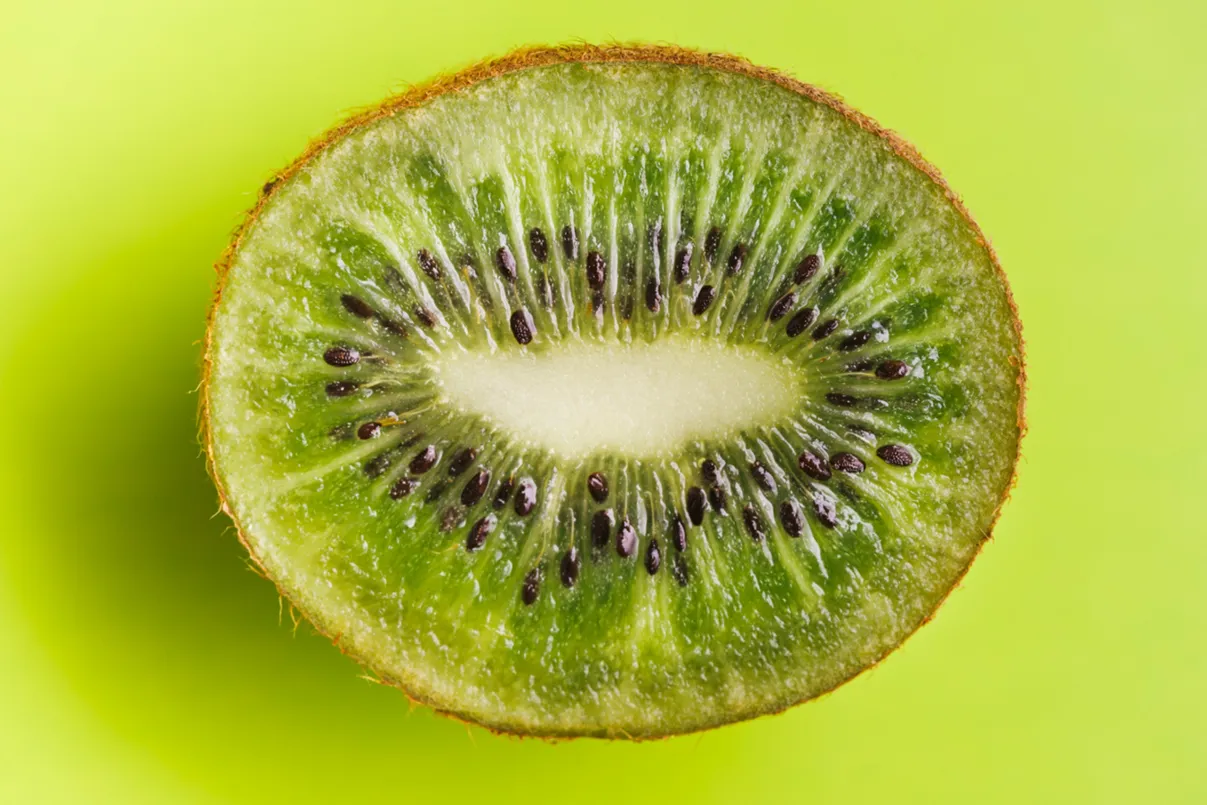
Table of Contents
- What Is a Kiwi Fruit?
- Kiwi Nutrition Facts
- Top Health Benefits of Kiwi
- Kiwi Benefits for Men
- Kiwi Benefits for Women
- How to Eat a Kiwi
- Best Time to Eat Kiwi
- Daily Recommended Intake of Kiwi
- Kiwi for Weight Loss Diets
- Kiwi in Diabetes Management
- Potential Risks of Eating Kiwi
- Who Should Avoid Kiwi?
- How to Store Kiwi Correctly
- Conclusion
- FAQs
- References
What Is a Kiwi Fruit?
The kiwi fruit is an edible berry from the Actinidia species. The most common varieties include green kiwi (Actinidia deliciosa) and golden kiwi (Actinidia chinensis). Kiwi is naturally low in calories but rich in vitamins, minerals, and plant compounds that support multiple body systems.
Often classified as a vitamin C-rich fruit, kiwi provides more vitamin C per serving than oranges, making it a powerful immunity booster. Its unique enzyme, actinidin, also aids protein digestion, setting kiwi apart from many other fruits.
Kiwi Nutrition Facts
Understanding kiwi nutrition helps explain why this fruit offers such impressive health benefits. Here's what you'll find in 100 grams of fresh green kiwifruit:
|
Nutrient |
Amount per 100g |
Health Benefits |
|
Calories |
61 kcal |
Low-energy, nutrient-dense option |
|
Carbohydrates |
14.7 g |
Natural energy source with fibre |
|
Protein |
1.1 g |
Includes digestive enzyme actinidin |
|
Dietary Fibre |
3 g |
Supports gut and heart health |
|
Vitamin C |
92.7 mg |
Boosts immunity and antioxidant defence |
|
Vitamin E |
1.5 mg |
Protects cells from oxidative damage |
|
Vitamin K |
40.3 μg |
Essential for blood clotting and bones |
|
Folate |
25 μg |
Important for cell division and pregnancy |
|
Potassium |
312 mg |
Regulates blood pressure and heart function |
Top Health Benefits of Kiwi
The health benefits of kiwi extend far beyond basic nutrition, offering comprehensive support for multiple body systems. Here are the key ways this remarkable fruit can enhance your wellbeing:
According to an NCBI review of a well-designed human study, regular kiwifruit intake is linked to improvements in digestive health (constipation relief, better stool consistency, reduced transit time, less abdominal discomfort), immune function, and metabolic health. These effects are attributed to kiwi’s high vitamin C, soluble + insoluble fibre, potassium, antioxidants, and the natural enzyme actinidin that supports protein digestion.
- Supports digestion: Soluble and insoluble fibre helps regulate bowel movements and nourish beneficial gut bacteria. Actinidin supports protein digestion and may ease constipation and bloating.
- Boosts immunity: High vitamin C helps strengthen immune defenses; regular intake may reduce the severity and duration of common cold symptoms.
- Rich in antioxidants: Vitamin C, vitamin E, carotenoids, and polyphenols help fight oxidative stress and inflammation; kiwi has a strong overall antioxidant profile.
- Supports heart health: Potassium helps maintain healthy blood pressure; studies show kiwi may improve lipid profiles and reduce clot formation risk.
- Helps manage blood sugar: Low glycaemic load and fibre can slow sugar absorption, supporting steadier glucose levels for most people.
- Aids weight management: Low-calorie, high-water and fibre content promotes fullness and helps control overall calorie intake.
Kiwi Benefits for Men
Men can benefit from adding this vitamin C-rich fruit to their routine, especially for heart health, metabolism, immunity, and digestion.
- Heart & vascular support: Kiwi may help improve blood lipid levels, antioxidant status, and platelet function, supporting cardiovascular health as men age.
- Metabolic health: Its fibre, low calorie density, and bioactive compounds may support healthier weight maintenance and improved metabolic markers.
- Immune resilience: High vitamin C helps strengthen immune defences and may reduce the severity and duration of respiratory infections, useful for active lifestyles.
- Better digestion: Fibre plus the actinidin enzyme may ease constipation and help with protein-heavy diet–related digestive discomfort.
Kiwi Benefits for Women
Women may see distinct benefits from adding kiwi to daily meals, especially for immunity, pregnancy nutrition, bone strength, and skin health.
- Immune support: High vitamin C helps strengthen immune defences and may reduce the duration of common colds.
- Pregnancy nutrition: Provides folate, vitamins C and E, and fibre - nutrients important during pregnancy; folate supports healthy fetal development and helps reduce neural tube defect risk.
- Bone health: Nutrients like vitamin K and key minerals support bone strength, which becomes especially important during and after menopause.
- Skin health & healthy ageing: Antioxidants, especially vitamin C, support collagen production and help protect skin from environmental damage and early ageing.
How to Eat a Kiwi
Enjoying kiwi fruit benefits is simple with these easy, tasty options:
- Eat it fresh: Cut the kiwi in half and scoop out the flesh, or peel and slice it for a quick, nutrient-rich snack.
- Add to smoothies: Blend kiwi with yoghurt, banana, and spinach for a wholesome, vitamin-packed breakfast.
- Use in fruit salads: Mix diced kiwi with apples, oranges, or pomegranate for a colourful, antioxidant-rich dessert.
- Make kiwi chutney: Combine chopped kiwi with mint, ginger, and a pinch of black salt for a digestion-friendly accompaniment to Indian meals.
- Try kiwi lassi: Blend kiwi with yoghurt and a little honey for a probiotic-rich drink that supports gut health.
Best Time to Eat Kiwi
- Morning (best for immunity and nutrient absorption): Eating kiwi in the morning gives a strong vitamin C boost and can improve iron absorption from other foods. Many people find it works well on an empty stomach for better nutrient uptake and to kickstart digestion.
- Before meals (digestion and portion control): Having kiwi ~30 minutes before a meal may support digestion due to actinidin and can increase fullness, helping with healthier portion sizes.
- After a workout (recovery): Post-exercise, kiwi's antioxidants and natural sugars can support energy refill and muscle recovery.
- Late evening (use caution): Avoid large amounts at night if you’re sensitive, as the natural sugars and fiber may disrupt sleep for some people.
Daily Recommended Intake of Kiwi
Understanding the appropriate daily intake helps you maximise kiwi benefits while avoiding potential digestive discomfort. Nutrition experts generally recommend consuming one to two medium-sized kiwis per day for most adults.
This amount provides approximately 120-180mg of vitamin C, which exceeds the daily recommended intake and supports optimal immune function. One medium kiwi weighs about 70-80 grams and provides roughly 42-50 calories, making it an excellent low-calorie nutrient source.
For individuals with sensitive digestive systems, starting with half a kiwi daily and gradually increasing the amount allows your gut to adjust to the increased fibre intake. People with specific health conditions should consult healthcare providers about appropriate portions, especially if they're taking medications that might interact with high vitamin K or potassium intake.
Kiwi for Weight Loss Diets
The kiwi fruit benefits make it an excellent choice for weight management programmes. This low-calorie, nutrient-dense fruit supports healthy weight loss through multiple mechanisms.
- Low calorie density: Allows satisfying portions without excess calories, helping maintain a calorie deficit while feeling full.
- High fibre for satiety: Promotes fullness, reduces between-meal snacking, and supports better portion control.
- Healthy sweetness: Curbs sugar cravings by providing natural sugars along with fibre and essential nutrients instead of empty calories.
- Supports digestion: Fibre and enzymes aid digestion and regular elimination, which can support weight-loss efforts.
- Metabolic support: Antioxidants and bioactive compounds may enhance metabolism and fat oxidation, though more research is needed.
Kiwi in Diabetes Management
People managing diabetes can safely enjoy kiwi benefits when consumed as part of a balanced meal plan. Despite containing natural sugars, kiwi has a relatively low glycaemic index of approximately 50, meaning it causes a gradual rise in blood glucose rather than sharp spikes.
The fibre content in this vitamin C-rich fruit helps slow sugar absorption in the intestines, promoting better blood glucose control. Research suggests that the antioxidants and bioactive compounds in kiwi may support insulin sensitivity and glucose metabolism, though individuals should monitor their blood sugar responses.
Diabetics should consume kiwi as part of a balanced meal or snack that includes protein or healthy fats to further moderate blood sugar impact. One medium kiwi contains about 11 grams of total carbohydrates, which fits easily into most diabetic meal plans when properly accounted for.
Potential Risks of Eating Kiwi
While kiwi benefits are numerous, some people may experience adverse reactions. Understanding potential risks helps you enjoy this fruit safely and comfortably.
• Allergic reactions can occur in people sensitive to kiwi proteins, with symptoms ranging from mild oral tingling to severe reactions. Those with birch pollen or latex allergies may have an increased risk.
• Digestive discomfort might occur when consuming large amounts, especially initially, due to high fibre content that can cause bloating, gas, or loose stools in sensitive individuals.
• Medication interactions may occur with blood-thinning medications due to vitamin K content, or with certain blood pressure medications due to potassium levels.
• Oxalate content may be a concern for people with kidney stones, though kiwi contains moderate rather than high levels.
• Blood sugar effects require monitoring in diabetics, especially when consuming large portions or combining with other high-carbohydrate foods.
Who Should Avoid Kiwi?
Certain individuals should exercise caution or avoid kiwi consumption entirely. Understanding these contraindications ensures safe enjoyment of kiwi fruit benefits.
• People with known kiwi allergies should completely avoid this fruit and products containing kiwi, as reactions can range from mild to life-threatening in severe cases.
• Individuals with severe kidney disease may need to limit kiwi intake due to potassium content, especially if they're on potassium restrictions prescribed by healthcare providers.
• Those taking warfarin or similar blood thinners should maintain consistent vitamin K intake and consult healthcare providers before significantly increasing kiwi consumption.
• People with severe digestive disorders like inflammatory bowel disease might need to avoid high-fibre fruits during flare-ups, though this varies individually.
• Infants under 12 months shouldn't consume kiwi due to allergy risk and their developing digestive systems' inability to handle certain proteins.
How to Store Kiwi Correctly
Proper storage maximises kiwi nutrition and extends the fruit's shelf life. Follow these guidelines to maintain quality and safety.
• Room temperature storage works best for ripening firm kiwis, which typically take 3-5 days to become soft and sweet when kept in a fruit bowl away from direct sunlight.
• Refrigerator storage extends ripe kiwi life by 5-7 days when stored in the crisper drawer, helps maintain vitamin content and prevent over-ripening.
• Separate storage from ethylene-producing fruits like apples and bananas prevents premature ripening, unless you want to accelerate the ripening process intentionally.
• Gentle handling prevents bruising that can lead to spoilage, as kiwis have delicate skin that bruises easily when squeezed or dropped.
• Check regularly for signs of spoilage like soft spots, wrinkled skin, or off odours, and remove affected fruits to prevent spreading to others.
Conclusion
Kiwi is a nutrient-dense, vitamin C-rich fruit that supports immune health, digestion, heart function, weight management, and overall well-being. Easy to include in daily meals, it offers powerful health benefits with minimal calories, making it an excellent choice for preventive nutrition across all age groups.
To complement a healthy diet with proactive health monitoring, Metropolis Healthcare offers over 4,000 advanced diagnostic tests, comprehensive full-body health checkups, and specialty testing, backed by high accuracy and quick turnaround times. With home sample collection across 10,000+ touchpoints and easy booking via website, call, app, or WhatsApp, Metropolis makes reliable, convenient diagnostics accessible—so you can take informed steps toward better health with confidence.
FAQs
Which vitamin is in kiwi?
- Vitamin C (highest concentration)
- Vitamin K
- Vitamin E
- Folate
Is it OK to eat kiwi every day?
Yes. Eating 1–2 kiwis daily is safe and supports immunity, digestion, and heart health.
Is kiwi good for weight loss?
Yes. Kiwi is low in calories, high in fibre, and promotes satiety, making it ideal for weight loss diets.
Which is healthier: green kiwi or golden kiwi?
Both are healthy. Golden kiwi is sweeter and slightly higher in vitamin C, while green kiwi contains more fibre.
Does kiwi improve digestion?
Yes. Kiwi contains fibre and the enzyme actinidin, which improves protein digestion and gut health.
Can diabetics eat kiwi?
Yes. Kiwi has a low glycaemic index and can be eaten in moderation as part of a diabetes-friendly diet.
Is kiwi good for skin whitening?
Kiwi supports skin brightness and glow due to vitamin C and antioxidants, but it does not chemically whiten skin.
What happens if you eat too much kiwi?
Excess intake may cause mouth irritation, diarrhoea, or stomach discomfort.
Does kiwi help you sleep?
Yes. Kiwi contains serotonin and antioxidants that may improve sleep onset and quality.
Can kiwi cause allergies?
Yes. Some individuals may experience itching, swelling, or oral allergy symptoms after eating kiwi.
References
- https://pmc.ncbi.nlm.nih.gov/articles/PMC6267416/
- https://health.clevelandclinic.org/kiwi-benefits
- https://www.news-medical.net/health/Kiwifruit-Health-Benefits-Vitamin-C-Digestion-and-Immune-Support.aspx