Home Visit
 Upload






Preventive Healthcare
Aquagenic Urticaria: The Rare Allergy to Water Explained
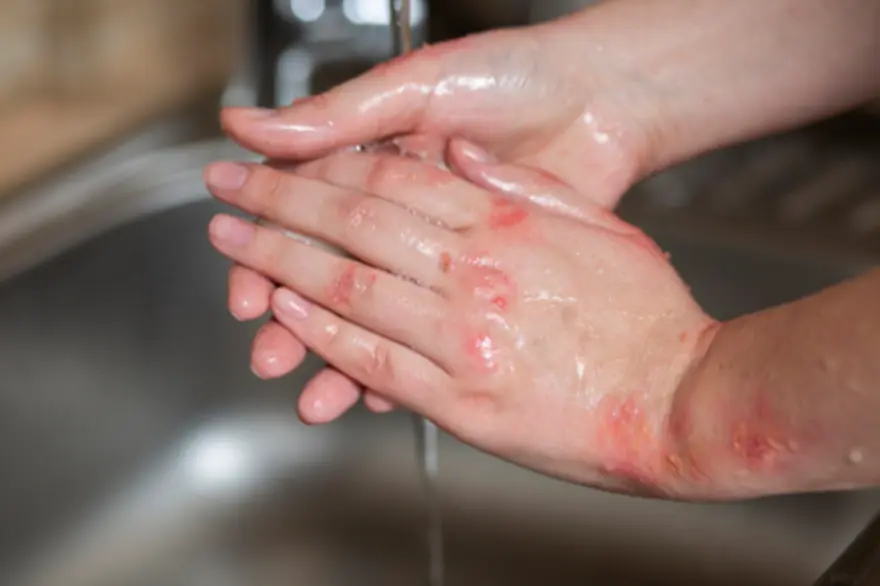
Table of Contents
- What is Aquagenic Urticaria?
- How Rare is Aquagenic Urticaria?
- Causes and Triggers of Aquagenic Urticaria
- What Are The Symptoms Of Aquagenic Urticaria?
- How is Aquagenic Urticaria Diagnosed?
- What Are The Treatment Options For Aquagenic Urticaria?
- How to Prevent Aquagenic Urticaria?
- Living With Aquagenic Urticaria
- Final Thoughts
- FAQs
What is Aquagenic Urticaria?
Aquagenic urticaria is a rare type of physical urticaria characterised by the development of hives or wheals on the skin upon contact with water. These reactions can occur after exposure to any water source, including tap water, rain, sweat, tears, and even saliva. Hives typically emerge as small, raised, reddish or skin-coloured bumps with distinct edges. They most commonly appear on the neck, upper torso, and arms within 20–30 minutes of water exposure and usually fade within an hour after drying the skin.
How Rare is Aquagenic Urticaria?
Among the various forms of physical urticaria, aquagenic urticaria is considered one of the rarest, with medical literature documenting fewer than 100 reported cases in medical literature worldwide. While it can affect both children and adults, it appears to be slightly more prevalent in women and frequently begins around puberty. Due to its rarity and similarities to other skin conditions, aquagenic urticaria often goes underdiagnosed or misdiagnosed. In fact, most doctors may never encounter a case throughout their careers, underscoring just how uncommon this condition truly is.
Causes and Triggers of Aquagenic Urticaria
Despite ongoing research, the precise aquagenic urticaria causes remain unknown. However, experts believe it is not a true allergy to water, as water itself is not an allergen. Instead, the leading theory suggests that water interacts with components in the skin, triggering the release of histamine and other chemicals that lead to hive formation.
Common triggers include:
- Direct skin contact with any type of water, including tap, distilled, saline, rain, sweat, tears, and saliva
- Exposure to water at any temperature, whether hot or cold
- Activities involving water contact, such as bathing, swimming, exercising (due to sweat), or being in the rain
While genetic, environmental, and autoimmune factors may play a role in the development of aquagenic urticaria, further research is needed to fully understand the underlying mechanisms.
What Are The Symptoms Of Aquagenic Urticaria?
The hallmark aquagenic urticaria symptoms usually appear within 20–30 minutes of water exposure and tend to resolve within 30–60 minutes after thoroughly drying the skin.
These include:
- Small, raised, red, or skin-coloured hives (wheals) ranging from 1 to 3 mm in size
- Intense itching, burning, or stinging sensations in the affected areas
- Hives most commonly develop on the neck, upper torso, and arms, rarely affecting the palms or soles
- Possible additional symptoms like headache, wheezing, shortness of breath, dizziness, and in extremely rare cases, anaphylaxis
- Reactions triggered by activities involving water contact, such as bathing, showering, swimming, being in the rain, sweating, or exposure to tears or saliva
In severe cases, individuals may experience swelling of the lips, mouth, or throat after drinking water, although this is quite uncommon.
How is Aquagenic Urticaria Diagnosed?
Aquagenic urticaria diagnosis primarily relies on a thorough clinical evaluation and a detailed patient history of rashes following water exposure. To confirm the diagnosis, doctors may perform the following:
- Water challenge test: A room-temperature wet compress is applied to the skin, typically on the upper torso, for 20 minutes. The doctor then monitors the area for the appearance of hives.
- Exclusion of other causes: The doctor must rule out other forms of urticaria triggered by heat, cold, pressure, or chemical irritants.
- Antihistamine discontinuation: For accurate results, the water challenge test should be performed when the patient has not recently taken antihistamines, as these medications can suppress aquagenic urticaria symptoms.
- Additional tests: In rare cases, blood tests or skin biopsies may be ordered to exclude other conditions with similar presentations.
What Are The Treatment Options For Aquagenic Urticaria?
While there is currently no cure for aquagenic urticaria, various treatments can help manage symptoms and improve quality of life. The aquagenic urticaria treatment options include:
- Antihistamines: Oral antihistamines are the first-line treatment to help reduce itching and hive formation.
- Barrier creams or ointments: Applying a protective layer over the skin before water exposure, such as petrolatum-based products, can help minimise reactions.
- Phototherapy (UVB therapy): In some cases, controlled exposure to ultraviolet B light may help desensitise the skin and reduce reactivity.
- Other medications: For severe or treatment-resistant cases, doctors may prescribe oral corticosteroids, anticholinergics, or omalizumab (an injectable biologic).
- Epinephrine auto-injector: Individuals at risk of anaphylaxis are often prescribed an epinephrine auto-injector for emergency use.
- Avoidance of triggers: Limiting water exposure as much as possible is a key aspect of managing aquagenic urticaria.
How to Prevent Aquagenic Urticaria?
Since there is no way to completely avoid water, preventing aquagenic urticaria reactions focuses on minimising exposure and proactively managing symptoms. Helpful strategies include:
- Limiting time spent in water by taking quick showers or baths and avoiding swimming
- Applying protective barrier creams such as petrolatum or oil-based ointments to vulnerable skin before water exposure can help reduce symptoms
- Wearing protective clothing to cover as much skin as possible in rainy or humid conditions
- Staying in cool environments and avoiding strenuous activities that may induce sweating
- Using mild, fragrance-free cleansers and soaps to reduce the risk of additional skin irritation
- Taking prescribed antihistamines before anticipated water exposure, if recommended by a doctor
- Always carrying an epinephrine auto-injector for those with a history of severe reactions.
Living With Aquagenic Urticaria
Managing aquagenic urticaria on a daily basis requires making lifestyle adjustments and following a consistent treatment plan.
Helpful tips include:
- Carefully plan bathing/showering routines using lukewarm water, protective barriers, and your prescribed aquagenic urticaria treatment
- Keep antihistamines and soothing skin creams on hand to quickly address any reactions
- Wear gloves when washing dishes or doing water-related chores
- Opt for light, loose-fitting, breathable clothing to minimise sweat
- Consider seeing a counsellor or joining a support group to help cope with the emotional impacts
- Educate family, friends, and co-workers so they can be understanding and accommodating.
Final Thoughts
Living with aquagenic urticaria is undoubtedly challenging, but thanks to growing awareness and medical advances, people with this rare condition have more treatment options and support than ever before. If you think you may have this condition, don't hesitate to consult a dermatologist or allergist for an accurate aquagenic urticaria diagnosis and personalised management plan. While it may take some trial and error to find the right combination of aquagenic urticaria remedy for you, relief is possible.
At Metropolis Healthcare, we understand that facing a rare and life-altering condition like aquagenic urticaria can feel isolating and overwhelming. Our team of compassionate diagnostic experts is here to support you with state-of-the-art blood testing and health check-up services to help you and your doctor closely monitor your condition. With a simple at-home blood sample collection and easy online reporting via our Metropolis TruHealth app, prioritising your health has never been more convenient.
FAQs
What is the life expectancy for aquagenic urticaria?
Aquagenic urticaria itself does not typically impact life expectancy, as it is a skin condition rather than a life-threatening disorder. With appropriate management and care, most individuals with this rare condition can expect to live a normal lifespan.
How do you shower with aquagenic urticaria?
People with aquagenic urticaria often adapt their showering routine by taking short, lukewarm showers, applying barrier creams before bathing, and gently patting the skin dry immediately afterwards. These strategies help minimise skin exposure to water and reduce the severity of symptoms.
Can someone with aquagenic urticaria drink water?
In most cases, individuals with aquagenic urticaria can safely drink water without experiencing symptoms, as the reaction primarily occurs upon skin contact. However, in rare instances, some people may develop mild swelling in the mouth or throat after drinking water.
Does aquagenic urticaria ever go away?
Aquagenic urticaria tends to be chronic, with fluctuating severity over time; long-term remission is uncommon but possible in rare cases. While severity of the reactions may fluctuate, complete remission is uncommon. Most individuals with this condition require ongoing management to control symptoms effectively.
What drugs treat aquagenic urticaria?
The most common aquagenic urticaria medicine includes non-sedating antihistamines, which help reduce itching and hive formation. In more severe cases, doctors may prescribe oral corticosteroids or omalizumab for symptom control. Barrier creams and phototherapy may also be recommended by specialists.