Home Visit
 Upload






Preventive Healthcare
Alfalfa Benefits: Nutrition, Uses, Safety, And What You Should Know
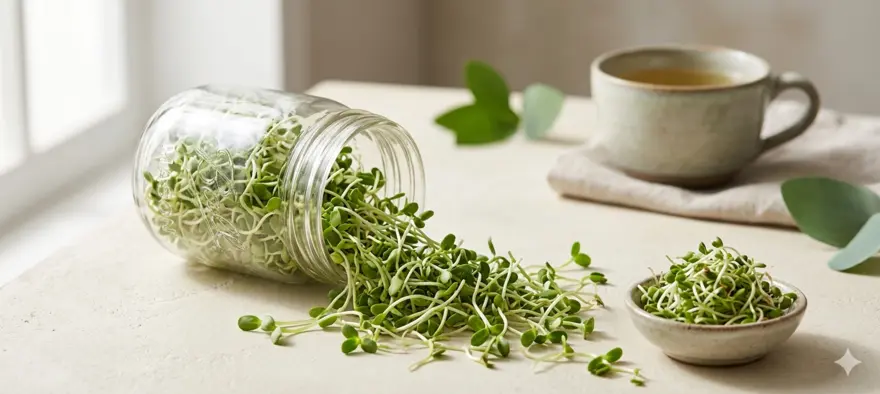
Table of Contents
- What Is Alfalfa?
- Alfalfa Nutrition At A Glance
- Health Benefits Of Alfalfa
- Can Alfalfa Support Detox?
- Alfalfa And Digestive Health
- Herbal Uses Of Alfalfa
- Alfalfa And Hormonal Balance
- Is Alfalfa Useful For Weight Management?
- Possible Side Effects Of Alfalfa
- Who Should Avoid Alfalfa?
- How To Add Alfalfa To Your Diet Safely
- Conclusion
- FAQs
- References
Alfalfa has been cultivated for thousands of years, primarily as a feed crop for livestock. Today, it is increasingly consumed by people in the form of sprouts, tea, powder, and supplements. Its appeal lies in its rich nutrient profile and a range of potential health benefits supported by early research.
That said, alfalfa is not a superfood cure-all. While it shows promise for heart health, blood sugar balance, and antioxidant support, it is not suitable for everyone. Understanding what alfalfa is, what it can and cannot do, and how to use it safely will help you make an informed choice.
What Is Alfalfa?
Alfalfa, known scientifically as Medicago sativa, is a flowering plant from the legume family. It is also called lucerne, buffalo herb, or purple medic. Native to parts of South and Central Asia, it has been cultivated across the globe for centuries, most widely as high-nutrition feed for horses and cattle.
In recent decades, alfalfa has gained popularity among people for its nutritional value. It can be consumed as fresh sprouts, brewed into tea, taken as a powder added to smoothies and drinks, or used in capsule or tablet form as an herbal supplement.
Alfalfa Sprouts Vs Alfalfa Supplements
Alfalfa sprouts are the most common way people eat the plant. They are young, germinated seeds harvested early and eaten raw. They are low in calories, mild in flavour, and easy to add to meals.
Alfalfa supplements, on the other hand, are made from dried leaves, seeds, or extracts. They are available as tablets, capsules, powders, or liquid tinctures. Supplements tend to be more concentrated and should be used with greater caution, as dosage guidance is limited and regulation of herbal supplements varies.
Alfalfa Nutrition At A Glance
Alfalfa is a nutrient-dense plant, particularly in sprout form. One cup of alfalfa sprouts contains only around 8 calories, making it a very light yet nourishing addition to your diet. Key nutrients found in alfalfa include:
- Vitamin K: Supports blood clotting and bone health
- Vitamin C: Contributes to immune function and skin health
- Folate: Essential for cell function and particularly important during pregnancy
- Copper: Supports energy production and iron metabolism
- Iron: Important for red blood cell production
- Magnesium: Plays a role in muscle, nerve, and heart function
- Plant compounds: Including saponins, flavonoids, phytosterols, phytoestrogens, coumarins, and alkaloids
These bioactive plant compounds are a key reason alfalfa has attracted so much interest in health and wellness research.
Health Benefits Of Alfalfa
May Support Heart Health
One of the most studied benefits of alfalfa is its potential role in supporting cardiovascular health. Animal studies have shown that alfalfa may help lower total cholesterol, LDL (bad) cholesterol, and triglyceride levels, while also supporting HDL (good) cholesterol.
This effect is largely attributed to saponins, plant compounds that appear to reduce the absorption of cholesterol in the gut and promote the excretion of compounds involved in new cholesterol production. While human research is still limited, the early findings are encouraging. If cholesterol management is a concern for you, speak with your doctor about the role diet and lifestyle play alongside any supplementation.
May Help Support Blood Sugar Balance
Alfalfa has a history of traditional use as a blood sugar-lowering agent. Some animal studies suggest it may help improve cardiometabolic health by reducing blood fat and blood sugar levels. Its fibre content may also help slow the absorption of glucose into the bloodstream.
However, these findings come primarily from animal and early-stage studies. More research in humans is needed before any firm conclusions can be drawn. If you are managing diabetes or blood sugar concerns, do not replace medical treatment with alfalfa without first speaking to your doctor.
Provides Antioxidant Support
Alfalfa contains flavonoids and other phenolic compounds that help the body combat oxidative stress. Free radicals, which are unstable molecules produced by everyday processes as well as exposure to pollution, tobacco smoke, and toxins, can damage cells over time and are linked to conditions such as heart disease, diabetes, and certain cancers.
Early research suggests that alfalfa may help reduce cell damage caused by free radicals by both limiting their production and supporting the body's natural defences. Most of this evidence comes from animal and cell studies, and human research remains limited.
May Support Bone Health
Alfalfa is a good source of vitamin K, a nutrient that plays an important role in bone metabolism and calcium regulation. Adequate vitamin K intake is associated with better bone density and may support long-term bone health, particularly as you age. Alfalfa also provides magnesium and other trace minerals that contribute to overall skeletal health.
May Help Ease Menopause Symptoms
Alfalfa contains phytoestrogens, naturally occurring plant compounds that are structurally similar to the hormone oestrogen. During menopause, oestrogen levels fall, and this can trigger symptoms such as hot flashes, night sweats, and mood changes.
Some early research suggests that phytoestrogen-rich plants may help ease these symptoms. One small study found that a combination of sage and alfalfa reduced hot flashes and night sweats in some participants. However, the research base is small, and results are not consistent. If you are considering alfalfa for menopause symptoms, it is best to speak with your doctor first, particularly if you have a history of hormone-sensitive conditions.
Can Alfalfa Support Detox?
Alfalfa is often mentioned in wellness discussions around detoxification. While it does contain antioxidants and nutrients that support general health, it is important to be clear about what the evidence actually shows.
Your body already has a sophisticated detoxification system centred on the liver and kidneys. These organs filter and eliminate waste products from the blood continuously and effectively in healthy individuals. No food, including alfalfa, can replace or significantly enhance this process.
That said, a nutrient-rich diet that includes antioxidant-containing foods like alfalfa can support overall cellular health and reduce oxidative stress. In this sense, alfalfa may be a supportive addition to a healthy, balanced diet. It should not be treated as a detox cure or a substitute for medical care.
Alfalfa And Digestive Health
Alfalfa sprouts are a light, easy-to-digest food that may offer some gentle support for your digestive system. Here is what is worth knowing:
- Alfalfa sprouts are very low in calories and low in carbohydrates, making them easy on the digestive system
- They contain dietary fibre, which supports regular bowel movements and general gut comfort
- Their high water content may contribute to hydration and stool ease
- Some individuals may notice initial digestive sensitivity, particularly with supplements
- It is best to introduce alfalfa gradually if you are not used to high-fibre foods
As with any dietary addition, how your body responds will depend on your individual health and gut condition.
Herbal Uses Of Alfalfa
Alfalfa has a long history in traditional medicine across different cultures, including Ayurvedic and Chinese herbal traditions. Today, it is used in various forms as part of general wellness routines:
- Tea: Dried alfalfa leaves steeped in hot water, sometimes combined with other herbs
- Powder: Added to smoothies, juices, or health drinks
- Capsules and tablets: Convenient supplement forms for those who prefer not to eat sprouts
- Fresh sprouts: Added to salads, sandwiches, wraps, and spring rolls for a mild crunch
- Traditional herbal use: Historically associated with diuretic effects, kidney support, and general vitality
It is important to remember that traditional use does not always equate to proven clinical benefit. Consult your doctor before using alfalfa regularly, especially in supplement form.
Alfalfa And Hormonal Balance
Phytoestrogens are naturally occurring plant compounds found in alfalfa that mimic the activity of oestrogen in the body. They bind to oestrogen receptors and can produce mild oestrogen-like effects.
This is why alfalfa is sometimes discussed in the context of hormonal health, particularly in relation to menopause. As oestrogen levels decline during menopause, phytoestrogens may help moderate some symptoms by partially compensating for this drop.
However, phytoestrogens remain a topic of ongoing research and some debate. Their effects on hormonal health can vary significantly between individuals. Some people respond positively, while others may not notice any change. In people with hormone-sensitive conditions, phytoestrogen-rich foods and supplements should be used only under medical supervision.
If you are considering alfalfa for hormonal health reasons, speak with your doctor before making it a regular part of your routine.
Is Alfalfa Useful For Weight Management?
Alfalfa is not a weight loss food in itself, and no single food can cause weight loss on its own. That said, alfalfa sprouts can be a sensible addition to a calorie-conscious diet.
At around 8 calories per cup, alfalfa sprouts are one of the lowest-calorie foods you can eat. They add volume, texture, and nutrients to meals without contributing significantly to your daily calorie intake. Their fibre content may also help you feel more satisfied after eating.
Used as part of a balanced diet alongside regular physical activity and healthy habits, alfalfa sprouts can complement a weight management approach. However, they should not be seen as a standalone solution.
Possible Side Effects Of Alfalfa
While alfalfa is generally well tolerated in small amounts for most healthy adults, it can cause side effects in some people:
- Digestive discomfort: Some individuals who take alfalfa supplements regularly report loose stools, gas, bloating, or stomach cramps
- Risk of bacterial contamination: Raw alfalfa sprouts have been linked to outbreaks of foodborne illness caused by bacteria such as E. coli and Salmonella; thorough washing and proper storage are essential
- Allergic reactions: Some people may have an allergic response to alfalfa, particularly those with sensitivities to other legumes or plant foods
- Medication interactions: Alfalfa's high vitamin K content may reduce the effectiveness of blood-thinning medications such as warfarin; it may also interact with certain hormonal contraceptives and diabetes medications
Who Should Avoid Alfalfa?
Certain groups should either avoid alfalfa entirely or consult a doctor before using it:
- Pregnant women: Raw alfalfa sprouts carry a risk of contamination with harmful bacteria and should be avoided during pregnancy
- People taking blood thinners: High vitamin K intake from alfalfa may interfere with anticoagulant medications such as warfarin
- People with autoimmune conditions: Alfalfa, particularly its seeds, has been associated with the reactivation of lupus in some individuals; those with lupus or other autoimmune disorders should avoid it
- People with weakened immunity: Children, older adults, and those with compromised immune systems are more vulnerable to foodborne illness from raw sprouts
- People with gout: Alfalfa is high in purines, which can worsen gout symptoms
- Anyone planning regular supplement use without medical guidance: Herbal supplement dosages are not tightly regulated; always seek advice before using alfalfa supplements daily
How To Add Alfalfa To Your Diet Safely
If alfalfa suits your health profile and your doctor is comfortable with you trying it, here are some simple, practical ways to do so safely:
- Rinse fresh alfalfa sprouts thoroughly under cold running water before eating
- Store sprouts in the refrigerator and use them within a few days of purchase
- Add sprouts to salads, sandwiches, wraps, or grain bowls for extra texture and nutrients
- Avoid feeding raw sprouts to children, elderly family members, or anyone with a weakened immune system
- When using powders or capsules, follow the manufacturer's guidance and do not exceed recommended amounts
- Speak to your doctor before starting daily supplement use, particularly if you are on any regular medication
Conclusion
Alfalfa is a nutrient-rich plant with a long history of traditional use and some genuinely promising early research. It may offer support for heart health, blood sugar balance, antioxidant protection, bone health, and menopause symptoms. It is also an extremely low-calorie, easy-to-use food when eaten as sprouts.
At the same time, it is not suitable for everyone, and no single food should be relied upon as a treatment or cure. Safe use, awareness of interactions, and a balanced approach to diet are what matter most.
Good nutrition is the foundation of good health, but it works best when paired with regular health monitoring. Knowing your cholesterol levels, blood sugar, and key nutrient markers gives you a clear picture of where you stand, and allows you to make truly informed choices. At Metropolis Healthcare, you can book routine blood tests, full body checkups, and speciality health screenings easily through the website, app, call, or WhatsApp. With home sample collection available across a wide network, reliable results, and quick turnaround times, staying on top of your health has never been more straightforward.
FAQs
What Is Alfalfa Used For?
Alfalfa is used both as animal feed and as a food and supplement for humans. People consume it as sprouts in salads and sandwiches, as tea, or as a powdered or capsule supplement. It is used in traditional medicine for general wellness and has been studied for potential benefits related to cholesterol, blood sugar, antioxidant protection, and menopause symptoms.
What Are The Main Benefits Of Alfalfa?
Alfalfa may help support heart health by influencing cholesterol levels, provide antioxidant protection, support bone health through its vitamin K content, assist with blood sugar balance, and ease certain menopause symptoms due to its phytoestrogen content. However, most of the supporting research is from animal or early-stage studies, and more human evidence is needed.
Can Alfalfa Help Lower Cholesterol?
Early research, primarily from animal studies, suggests that saponins in alfalfa may help reduce the absorption of LDL cholesterol in the gut and support healthier lipid levels. While the findings are promising, robust human trials are still needed. If cholesterol is a concern for you, speak with your doctor about a comprehensive management plan.
Does Alfalfa Support Detox?
Alfalfa is sometimes associated with detox in wellness circles due to its antioxidant content. However, the body's liver and kidneys handle detoxification naturally and effectively in healthy individuals. Alfalfa can support general cellular health as part of a balanced diet, but it is not a detox agent and should not replace medical treatment.
Is Alfalfa Good For Digestion?
Alfalfa sprouts are light, low in calories, and contain dietary fibre, which may support regular digestion and gut comfort in many people. They are generally easy to digest and can be a gentle, nourishing addition to meals. Those with sensitive digestive systems should introduce alfalfa gradually.
Can Alfalfa Help During Menopause?
Alfalfa contains phytoestrogens, plant compounds that may mimic mild oestrogen activity in the body. Some early research suggests this could help ease symptoms such as hot flashes and night sweats. The evidence is limited and results vary between individuals. Speak with your doctor before using alfalfa specifically for menopause management.
Is Alfalfa Good For Weight Loss?
Alfalfa is not a weight loss food, but alfalfa sprouts are extremely low in calories and contain fibre, making them a filling and nutritious addition to a calorie-conscious diet. No single food causes weight loss on its own. Alfalfa works best as part of a balanced, varied diet alongside regular physical activity.
Is It Safe To Eat Raw Alfalfa Sprouts?
For most healthy adults, raw alfalfa sprouts are safe when properly washed and stored. However, raw sprouts can carry harmful bacteria such as E. coli and Salmonella. Pregnant women, young children, older adults, and anyone with a weakened immune system should avoid raw sprouts. Always rinse sprouts thoroughly and refrigerate them promptly.
Who Should Not Use Alfalfa?
People who should avoid alfalfa or use it only under medical supervision include pregnant women, those taking blood-thinning medications, people with autoimmune conditions such as lupus, individuals with gout, and those with a compromised immune system. Always check with your doctor before adding alfalfa supplements to your routine.
Can Alfalfa Interact With Medicines?
Yes. Alfalfa is high in vitamin K, which can reduce the effectiveness of anticoagulant medications such as warfarin. It may also interact with certain diabetes medications by lowering blood sugar further, and may affect how some hormonal contraceptives work. If you are on any regular medication, speak with your doctor before using alfalfa supplements.
References
- Bora KS, Sharma A. Phytochemical and pharmacological potential of Medicago sativa: a review. Pharm Biol. 2011;49(2):211-220. PMID: 20969516.
- Hwang JT, Kim SH, Noh JR, et al. Anti-obesity effects of alfalfa (Medicago sativa L.) leaf extract through inhibition of adipogenesis. J Sci Food Agric. 2009;89(5):807-812.
- Malinow MR, McLaughlin P, Stafford C. Alfalfa seeds: effects on cholesterol metabolism. Experientia. 1980;36(5):562-564. PMID: 6996941.
- Rajendran A, Duraisamy A, Balan R, et al. Saponins and their properties in plant-based cholesterol management. J Funct Foods. 2020;68:103-110.
- Dornbos DL, Mullen RE. Alfalfa sprout safety and bacterial contamination risks. Food Microbiol. 1992;9(4):234-240.
- World Health Organization. WHO Monographs on Selected Medicinal Plants. Vol 4. WHO Press; 2009.
- Keung WM, Vallee BL. Daidzin and L-canavanine: bioactive compounds in alfalfa and their effects on autoimmune conditions. Proc Natl Acad Sci USA. 1993;90(24):11,473-11,477. PMID: 8265573.